Why Residential Roof Repairs Fail: What Homeowners Must Know
Why Residential Roof Repairs Fail: What Homeowners Must Know
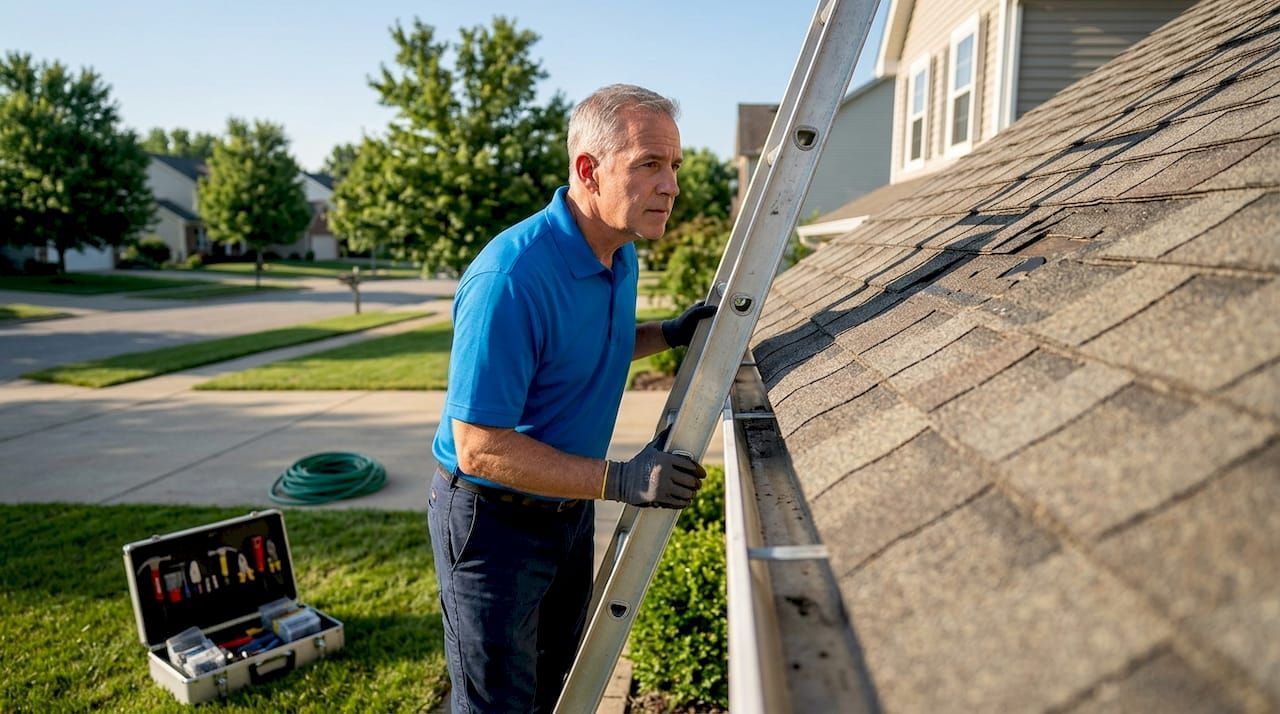
Residential roof repairs fail primarily because surface patches address visible symptoms while leaving hidden moisture trapped inside the roofing assembly. That trapped water migrates laterally through insulation and roof decking, creating new leak points that appear unrelated to the original problem. Research from Tri-County Commercial Roofing and WDFX Fox 34 confirms this pattern is the leading driver of recurring residential roofing problems. Understanding this distinction between surface fixes and true structural repairs is the difference between a roof that holds and one that keeps failing.
Why residential roof repairs fail: the hidden moisture problem
The most misunderstood fact about roof leaks is that water rarely stays where it enters. Water migrates laterally through roofing insulation and decking, which means the wet spot on your ceiling may be several feet from the actual entry point. Homeowners who patch the visible area and call it done are solving the wrong problem. The water is already inside, and it is moving.
This is why so many homeowners feel like they are chasing ghosts. You fix one spot, and three months later a new stain appears across the room. Moisture inside the roof causes leaks to reappear in different locations, making each new problem feel unrelated when it is actually the same water finding a new path. This cycle continues until the moisture source is fully addressed.
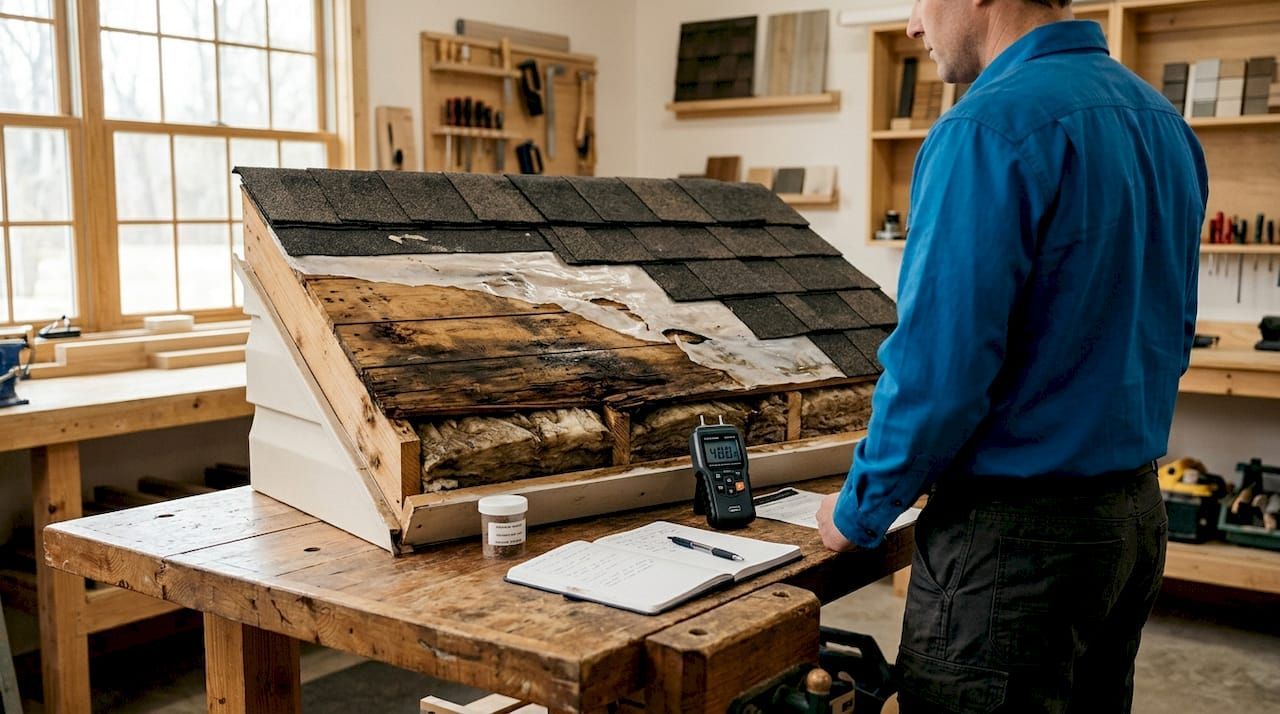
The damage compounds quickly. Saturated insulation loses thermal resistance, adds dead weight to the roofing system, and cannot dry out on its own. That means every week the moisture sits inside the assembly, the roof deck weakens, mold risk increases, and the scope of necessary repairs grows. In Northern California climates, seasonal temperature swings accelerate this process by expanding and contracting saturated materials.
Freeze-thaw cycles, common in higher-elevation NorCal areas like the Sierra Nevada foothills, are particularly destructive. Water that has migrated into cracks and seams expands when it freezes, widening those gaps and creating new entry points for the next rain event. A patch applied to the surface does nothing to stop this cycle once moisture is already inside the assembly.
Pro Tip: Ask your roofing contractor to perform an infrared moisture scan or use a non-invasive moisture meter before any repair work begins. These tools detect hidden saturation in the deck and insulation without tearing open the roof, giving you a true picture of the damage scope before a single shingle is replaced.
What common roofing mistakes cause repairs to fail?
Most reasons roof repairs fail trace back to a short list of preventable errors made by either the homeowner or an underqualified contractor. Recognizing these mistakes before you hire or attempt a repair can save you thousands of dollars.
Here are the five most common roofing mistakes that lead to premature repair failure:
-
Using low-quality or mismatched materials. Non-weather-resistant shingles and off-brand sealants degrade faster than the surrounding roof, creating new weak points within a year or two of installation. GAF-certified materials, for example, are tested for specific climate conditions and carry manufacturer warranties that generic products cannot match.
-
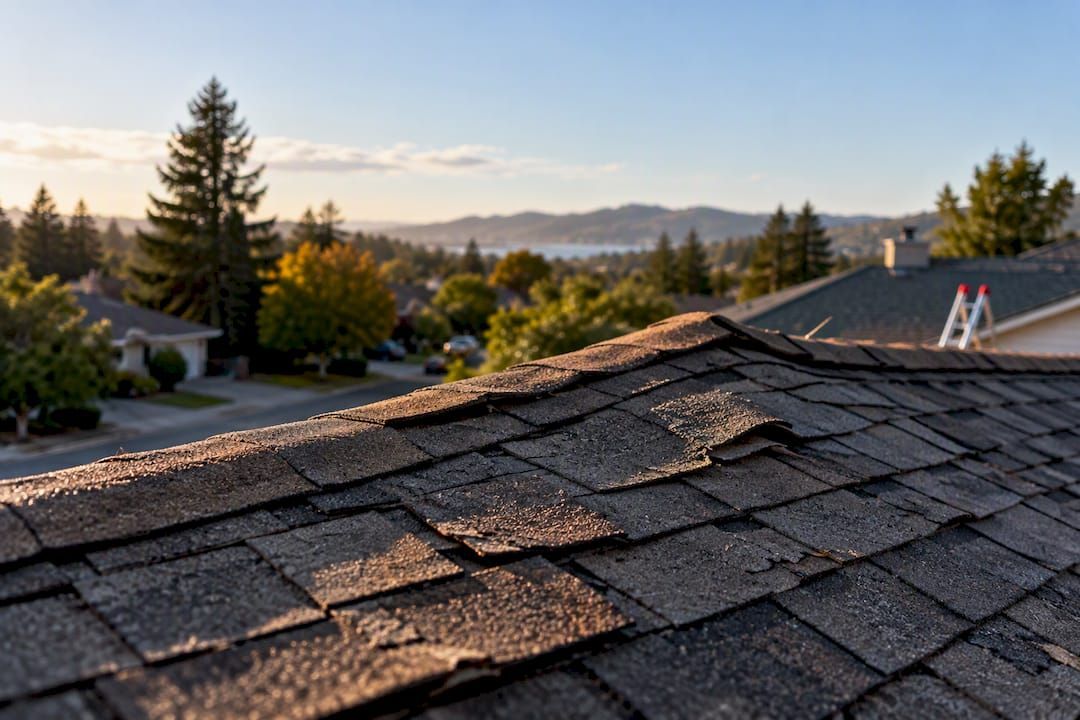
Poor flashing installation. Flashing failure is the leading cause of active leaks in pitched roofing. Flashing at chimneys, skylights, valleys, and pipe penetrations must be properly seated and sealed. Corroded or improperly lapped flashing creates sustained leak pathways that no amount of surface patching will fix.
-
Inadequate attic ventilation. Poor attic ventilation causes condensation and heat buildup that shortens roof lifespan from the inside out. In summer, trapped heat accelerates shingle aging. In winter, it creates ice dams along eaves that force water under shingles. Ventilation is a system, not an afterthought.
-
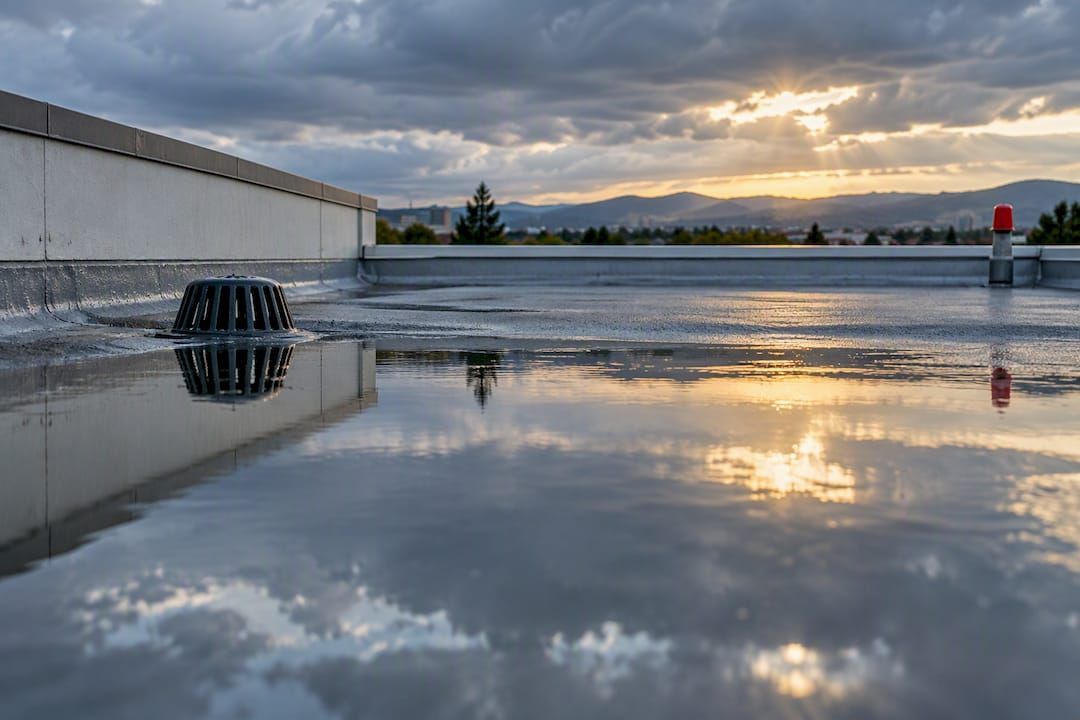
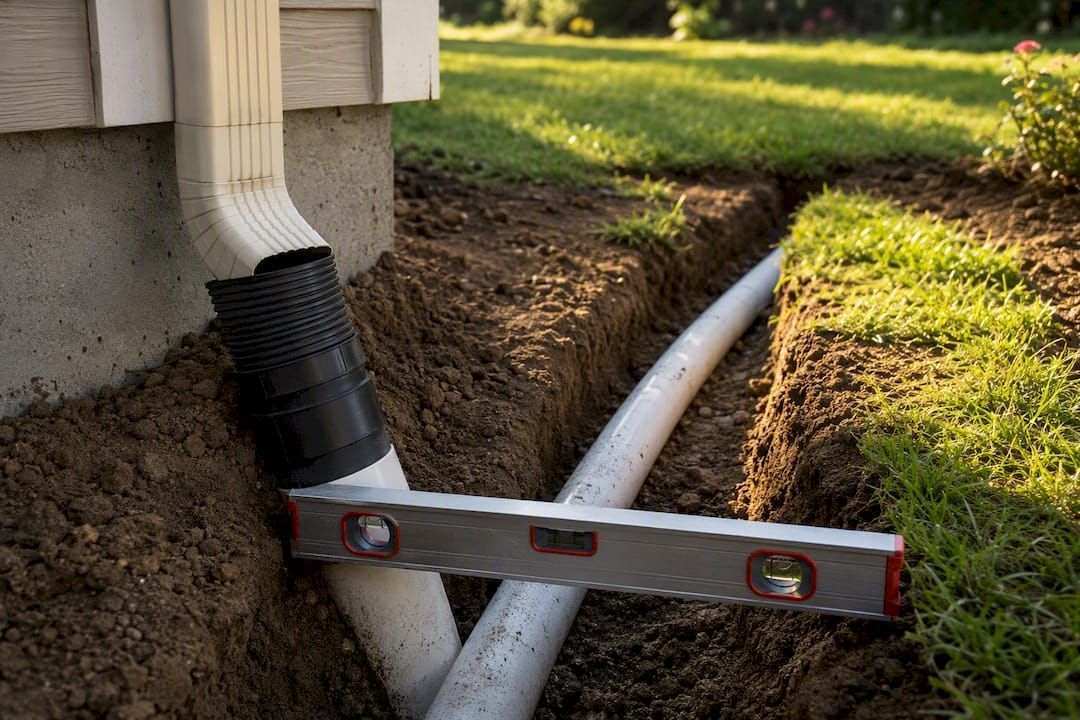
Neglecting gutters and drainage. Clogged gutters cause water backup under shingles and contribute directly to ice dam formation. A repaired roof section can fail within one season if water has nowhere to drain properly. Gutter cleaning is not optional maintenance. It is part of the repair itself.
-
DIY repairs without proper training. DIY roof repairs often worsen problems through misdiagnosis, improper material use, and unsafe practices. An untrained homeowner patching a shingle may inadvertently lift adjacent shingles, break the seal on neighboring tabs, or miss the actual water entry point entirely. The repair then fails under the next heavy rain, requiring professional rework at higher cost.
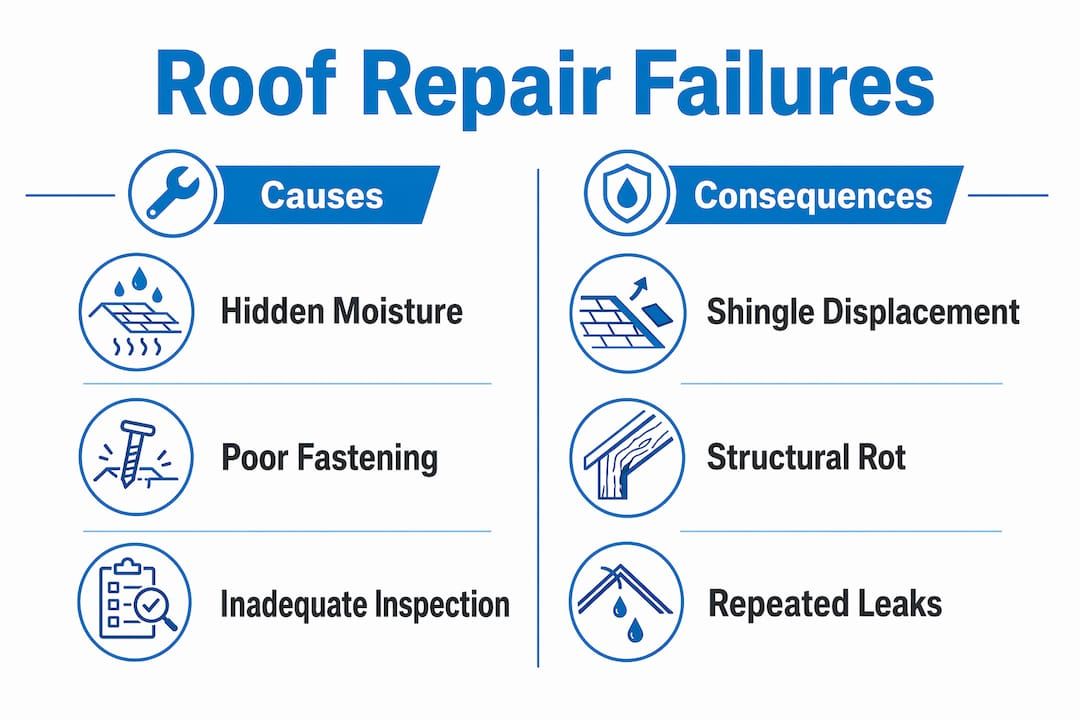
Poor fastener installation deserves special mention. High wind speeds dislodge improperly fastened shingles, opening water infiltration pathways almost immediately after a repair. In NorCal, where seasonal wind events are common, fastener placement and nail depth are non-negotiable details that separate a lasting repair from one that fails by spring.
Spot repair vs. full restoration: which approach actually works?
Choosing the wrong repair strategy is one of the clearest signs of poor roof repair planning. Not every leak calls for a full replacement, but not every leak can be solved with a patch either. The decision depends on the age of the roof, the extent of moisture intrusion, and the condition of the underlying deck.
| Repair approach | Best suited for | Key risk |
|---|---|---|
| Spot repair | Single damaged shingle or isolated flashing failure on a roof under 10 years old | Misses hidden moisture; fails if deck damage is present |
| Partial restoration | Section of roof with localized damage on a structurally sound deck | May not match existing materials; can mask wider issues |
| Full replacement | Roof over 20 years old, widespread moisture intrusion, or deck deterioration | Higher upfront cost; only option when assembly is compromised |
Repeated surface patching delays necessary decisions and expands repair scope as wood decking decays and metal components corrode. Each patch buys a little time while the underlying problem grows. By the time a homeowner commits to a full assessment, what could have been a targeted restoration has become a full replacement, at two to three times the original cost.
The right approach starts with documentation. Practitioners recommend evaluating moisture levels and assessing assembly damage before deciding between spot repairs and full replacement. A licensed contractor should inspect the attic, probe the deck for soft spots, and check insulation saturation before recommending any scope of work. Skipping this step is how homeowners end up paying for the same roof twice.
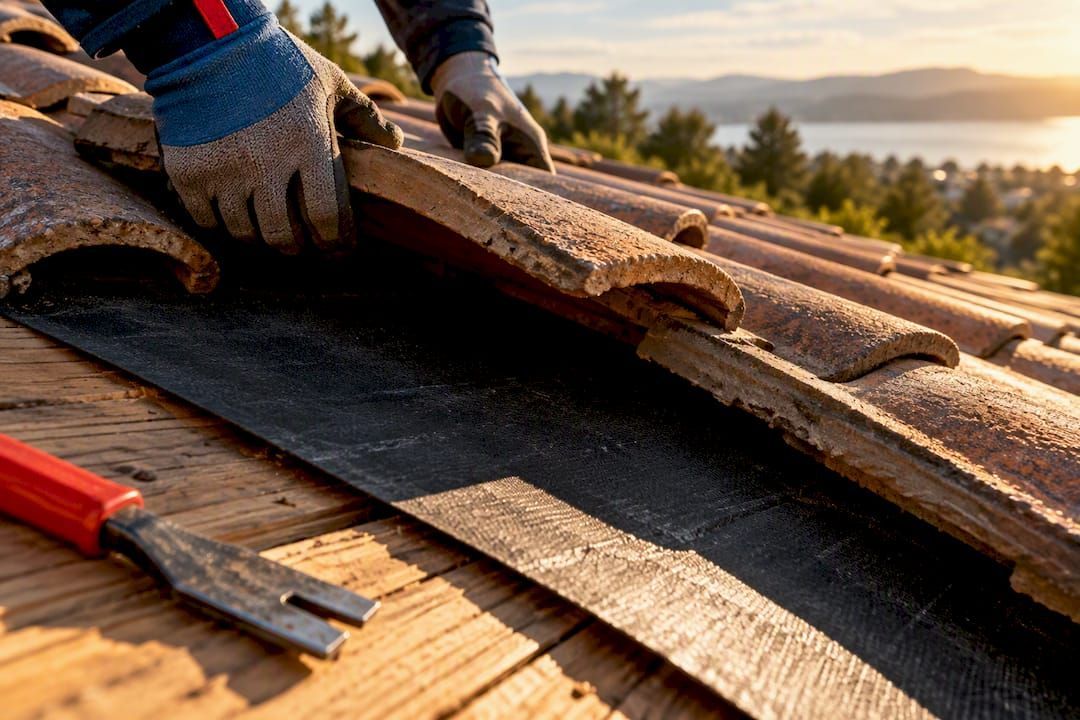
Partial restorations can be a smart middle ground when the damage is genuinely contained. Replacing a section of shingles over a dry, structurally sound deck with properly matched GAF or Brava materials can extend roof life by a decade. The key word is "matched." Mixing shingle generations, weights, or profiles creates inconsistent water-shedding behavior that accelerates failure at the seams between old and new material.
How to prevent roof repair failures before they start
Preventing roof repair failures is not complicated, but it does require consistency. Think of your roof the way you think about your car. You would not skip oil changes and expect the engine to last. The same logic applies to your roof.
Here is what proactive maintenance looks like in practice:
-
Schedule professional inspections twice a year. Spring and fall inspections catch damage from winter storms and prepare the roof for the next season. A licensed inspector from a company like Shieldguardroofing will check flashing, fasteners, shingle condition, and attic ventilation in a single visit.
-
Choose licensed, experienced contractors. Verify state licensing, check reviews, and ask for references from local homeowners. A contractor who pulls permits and follows California building codes is not cutting corners on your repair.
-
Specify climate-appropriate materials. In Northern California, that means shingles rated for UV exposure, wind resistance, and temperature cycling. GAF's Timberline HDZ shingles, for example, carry a StainGuard Plus warranty and are tested for wind resistance up to 130 mph.
-
Keep gutters clean and downspouts clear. Schedule gutter cleaning at least twice a year, and after any major storm. This single habit prevents a significant percentage of water intrusion events that lead to failed repairs.
-
Act early. A missing shingle or small flashing gap costs a fraction of what it costs after a season of water infiltration. The moment you notice a stain, a soft spot, or granules in your gutters, call a professional. Waiting is always more expensive.
Pro Tip: Document every roof repair with photos, contractor invoices, and material specs. This record protects you during insurance claims, helps future contractors understand the repair history, and gives you leverage if workmanship issues arise under warranty.
Timing matters too. Schedule repairs before storm season, not during it. Emergency repairs done under pressure often skip the moisture assessment step entirely, which is exactly how the cycle of recurring failures begins. You can also learn more about proactive roof maintenance strategies that apply directly to residential roofing decisions.
Key takeaways
Residential roof repairs fail when hidden moisture inside the roofing assembly goes undetected and unaddressed, making moisture assessment the single most critical step before any repair work begins.
| Point | Details |
|---|---|
| Hidden moisture is the root cause | Water migrates laterally inside roof assemblies, creating new leaks far from the original entry point. |
| Flashing and ventilation failures accelerate damage | Poor flashing installation and inadequate attic ventilation are leading contributors to recurring residential roofing problems. |
| Spot repairs have limits | Surface patches cannot fix saturated insulation or decayed decking; the repair scope must match the actual damage. |
| Material quality determines longevity | Climate-rated products like GAF shingles outperform generic materials and carry warranties that protect your investment. |
| Early action cuts total cost | Addressing minor issues before storm season prevents small repairs from becoming full roof replacements. |
What I have learned after years of watching roofs fail
After working with hundreds of Northern California homeowners, the pattern I see most often is not a bad contractor or a bad storm. It is a homeowner who got a patch, felt relieved, and stopped paying attention. The roof looked fine from the driveway. Inside the assembly, water was already moving.
The roofing industry has a term for this: deferred damage. The repair appears successful because the visible leak stops. But the moisture assessment was never done, the insulation was never checked, and the deck was never probed. Six months later, the ceiling stain is back, and now it is in a different room. The homeowner calls it bad luck. I call it an incomplete repair.
What I tell every homeowner is this: your roof is a system, not a surface. Shingles are the outermost layer, but the deck, insulation, ventilation, flashing, and drainage all work together. Fixing one layer while ignoring the others is like replacing a tire on a car with a cracked axle. The tire looks fine. The car is still dangerous.
The homeowners who avoid costly repeat repairs are the ones who treat inspections as routine, not reactive. They schedule a visit before storm season, not after the ceiling caves. They ask their contractor to show them the moisture readings, not just the repaired shingles. And they choose contractors who use quality materials and pull permits, because those contractors have something to stand behind.
Quick fixes feel satisfying in the moment. They rarely are.
— Cesar
Get a roof assessment that actually solves the problem
If your roof has been repaired more than once in the same area, or if you are seeing new stains after a recent fix, the issue is almost certainly deeper than the surface. Shieldguardroofing serves homeowners across Northern California with thorough roof assessments that go beyond the visible damage. With over 75 years of combined roofing experience, the team uses quality materials from GAF, GAF Energy, and Brava to deliver repairs built to last through NorCal's demanding seasons.

Do not wait for the next storm to find out your repair did not hold. Schedule a professional inspection through Shieldguardroofing's residential roof repair services and get a clear picture of what your roof actually needs. For homeowners ready to protect their home long-term, explore the full range of residential roofing solutions available in Sacramento and surrounding NorCal communities.
FAQ
Why do roof repairs keep failing in the same spot?
Repairs fail repeatedly in the same area because the underlying moisture was never fully removed. Water migrates laterally inside the roofing assembly, so patching the surface does not stop the damage already present in the deck or insulation.
What are the signs of a poor roof repair?
Signs of poor roof repair include new stains appearing near a previously repaired area, shingles lifting after wind events, and visible gaps around flashing at chimneys or vents. These indicate the repair addressed appearance rather than the actual water entry point.
Is it worth repairing an old roof or should I replace it?
A roof over 20 years old with widespread moisture intrusion or deck deterioration typically needs full replacement. Repeated surface repairs on an aging system expand the damage scope and ultimately cost more than a timely replacement.
Can I fix roof issues myself to save money?
DIY repairs carry significant risk because misdiagnosis and improper material use often worsen the original problem. Untrained repairs frequently fail under weather stress and require professional rework at higher cost than the original issue would have required.
How often should I have my roof professionally inspected?
Professional inspections twice a year, in spring and fall, catch seasonal damage early and prevent minor issues from becoming major failures. Inspections are also recommended after any significant storm event, particularly in Northern California where wind and rain seasons are distinct.
Recommended