Roofing Condition Report: What NorCal Owners Must Know
Roofing Condition Report: What NorCal Owners Must Know
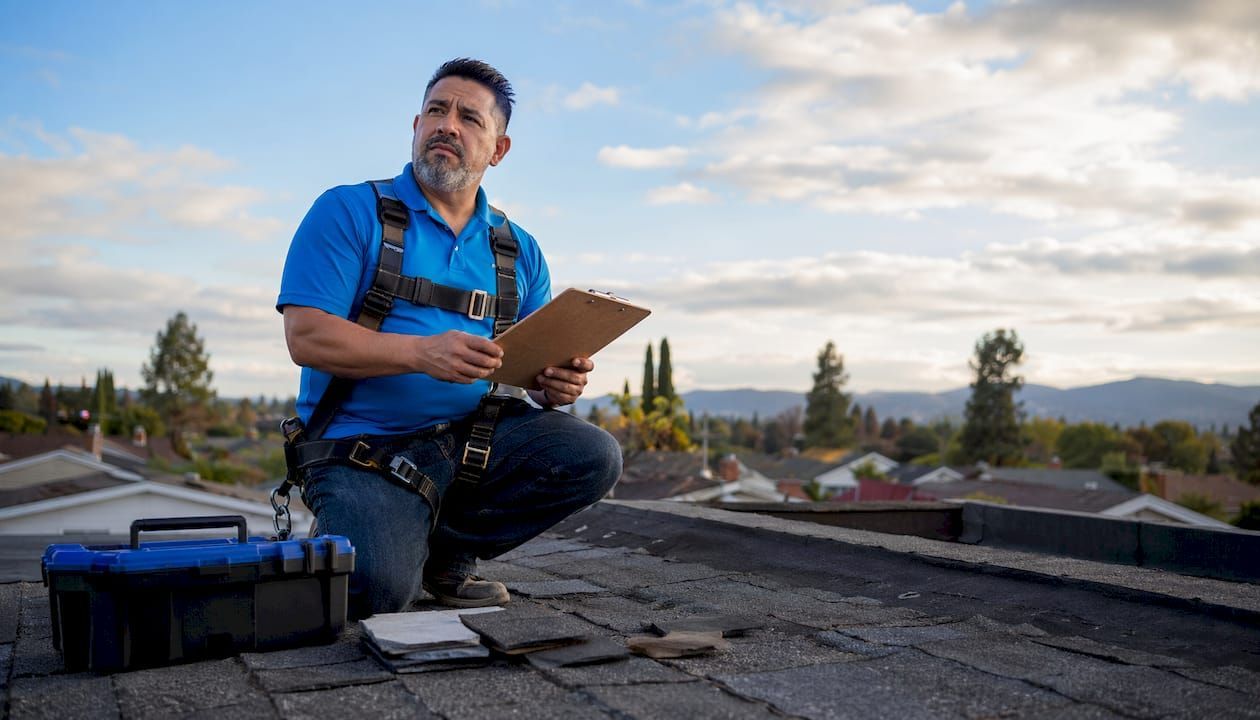
A roofing condition report is a formal, evidence-based assessment of a roof's current physical state, documenting defects, estimated remaining lifespan, and prioritized maintenance recommendations. Property owners and managers across Northern California rely on this document, also called a roof condition assessment, to make informed decisions about repairs, budgeting, and long-term asset protection. Unlike a quick visual check or a contractor's free estimate, a true roofing condition report gives you a documented health record of your roof. Knowing what is a roofing condition report, what it contains, and how to use it can save you thousands of dollars in avoidable repairs.
What does a roofing condition report include?
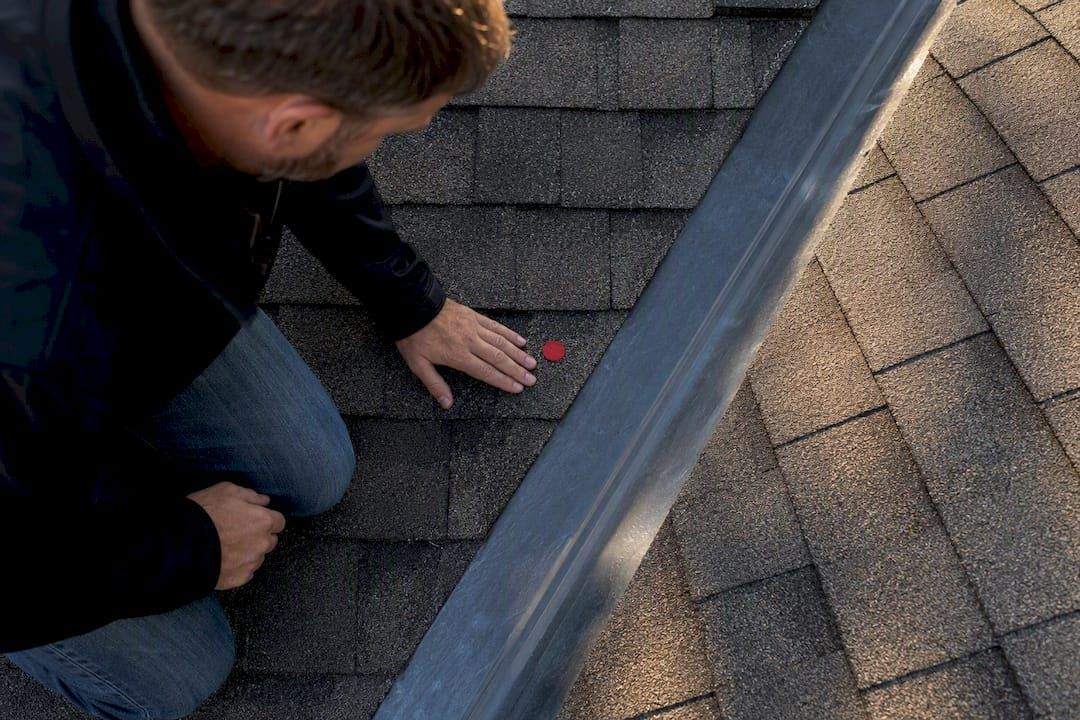
A professional roof condition assessment covers far more ground than most property owners expect. A real inspection report runs 8–25 pages and includes 20–60 captioned photographs, the inspector's credentials, the inspection date, and itemized findings organized by severity. That depth is what separates a true diagnostic document from a one-page sales sheet.
The scope of a thorough report follows a structured roof inspection checklist that moves through six major systems:
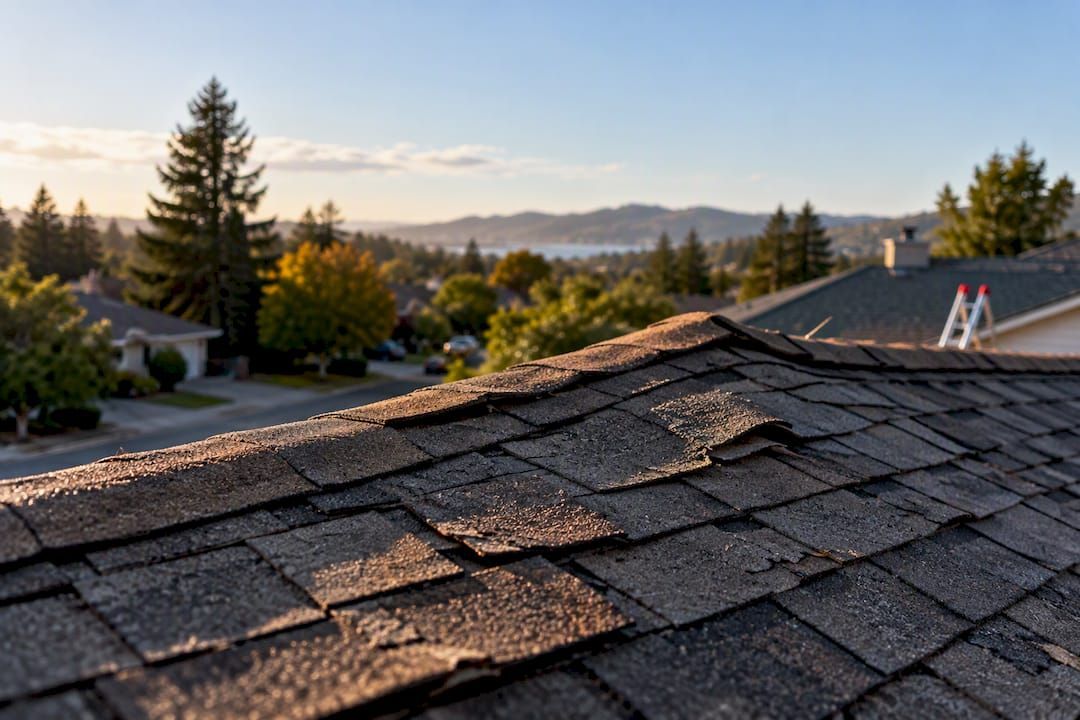
- Field covering: shingles, membranes, or tiles for cracks, blistering, granule loss, or delamination
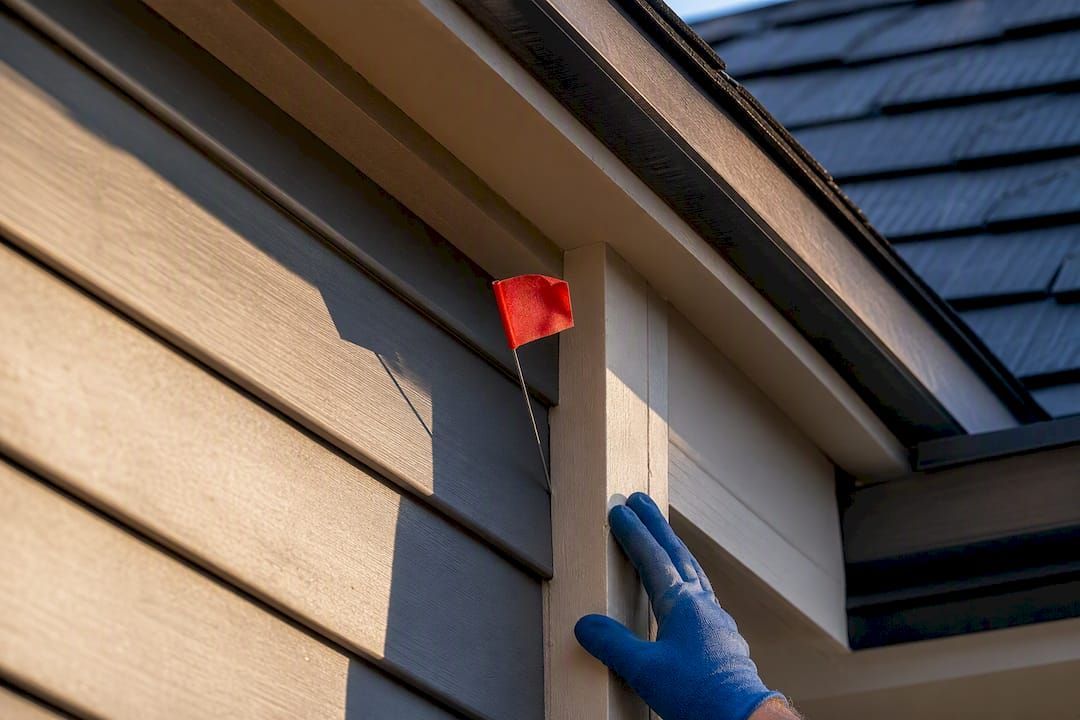
- Flashing: metal transitions at walls, chimneys, and skylights where leaks most commonly originate
- Edges and fascia: drip edges, rake boards, and eave conditions
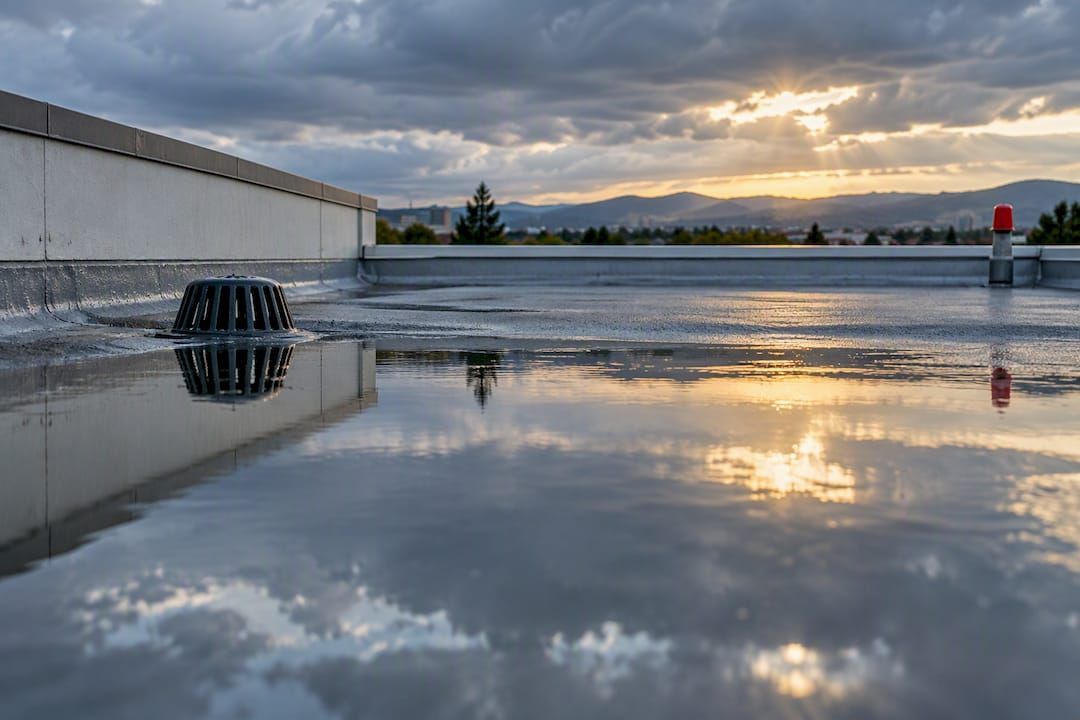
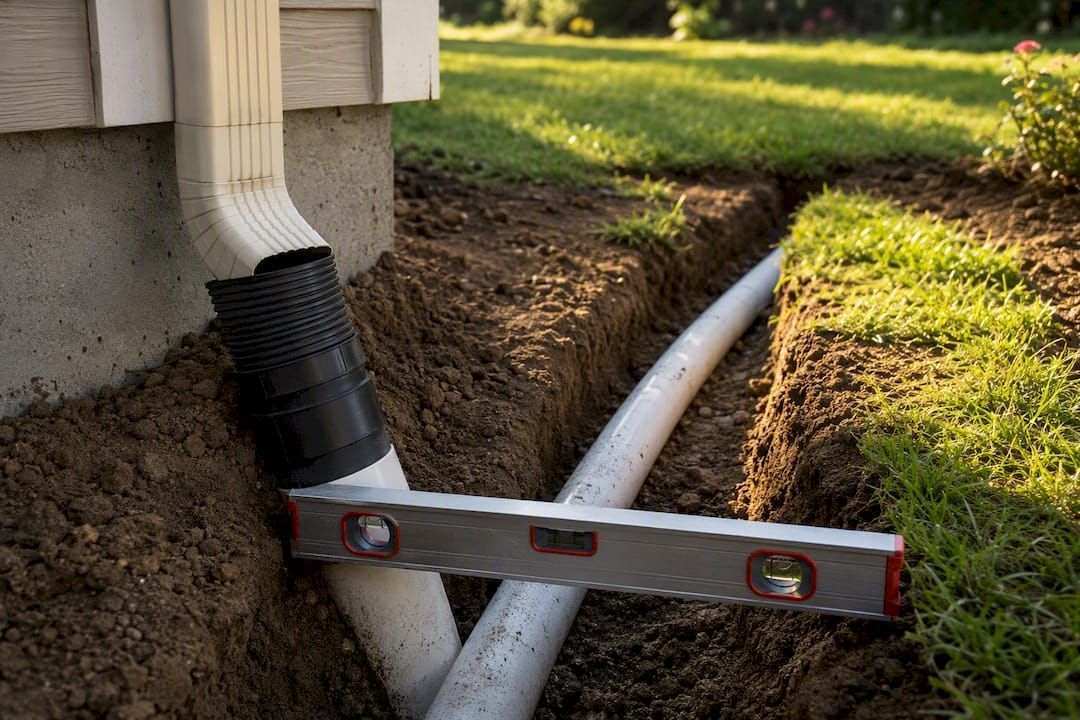
- Gutters and drainage: blockages, slope issues, and downspout termination points
- Structural deck: visible sagging, rot, or deflection indicating substrate failure
- Attic interior: ventilation adequacy, moisture staining, and insulation condition
Each finding receives a condition rating. Inspectors organize findings using labels like Good, Fair, Poor, and Immediate Attention, giving you a clear picture of where your roof stands zone by zone. A finding rated "Immediate Attention" signals a risk of active water intrusion or structural compromise. A "Fair" rating means the component is functional but declining and needs monitoring.
The report also includes formal property metadata: the roof's age, material type, approximate square footage, slope, and the inspector's license or certification number. These formal property summaries serve as the baseline document for insurance claims, real estate disclosures, and capital expenditure planning. Without that metadata, a report carries little weight with an insurer or a buyer's attorney.

| Report Component | Purpose |
|---|---|
| Condition ratings (Good/Fair/Poor/Immediate) | Prioritize repairs by urgency |
| 20–60 location-referenced photos | Provide visual evidence for insurance and planning |
| Inspector credentials and date | Establish accountability and document baseline |
| Estimated remaining lifespan | Support capital budgeting and reserve studies |
| Itemized findings by roof zone | Guide repair sequencing and contractor scope |
Pro Tip: Ask your inspector whether the report references photos to a roof diagram. Location-specific photo evidence tied to a diagram carries far more weight in insurance claims and legal disclosures than photos without spatial context.
How do you read and interpret a roofing condition report?
Reading a roof inspection report correctly is the skill most property owners skip. The document is only useful if you understand what each severity category actually demands from you.
Most professional reports use three action tiers:
- Informational or Monitor: No immediate action required. The inspector flags the condition for tracking at the next inspection cycle.
- Repair: The component has deteriorated enough to warrant scheduled work within the next one to two years. Delaying increases the risk of secondary damage.
- Urgent or Immediate: Active failure risk. Water intrusion, structural movement, or complete material breakdown requires attention within weeks, not months.
High-quality reports categorize findings by urgency to support budgeting and prevent emergency repairs. That tiered structure lets you plan spending across fiscal years rather than reacting to the next rainstorm.
Northern California's climate adds specific context you need to factor in. The Sacramento Valley experiences intense summer heat followed by wet winters. That thermal cycling causes flashing sealants to expand and contract repeatedly, accelerating joint failure. A good roof maintenance report will call out these environmental stressors explicitly, not just note that a sealant looks cracked. Oversimplified pass/fail grading misses this context entirely. If your report does not explain why a finding matters in your local climate, push back.
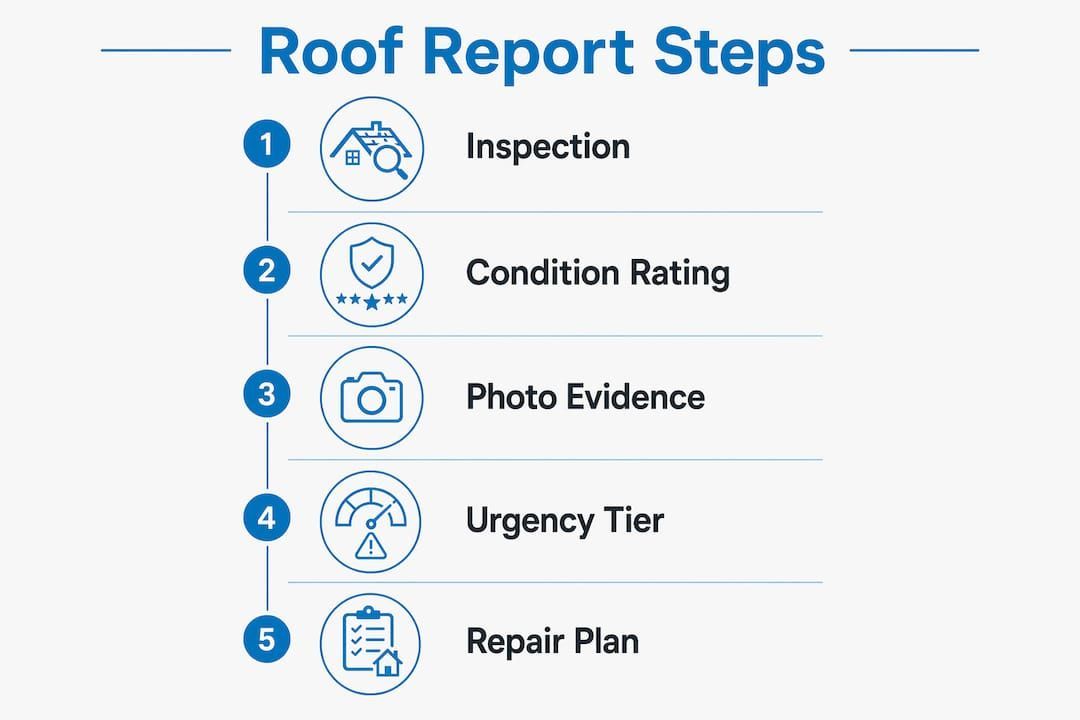
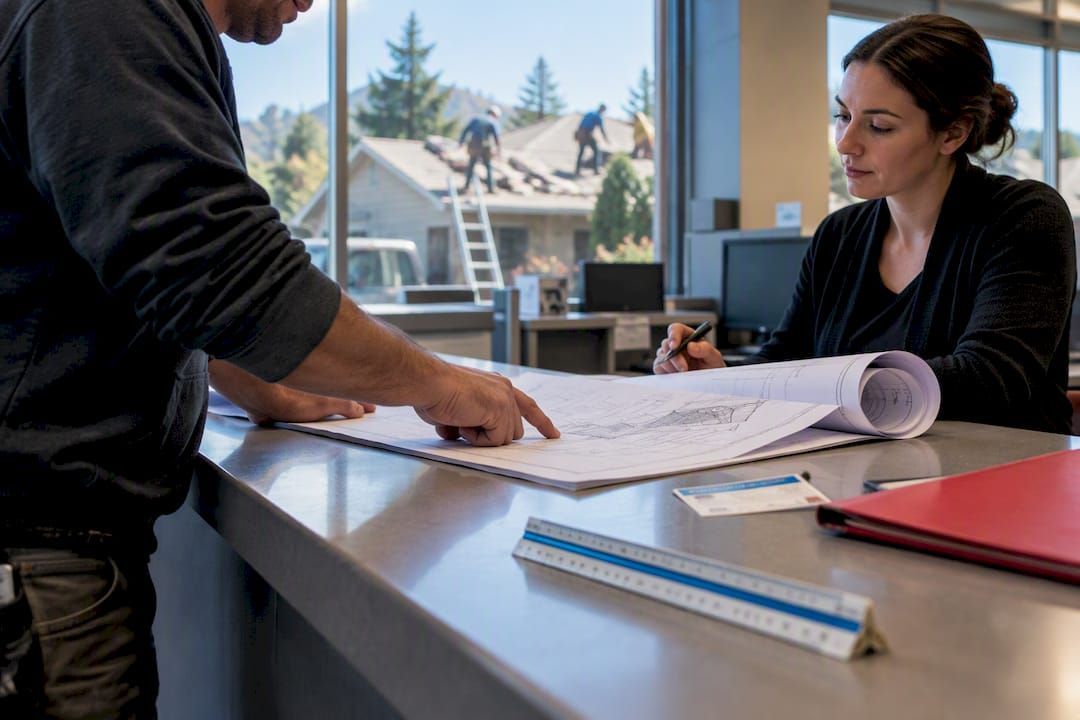
Photo references are non-negotiable for accurate interpretation. Condition reports require location-specific photo evidence referenced on roof diagrams to carry insurance and legal weight. A photo labeled "north slope, third row from ridge" tells you exactly where to look and gives your repair contractor a precise scope. A photo labeled only "shingle damage" tells you almost nothing actionable.
Pro Tip: When you receive a report, read the limitations section first. A credible inspector documents areas that were inaccessible, such as sections under solar panels or covered by debris. If a report has no limitations section, treat it with skepticism.
Ventilation findings deserve special attention in NorCal properties. Inadequate attic ventilation accelerates shingle aging and can void manufacturer warranties on products like GAF roofing systems. A thorough roof inspection checklist will flag ventilation deficiencies as a separate line item, not bundle them into a generic "attic" note.
Why do roofing condition reports matter for long-term asset management?
A roof condition assessment is a planning tool, not just a repair list. True condition reports act as a strategic roadmap for prioritizing repairs and budgeting, rather than a reactive spending guide. That distinction matters enormously for property managers overseeing multiple buildings or planning five-year capital budgets.
Here is how a professional roof inspection report integrates into your asset management workflow:
- Establish a baseline. The first report documents your roof's current state with dated, credentialed evidence. Every subsequent report measures change against that baseline.
- Feed your CapEx budget. Remaining lifespan estimates and repair timelines translate directly into reserve study line items. Your accountant and board can plan for a roof replacement three years out instead of scrambling when failure arrives.
- Support insurance claims. Insurers require documented evidence of pre-existing conditions versus storm damage. A report completed before a weather event protects you from claim denials.
- Strengthen real estate disclosures. Buyers and their attorneys increasingly request roof condition documentation. A credentialed report reduces liability and speeds transactions.
- Extend roof service life. Catching a failing flashing joint in year seven of a twenty-year roof's life costs a fraction of the water damage repair that follows two winters of neglect.
A roofing condition report is the difference between managing your roof and being managed by it. Property owners who schedule regular assessments spend on their terms. Those who skip them spend on the roof's terms, usually at the worst possible time and at the highest possible cost.
Categorizing findings by urgency supports capital expenditure planning and prevents costly emergency roof failures. A professional commercial roof maintenance program built around condition reports consistently outperforms reactive repair strategies on both cost and roof longevity.
Common mistakes property owners make with roofing condition reports
The most expensive mistake is confusing a free estimate with a condition report. Most property owners mistake free estimates for condition reports. A sales estimate tells you what a contractor wants to sell you. A condition report tells you what your roof actually needs, backed by documented evidence. These are fundamentally different documents with different purposes.
Other common errors include:
- Accepting minimal documentation. A single-page report with two photos is not a condition assessment. A credible roof inspection report runs 8–25 pages with 20–60 photographs.
- Skipping credential verification. Always confirm the inspector holds a current license or certification. In California, roofing contractors must hold a C-39 license issued by the Contractors State License Board (CSLB).
- Ignoring the environmental context section. NorCal-specific factors like UV exposure in the Central Valley, wildfire ash accumulation, and freeze-thaw cycles at higher elevations all affect roof performance. A report that ignores local conditions is incomplete.
- Filing the report and forgetting it. A roof condition assessment has a shelf life. Conditions change. Schedule follow-up inspections annually or after major weather events.
- Not sharing findings with your contractor. Hand your repair contractor the full report, not a verbal summary. The itemized findings and photos define the scope and prevent scope creep or missed items.
Pro Tip: Before hiring an inspector, ask to see a sample report. If the sample is fewer than eight pages, lacks photos tied to specific roof zones, or shows no inspector credentials, find a different provider. The right roofing contractor will always provide a thorough, transparent document.
Transparency via documenting inspection limitations enhances trust and accountability between inspector and property owner. A report that acknowledges what the inspector could not access is more credible, not less.
Key Takeaways
A roofing condition report is your roof's health record, and using it proactively is the single most cost-effective practice in property asset management.
| Point | Details |
|---|---|
| Definition and scope | A true report runs 8–25 pages, covers 30 inspection points, and includes 20–60 location-referenced photos. |
| Severity tiers guide action | Findings rated Urgent require immediate response; Repair findings support scheduled budgeting within one to two years. |
| Estimates are not reports | Free contractor estimates differ fundamentally from diagnostic condition reports backed by credentialed evidence. |
| NorCal context matters | Thermal cycling, UV exposure, and seasonal rain make local environmental context a required element of any credible report. |
| Reports enable CapEx planning | Remaining lifespan estimates and repair timelines feed directly into reserve studies and multi-year capital budgets. |
What I've learned about roofing reports after years in NorCal
By Cesar
After years of working with property owners across Northern California, the pattern I see most often is this: the owners who struggle most with roof costs are not the ones with the worst roofs. They are the ones with the least information. They react. They spend on emergencies. They replace roofs ten years early because they never caught the flashing failure that let water destroy the deck underneath.
A thorough roof condition assessment changes that dynamic completely. When you have a credentialed, documented report in hand, you negotiate from a position of knowledge. You know which repairs are urgent and which can wait. You know what your roof's remaining lifespan looks like. You can plan NorCal roof maintenance the same way you plan any other capital expense: with data, timelines, and a budget.
The gap I observe most among property managers is not in their willingness to maintain their roofs. It is in their understanding of what a real report looks like versus a sales visit dressed up as an inspection. Once you know the difference, you make better decisions every time. Demand the full document. Verify the credentials. Read the limitations section. Your roof will reward you for it.
— Cesar
Shieldguardroofing's roof inspection services in Northern California
Shieldguardroofing has served property owners and managers across Northern California for decades, bringing over 75 combined years of roofing experience to every inspection and repair project.
When you schedule a roof inspection with Shieldguardroofing, you receive a professional condition report with itemized findings, location-referenced photos, and clear repair timelines, not a one-page sales pitch. The team works with premium materials from GAF and Brava Roofing and holds the credentials and local knowledge to assess NorCal roofing systems accurately. Whether you need residential roofing in Sacramento or a full commercial roofing assessment, Shieldguardroofing delivers the transparent, thorough documentation your property deserves. Contact the team today to schedule your inspection.
FAQ
What is a roofing condition report?
A roofing condition report is a formal, documented assessment of a roof's physical state, covering defects, condition ratings, estimated remaining lifespan, and prioritized repair recommendations. It differs from a contractor estimate by providing evidence-based findings rather than a sales proposal.
How long does a professional roof inspection report take to complete?
A professional roof inspection in Northern California typically lasts 75–180 minutes depending on roof size and complexity, with the written report delivered shortly after. The final document runs 8–25 pages and includes 20–60 photographs.
How often should property owners get a roof condition assessment?
Property owners should schedule a roof condition assessment at least once per year, plus after any major weather event such as a hailstorm, heavy wind, or wildfire. Annual assessments create a documented baseline that supports insurance claims and capital planning.
What is the difference between a roof inspection report and a free estimate?
A roof inspection report is a diagnostic health record with credentialed findings, photos, and repair timelines. A free estimate is a sales document that tells you what a contractor proposes to sell, not necessarily what your roof actually needs.
What credentials should a roof inspector have in California?
In California, roofing contractors must hold a C-39 license issued by the Contractors State License Board (CSLB). Always verify the inspector's license number before accepting a condition report as credible documentation for insurance or capital planning purposes.
Recommended