TPO Roofing Benefits for Commercial Properties in NorCal
TPO Roofing Benefits for Commercial Properties in NorCal
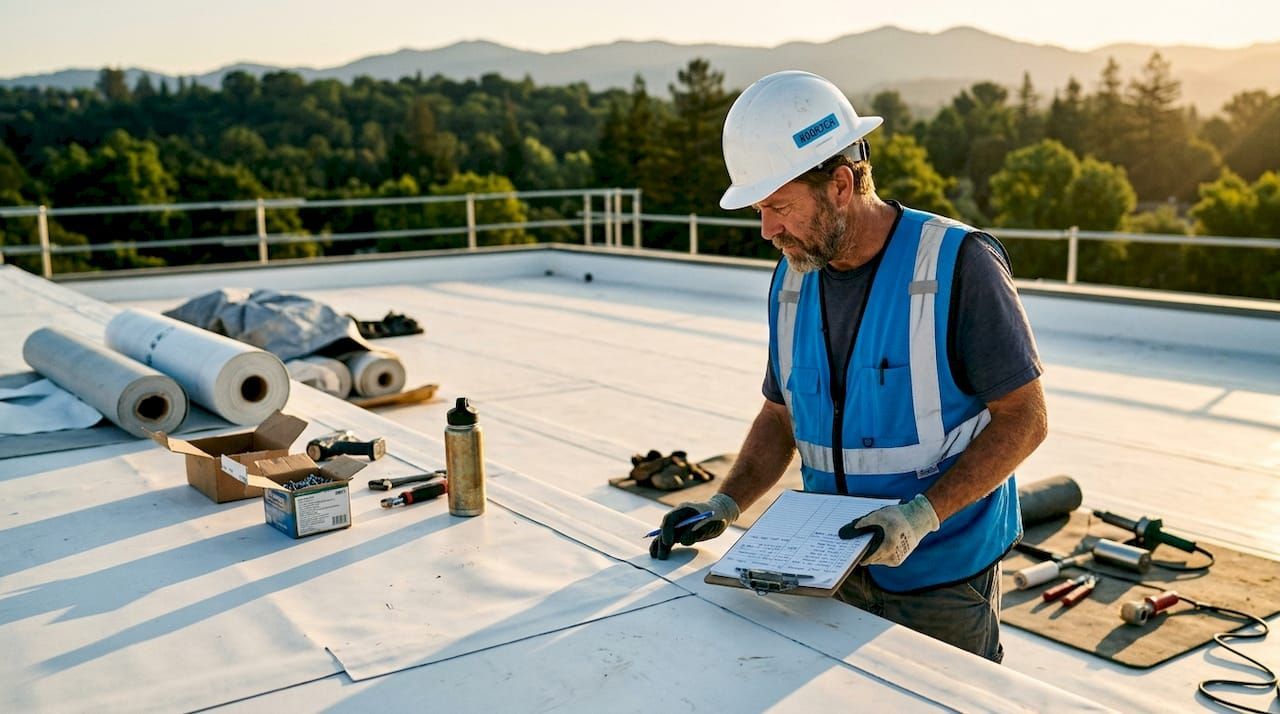
Thermoplastic polyolefin (TPO) roofing is defined as a single-ply membrane system that delivers superior energy efficiency, durability, and cost savings for commercial buildings. The benefits of TPO roofing commercial property owners value most are its reflective white surface, heat-welded seams, and a service life that regularly reaches 20–30 years. For property managers and business owners across Northern California, where cooling costs run high and energy codes grow stricter each year, TPO is one of the most practical roofing investments available. Shieldguardroofing has installed and maintained TPO systems across NorCal and seen firsthand how the right membrane protects both the building and the bottom line.
1. How does TPO roofing improve energy efficiency?
TPO's white membrane is its most immediate financial weapon. White TPO reflects 79–87% of solar radiation and achieves a thermal emittance of 92%, which directly reduces the cooling load on your HVAC system. That performance exceeds ENERGY STAR requirements, making TPO one of the few roofing materials that qualifies for the program without additional coatings.
The financial impact is concrete. Energy cost savings with a reflective TPO roof range from $0.10 to $0.30 per square foot annually, depending on climate and building usage. In Sacramento and the Central Valley, where summer temperatures routinely exceed 100°F, those savings add up fast across a large commercial footprint.
TPO also supports compliance with California's Title 24 energy code, which mandates cool roof performance for most commercial re-roofing projects. Meeting Title 24 through your roofing choice, rather than through expensive mechanical upgrades, is a straightforward way to control project costs.
- Solar reflectance: 79–87% (exceeds ENERGY STAR threshold)
- Thermal emittance: 92%
- Cooling load reduction: 10–15% in commercial buildings
- Annual energy savings: $0.10–$0.30 per square foot
- Utility rebates available through PG&E and SMUD for qualifying cool roofs
Pro Tip: Contact your utility provider before installation. PG&E and SMUD both offer rebate programs for ENERGY STAR-rated cool roofs, and the paperwork is straightforward when your contractor documents the membrane specs at installation.
2. What makes TPO roofing durable and long-lasting?
TPO membranes are made from a blend of polypropylene and ethylene-propylene rubber. That combination gives the membrane flexibility in cold weather and resistance to UV degradation, ozone, and chemical exposure. It is a material built to handle the temperature swings that Northern California buildings experience between winter nights and summer afternoons.
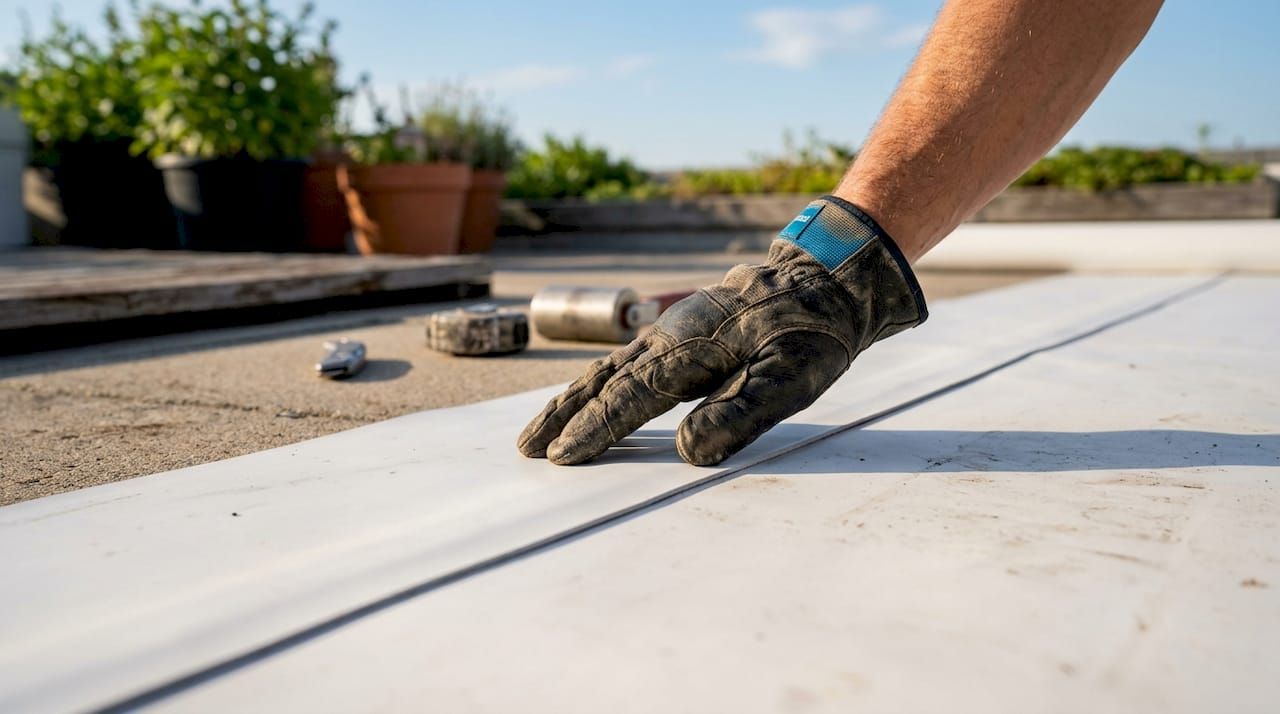
The defining durability feature is the heat-welded seam. Hot-air welding at 900–1,100°F fuses membrane sheets into a single, watertight bond. That bond resists wind uplift and mechanical stress better than adhesive seams, which can peel over time as adhesives age and thermal cycling stresses the joint.
Membrane thickness is the other major durability variable. Standard commercial installations use 45 mil, 60 mil, or 80 mil membranes. Thicker membranes resist punctures from foot traffic and debris, and they carry longer manufacturer warranties. For high-traffic rooftops with HVAC equipment, 60 or 80 mil is the right specification.
- 45 mil: Entry-level, suitable for low-traffic roofs with limited equipment
- 60 mil: Standard commercial specification, balances cost and durability
- 80 mil: Heavy-duty, recommended for rooftops with frequent maintenance access
Pro Tip: When reviewing bids, confirm the membrane thickness in writing. Some contractors default to 45 mil to lower the bid price. Specifying 60 mil minimum in your contract protects you from that substitution.
3. What are the cost advantages of TPO roofing?
Installed cost for TPO commercial roofing typically ranges from $4.50 to $9.50 per square foot, making it 20–30% less expensive than PVC roofing. That gap matters on large commercial roofs where even a $1.00 per square foot difference translates to tens of thousands of dollars on a 30,000-square-foot building.
The lifecycle cost picture is even stronger. TPO's heat-welded repairs produce a bond with monolithic strength equal to the original membrane. That means repairs are durable and cost-effective, not temporary patches that fail in the next rain event. Emergency repair calls are less frequent, and when repairs are needed, they cost less than repairs on systems that rely on adhesives or coatings.
Insurance savings add another layer of financial return. TPO roofing can lower insurance premiums by 5–15% and reduce wind and hail deductibles. Compliance documentation and a manufacturer warranty are the keys to unlocking those reductions, so keep your installation records organized.
Property value is the final cost factor most managers overlook. A commercial roof replacement with TPO can increase market value by $150,000–$200,000 on a $2M building, driven by improved asset condition and the transferable warranty. Appraisers using the cost approach factor roof condition directly into their valuations.
For a full breakdown of how roofing material choice affects your total project budget, the commercial roof cost factors guide from Shieldguardroofing walks through each line item in detail.
4. How does TPO roofing support sustainability goals?
TPO is one of the cleanest single-ply membranes on the market from an environmental standpoint. TPO membranes contain no chlorine, plasticizers, or heavy metals, which eliminates the toxic byproducts associated with PVC manufacturing and disposal. At end of service life, TPO can be recycled rather than sent to a landfill.
That environmental profile translates directly into LEED credits. TPO contributes to LEED points under the Energy and Atmosphere category through its cool roof performance, and under Materials and Resources through its recyclability. For commercial properties pursuing LEED certification or reporting on ESG metrics, TPO is a straightforward choice.
California's energy codes are tightening every three years under the Title 24 update cycle. TPO's reflective performance keeps your building ahead of those requirements without requiring retrofits. That future-proofing has real value as regulatory pressure on commercial buildings increases.
- No chlorine, plasticizers, or heavy metals in the membrane
- Recyclable at end of service life
- Contributes to LEED Energy and Atmosphere credits
- Reduces urban heat island effect through high solar reflectance
- Compliant with California Title 24 cool roof requirements
Pro Tip: If your company publishes an annual sustainability report, ask your roofing contractor for the membrane's Environmental Product Declaration (EPD). It documents the lifecycle environmental impact and gives your sustainability team credible data to report.
5. What installation factors determine TPO roof performance?
The membrane itself is only half the equation. How it gets installed determines whether you get 15 years or 30 years out of the system. Membrane thickness, attachment method, and installer certification must all be specified in the contract before work begins.
Attachment method is a decision with long-term consequences. Mechanically attached systems use fasteners and plates to secure the membrane to the deck. They are faster to install and cost less upfront. Fully adhered systems bond the membrane directly to the insulation layer, which eliminates flutter under wind uplift and produces a quieter, more stable roof. For buildings in high-wind zones or with sensitive interior uses, fully adhered is worth the added cost.
Certified installer status is non-negotiable for warranty eligibility. Manufacturer-certified contractors provide access to no-dollar-limit (NDL) warranties covering 20 or more years. A non-certified installer may offer a lower bid, but you lose the warranty protection that makes TPO a sound long-term investment. The Shieldguardroofing contractor selection checklist covers exactly what to verify before signing a contract.
- Specify membrane thickness (60 mil minimum for most commercial applications)
- Define attachment method in writing: mechanically attached or fully adhered
- Confirm installer holds current manufacturer certification
- Require documentation of insulation R-value and deck condition assessment
- Include a post-installation inspection clause in the contract
6. How does TPO roofing perform over its full service life?
Properly maintained TPO roofs retain most of their reflective properties over their 20–30 year service life, which means the energy savings you calculate at installation remain consistent year after year. That consistency is what separates TPO from coated systems, where reflectance degrades as the coating wears and requires reapplication.
Maintenance is straightforward. Twice-yearly inspections, basic cleaning to remove dirt and debris from the membrane surface, and prompt attention to any punctures or seam issues keep the system performing at full capacity. Think of it the way you think about an HVAC system: scheduled service prevents the expensive emergency calls.
TPO's heat-welded repair method is a practical advantage over the full service life. Any puncture or seam issue can be repaired with the same hot-air welding process used during installation, producing a repair that is as strong as the original membrane. That repairability keeps lifecycle costs low and avoids the premature replacement cycles that plague lower-quality systems.
For a structured maintenance program, Shieldguardroofing's commercial roof maintenance service covers scheduled inspections, cleaning, and repair documentation for TPO roofs across Northern California.
Key Takeaways
TPO roofing is the most cost-effective, energy-efficient, and durable single-ply membrane available for commercial properties in Northern California's cooling-dominated climate.
| Point | Details |
|---|---|
| Energy savings are immediate | White TPO reflects 79–87% of solar radiation, cutting cooling costs by 10–15% from day one. |
| Lifespan reaches 20–30 years | Heat-welded seams and proper membrane thickness drive long service life and low repair costs. |
| Installed cost is 20–30% below PVC | TPO delivers lower upfront cost with stronger lifecycle ROI than most single-ply alternatives. |
| Sustainability credentials are real | No chlorine, no plasticizers, recyclable at end of life, and LEED-credit eligible. |
| Installer certification protects your investment | Only manufacturer-certified contractors unlock NDL warranties covering 20 or more years. |
What I've learned about TPO roofing after years in the field
Most property managers treat a roof replacement as a maintenance expense to minimize. That framing costs them money. A TPO roof, specified and installed correctly, is a capital asset that pays dividends through lower energy bills, reduced insurance premiums, and a higher appraised building value.
The mistake I see most often is under-specifying membrane thickness. A contractor bids 45 mil to win the job, the property manager approves it without question, and five years later the roof shows wear from foot traffic that 60 mil would have handled without issue. The savings on the original bid disappear in repair costs and a shortened service life.
The second mistake is skipping the certified installer requirement. I understand the appeal of a lower bid. But a non-certified installation voids the manufacturer warranty, and that warranty is worth real money over 20 years. Owners who factor in insurance savings, energy savings, and property value increases find payback periods within 8–12 years. That math only works when the installation is done right.
Treat your TPO roof like the long-term investment it is. Specify the right membrane, hire a certified contractor, and schedule inspections twice a year. That approach turns a roofing decision into a building performance advantage.
— Cesar
Shieldguardroofing's commercial TPO roofing services in Northern California
Shieldguardroofing brings over 75 years of combined roofing experience to every commercial project across Northern California. The team installs TPO roofing systems with manufacturer certification, which means every project qualifies for no-dollar-limit warranty coverage and meets California's Title 24 energy code requirements.
Property managers working with Shieldguardroofing get a full consultation that covers membrane specification, attachment method, insulation assessment, and a written estimate with no surprises. Whether you manage a single commercial building or a portfolio of properties, the team provides the documentation and workmanship your investment requires. Contact Shieldguardroofing through the commercial roofing services page to schedule your consultation and get a project-specific estimate.
FAQ
What is the lifespan of a TPO commercial roof?
A correctly installed TPO roof lasts 20–30 years. Membrane thickness, installer certification, and twice-yearly maintenance inspections are the primary factors that determine where in that range your roof lands.
How much does TPO roofing cost per square foot?
Installed TPO roofing costs $4.50–$9.50 per square foot for commercial buildings. Final pricing depends on site access, deck condition, insulation requirements, and membrane thickness specified.
Does TPO roofing qualify for ENERGY STAR certification?
Yes. White TPO membranes exceed ENERGY STAR solar reflectance and thermal emittance thresholds, making them eligible for the program and for utility rebates offered by providers like PG&E and SMUD in Northern California.
Can TPO roofing qualify for tax deductions?
Commercial roof replacements with ENERGY STAR-qualified TPO membranes may qualify for Section 179D tax deductions, allowing immediate deduction of part of the investment. Consult a tax advisor to confirm eligibility for your specific project.
How does TPO compare to other single-ply membranes?
TPO costs 20–30% less than PVC and outperforms EPDM in cooling-dominated climates due to its reflective white surface. For a detailed material comparison, Shieldguardroofing's guide covers the key performance and cost differences.
Recommended