Why Annual Roof Inspections Matter for NorCal Homes
Why Annual Roof Inspections Matter for NorCal Homes
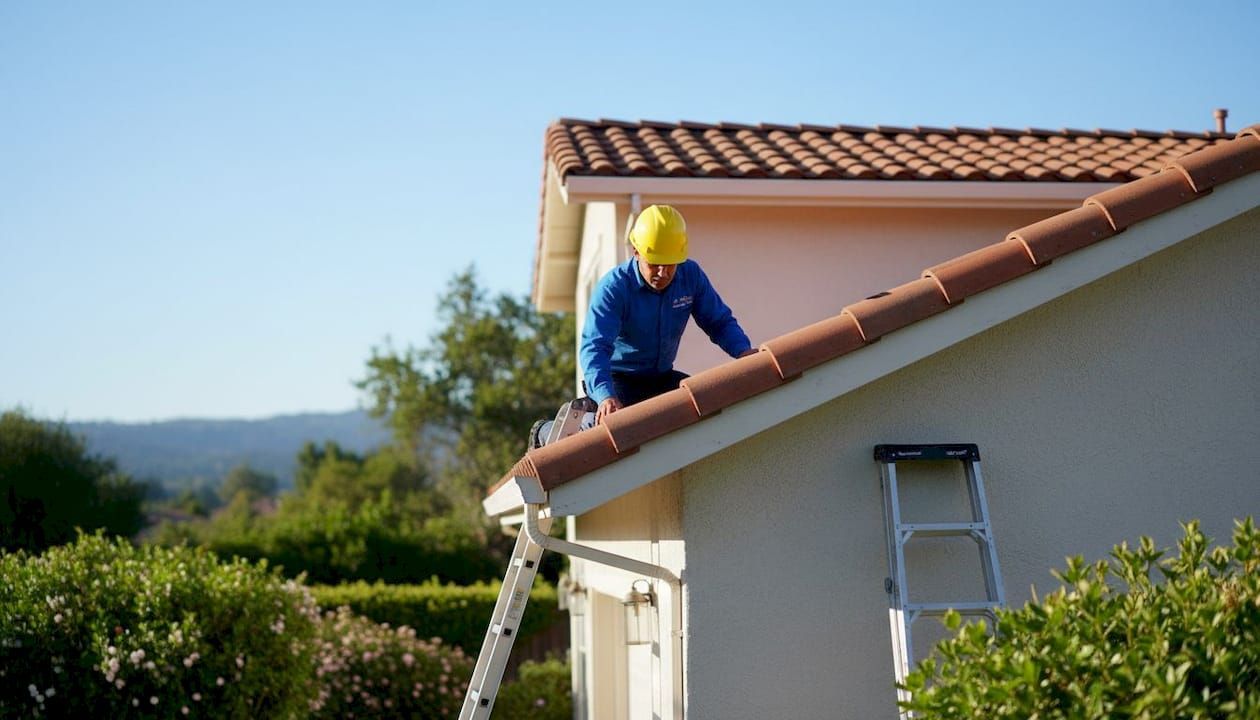
Annual roof inspections are the most effective way to catch hidden damage early, prevent expensive repairs, and protect your property's long-term value. In Northern California, where summer UV exposure, wildfire smoke, and heavy winter rains stress roofing systems year-round, a professional preventive roof evaluation is not optional. It is the foundation of responsible property ownership. The National Roofing Contractors Association (NRCA) recommends at least one inspection per year for most roofs, with increased frequency as a roof ages. Shieldguardroofing has seen firsthand how a single missed inspection can turn a $300 repair into a $30,000 replacement.
Why annual roof inspections matter more than most homeowners think
Most homeowners assume no visible leaks means the roof is fine. That assumption is wrong, and it costs people thousands of dollars every year. Damage often starts hidden and worsens unnoticed until it becomes serious. By the time a ceiling stain appears, the insulation, roof decking, and structural framing underneath may already be compromised.
Think of your roof like a car. You do not wait for the engine to fail before changing the oil. Regular preventive roof care works the same way. A professional inspection catches small problems before they grow into structural failures.

The annual roof check is the industry's standard term for what most homeowners call a "roof inspection." Both refer to the same process: a qualified contractor examines every component of your roofing system on a scheduled basis to document its condition and flag anything that needs attention.
What key issues do annual roof inspections detect?
A professional inspection covers far more than a quick look at shingles. Trained inspectors examine every layer of your roofing system, including areas you cannot see from the ground or from inside your home.
Common problems found during inspections include:
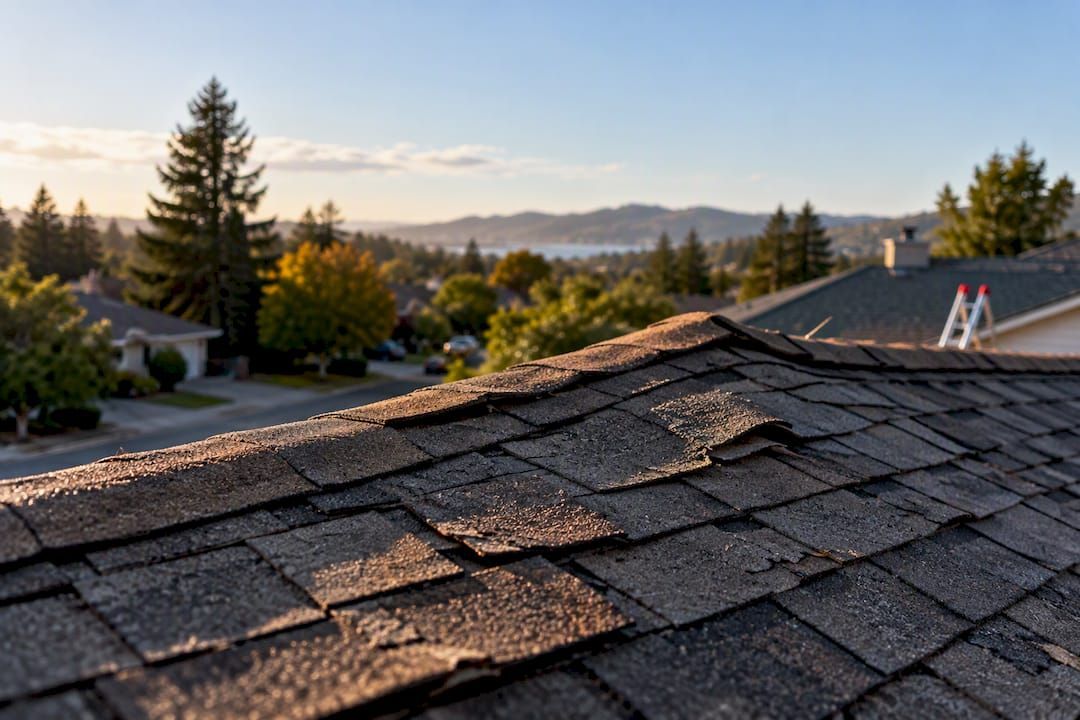
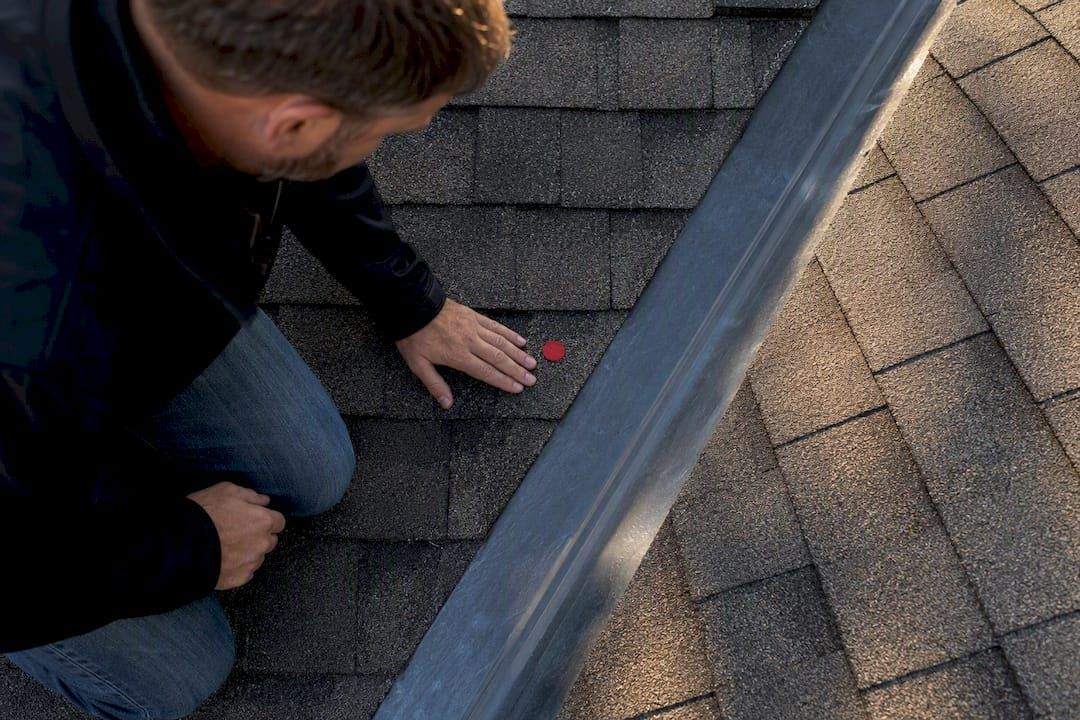
- Shingle damage: Cracked, curling, or missing shingles expose the underlayment to moisture and UV degradation.
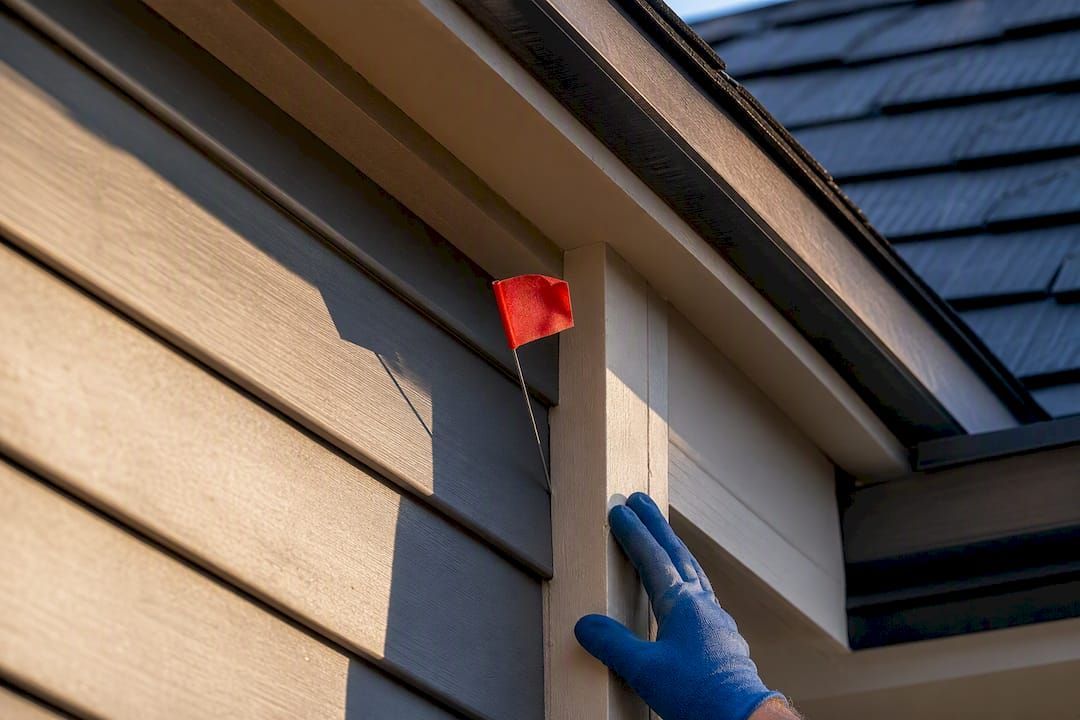
- Flashing failures: Metal flashing around chimneys, skylights, and vents pulls away over time, creating direct water entry points.
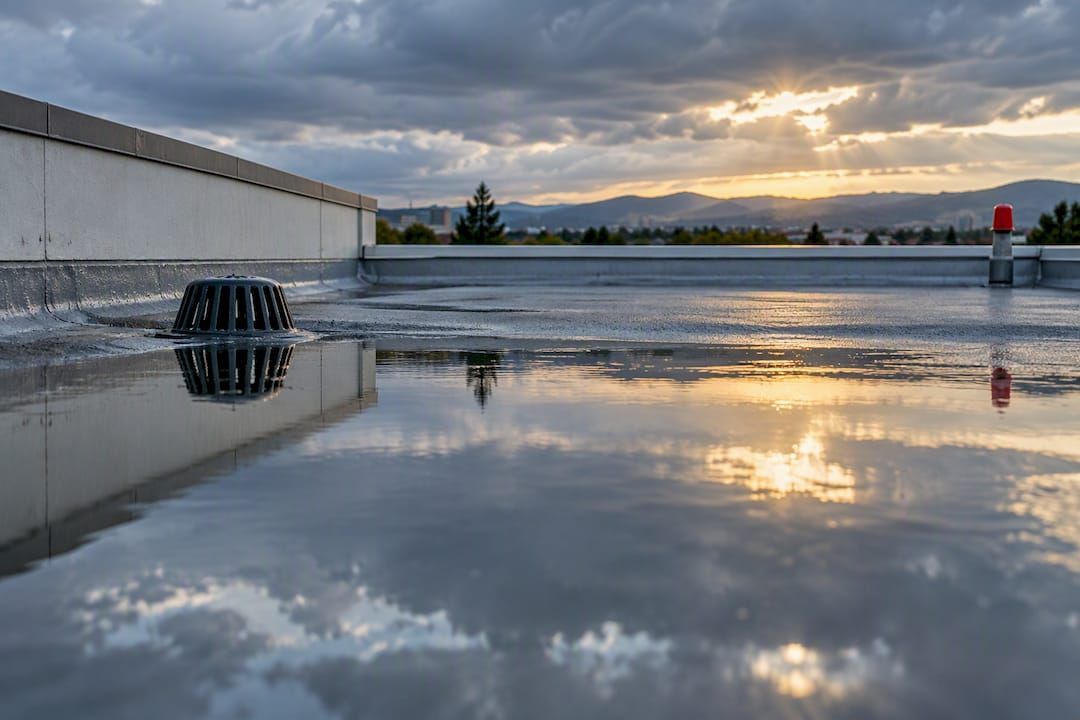
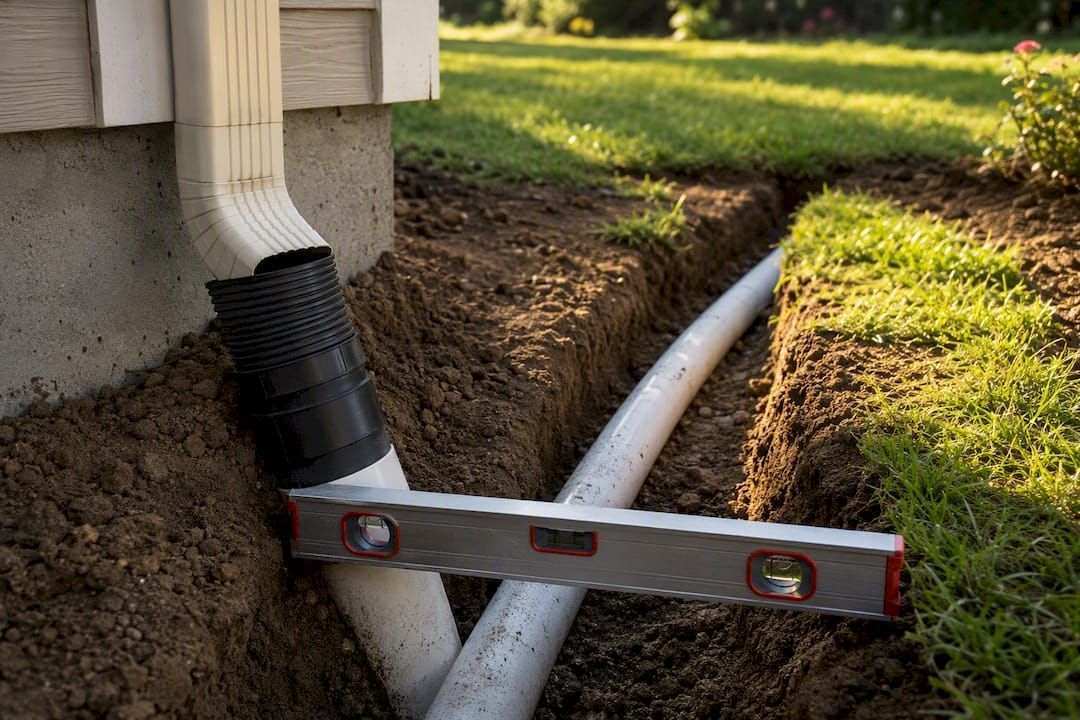
- Drainage problems: Clogged or misaligned gutters trap water against the fascia and cause rot. Shieldguardroofing's gutter and drainage services address exactly this type of issue.
- Hidden moisture intrusion: Water can travel several feet from its entry point before showing up as a stain. Infrared scanning detects moisture pockets invisible to the naked eye.
- Attic ventilation issues: Poor ventilation traps heat and moisture, accelerating shingle deterioration from the inside out.
Northern California's climate creates specific wear patterns. Summer heat and UV exposure dry out roofing materials and cause shingles to crack. Winter rains then exploit those cracks. Wildfire smoke deposits acidic residue that degrades sealants over time. These regional stressors make the annual roof evaluation more urgent here than in milder climates.
Pro Tip: After any windstorm with gusts above 60 mph, walk your property and look for shingle granules collecting in gutters or downspout splash blocks. Granule loss is one of the earliest visible signs you need a roof inspection.
How do annual roof inspections save money?
The financial case for regular inspections is clear. Proactive roof maintenance costs 1–3% of the roof's value annually, while reactive repairs can cost ten times more. That gap compounds quickly over a roof's lifespan.
Minor repairs identified during inspections typically cost between $100 and $500. Ignoring those same issues can lead to full replacements costing $10,000 to $50,000 or more. No homeowner or property manager plans to spend that kind of money, but deferred maintenance makes it inevitable.
Documented roof maintenance history is one of the most underused financial tools available to property owners. Insurance companies and appraisers both reward it. Verified inspection reports can boost property appraisal value by about 15% and create the paper trail needed to support insurance claim approvals.
The table below shows how inspection costs compare to the cost of ignoring common problems:
| Issue found during inspection | Typical repair cost | Cost if ignored |
|---|---|---|
| Cracked flashing | $150–$400 | $3,000–$8,000 (water damage) |
| Missing shingles (1–3) | $100–$300 | $5,000–$15,000 (deck rot) |
| Clogged gutters | $100–$200 | $2,000–$6,000 (fascia and soffit rot) |
| Minor attic moisture | $200–$500 | $10,000–$30,000 (mold, framing) |
The numbers make the case on their own. Scheduling a professional roof inspection once a year is one of the lowest-cost, highest-return maintenance decisions you can make.
How often should Northern California roofs be inspected?
Roof inspection frequency depends on your roof's age, material, and recent weather exposure. The NRCA provides clear guidance that most homeowners are not aware of.
- Annual inspections for most roofs. Schedule one professional inspection per year, ideally in late autumn before Northern California's rainy season begins.
- Biannual inspections after 15 years or 75% of lifespan. Roofs past 75% of their expected lifespan need spring and fall inspections. Wear accelerates in the final years, and problems multiply faster.
- Post-storm inspections within 72 hours. Claims filed outside a 72-hour window after a major weather event often face denial or increased scrutiny from insurance carriers. Schedule an inspection immediately after any storm with high winds or hail.
- Late-autumn timing for NorCal properties. Late autumn inspections catch UV damage and summer wear before the rainy season arrives. Emergency mid-winter repairs are both costlier and riskier than planned autumn work.
- After any major tree or debris impact. Even a single large branch can crack decking or dislodge flashing without leaving an obvious exterior mark.
Pro Tip: Property managers overseeing multiple buildings should stagger inspection schedules across september, october, and november. This avoids contractor availability crunches and gives you time to complete repairs before the first major rain.
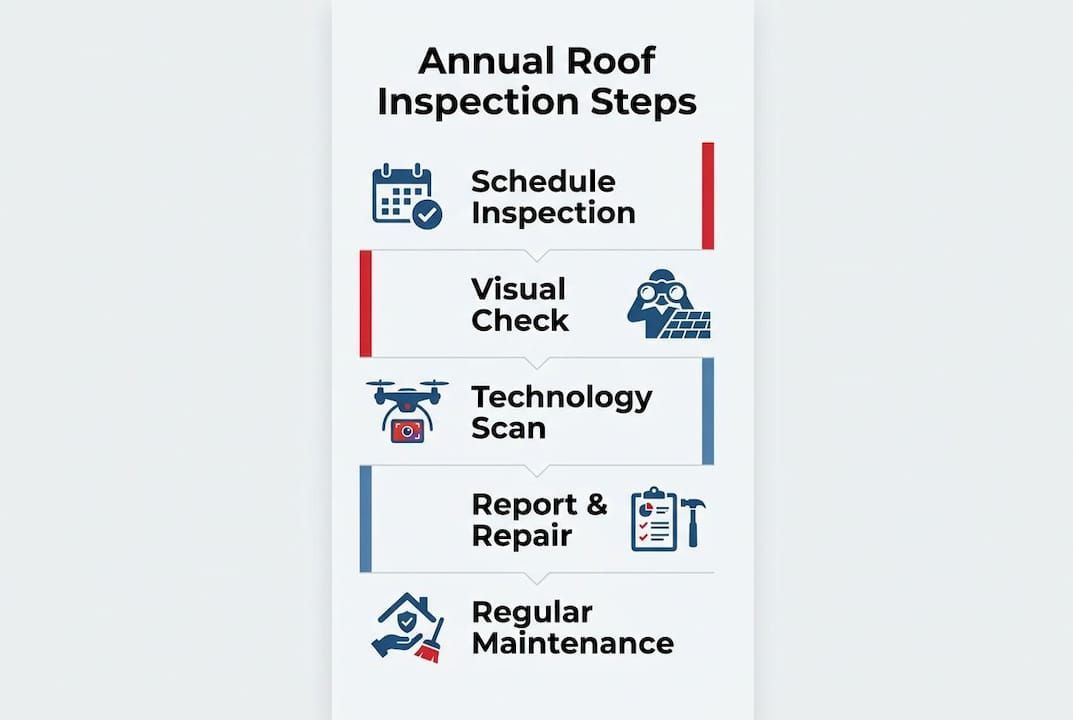
What does a professional roof inspection involve?
A professional inspection covers every component of your roofing system in a structured sequence. Understanding the process helps you evaluate what you are paying for and why it is worth more than a DIY walk-around.
Visual inspection areas
A qualified inspector examines shingles for cracking, curling, and granule loss. They check all flashing points at chimneys, vents, skylights, and wall transitions. Gutters and downspouts get checked for blockages, sagging, and proper slope. The attic interior is examined for moisture staining, insulation compression, and ventilation airflow.
Technology-assisted diagnosis
Drone imaging and infrared scanning detect hidden moisture and structural issues that visual checks miss entirely. Infrared cameras identify temperature differentials caused by wet insulation or trapped moisture under the membrane. Drone imaging allows safe inspection of steep or high-pitch roofs without putting anyone at risk. These tools are standard practice for thorough professional inspections.
Documentation and reporting
Every professional inspection produces a written report with photographs. That report serves three purposes: it guides repair prioritization, it satisfies insurance carrier documentation requirements, and it builds the verified maintenance history that supports appraisal value. Insurance carriers require proof of documented maintenance to accept storm damage claims, especially as a roof ages.
DIY inspections miss hidden damage and carry real injury risk. Professional inspections typically range from $150 to $350, with additional costs for drone or infrared analysis. That fee is a fraction of what a single missed problem costs to fix. For property managers, the commercial roof inspection checklist Shieldguardroofing provides is a practical starting point for understanding what a thorough inspection covers.
Key Takeaways
Annual roof inspections are the single most cost-effective maintenance action a Northern California homeowner or property manager can take to prevent structural damage and protect property value.
| Point | Details |
|---|---|
| Early detection saves money | Minor repairs cost $100–$500; ignored damage leads to replacements costing $10,000–$50,000 or more. |
| Inspection frequency matters | Most roofs need annual checks; roofs past 75% lifespan need biannual inspections per NRCA guidance. |
| Timing is critical in NorCal | Late-autumn inspections catch summer UV wear before winter rains arrive, reducing emergency repair risk. |
| Documentation has financial value | Verified inspection reports can boost appraisal value by about 15% and support insurance claim approvals. |
| Professional beats DIY | Drone imaging and infrared scanning detect hidden moisture that visual checks and DIY walkarounds miss. |
What 25 years of roofs taught me about skipping inspections
I have been on thousands of roofs across Northern California. The pattern I see most often is not neglect. It is optimism. Homeowners look up, see no obvious damage, and conclude everything is fine. That assumption is the most expensive mistake in residential property maintenance.
The roofs that cost owners the most money are never the ones that failed suddenly. They are the ones that failed slowly, invisibly, over three or four years of skipped inspections. A small flashing gap lets in moisture every winter. The decking softens. The insulation compresses. By the time the ceiling shows a stain, you are not looking at a $400 repair. You are looking at a gut-and-replace job.
What I tell every homeowner is this: your roof does not announce problems. It hides them. The only way to find them early is to look on a schedule, with the right tools, before the damage compounds. Late autumn is the right time for most NorCal properties. Get it done before the first major rain, document everything, and keep that report on file. Your insurance carrier will thank you, and your wallet will too.
The homeowners who get the most value from their roofs are the ones who treat inspections like oil changes. Not glamorous. Not urgent-feeling. But absolutely non-negotiable.
— Cesar
Shieldguardroofing keeps NorCal roofs protected year-round
Shieldguardroofing is a family-owned roofing company with over 75 combined years of experience serving homeowners and property managers across Northern California. The team specializes in roof inspections, repair, and maintenance using premium materials from GAF, GAF Energy, and Brava Roofing and Siding Products.
Whether you need a first-time inspection or want to establish a regular maintenance schedule, Shieldguardroofing delivers honest assessments and quality workmanship backed by industry-leading warranties. The residential roofing services page covers the full range of options available to NorCal homeowners. For repair needs identified during an inspection, the residential roof repairs team is ready to act quickly. Contact Shieldguardroofing today to schedule your annual inspection before the rainy season arrives.
FAQ
How often should a roof be inspected in Northern California?
Most roofs need one professional inspection per year, scheduled in late autumn before the rainy season. Roofs older than 15 years or past 75% of their expected lifespan need biannual inspections in spring and fall.
What are the signs you need a roof inspection right away?
Ceiling stains, granules collecting in gutters, visible cracked or missing shingles, and any storm with winds above 60 mph or hail are all signs you need a roof inspection immediately. Post-storm inspections should happen within 72 hours to protect insurance claim eligibility.
How much does a professional roof inspection cost?
Professional roof inspections typically range from $150 to $350, with additional fees for drone imaging or infrared scanning. That cost is far less than the $10,000 to $50,000 replacement bills that result from undetected damage.
Can I inspect my own roof instead of hiring a professional?
DIY inspections miss hidden moisture, flashing failures, and structural issues that require trained eyes and technology to detect. They also carry injury risk. A professional inspection produces a documented report that supports insurance claims and appraisal value.
Does a roof inspection help with insurance claims?
Yes. Insurance carriers require documented maintenance history to approve storm damage claims, especially on aging roofs. A verified annual inspection report creates the paper trail needed to support claims and can increase property appraisal value by about 15%.
Recommended