Types of Commercial Roof Coatings: 2026 Facility Guide
Types of Commercial Roof Coatings: 2026 Facility Guide
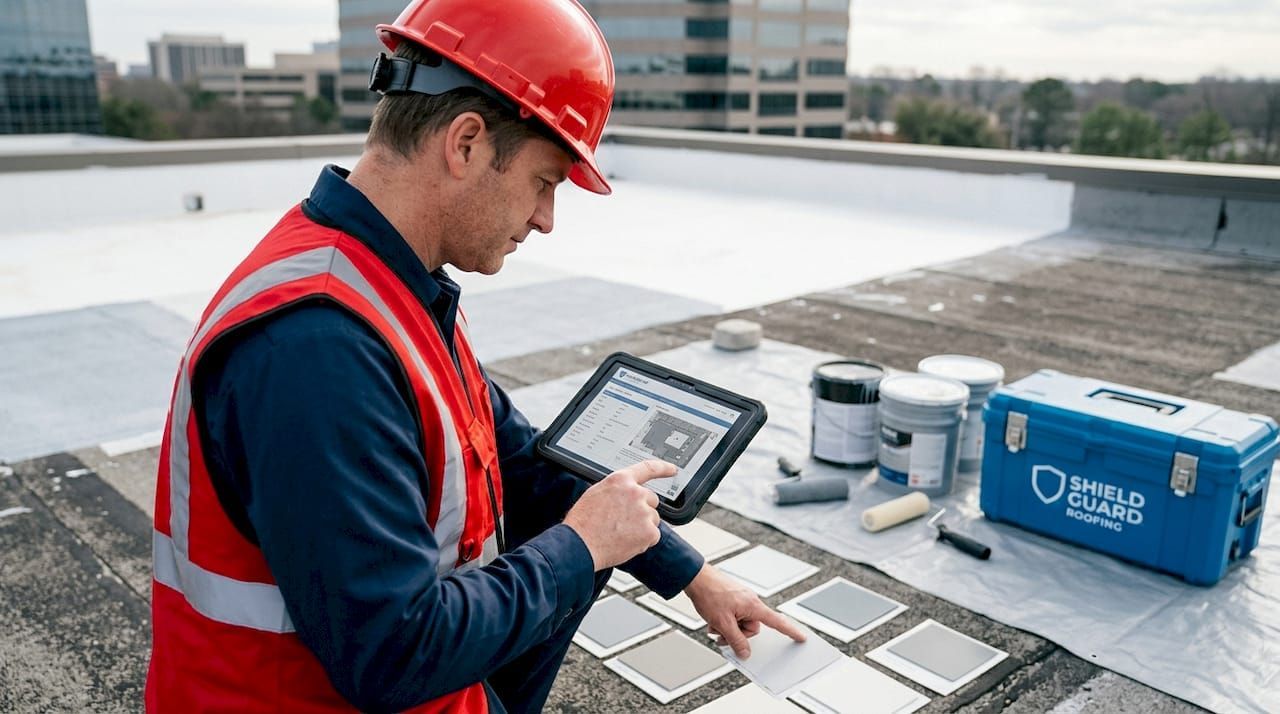
Commercial roof coatings are fluid-applied roofing products distinguished primarily by their chemistry, including acrylic, silicone, and polyurethane formulations, that deliver waterproofing, UV protection, and measurable energy savings to commercial buildings. Choosing the right coating is not a cosmetic decision. It determines how long your roof lasts, whether you qualify for utility rebates, and how well your building holds up against Northern California's heat and seasonal rain. This guide breaks down the main types of commercial roof coatings by chemistry, performance standards, cost, and real-world fit so you can make a confident, informed choice.
1. What are the main types of commercial roof coatings?
The main coating chemistries are acrylic, silicone, and polyurethane, each governed by separate ASTM test standards and suited to different roof conditions. Understanding these differences is the foundation of every smart coating decision.
Acrylic coatings are water-based elastomeric systems governed by ASTM D6083. They offer good solar reflectivity, low VOC content, and a cost-effective price point. Their main weakness is ponding water resistance. If your roof holds standing water for more than 48 hours, acrylic is not the right choice.
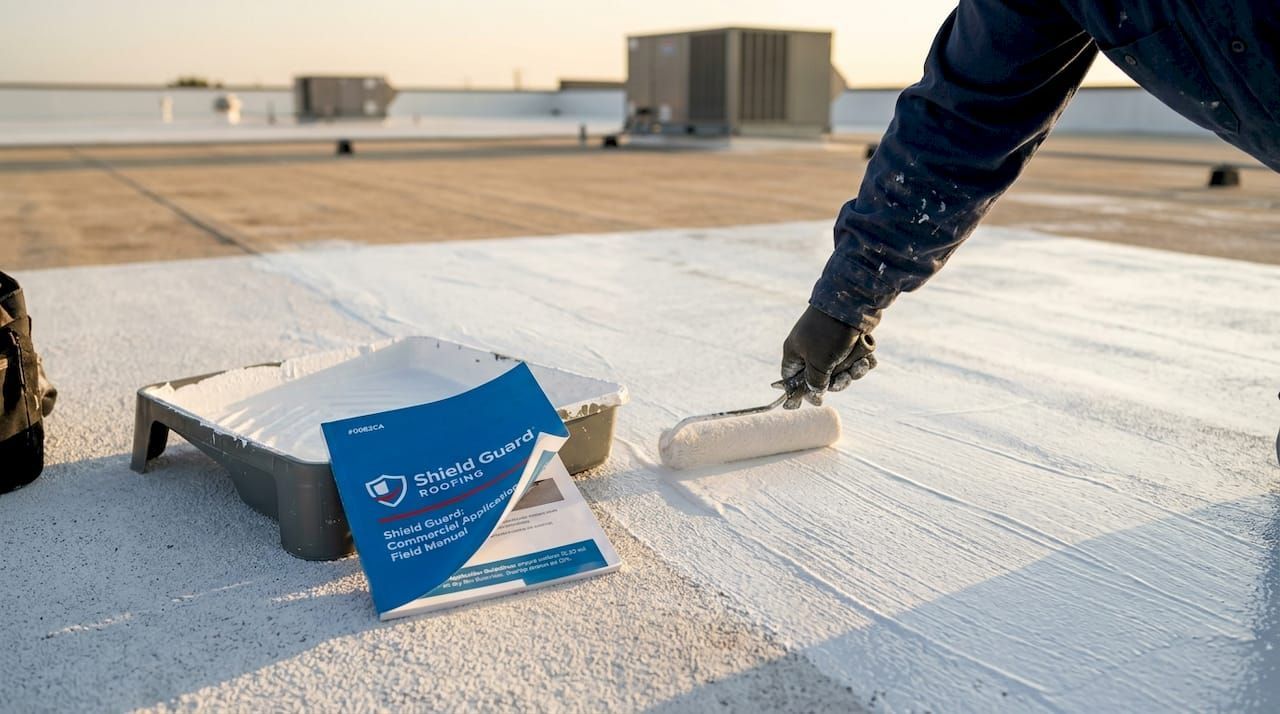
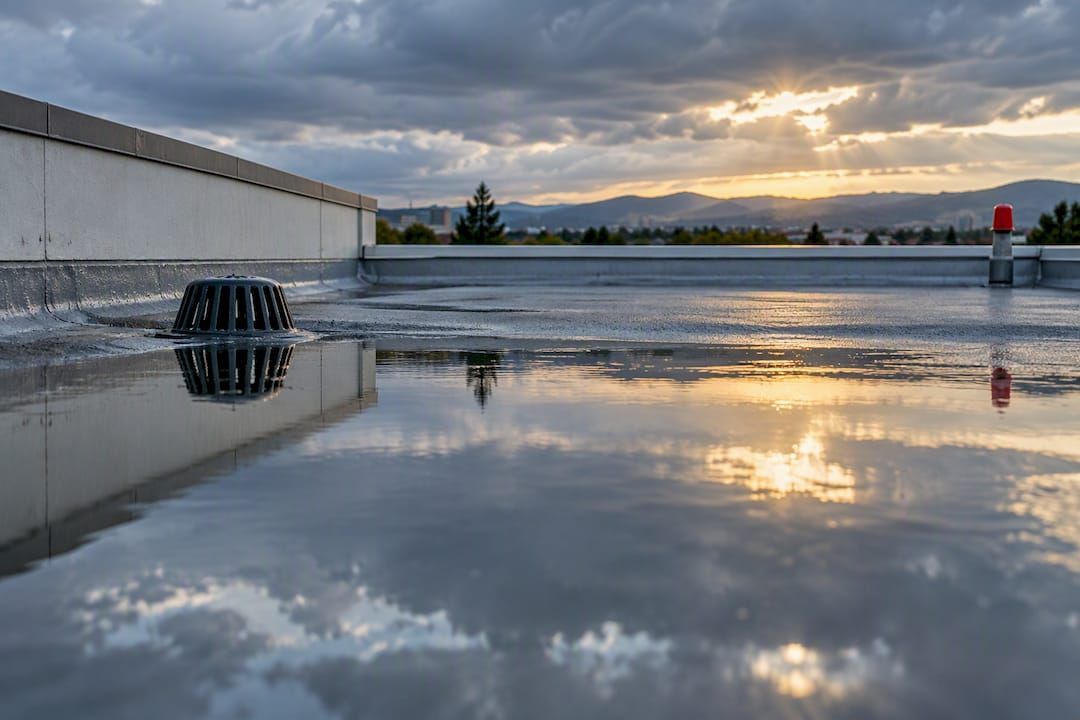
Silicone coatings are solvent-free systems governed by ASTM D6694. They excel in UV durability and ponding water resistance, making them the go-to option for low-slope flat roofs with drainage challenges. The tradeoff is that silicone surfaces attract dirt over time, which can reduce reflectance if the roof is not maintained.
Polyurethane coatings come in two forms: aromatic (base coat) and aliphatic (top coat), governed by ASTM D6947. Aromatic polyurethane provides excellent tensile strength and impact resistance. Aliphatic polyurethane resists UV yellowing and is typically applied as a finish coat over the aromatic base. Together, they form a tough, durable system well suited for high-traffic rooftop decks and metal roofs.
Other coating types include polyurea, butyl rubber, and aluminum-pigmented asphalt coatings. These serve niche applications but are less common in standard commercial restoration projects.
Pro Tip: Ask your contractor to specify which ASTM standard governs the product they are recommending. If they cannot name it, that is a red flag.
2. How commercial roof coatings impact energy efficiency
Cool roof performance is governed by two measurable properties: solar reflectance and thermal emittance. Solar reflectance is measured per ASTM C1549 and indicates how much sunlight the surface reflects. Thermal emittance is measured per ASTM C1371 and indicates how efficiently the roof releases absorbed heat. Together, these values determine the Solar Reflectance Index (SRI), which is the number energy codes and rebate programs use for compliance.
The CRRC aging test measures how a coating performs after three years of real-world exposure. This matters because a coating that starts white and reflective can degrade significantly from dirt, UV exposure, and weathering. Facility managers should always request aged CRRC data, not just initial ratings, before approving a coating product.
ENERGY STAR qualified coatings must meet minimum criteria: initial solar reflectance of 0.65 or higher, a 3-year aged reflectance of 0.50 or higher, and thermal emittance of 0.90 or higher. Coatings that fail the aged reflectance threshold may disqualify your building from utility rebate programs. That is real money left on the table.
| Coating Type | Initial Solar Reflectance | Aged Reflectance (3-yr) | Ponding Water Resistance |
|---|---|---|---|
| Acrylic | High (0.80+) | Moderate (dirt pickup) | Poor |
| Silicone | High (0.80+) | Good (low dirt adhesion) | Excellent |
| Polyurethane (aliphatic) | Moderate to High | Good | Moderate |
Pro Tip: Cool roof effectiveness is not about coating color alone. Always insist on CRRC-rated aged data rather than appearance claims from a sales rep.
3. ASTM standards and application requirements
The three primary ASTM standards for commercial roof coatings set minimum performance thresholds for tensile strength, elongation, water immersion resistance, and dry film thickness. Knowing these standards helps you verify that a product is genuinely rated for your conditions, not just marketed that way.
Here is a quick reference for each standard:
- ASTM D6083 (Acrylic): Minimum tensile strength of 100 psi, elongation of 100%, and water immersion without blistering. Dry film thickness typically ranges from 20 to 30 mils.
- ASTM D6694 (Silicone): Minimum tensile strength of 150 psi and water immersion without blistering. Silicone is recommended when water ponds on the roof for more than 48 hours. Dry film thickness typically ranges from 20 to 40 mils, sometimes higher for restoration projects.
- ASTM D6947 (Polyurethane): Covers both aromatic and aliphatic types. Aromatic base coats typically run 20 to 25 mils dry film thickness. Aliphatic top coats run 10 to 15 mils.
Achieving the rated dry film thickness is not optional. Contractors should use wet film gauges during application to verify proper build. Under-applying a coating by even a few mils can disqualify the roof from ENERGY STAR eligibility and void manufacturer warranties.
Substrate preparation is the single most common cause of coating failure. Active leaks, surface contamination, and primer incompatibility cause more failures than coating chemistry ever does. Resolve leaks, clean the surface thoroughly, and confirm primer compatibility before any coating goes down.
One more thing worth knowing about silicone: after curing, silicone has very low surface energy, which means only another silicone coating will adhere properly on recoating. If you apply silicone now, you are committing to silicone for future maintenance cycles unless you remove it entirely. Plan accordingly.
4. Cost, durability, and best use cases compared
Price is always part of the conversation. Here is a realistic look at installed cost ranges and durability characteristics for each major coating type.
| Coating Type | Installed Cost (per sq ft) | Durability Highlights | Best Use Case |
|---|---|---|---|
| Acrylic | $0.15 to $0.75 | Good UV resistance, higher dirt pickup | Moderate climates, sloped roofs, budget-conscious projects |
| Silicone | $0.50 to $1.50 | Excellent UV and ponding resistance, low dirt adhesion | Low-slope flat roofs, ponding water areas, restoration |
| Polyurethane | $1.00 to $2.50 | Highest tensile strength, impact resistant | High-traffic decks, metal roofs, extreme weather exposure |
Acrylic coatings are the most affordable commercial roofing solution and work well in moderate climates where ponding water is not a concern. They are a practical choice for sloped commercial roofs and buildings where budget is the primary driver.
Silicone coatings cost more upfront but deliver the best long-term value on flat roofs with drainage issues. Their resistance to ponding water and UV degradation means fewer recoat cycles over the life of the roof. The dirt pickup issue is manageable with periodic washing.
Polyurethane systems carry the highest installed cost but are the right call for rooftop decks that see foot traffic, equipment servicing, or mechanical loads. The aromatic and aliphatic two-coat system provides both impact resistance and UV stability that neither acrylic nor silicone can match in high-abuse environments.
- Acrylic advantages: Low cost, easy application, water cleanup, good initial reflectance
- Acrylic disadvantages: Poor ponding water resistance, higher dirt pickup over time
- Silicone advantages: Superior ponding resistance, long-term UV stability, ENERGY STAR eligible
- Silicone disadvantages: Recoating locked to silicone only, higher upfront cost, slippery when wet
- Polyurethane advantages: Highest durability, impact and abrasion resistance, excellent for metal substrates
- Polyurethane disadvantages: Highest cost, two-component mixing required, more complex application
Key takeaways
The best commercial roof coating is determined by your roof's drainage conditions, climate exposure, and long-term maintenance plan, not by price alone.
| Point | Details |
|---|---|
| Match coating to drainage | Use silicone when water ponds more than 48 hours; use acrylic for well-drained sloped roofs. |
| Verify ASTM and CRRC ratings | Confirm both initial and 3-year aged ratings to qualify for rebates and energy code compliance. |
| Dry film thickness is non-negotiable | Under-application voids warranties and disqualifies ENERGY STAR eligibility. |
| Silicone locks future recoating | Once silicone is applied, only silicone will adhere on recoating without full removal. |
| Substrate prep outweighs chemistry | Resolving leaks and contamination before coating application prevents the majority of failures. |
What I've learned after years of commercial coating projects
By Cesar
After working on commercial roofs across Northern California for years, the pattern I see most often is this: facility managers focus on coating chemistry and price, then skip the part that actually determines whether the coating lasts. Substrate preparation is where projects succeed or fail. I have seen expensive silicone systems fail within two years because the installer skipped a primer step or left an active leak unresolved beneath the coating. The chemistry was right. The prep was not.
My honest advice is to treat the coating selection process like a diagnostic, not a shopping trip. Start with your roof's drainage. If you have standing water after rain, silicone is the answer regardless of cost. If your roof drains well and you are in a moderate climate, acrylic gives you solid performance at a fraction of the price. Polyurethane is for specific, high-demand situations. Do not over-specify.
The other thing I push hard on is CRRC-rated aged data. I have seen contractors present initial reflectance numbers that look great on paper, but the 3-year aged rating tells a completely different story. If a product does not have published aged CRRC data, walk away. You need that data to qualify for utility rebates and to meet California's Title 24 energy code requirements.
Finally, think about your recoating cycle before you commit to silicone. It is a great product, but the recoating limitation is real. If you want flexibility in future maintenance, acrylic or polyurethane gives you more options down the road. Work with a contractor who will walk you through all of this before a drop of coating hits your roof.
— Cesar
Get expert coating guidance from Shieldguardroofing
If you are weighing your options and want a straight answer about which coating fits your building, Shieldguardroofing is ready to help. With over 75 years of combined roofing experience across Northern California, the team at Shieldguardroofing matches coating recommendations to your specific roof type, drainage conditions, and energy goals.
Whether you need a full coating installation, a roof inspection to assess current conditions, or guidance on commercial roof coatings that qualify for utility rebates, Shieldguardroofing delivers honest advice and quality workmanship. You can also explore their commercial roofing services to understand the full range of solutions available for your facility. Contact Shieldguardroofing today for a consultation and get a clear picture of what your roof actually needs.
FAQ
What is the most durable commercial roof coating?
Polyurethane coatings, particularly aromatic and aliphatic two-coat systems, offer the highest tensile strength and impact resistance of any standard commercial coating type. They are the best choice for high-traffic rooftop decks and metal roofs exposed to mechanical loads.
Which coating works best on a flat roof with ponding water?
Silicone coatings are the recommended choice when water ponds on a roof for more than 48 hours, as they meet ASTM D6694 requirements for water immersion resistance without blistering. Acrylic coatings are not suitable for ponding water conditions.
How do I know if a roof coating qualifies for energy rebates?
Look for coatings with published CRRC ratings showing an initial solar reflectance of 0.65 or higher and a 3-year aged reflectance of 0.50 or higher, along with thermal emittance of 0.90 or higher. Coatings without verified aged CRRC data may not qualify for utility rebate programs.
Can I apply a different coating type over an existing silicone coating?
No. Silicone has very low surface energy after curing, which means only another silicone coating will bond properly on recoating. Applying acrylic or polyurethane over cured silicone without full removal will result in adhesion failure.
What is the typical cost of a commercial roof coating?
Installed costs range from roughly $0.15 to $0.75 per square foot for acrylic, $0.50 to $1.50 for silicone, and $1.00 to $2.50 for polyurethane systems. Final cost depends on roof size, substrate condition, and the number of coats required to reach rated dry film thickness.
Recommended