Roofing Maintenance Contracts: What NorCal Property Managers Need to Know
Roofing Maintenance Contracts: What NorCal Property Managers Need to Know

A roofing maintenance contract is a formal, scheduled service agreement between a property owner and a licensed roofing contractor that covers regular inspections, preventive repairs, and documented condition reports over a set term. In commercial property management, this agreement is the industry-standard tool for protecting roof assets before small problems become expensive failures. For business owners and property managers across Northern California, where seasonal rain, UV exposure, and temperature swings stress roofing materials year-round, understanding what a roofing maintenance contract covers is the difference between a 20-year roof and a 12-year replacement cycle.
What is a roofing maintenance contract and what does it include?
A roofing maintenance contract is a formal agreement for scheduled inspections, preventive repairs, and documentation over a set term, typically one to five years. It differs from a roof replacement plan or manufacturer warranty by focusing entirely on proactive care. The goal is to catch deterioration early, not respond to it after water is already inside your building.
Most contracts cover commercial membrane systems, including TPO (thermoplastic polyolefin), EPDM (ethylene propylene diene monomer), and modified bitumen roofs. These materials are durable, but they require consistent attention at seams, penetrations, and drainage points to perform as designed. Think of a maintenance contract the way you think about oil changes and tire rotations for a fleet vehicle. You do not wait for the engine to fail before you act.
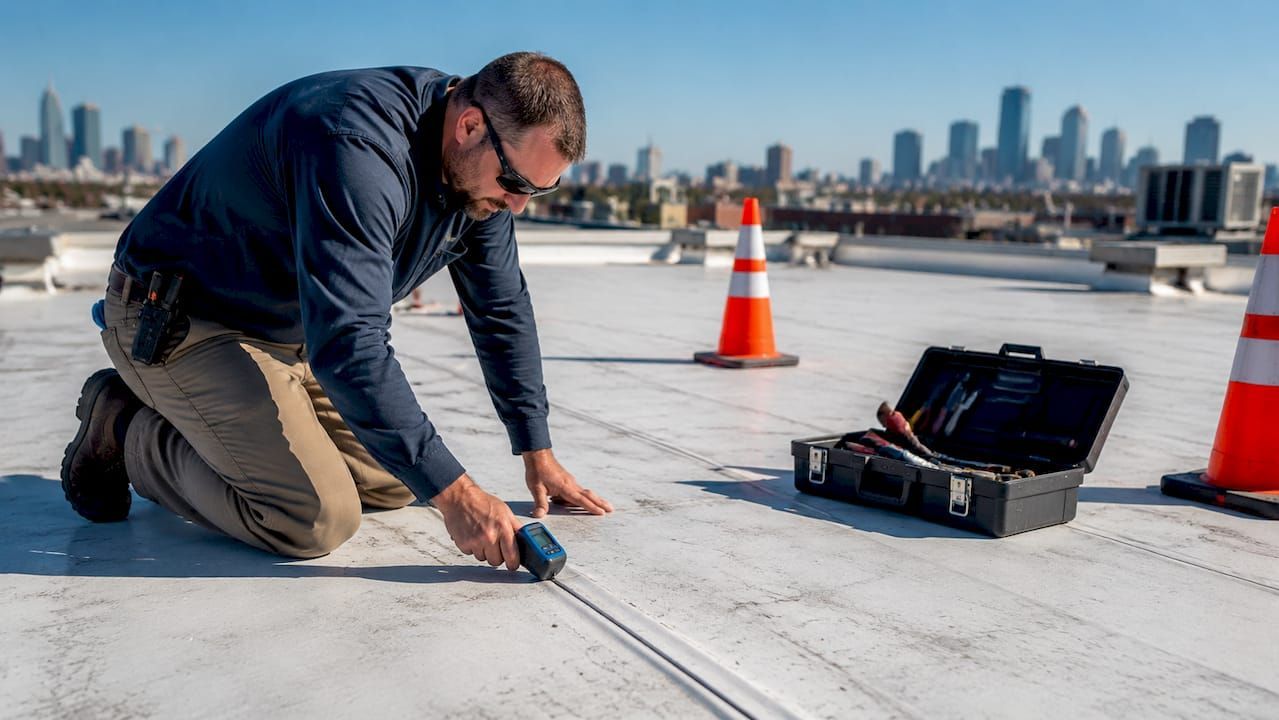
A standard contract defines the inspection frequency, the specific components to be checked, the scope of minor repairs the contractor can perform, and the documentation format for each visit. Contract terms typically run one to three years for smaller commercial properties, with multi-year agreements common for larger portfolios. The OxMaint platform, which tracks commercial facility maintenance programs, identifies documentation standards and repair authority as the two elements most often missing from underperforming contracts.
What inspections and preventive maintenance does a typical contract cover?
Most commercial roof contracts include two to four inspections per year, timed around seasonal transitions. Spring and fall are the standard scheduling anchors. Spring inspections catch damage from winter rain and debris accumulation. Fall inspections prepare the roof before the wet season begins. Higher-risk roofs, such as those with multiple penetrations, aging membranes, or known drainage issues, often move to quarterly visits.
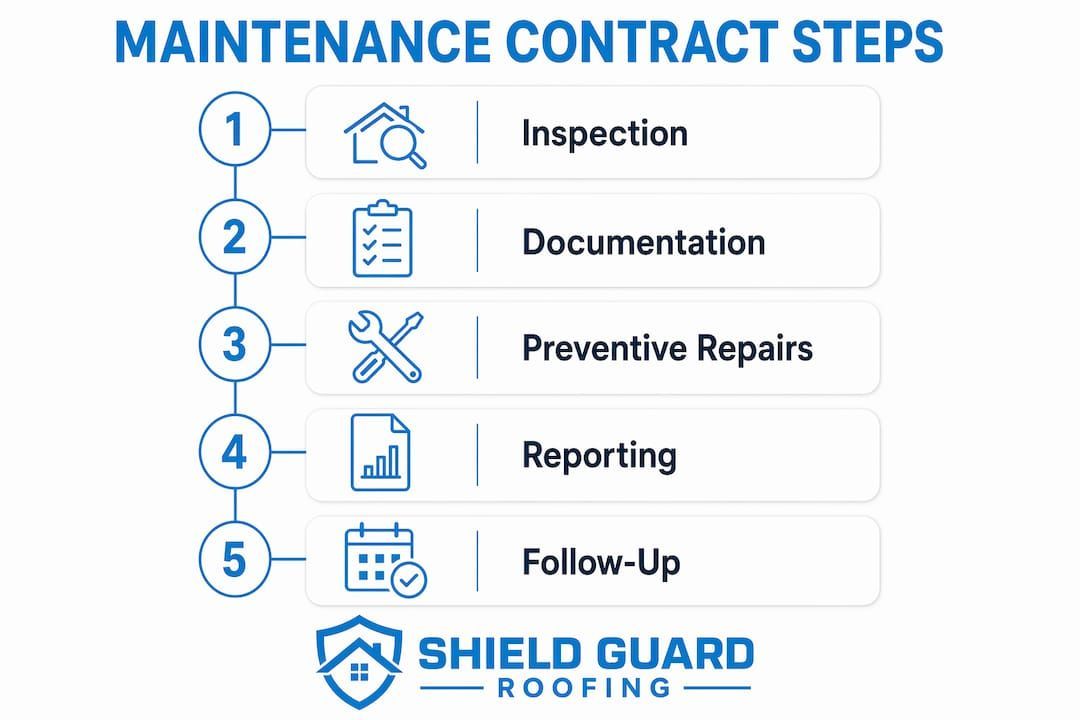
The inspection scope covers membrane integrity, flashing conditions, fastener tightness, drainage systems, and all penetrations including HVAC curbs, vents, and skylights. Inspectors also clear debris from drains and gutters, reseal minor gaps, and note any areas showing accelerated wear. Each visit produces a written condition report with photographs.
Here is what a thorough inspection visit typically addresses:
- Membrane surface: blistering, cracking, punctures, or UV degradation
- Flashing at walls, curbs, and edges: separation, lifting, or corrosion
- Fasteners and seams: loosening or delamination
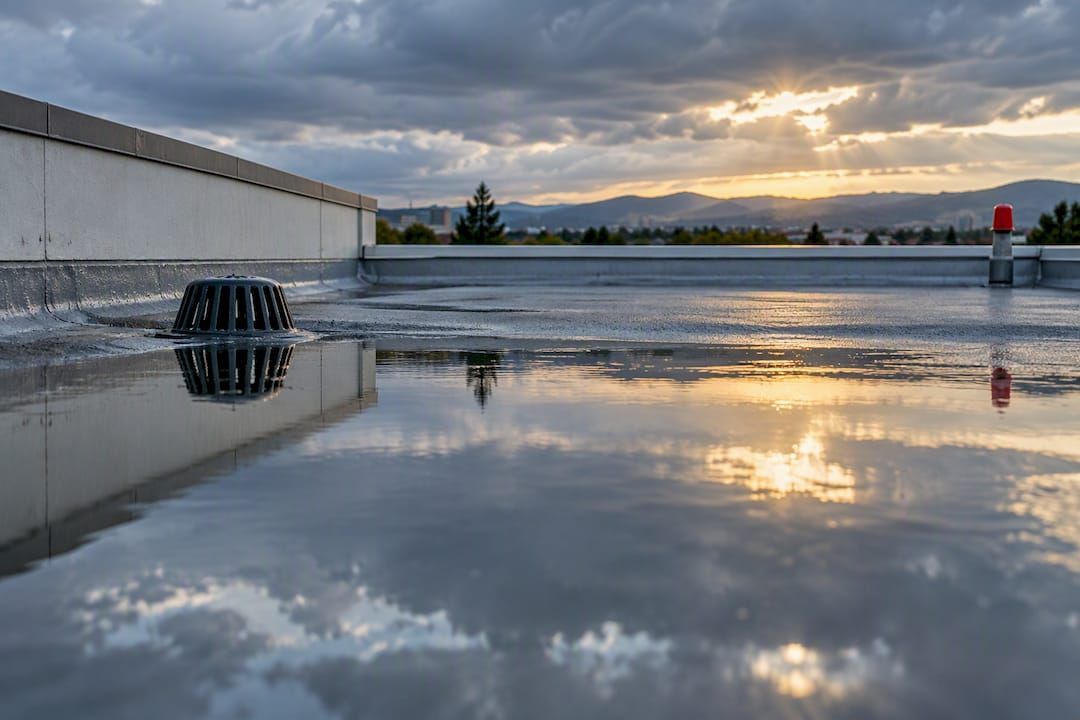
- Drainage: clogged drains, standing water patterns, or slope issues
- Penetrations: gaps around pipes, vents, and equipment supports
- Interior signs: water staining on ceilings or walls noted during walk-through
Pro Tip: Request that every inspection report include time-stamped photos organized by roof zone. This photo record becomes your strongest evidence if a warranty claim or insurance dispute arises after a storm event.
Photo-documented inspection reports and condition tracking are vital evidence for warranty claims and insurance discussions after damage events. A contractor who delivers a one-page checklist without photos is not meeting the documentation standard that protects you.
How do roofing maintenance contracts define and handle repairs?
The repair section of a roofing upkeep agreement is where most contracts either earn their value or fall short. An inspection-only contract identifies problems but gives the contractor no authority to fix them on the same visit. That structure creates a frustrating cycle: the inspector finds a failing seam, writes it up, and you spend two weeks getting a separate repair quote approved while water works its way into the substrate.
Contracts must clearly define repair authority and timelines to be effective. Minor repairs should be completed on the same visit or within a specific timeframe, typically 24 to 72 hours for active leak risks. The contract should spell out exactly what qualifies as a minor repair covered under the agreement.
Here is the typical progression of how a well-structured contract handles repairs:
- Inspector identifies a deficiency during the scheduled visit.
- The deficiency is classified as minor (covered under contract) or major (requires separate authorization).
- Minor repairs are completed immediately or within the agreed response window.
- The repair is documented with before-and-after photos in the same visit report.
- Major repairs are flagged with a written scope and cost estimate delivered within a defined number of business days.
- The property manager approves the major repair scope and scheduling proceeds under a separate work order.
Minor repairs typically covered under contract include resealing membrane seams, reflashing small sections at curbs or walls, tightening loose fasteners, and patching minor punctures. Contracts lacking repair authority or prompt timeline commitments commonly fail in practice, causing repeated inspection findings without problem resolution.
Pro Tip: Before signing, ask the contractor to define "minor repair" in writing with specific examples and a dollar cap. Vague language here is the most common source of disputes between property managers and roofing contractors.
What benefits do roofing maintenance contracts offer to NorCal property managers?
Northern California presents a specific set of roofing stressors. The Sacramento Valley and surrounding areas experience hot, dry summers that accelerate UV degradation on membrane surfaces, followed by wet winters that test every seam and drainage point. A roofing maintenance plan addresses both seasonal extremes through timed inspections and preventive work.
Preventive upkeep often yields a return on investment exceeding 15:1 by avoiding large damage events. That ratio reflects the real cost difference between a $400 seam repair caught during a fall inspection and a $60,000 interior water damage claim that follows an undetected failure through a wet season.
The core benefits for commercial property managers include:
- Early damage detection: Catching membrane failures, flashing separation, and drainage blockages before they cause interior water damage
- Warranty preservation: Commercial membrane warranties from manufacturers like GAF typically require at least one documented annual inspection by an authorized contractor to remain valid
- Insurance compliance: Insurance carriers increasingly require inspection records as a condition of claims, particularly for weather-related damage
- Predictable budgeting: Flat annual fees or tiered pricing by square footage replace unpredictable emergency repair costs with a known line item
- Extended roof service life: Consistent preventive care delays capital replacement, which for a large commercial roof can represent hundreds of thousands of dollars
- Reduced emergency premiums: Emergency repair calls carry significant cost premiums. Contracts with defined response timelines eliminate most of those situations
The documentation trail created by a maintenance contract also protects you in tenant disputes, property sales, and insurance negotiations. A buyer or insurer reviewing five years of clean inspection reports with completed repairs reads that as a well-managed asset.
How to choose the right roofing maintenance contract for your property
Choosing a roofing upkeep agreement requires more than comparing annual fees. The contract structure determines whether you get genuine protection or just a paper trail.
Start by verifying contractor credentials. In California, roofing contractors must hold a valid C-39 license issued by the Contractors State License Board (CSLB). Ask for the license number and verify it directly on the CSLB website before signing anything. Experience with the specific membrane type on your roof matters too. A contractor who primarily works with TPO systems may not be the right choice for an aging built-up roof.
Evaluate these elements in any contract you review:
- Inspection scope: Does it list specific components, or does it use vague language like "general inspection"?
- Repair authority: Are minor repairs included, and are they defined with examples and a cost cap?
- Response timelines: What is the guaranteed turnaround for minor repairs and for major repair estimates?
- Documentation standards: Does the contract specify photo documentation and written condition reports for every visit?
- Pricing model: Is it a flat annual fee, square footage tiers, or a hybrid with capped repair costs?
- Contract duration and renewal: What are the terms for cancellation and renewal, and does pricing escalate automatically?
Red flags include undefined repair timelines, no documentation requirements, and contracts that require separate approval for every minor repair. A proper contract structure includes a clear scope of routine maintenance activities, inspection detail, repair authority, and documentation standards. Contracts missing these elements risk being unenforceable or ineffective when you need them most.
Pro Tip: Ask the contractor for two sample inspection reports from current clients before signing. The quality and detail of those reports tells you more about what you will actually receive than any sales conversation.
You can also use a resource like the homeowner maintenance checklist from Designs by D and J to cross-reference the inspection items your contractor proposes against a standard scope. It is a quick way to spot gaps.
Key takeaways
A roofing maintenance contract protects your commercial property by combining scheduled inspections, documented condition reports, and authorized minor repairs into a single proactive agreement that extends roof life and preserves warranty coverage.
| Point | Details |
|---|---|
| Contract definition | A formal agreement covering inspections, preventive repairs, and documentation over one to five years. |
| Inspection frequency | Most contracts include two to four visits per year, with spring and fall as the standard schedule. |
| Repair authority matters | Contracts without defined repair authority create delays that allow minor deficiencies to become major failures. |
| Documentation protects you | Photo-documented reports support warranty claims, insurance disputes, and property transactions. |
| Verify contractor credentials | Confirm a valid California C-39 license and experience with your specific roof membrane type before signing. |
Why I think most property managers underestimate what a contract actually does
After working with commercial property owners across Northern California for years, I have seen the same pattern repeat itself. A manager signs a maintenance contract, assumes the roof is covered, and never reviews the inspection reports. Then a claim gets denied because the documentation was incomplete, or a repair that was flagged three inspections ago finally causes a ceiling collapse.
The contract is only as good as the contractor executing it and the manager reviewing it. I have reviewed inspection reports that were little more than a checklist with no photos and no repair notes. Those reports are useless in a warranty dispute. The manufacturers of GAF membrane systems, for example, are very specific about what constitutes a qualifying inspection for warranty purposes. A one-page form does not meet that standard.
The property managers who get the most value from proactive commercial roof maintenance treat the contract as a management tool, not a set-it-and-forget-it expense. They read every report, ask questions when findings are not resolved, and keep a running file of all documentation. That discipline is what turns a maintenance contract into a genuine asset protection strategy rather than a line item on a budget spreadsheet.
The uncomfortable truth is that a cheap contract with vague repair language will cost you more than no contract at all. It creates false confidence while leaving real problems unresolved.
— Cesar
How Shieldguardroofing supports NorCal commercial property managers
Shieldguardroofing is a family-owned roofing company with over 75 years of combined experience serving commercial property owners across Northern California. The team holds California C-39 licensing and works with GAF membrane systems, providing maintenance contracts tailored to the specific demands of Sacramento-area climates.
Every Shieldguardroofing maintenance agreement includes scheduled inspections with full photo documentation, defined minor repair authority, and written condition reports delivered after each visit. The team's commercial roof maintenance program is built around the documentation and response standards that protect your warranty and support insurance compliance. If you manage a commercial property in Northern California and want a maintenance agreement that actually performs, contact Shieldguardroofing to schedule a roof assessment and review a sample contract.
FAQ
What is a roofing maintenance contract?
A roofing maintenance contract is a formal service agreement between a property owner and a licensed roofing contractor that covers scheduled inspections, preventive repairs, and condition documentation over a defined term, typically one to five years. Its purpose is proactive roof care, not reactive replacement.
How often should a commercial roof be inspected under a maintenance contract?
Most commercial roofing maintenance agreements include two to four inspections per year, with spring and fall visits as the standard baseline. Higher-risk roofs with aging membranes or complex drainage systems may require quarterly visits.
Does a roofing maintenance contract cover repairs?
It depends on the contract. Well-structured agreements include repair authority for minor issues such as resealing seams, reflashing small sections, and tightening fasteners, completed on the same visit or within a defined response window. Inspection-only contracts do not include repairs and require separate approval for every fix.
Why does documentation matter in a roofing maintenance contract?
Photo-documented inspection reports and condition records are required evidence for manufacturer warranty claims and insurance disputes. GAF and other commercial membrane manufacturers require at least one documented annual inspection by an authorized contractor to keep warranties valid.
How much does a commercial roofing maintenance contract cost?
Pricing structures vary by contractor and roof size. Most contracts use flat annual fees or tiered pricing based on square footage and roof complexity, with some including a capped allowance for minor repairs. This model replaces unpredictable emergency repair costs with a predictable annual budget line.
Recommended