Why Commercial Roofs Leak: A Property Manager's Guide
Why Commercial Roofs Leak: A Property Manager's Guide
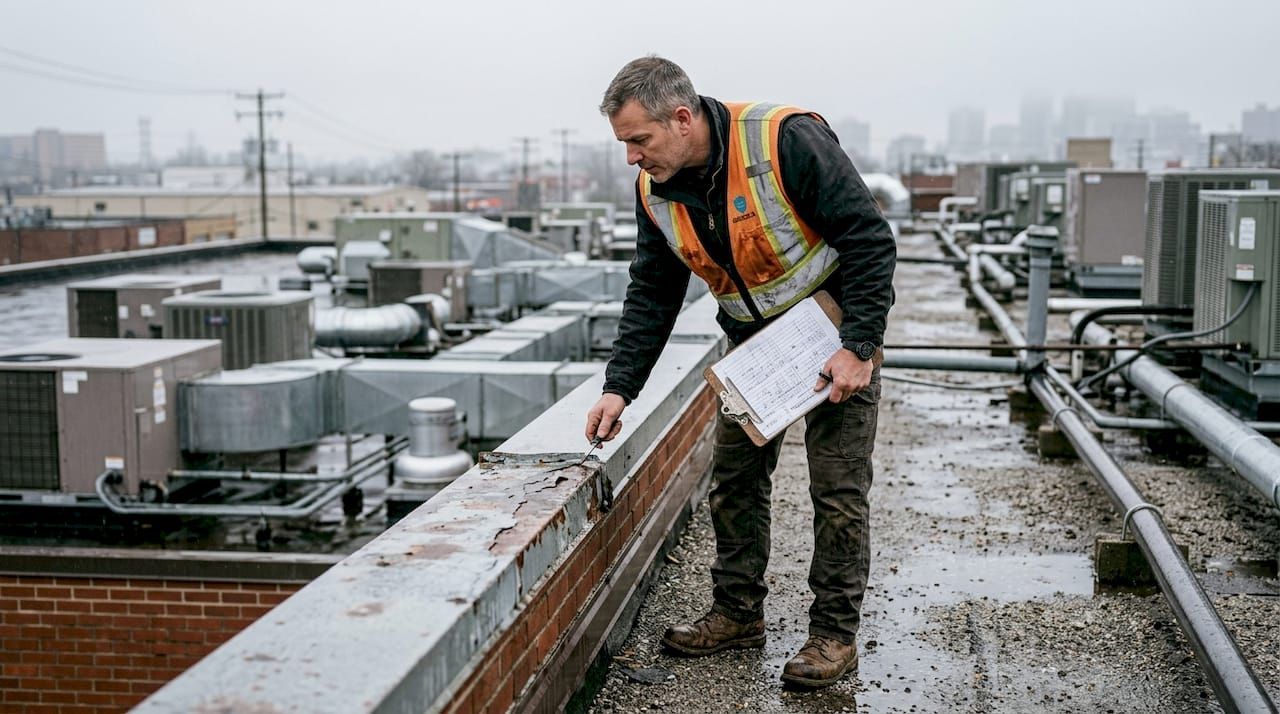
Commercial roof leaks are defined as water intrusion events caused primarily by failures at flashings, seams, and drainage points rather than the main membrane surface. Over 80% of commercial roof leaks start at flashings or seams, not the open field of the roof. That single fact changes how you should think about inspection, repair, and maintenance. If you manage a commercial property in Northern California, understanding why commercial roofs leak is the difference between a targeted repair and a costly guessing game. This guide breaks down every major cause, explains how water moves once it gets in, and gives you a clear path to prevention.
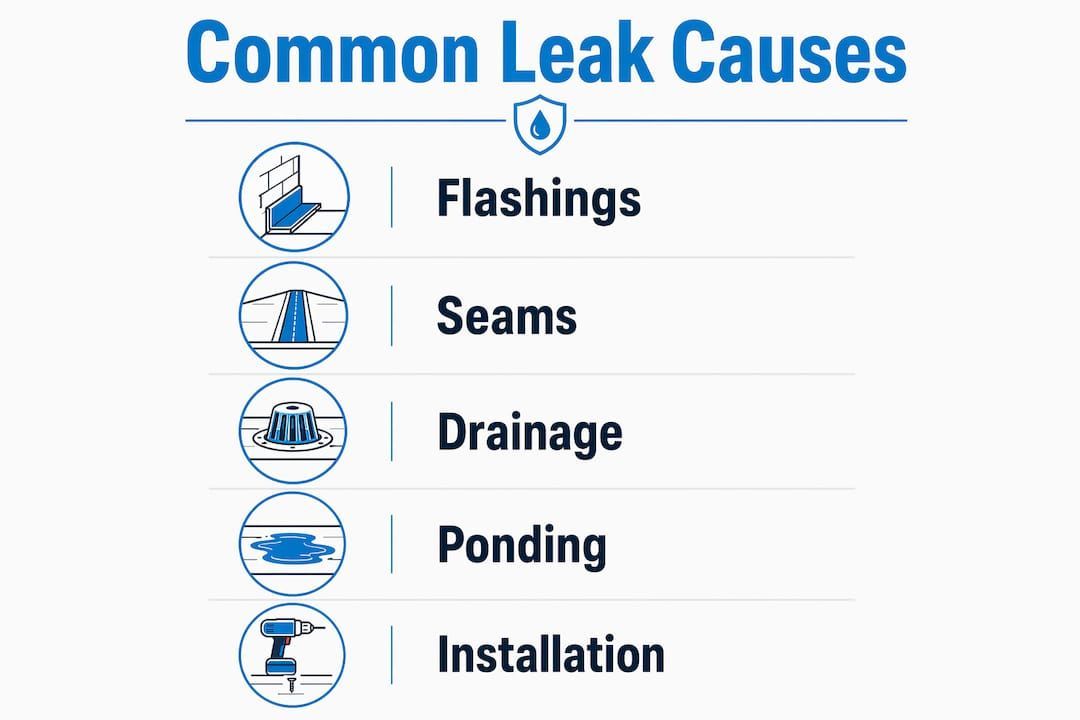
What are the most common causes of commercial roof leaks?
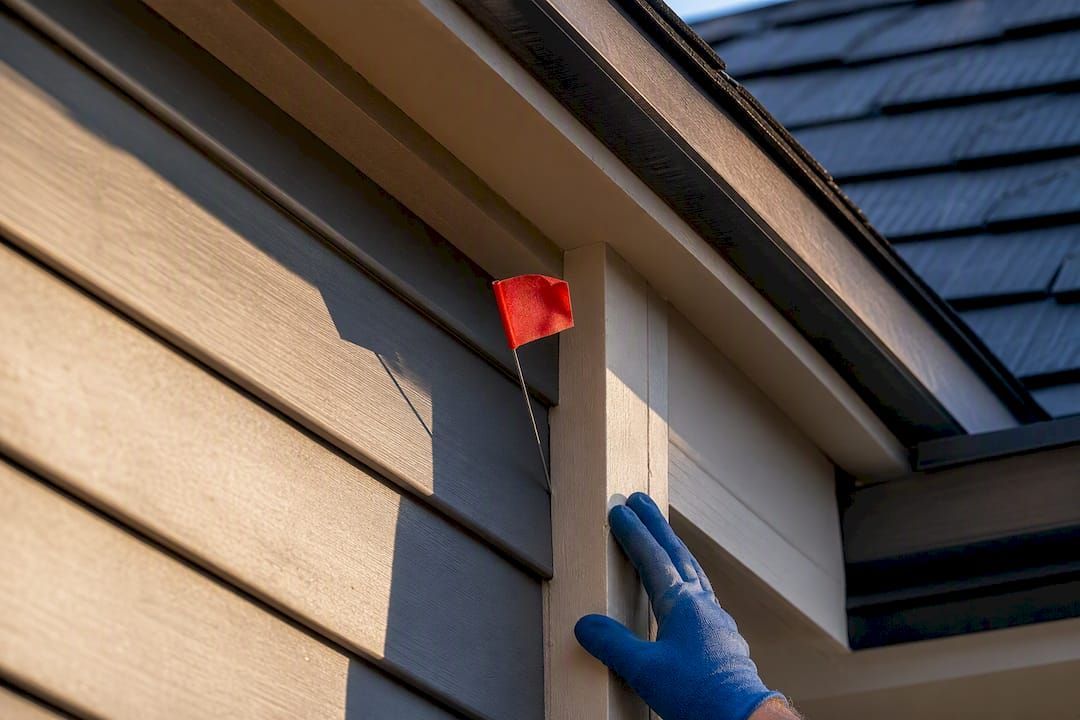
Flashings are the metal or membrane strips that seal the edges where the roof meets walls, vents, HVAC units, and other penetrations. They are the most vulnerable part of any commercial roof. Thermal expansion and contraction cause flashings to pull away from their substrate over time. Once that seal breaks, water has a direct path into the building.
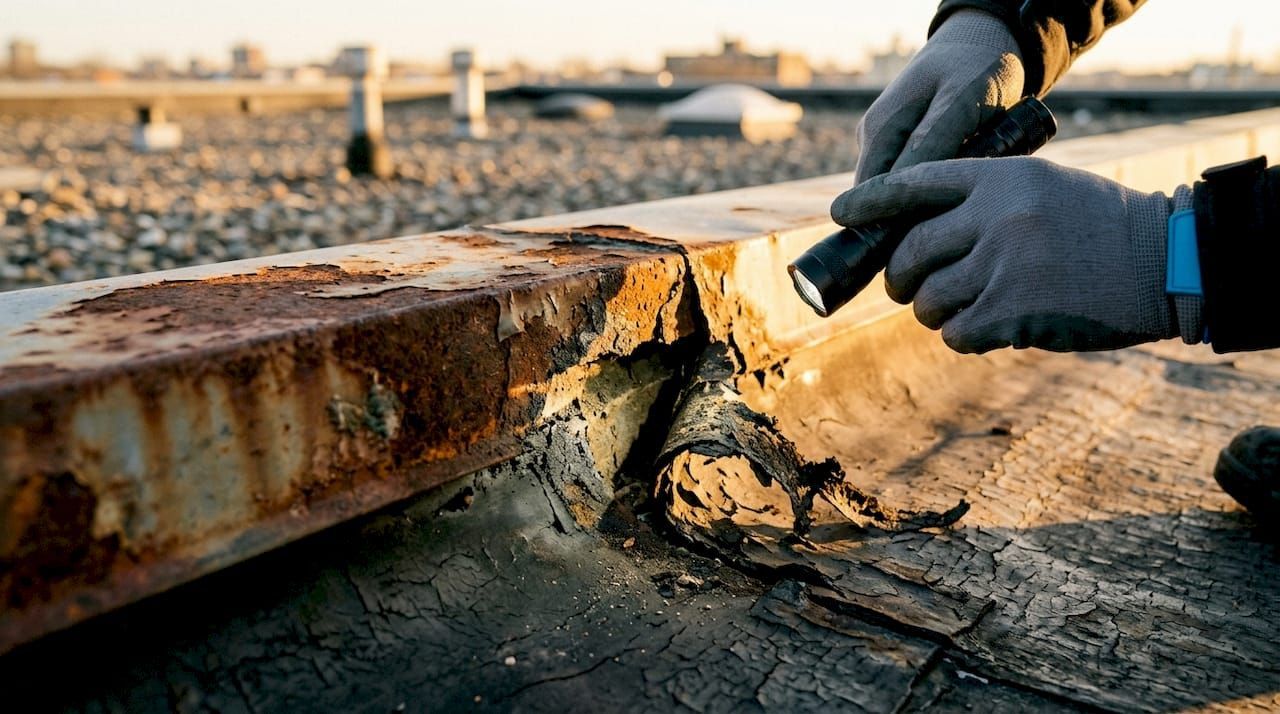
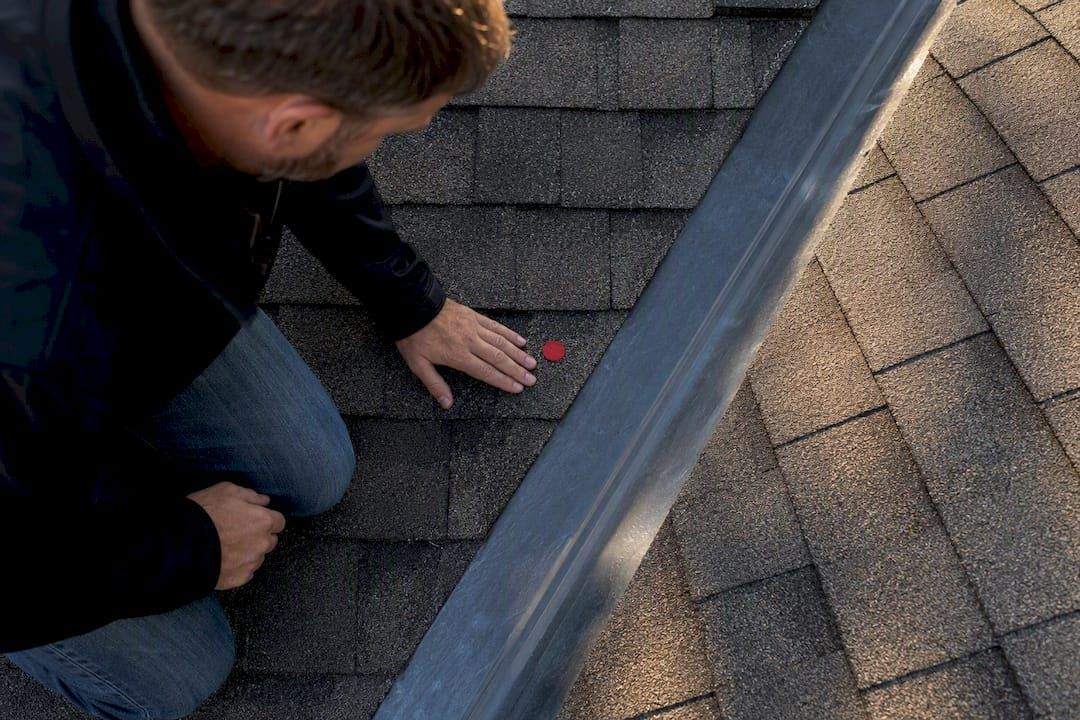
Seam failures are the second leading cause of commercial roof leaks. Single-ply membranes like TPO and EPDM rely on welded or adhered seams to stay watertight. Incomplete welds, surface contamination, or wrong machine settings cause seam failures that open up under UV exposure and temperature swings. A seam that looks intact visually can still allow water through at a microscopic level.
Beyond flashings and seams, these are the most common failure points you will encounter:
- Ponding water: Standing water from clogged drains, poor roof slope, or compressed insulation accelerates membrane degradation faster than almost any other factor.
- Punctures and tears: Foot traffic from HVAC technicians, falling debris, and improperly installed equipment all create physical breaches in the membrane.
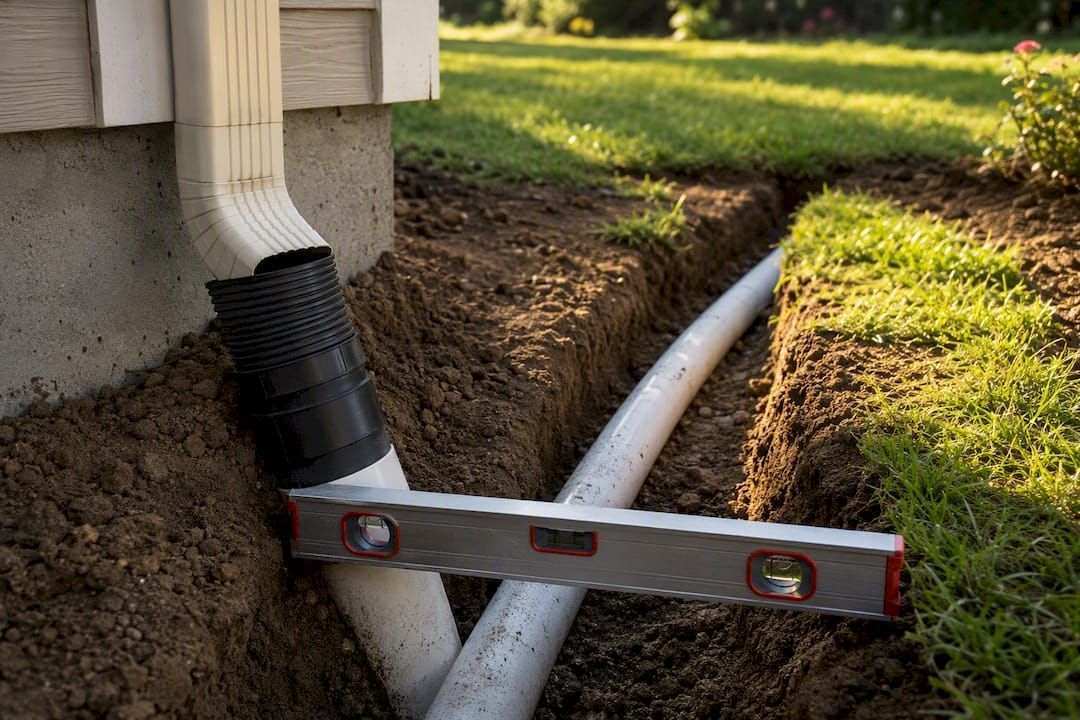
- Clogged or damaged drains: Blocked drains back up water across the entire roof surface, turning a drainage problem into a structural one.
- Deteriorated pipe boots and curb flashings: Rubber boots around pipes crack with age, and curb flashings around rooftop units are frequent entry points.
- Blistering and membrane separation: Trapped moisture or air beneath the membrane causes bubbles that eventually rupture.
Pro Tip: Schedule a focused inspection of all penetration flashings and seams after every major storm. Those are the spots that take the most stress and show damage first.
Repair costs vary widely depending on the failure type. Electronic leak detection runs $0.10 to $0.25 per square foot, isolated seam repairs range from $200 to $500, and drain repairs can reach $1,200. Catching problems early keeps you in the lower end of that range.
How does water move through a commercial roof and complicate leak detection?
Water does not fall straight down once it enters a commercial roof. Water entering a low-slope roof travels laterally up to 20 feet along steel deck flutes and insulation layers before it drips through a ceiling. That means the wet spot on your ceiling tile may be 15 feet away from the actual breach. Chasing the visible stain without a proper diagnostic almost always leads to a failed repair.
The damage water causes while traveling is just as serious as the leak itself. Saturated insulation loses around 40% of its R-value and cannot dry out on its own once it is wet. That lost thermal resistance drives up your HVAC costs every month the problem goes unaddressed.
Trapped moisture creates several compounding risks:
- Mold growth: Wet insulation and decking create ideal conditions for mold within 48 to 72 hours.
- Deck rot and corrosion: Wood nailers and steel decking deteriorate when exposed to sustained moisture, weakening the structural base of the roof.
- Electrical hazards: Water traveling along deck flutes can reach electrical conduits and junction boxes, creating serious safety risks.
- Recurring leaks: Water often enters weeks or months before a visible leak appears, meaning the damage is already widespread by the time you notice it.
Pro Tip: If you see a ceiling stain, do not just patch the roof directly above it. Request a professional electronic leak detection scan to find the true entry point before any repair work begins.
Electronic leak detection (ELD) sends a low-voltage electrical signal across the roof membrane and identifies current flow through any breach, including microscopic ones invisible to the eye. It is the most reliable diagnostic tool available for complex commercial roofs.
Why does ponding water accelerate commercial roof leaks?
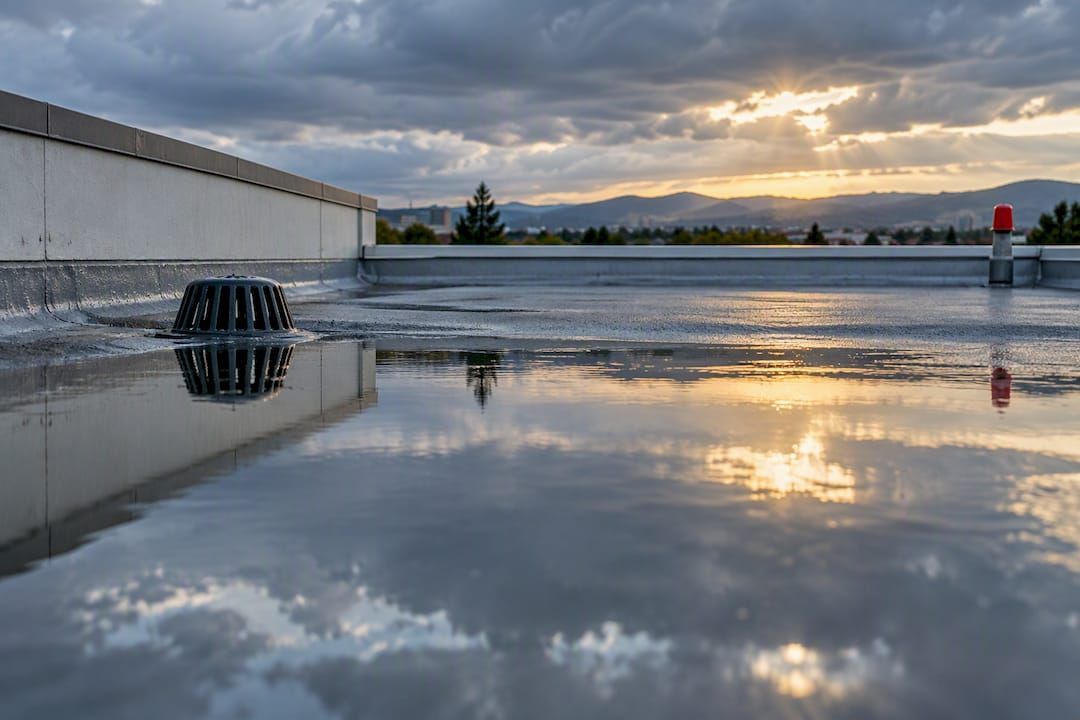
Ponding water is the leading catalyst for commercial roof failure. Commercial roofs are not designed to hold water. They are designed to shed it. When water sits on the surface for more than 48 hours, it begins to exploit every minor weakness in the membrane and seams.
Ponding happens for four main reasons:
- Poor roof slope: Low-slope roofs require a minimum pitch to drain. When that pitch is insufficient or settles over time, water collects in low spots.
- Clogged drains and scuppers: Leaves, debris, and sediment block drainage outlets, causing water to back up across the entire surface.
- Roof deflection: Heavy HVAC equipment or structural settling creates low points where water naturally collects.
- Insulation compression: Over time, insulation boards compress under foot traffic and equipment weight, creating depressions that hold water.
The physics of ponding are straightforward and damaging. Standing water increases hydrostatic pressure against seams and flashings, forcing water into gaps that would otherwise stay dry. UV rays refract through standing water and accelerate membrane oxidation. Freeze-thaw cycles in Northern California winters turn ponded water into ice that physically pries open seams.
Ponding water increases hydrostatic pressure that stresses seams and flashings beyond their design limits. Most commercial roofing warranties explicitly exclude damage caused by ponding water. That means a leak caused by standing water is your financial responsibility, not the manufacturer's.
Remedies range from simple to structural. Clearing drains and scuppers twice a year costs very little. Installing tapered insulation to correct slope is a larger investment but eliminates the root cause. Shieldguardroofing recommends a proactive maintenance program that includes drain inspections every spring and fall to catch blockages before they cause ponding.
Pro Tip: After heavy rain, walk the roof within 48 hours. Any area still holding water is a future leak waiting to happen. Document it with photos and get it assessed.
How does installation quality impact the risk of commercial roof leaks?
Poor installation is a silent cause of commercial roof leaks because the damage often does not show up for months or years. By the time a seam fails, the original installer is long gone and the connection to the installation error is not obvious.
Installation flaws in seams, especially incomplete welds or contamination, cause the majority of single-ply membrane leaks. Common installation problems include:
- Incomplete heat welds: A seam that looks fused on the surface but was not fully bonded will separate under thermal cycling.
- Surface contamination: Dirt, oil, or moisture on the membrane surface before bonding prevents proper adhesion.
- Wrong equipment settings: Hot-air welding machines set at incorrect temperatures produce seams that are either under-fused or burned through.
- Improper flashing termination: Flashings that are not fully embedded in sealant or mechanically fastened correctly will lift at the edges.
Thermal cycling makes every installation flaw worse over time. Northern California summers push rooftop temperatures above 150°F. Winter nights drop them near freezing. That 100+ degree swing happens hundreds of times over a roof's life, and every cycle stresses any weak point in the system.
Recurring leaks often result from repairing only visible symptoms rather than finding the true root cause. A property manager who patches the same area three times is almost certainly dealing with an installation flaw that was never properly diagnosed. A professional roof inspection that maps the entire seam and flashing system will identify those hidden failures before they become expensive emergencies.
What are the best practices for preventing commercial roof leaks?
Preventing leaks costs far less than repairing the damage they cause. A structured maintenance program is the single most effective tool a property manager has. Think of it like oil changes for your building. Skip them long enough and the engine fails.
The core practices that prevent most commercial roof failures are:
- Twice-yearly professional inspections: Spring and fall inspections catch winter storm damage and prepare the roof for summer heat. Focus on seams, flashings, penetrations, and drainage.
- Drain and scupper clearing: Clean all drainage points every six months and after major storms to prevent ponding.
- Seam and flashing audits: Have a qualified roofer probe seams and check flashing terminations annually. Catching a lifting flashing early costs a fraction of what a full repair costs after water intrusion.
- Electronic leak detection after any repair: Verify that repairs sealed the actual breach, not just the visible symptom.
- Insulation moisture surveys: Infrared scanning or nuclear moisture meters identify wet insulation before it causes structural damage.
Pro Tip: Ask your roofing contractor for a written inspection report with photos after every visit. That documentation protects you if a warranty claim arises and gives you a clear record of the roof's condition over time.
Shieldguardroofing's commercial roof maintenance programs are built around exactly these practices. With over 75 years of combined roofing experience across Northern California, the team knows which failure points are most common in this region's climate and where to look first.
Key Takeaways
Commercial roofs fail most often at flashings, seams, and drainage points. Proactive maintenance and accurate leak detection prevent the majority of costly water damage events.
| Point | Details |
|---|---|
| Flashings and seams fail first | Over 80% of commercial leaks originate at flashings or seams, not the open membrane field. |
| Water travels far from the breach | Leaks can appear up to 20 feet from the actual entry point, making visual diagnosis unreliable. |
| Ponding water voids warranties | Standing water accelerates membrane aging and is typically excluded from manufacturer warranties. |
| Saturated insulation must be replaced | Wet insulation loses 40% of its R-value and cannot dry in place, driving up energy costs. |
| Proactive maintenance beats reactive repair | Twice-yearly inspections and drain clearing cost far less than emergency repairs after water damage. |
What most property managers get wrong about commercial roof leaks
I have seen the same pattern repeat itself more times than I can count. A property manager notices a ceiling stain, calls a roofer, gets a patch applied directly above the stain, and considers the problem solved. Six months later, the stain is back. The patch held, but the actual breach was never found.
The uncomfortable truth is that most commercial roof repairs fail not because the materials are bad, but because the diagnosis was wrong. Water is patient. It will find the path of least resistance through your insulation and deck for months before you ever see it inside. By the time you do, the damage is already significant and the entry point is nowhere near where you are looking.
What I have found actually works is treating every leak as a system failure, not a spot failure. That means using electronic leak detection before any repair, mapping the full extent of wet insulation, and addressing drainage issues at the same time as membrane repairs. A set-it-and-forget-it approach to commercial roofing is the most expensive mistake a property manager can make.
The property managers who spend the least on roofing over a 10-year period are the ones who invest in annual inspections and maintenance programs. They catch the $300 flashing repair before it becomes the $30,000 interior damage claim. That math is not complicated. It just requires treating your roof like the critical building system it is.
— Cesar
Shieldguardroofing's commercial roofing services for property managers
If your commercial roof is showing signs of leaks, ponding water, or failing seams, Shieldguardroofing is ready to help. The team brings over 75 years of combined roofing experience to every inspection and repair across Northern California.
Shieldguardroofing offers commercial roof leak detection and repair services built around accurate diagnostics, not guesswork. From electronic leak detection to full maintenance programs, every service is designed to find the real problem and fix it right the first time. The team also handles commercial roof repairs for seam failures, flashing deterioration, and drainage issues. Schedule an inspection today and get a clear picture of your roof's condition before a small problem becomes a large one.
FAQ
What causes most commercial roof leaks?
Over 80% of commercial roof leaks originate at flashings, seams, and drainage points rather than the open membrane field. Deteriorated flashings around penetrations and failed seam welds are the two most common failure points.
Why is my commercial roof leaking in a different spot than the damage?
Water on a low-slope roof travels laterally up to 20 feet along insulation and steel deck flutes before dripping through the ceiling. The visible stain inside the building is rarely directly below the actual breach.
How do I find the source of a commercial roof leak?
Electronic leak detection is the most reliable method. It sends a low-voltage signal across the membrane to identify microscopic breaches that visual inspections miss. Professional ELD services typically cost $0.10 to $0.25 per square foot.
Does ponding water cause commercial roof leaks?
Yes. Ponding water increases hydrostatic pressure against seams and flashings, accelerates membrane oxidation, and is the leading catalyst for commercial roof failure. Most warranties exclude damage caused by standing water.
How often should a commercial roof be inspected to prevent leaks?
Professional inspections twice a year, in spring and fall, catch the majority of developing problems before they cause water intrusion. Drain clearing after major storms is also a critical part of any prevention program.
Recommended