Roof Maintenance Tips for NorCal Homeowners: 2026 Guide
Roof Maintenance Tips for NorCal Homeowners: 2026 Guide
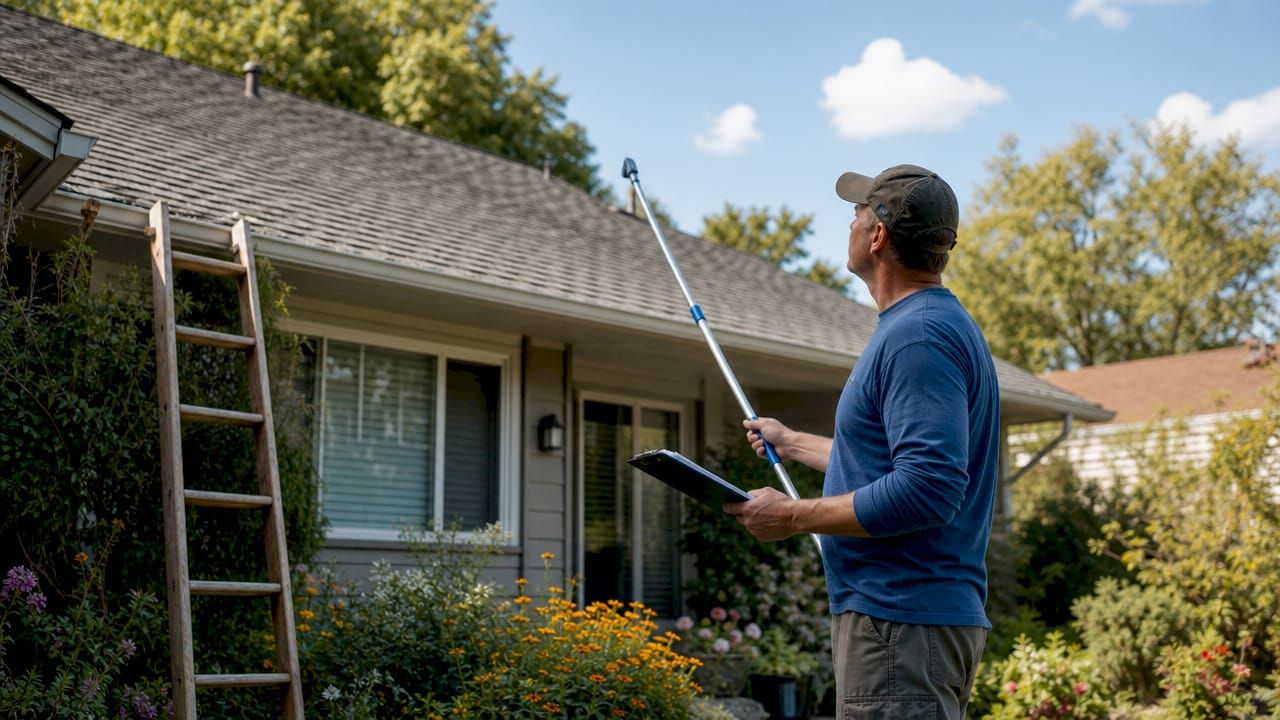
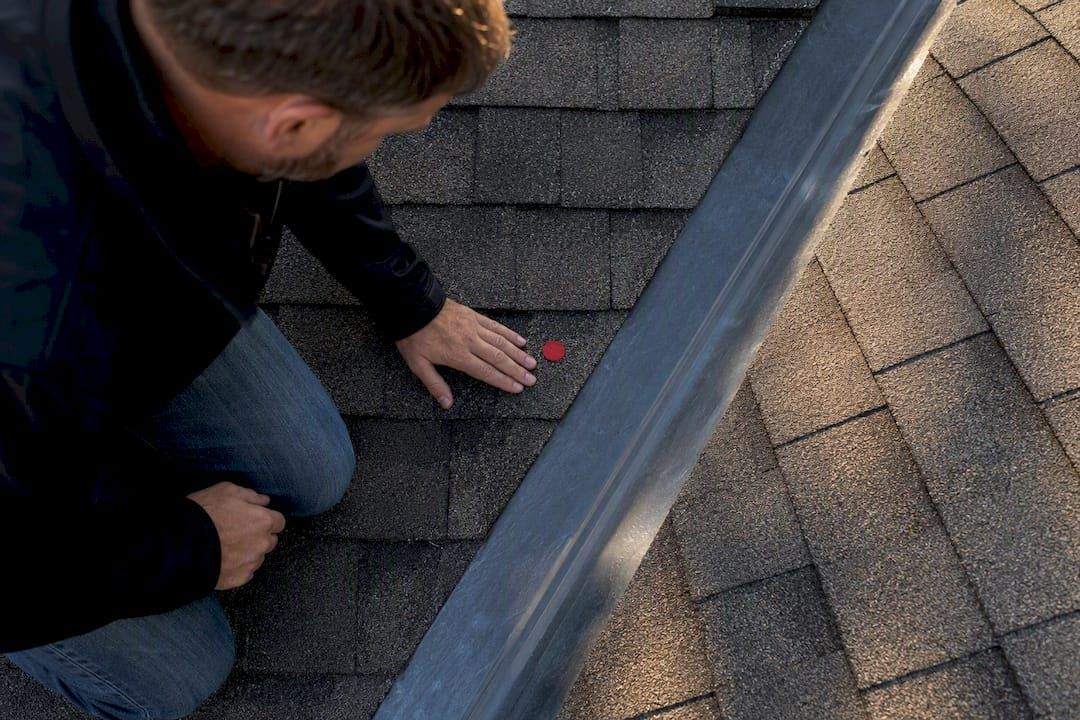
Roof maintenance for Northern California homeowners is a proactive, year-round effort. The industry term is "preventive roof maintenance," and it covers annual professional inspections, routine debris removal, and careful upkeep of gutters and flashing. These steps prevent costly damage and extend roof lifespan well beyond the average. NorCal's climate adds real pressure: atmospheric rivers, heavy winter rains, and dry fire seasons create conditions that punish neglected roofs fast. The roof maintenance tips NorCal homeowners need most are region-specific, timed correctly, and grounded in proven technique.
1. How often should NorCal homeowners inspect their roofs?
The answer is twice a year, minimum. Think of it like oil changes for your car. You do not wait until the engine fails. You follow a schedule.
Schedule your professional inspection in september or early october. Professional inspections cost between $200 and $500 and typically take 60–90 minutes. That window gives contractors time to identify and fix problems before the october to april rain season hits.

Waiting until november or december is a serious mistake. Contractors book up within hours during atmospheric river events, and non-emergency response times stretch to 24–48 hours. Your roof sits exposed while you wait.
The second inspection should happen in spring, after the rains clear. This catches any damage the winter storms left behind. Between those two professional visits, do a quick visual check after any major storm.
Pro Tip: Set a calendar reminder every year for the first week of september. Book your inspection before the contractor rush begins.
2. What routine maintenance tasks protect NorCal roofs year-round?
Routine upkeep is where most homeowners fall short. They wait for a visible leak before acting. By then, the damage is already deep.
Here are the core tasks every NorCal homeowner should perform regularly:
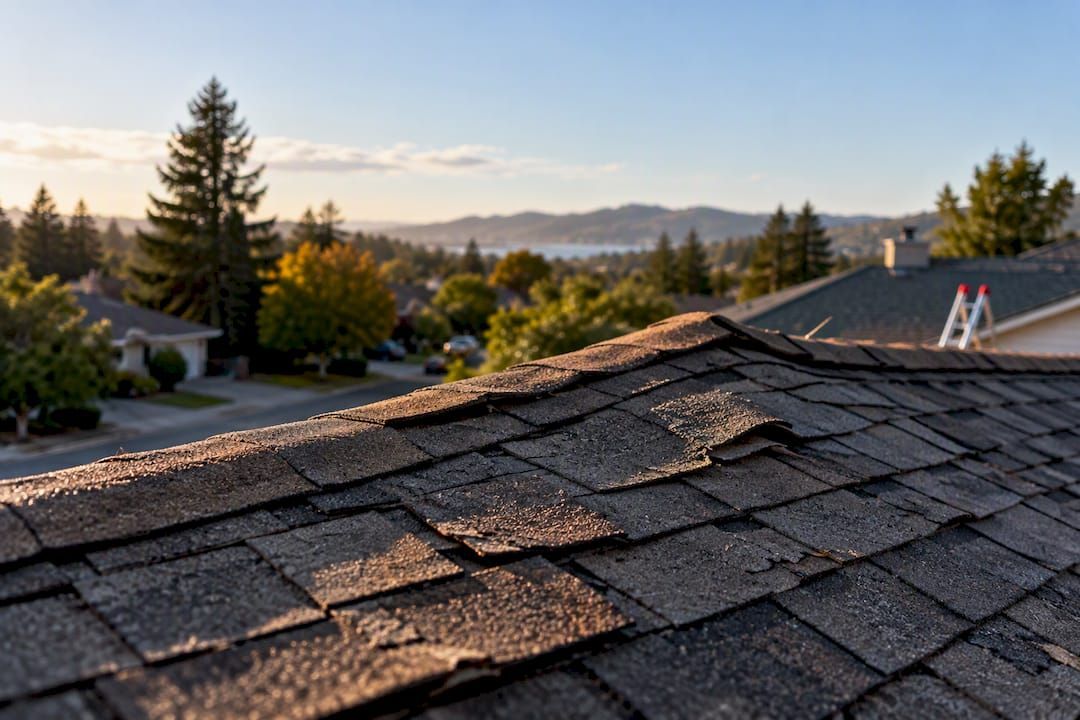
- Clear debris from valleys and roof surfaces every 3–4 months. Leaves, pine needles, and branches collect in roof valleys and trap moisture. Debris removal every few months prevents premature aging and can extend roof lifespan from 15 to 25 years.
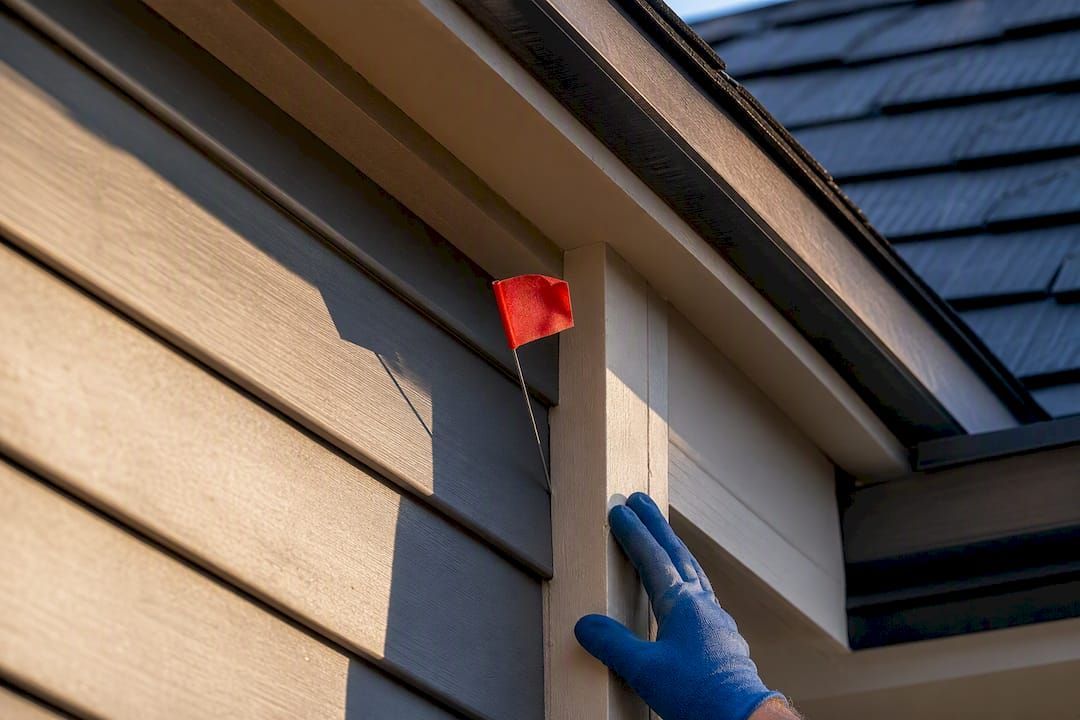
- Inspect flashing around chimneys, vents, and skylights. Flashing is the metal seal at every roof penetration point. When it lifts or cracks, water gets in. Check it visually twice a year and after storms.
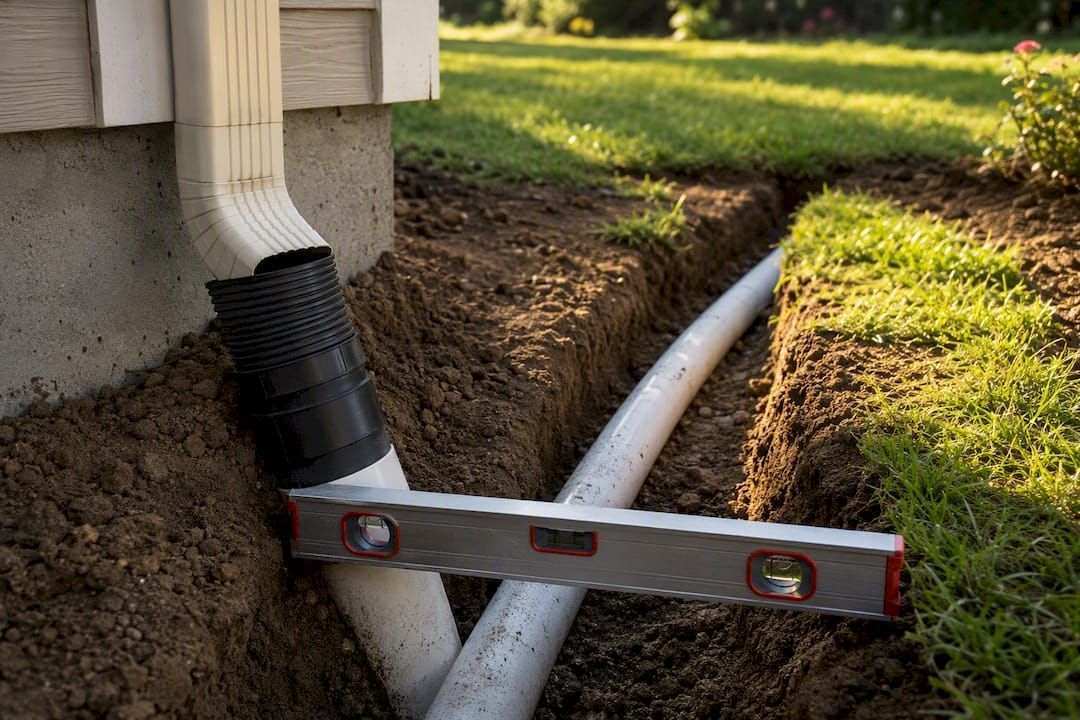
- Clean gutters at least twice yearly, in late spring and late fall. Clogged gutters cause water backup that damages fascia boards and saturates your foundation. Downspouts should direct water at least 5–10 feet from your home's foundation.
- Check attic ventilation briefly each season. Poor ventilation traps heat, which warps roof decking from below. You do not need to be an expert. Just look for blocked vents and feel for excessive heat buildup near the roofline.
Pro Tip: Pair your gutter cleaning with your roof debris clearing. Doing both tasks on the same day saves time and keeps your drainage system working as one unit.
Shieldguardroofing offers gutter maintenance services designed specifically for NorCal homes, including gutter guards that reduce how often you need to clean.
3. Why does tree clearance matter so much for NorCal roofs?
Trees are one of the most overlooked threats to your roof. They look harmless. They are not.
Branches within 6–10 feet of your roofline cause three distinct problems:
- Abrasion. Branches that brush against shingles during wind strip away protective granules. Granule loss accelerates shingle aging significantly.
- Debris accumulation. Overhanging trees drop leaves, twigs, and seed pods directly onto your roof. That debris holds moisture and feeds moss and algae growth.
- Fire risk. In NorCal, this one is critical. Branches close to your roof create a direct fire path from a nearby wildfire or ember shower. Maintaining clearance is a fire safety measure, not just a roofing one.
Prune trees in late winter or early spring before new growth begins. For large trees near your roofline, hire a certified arborist. The cost is far lower than repairing fire or impact damage.
Check clearance again in fall before the rains arrive. Fast-growing species like eucalyptus and valley oak can close that 6–10 foot gap in a single growing season.
4. Why pressure washing ruins NorCal roofs and what to do instead
This is one of the most common and costly mistakes NorCal homeowners make. Pressure washing feels thorough. It is actually destructive.
High-pressure washing strips protective granules from asphalt shingles, voids manufacturer warranties, and accelerates deterioration. A roof that could last 25 years gets knocked down to 15 or fewer with repeated pressure washing.
The correct method is soft washing. Soft wash technology uses low pressure combined with biodegradable cleaning solutions to remove moss, algae, and dirt without damaging the shingle surface. Soft wash methods preserve roof integrity and keep your manufacturer warranty intact.
Here is a simple comparison of the two approaches:
| Method | Pressure | Effect on Shingles | Warranty Impact |
|---|---|---|---|
| Pressure washing | High | Strips granules, causes cracks | Voids most warranties |
| Soft washing | Low | Cleans without surface damage | Preserves warranty |
For professional cleaning, schedule service every 1–2 years. NorCal's wet winters and warm summers create ideal conditions for moss and algae growth, so that frequency is not excessive. It is necessary.
For light DIY cleaning between professional visits, use a garden hose on low pressure with a diluted oxygen bleach solution. Never use chlorine bleach near plants or painted surfaces.
Pro Tip: Ask your roofing contractor which cleaning solution is compatible with your specific shingle brand. GAF shingles, for example, have specific care guidelines that protect your warranty coverage.
5. How to build an emergency preparedness plan for NorCal storm season
NorCal's rainy season runs from october through april. Atmospheric rivers can drop several inches of rain in 24 hours. Your roof needs to be ready before the first storm arrives, not after.
Follow this seasonal preparation sequence:
- Schedule your professional inspection by early october. Any identified issues need repair time before the rains start. Waiting until november leaves no buffer.
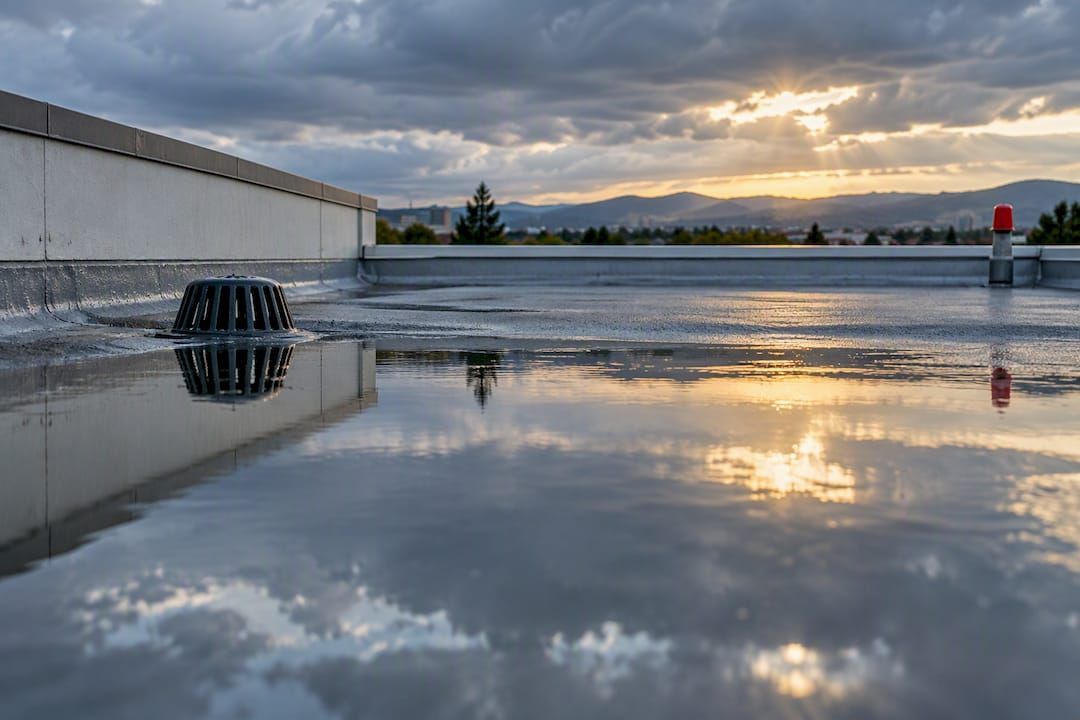
- Clear gutters and roof drains before the first major storm. A single clogged downspout during a heavy rain event can back water up under your shingles.
- Assemble a basic emergency roofing kit. Keep tarps, rope, sandbags, roofing cement, caulk, and a bucket accessible in your garage. These materials let you manage an active leak until a contractor arrives.
- Identify a 24-hour emergency roofing contractor before the season starts. Having a local emergency contractor identified ahead of time dramatically improves your response speed when a storm hits at 2 a.m.
- Do a post-storm visual check after every significant rain event. Look for missing shingles, displaced flashing, or sagging areas from the ground. Do not climb on a wet roof.
Shieldguardroofing provides roofing services across Northern California, including storm damage response. Knowing who to call before an emergency is one of the most practical steps you can take.
6. How a well-maintained roof outlasts a neglected one by a decade
The difference in lifespan between a neglected roof and a well-maintained one can be as much as ten years. That gap comes down to small, consistent actions taken over time. Not one big repair.
A neglected roof accumulates damage quietly. Debris traps moisture. Flashing lifts slightly. A small crack in the caulk around a vent lets water in slowly. None of these feel urgent until the ceiling is stained or the decking is rotted. By then, you are looking at a full replacement instead of a $300 repair.
Well-maintained roofs, by contrast, get caught early. A $200 inspection finds the lifted flashing. A $150 caulk repair fixes the vent. The roof reaches its full rated lifespan. For common NorCal roofing materials, that can mean 25 to 30 years of reliable service.
The math is straightforward. Consistent small investments beat one large emergency expense every time.
Key takeaways
Consistent, region-specific roof maintenance is the single most effective way NorCal homeowners can extend roof lifespan, reduce repair costs, and avoid emergency replacements.
| Point | Details |
|---|---|
| Inspect in early fall | Schedule professional inspections by early october, before contractor demand peaks. |
| Clear debris every 3–4 months | Regular debris removal prevents moisture buildup and extends roof life by years. |
| Use soft washing only | Pressure washing voids warranties and strips shingles. Soft wash is the safe method. |
| Maintain 6–10 feet of tree clearance | Pruning branches back protects against abrasion, debris, and NorCal fire risk. |
| Prepare before storm season | Assemble an emergency kit and identify a 24-hour contractor before october arrives. |
What I have learned after years of watching NorCal roofs fail
The homeowners I see most often in real trouble are not the ones who ignored their roofs completely. They are the ones who meant to get around to it. They planned to schedule an inspection. They noticed a small stain on the ceiling and told themselves it was probably nothing. They skipped the fall gutter cleaning because it rained early and the timing felt off.
Reactive roof care is the most expensive kind. I have seen a $400 flashing repair turn into a $12,000 decking replacement because a homeowner waited two seasons too long. The roof did not fail overnight. It failed slowly, in ways that a single inspection would have caught.
The other mistake I see constantly is trusting pressure washing. Homeowners see moss on their shingles and rent a pressure washer. It looks clean afterward. The damage is invisible until the shingles start curling two years later. Soft washing takes more planning but it is the only method that does not cost you your warranty.
My honest advice: treat your roof like a car. You would not skip oil changes and hope for the best. Schedule the inspection in september, clear the gutters in late fall, and know your emergency contractor before the first atmospheric river hits. Those three habits alone will keep most NorCal roofs in strong shape for decades. For guidance on when repairs become replacements, that decision is easier to make when you have a maintenance record to reference.
— Cesar
Shieldguardroofing: NorCal roof care from people who know the region
Shieldguardroofing is a family-owned company with over 75 years of combined roofing experience serving Northern California homeowners. The team handles residential roofing and roof repairs in Sacramento, along with inspections, gutter maintenance, and storm damage restoration. Every service uses premium materials from GAF, GAF Energy, and Brava Roofing and Siding Products, backed by industry-leading warranties.
If your last inspection was more than a year ago, or if you are heading into rainy season without a plan, now is the time to act. Contact Shieldguardroofing to schedule a professional inspection and get a clear picture of your roof's condition before the storms arrive.
FAQ
How often should NorCal homeowners get a professional roof inspection?
Once a year, ideally in september or early october. That timing prepares your roof before the october to april rainy season and avoids contractor shortages that occur during storm events.
What does a professional roof inspection cost in Northern California?
Professional inspections typically cost between $200 and $500 and take 60–90 minutes. The cost varies based on roof size, pitch, and accessibility.
Is pressure washing safe for NorCal roofs?
No. Pressure washing strips granules from asphalt shingles and voids most manufacturer warranties. Soft washing with biodegradable solutions is the recommended method for safe, effective roof cleaning.
How far should tree branches be from my roofline?
Branches should be pruned to at least 6–10 feet from the roofline. Closer branches cause shingle abrasion, debris buildup, and increased fire risk, all of which are serious concerns in Northern California.
What should I do if my roof leaks during a storm?
Use tarps, roofing cement, and caulk from your emergency kit to manage the leak temporarily. Contact a 24-hour emergency roofing contractor immediately. Identifying that contractor before storm season starts is the best way to get fast help when you need it most.
Recommended