Best Low-Slope Roofing Options for Commercial Buildings
Best Low-Slope Roofing Options for Commercial Buildings
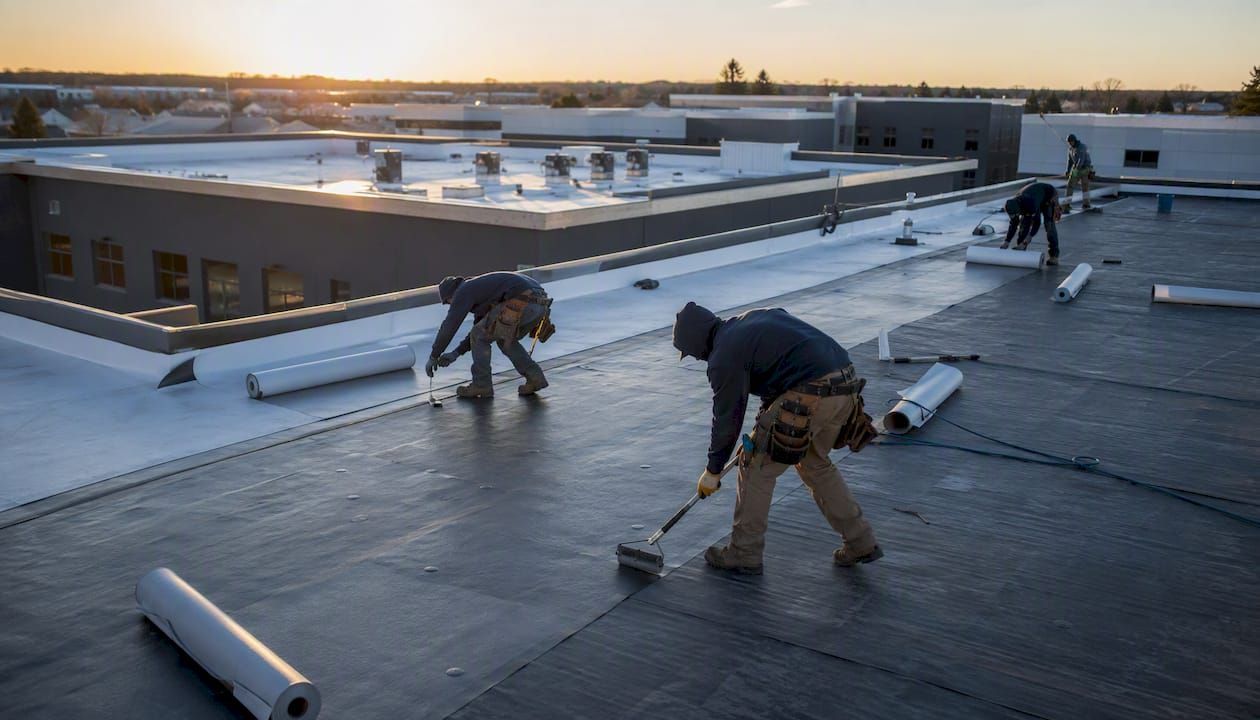
For commercial properties, the top low-slope roofing options are single-ply membranes (TPO, PVC, EPDM), modified bitumen, built-up roofing (BUR), standing-seam metal, and fluid-applied elastomeric coatings. Your best immediate step is a professional inspection to confirm whether your substrate supports a restoration coating or needs full replacement. Shieldguardroofing installs all of these systems across Northern California with GAF, GAF Energy, and Brava Roofing materials, and can schedule a commercial inspection and written estimate.
Here is a quick shortlist to orient your decision:
- TPO/PVC: Best for hot climates needing cool-roof reflectivity and strong seam performance
- EPDM: Best for longevity and cold/snowy climates; 30–50 year lifespans when properly installed
- Modified bitumen: Mid-range cost, good for complex geometries and retrofit layering
- BUR (built-up roofing): Proven multi-ply system with excellent puncture resistance
- Standing-seam metal: Longest service life, premium upfront cost, minimal maintenance
- Fluid-applied coatings: Restoration option when the substrate is sound; avoids full tear-off
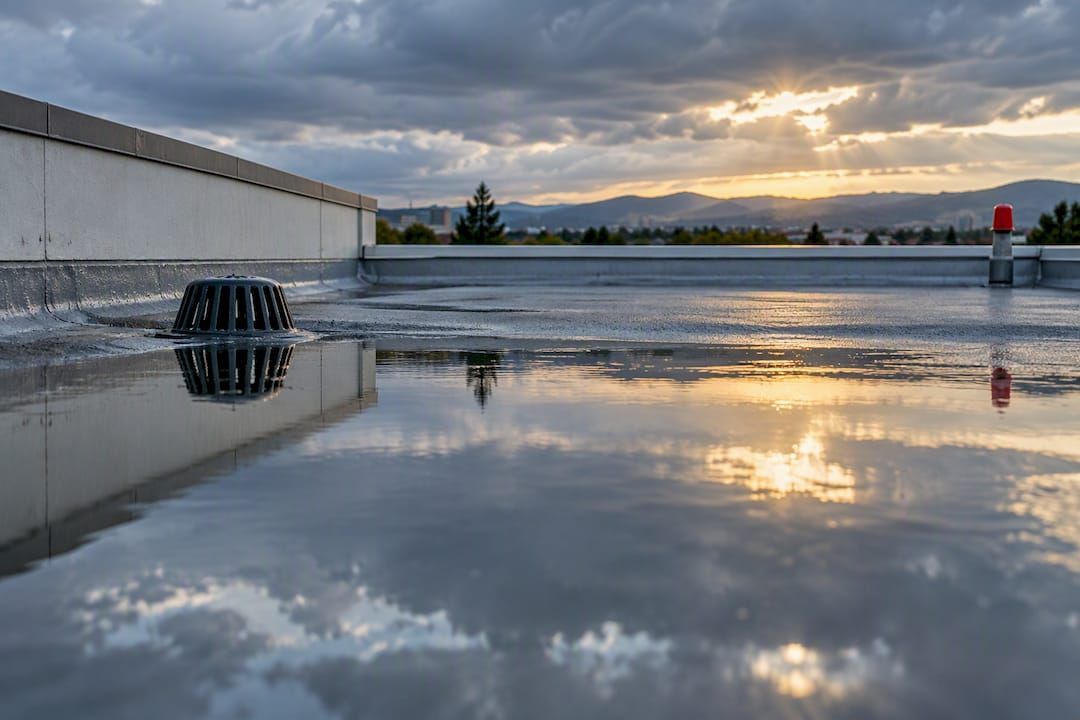
The industry minimum drainage slope is a small positive pitch. Roofs that fall below this threshold accumulate standing water, which accelerates membrane failure regardless of material quality.
Key Takeaways
The single most important decision in commercial low-slope roofing is matching material lifespan and climate fit to your total budget, not just the installed price per square foot.
| Point | Details |
|---|---|
| Shortlist by lifespan and climate | TPO/PVC for hot NorCal climates; EPDM or metal for maximum service life (EPDM 30–50+ years, TPO/PVC 20–30 years) as supported by industry guidance. |
| Verify certifications and warranty scope | Require GAF-certified or equivalent installer status and collect both material and labor warranty docs before signing. |
| Consider coatings before full replacement | When the substrate is sound, elastomeric coatings extend service life and avoid costly tear-off. |
| Budget for hidden costs | Tear-off, deck repair, and insulation upgrades routinely shift total cost; get a moisture scan first. |
| Shieldguardroofing for NorCal commercial work | Family-owned, 75+ years combined experience, GAF/GAF Energy/Brava Roofing materials, inspection-to-warranty service. |
What are the top low-slope roofing options for businesses?
The table below compares each system on the dimensions that matter most for commercial budgeting and specification.
| Material | Typical Lifespan | Installed Cost | Maintenance | Cool Roof | Climate Fit | Foot Traffic | Install Speed | Warranty Type |
|---|---|---|---|---|---|---|---|---|
| TPO | 20 years | Low–Mid | Low | High | Hot/Mixed | Moderate | Fast | Manufacturer + labor |
| PVC | 20–30 yrs | Mid–High | Low | High | Hot/Chemical exposure | Moderate | Fast | Manufacturer + NDL options |
| EPDM | 30–50 yrs | Low–Mid | Low | Low (black) | Cold/Mixed | Low–Moderate | Moderate | Manufacturer + labor |
| Modified Bitumen | 15 years | Low–Mid | Moderate | Moderate | Mixed | Good | Moderate | Manufacturer + labor |
| BUR | 20–30 yrs | Mid | Moderate | Low–Moderate | Mixed | Excellent | Slow | Manufacturer + labor |
| Standing-Seam Metal | 40 years | High | Very Low | Moderate–High | All climates | Low | Moderate | Manufacturer + labor |
| Fluid-Applied Coatings | 10–20 yrs (restoration) | Low | Low–Moderate | High (white) | All climates | Low | Fast | Applicator warranty |
Quick selection rules:
- Choose EPDM or standing-seam metal when maximum lifespan is the priority
- Choose white TPO or PVC for cool-roof energy savings in NorCal's hot inland valleys
- Choose modified bitumen or fluid-applied coatings for budget-conscious retrofits or complex roof geometry
- Choose PVC where rooftop grease, HVAC condensate, or chemical exposure is a concern
Should you repair, coat, or replace your low-slope roof?
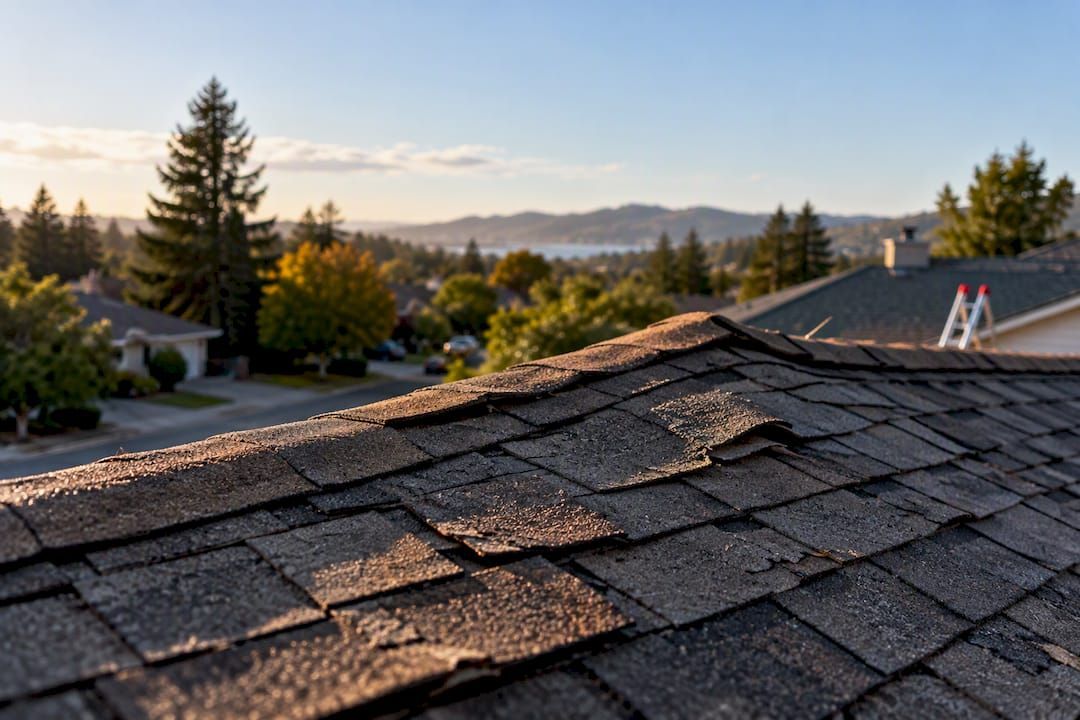
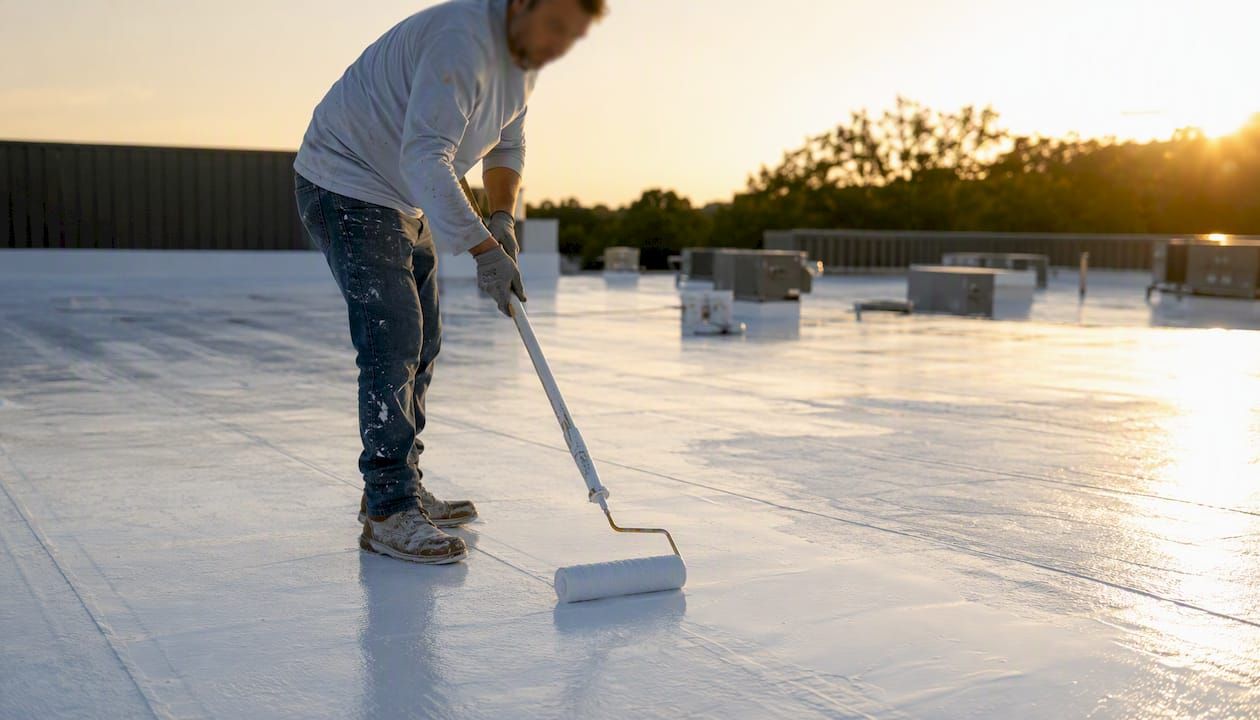
If the membrane is generally intact and the deck is dry, elastomeric coatings and multi-ply reinforcement can add meaningful service life without a full tear-off. Replacement becomes necessary when the deck itself is compromised or when membrane failure is widespread.
Repair or coat when you see:
- Localized leaks with an otherwise intact membrane
- Minor ponding in isolated areas, no deck saturation
- Sound insulation and vapor profile confirmed by a moisture scan
- Budget constraints and a substrate that passes adhesion testing
Replace when you see:
- Deck rot, widespread delamination, or structural damage
- Multiple failed seams, flashing failures, or pervasive membrane cracking
- Repeated leak callbacks after prior repairs
- A need to upgrade warranty coverage or switch systems (e.g., moving to PVC for chemical resistance)
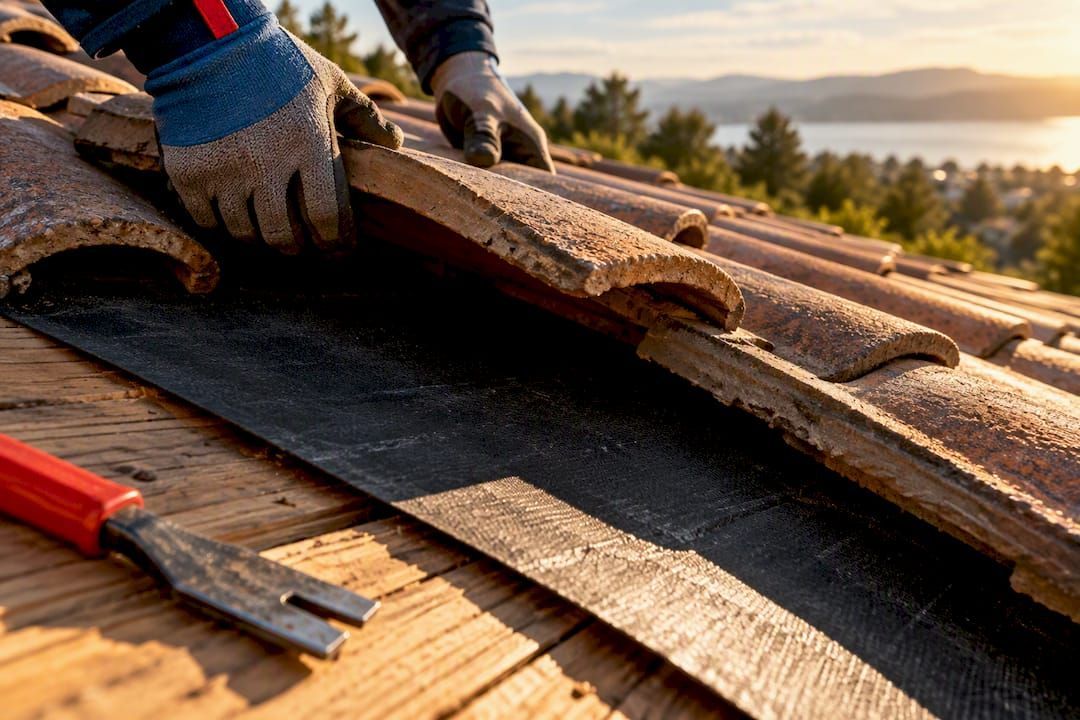
Pro Tip: On retrofit projects, a self-adhered base sheet provides a flame-free dry-in stage while a torch- or cold-applied cap sheet meets fire and durability targets. This hybrid approach lets you meet performance goals while reducing tear-off waste and cost, per Polyglass retrofit guidance.
For a deeper look at coating systems and their application limits, Shieldguardroofing's commercial roof coatings guide covers product specs and when each type applies.
How do you pick the right material and contractor?
Start here: the contractor's verified experience with your chosen system matters as much as the material spec itself. A contractor who installs hundreds of TPO roofs will deliver a better TPO roof than one who treats it as a secondary product line.
Questions to ask every bidder:
- How many commercial low-slope projects of this type have you completed in the last three years?
- What manufacturer certifications do you hold (GAF Master Elite, or equivalent)?
- Which specific membrane brand, thickness, and underlayment will you use?
- What does the labor warranty cover, and for how long?
- Will you provide a moisture scan and drainage assessment before finalizing scope?
- Do you offer financing for larger projects?
Red flags to watch for:
- Vague scope of work with no membrane brand or thickness specified
- No manufacturer certification or inability to pull one on request
- A bid significantly below others with no explanation of material differences
- Pressure to sign before you can check references or review a sample warranty form
- No mention of insulation, ventilation, or deck condition in the proposal
Pro Tip: For thermoplastic systems (TPO/PVC), ask for seam-weld test results before final sign-off. For coatings, request adhesion pull-test reports. These documents confirm the installation met manufacturer specs and protect your warranty eligibility.
Shieldguardroofing carries 75+ years of combined roofing experience across Northern California. For a breakdown of what drives cost differences between bids, the commercial roof replacement cost guide is worth reviewing before you solicit quotes.
What should you budget for lifespan and installed cost?
Expect wide variation. Modified bitumen and roll roofing sit at the low end of installed cost but carry shorter service lives. Single-ply membranes (EPDM, TPO, PVC) land in the mid range with 20–30 year potential for TPO/PVC and 30–50 years for EPDM, depending on installation quality and maintenance. Standing-seam metal and high-quality EPDM or PVC can reach 30–50+ years with minimal maintenance.
Tear-off, deck repairs, insulation upgrades, and labor routinely shift the total cost of ownership well beyond the membrane's sticker price. A material that looks cheapest per square foot often loses on cost-per-year once you factor in a shorter lifespan and higher maintenance frequency.
Relative cost brackets by material:
Hidden costs that commonly shift your total: tear-off disposal, deck board replacement, tapered insulation for drainage correction, and permit fees. Budget a contingency for deck repairs on any roof older than 15 years.
What design and installation factors affect your system choice?
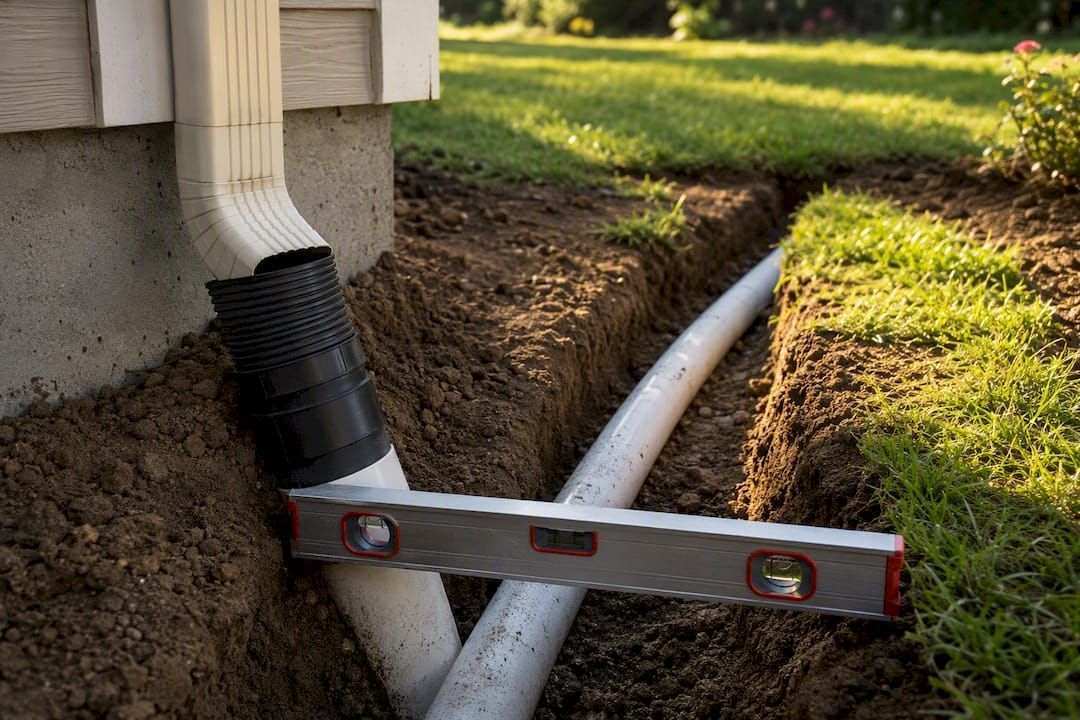
Drainage drives everything. The industry standard calls for a minimum slope of 1/4 inch per foot; roofs that fall short need tapered insulation to redirect water, which adds cost but prevents the ponding that shortens membrane life. Standing-seam metal typically requires a slightly steeper pitch than membrane systems.
Key design factors to confirm before specifying a system:
- Deck condition: A moisture scan before specification prevents costly surprises mid-installation
- Insulation and vapor control: Thermal profile, R-value targets, and vapor drive direction affect system assembly and condensation risk; get this right before membrane selection
- Rooftop equipment: HVAC units, skylights, and pipe penetrations require compatible flashing details; confirm the contractor has experience with your specific penetration types
- Foot traffic zones: Where maintenance crews access rooftop equipment regularly, specify walk pads or traffic-rated membrane; standard single-ply is not designed for repeated foot traffic without protection
For a full breakdown of system types and installation differences, Shieldguardroofing's flat roof systems guide covers assembly details by material.
What warranties and energy programs should you ask about?
Insist on both a manufacturer material warranty and a separate contractor labor warranty before signing. Premium membranes installed by certified contractors often unlock no-dollar-limit (NDL) options, which cover repair costs without a depreciation deduction.
Warranty types to request:
- Manufacturer material warranty: Covers membrane defects; terms vary by product line and thickness
- Contractor labor/workmanship warranty: Covers installation errors; typically 2–10 years depending on the contractor
- NDL (no-dollar-limit) warranty: Available through programs like GAF's commercial warranty tiers for certified installers; covers full repair cost without depreciation
Energy and rebate considerations:
- White TPO and PVC qualify as cool roofs under ENERGY STAR and California Title 24 standards, which can reduce cooling loads and may qualify for local utility rebates
- TPO's reflective surface lowers cooling costs in hot climates; EPDM's black surface absorbs heat, which benefits cold-climate buildings
- GAF Energy solar integration is available for combined roof and solar projects; Shieldguardroofing installs GAF Energy systems for owners looking to pair a new roof with solar
- Always collect the material technical datasheet (TDS) and warranty form before contract signing; these documents define what voids coverage
How does Shieldguardroofing handle commercial low-slope projects in NorCal?
Shieldguardroofing is a family-owned company with 75+ years of combined roofing experience, serving commercial property owners across Northern California. Every commercial low-slope project begins with a moisture scan and drainage assessment, followed by a written scope tied to manufacturer-backed materials from GAF, GAF Energy, and Brava Roofing. Clients receive both material and labor warranty documentation before work begins.
Shieldguardroofing's commercial process runs from inspection through warranty handoff:
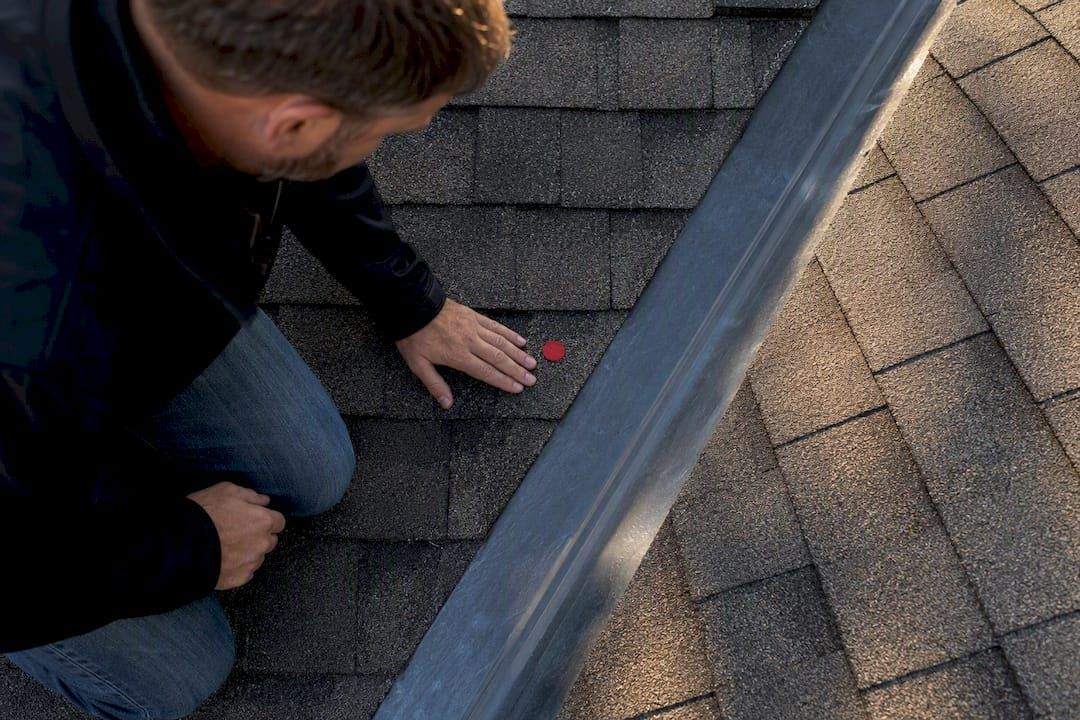
- Site inspection and moisture scan: Confirm deck condition, drainage slope, and membrane integrity before recommending repair or replacement
- Written scope and material specification: Identify membrane brand, thickness, insulation assembly, and flashing details in writing
- Installation by GAF-certified crews: Seam welds and adhesion points are tested to manufacturer specs during installation
- Warranty documentation: Both manufacturer material warranty and labor warranty delivered at project close
- Ongoing maintenance plan: Shieldguardroofing offers commercial roof maintenance programs to protect warranty eligibility and catch issues before they become costly
Pro Tip: Ask your contractor for the manufacturer's warranty registration confirmation after installation. Many property owners skip this step and discover years later that the warranty was never activated.
What commercial owners often get wrong about low-slope roofing
The most common mistake is treating the membrane as the only variable. Property managers spend hours comparing TPO versus PVC specifications, then hand the job to the lowest bidder without verifying that contractor's experience with the chosen system. Installer experience with a specific membrane consistently outweighs the nominal performance difference between competing products.
The second mistake is ignoring lifecycle cost. A coating or modified bitumen system at a lower upfront price can be the right call when the substrate is sound. But when the deck needs repair and the existing membrane has failed in multiple zones, the "cheaper" option often means paying twice within five years.
The third is skipping the moisture scan. A visual inspection alone misses saturated insulation, which adds weight, reduces R-value, and causes membrane blistering. A scan before specification costs a fraction of what a mid-project deck repair adds to the contract.
Shieldguardroofing's commercial inspection and estimate process
Shieldguardroofing gives Northern California commercial property owners a clear path from uncertainty to a signed, warranted roof system. The process starts with a no-pressure commercial inspection that covers moisture scanning, drainage review, warranty eligibility, and a preliminary budget range.
What you get from a Shieldguardroofing commercial inspection:
- Moisture scan and drainage slope assessment
- Written scope with specific membrane brand, thickness, and insulation spec
- Warranty eligibility review for GAF, GAF Energy, and Brava Roofing systems
- Preliminary budget range with tear-off and deck repair contingency noted
- References from comparable NorCal commercial projects on request
Financing is available for larger projects. To schedule your inspection and written estimate, visit Shieldguardroofing's commercial roofing services page or reach out directly for a same-week appointment.
Sources
Recommended