What Does Deferred Roof Maintenance Mean for Your Property?
What Does Deferred Roof Maintenance Mean for Your Property?
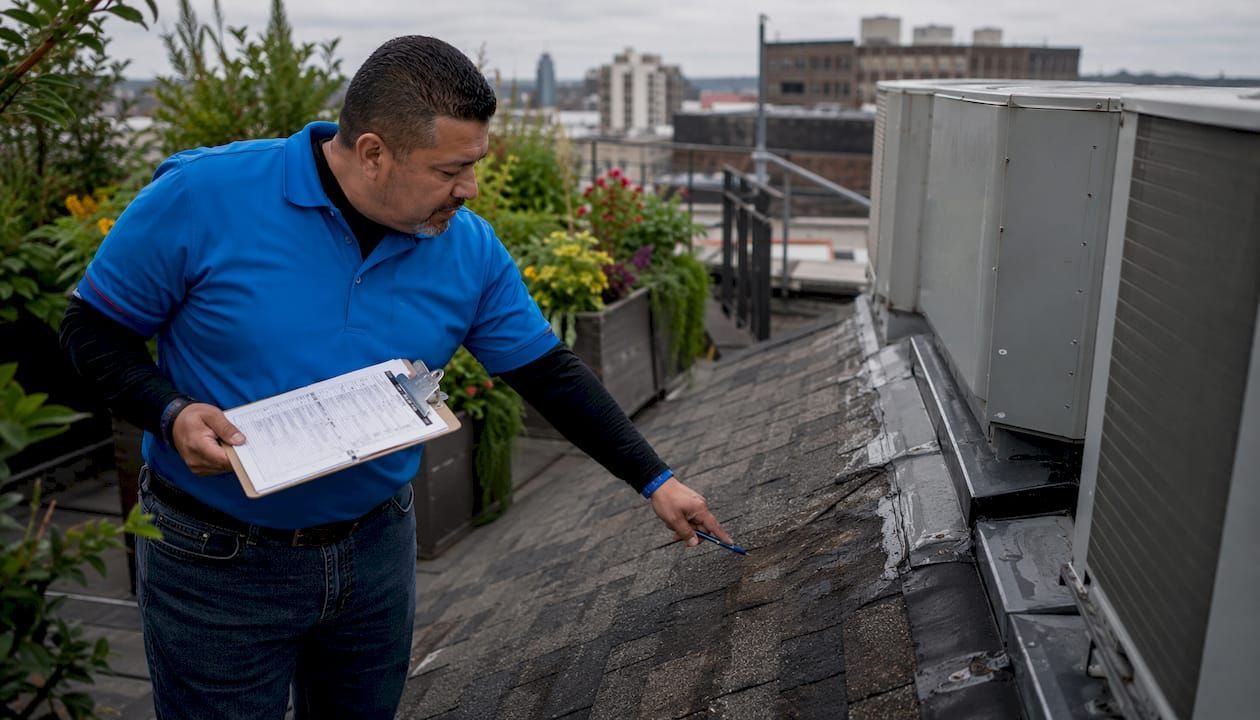
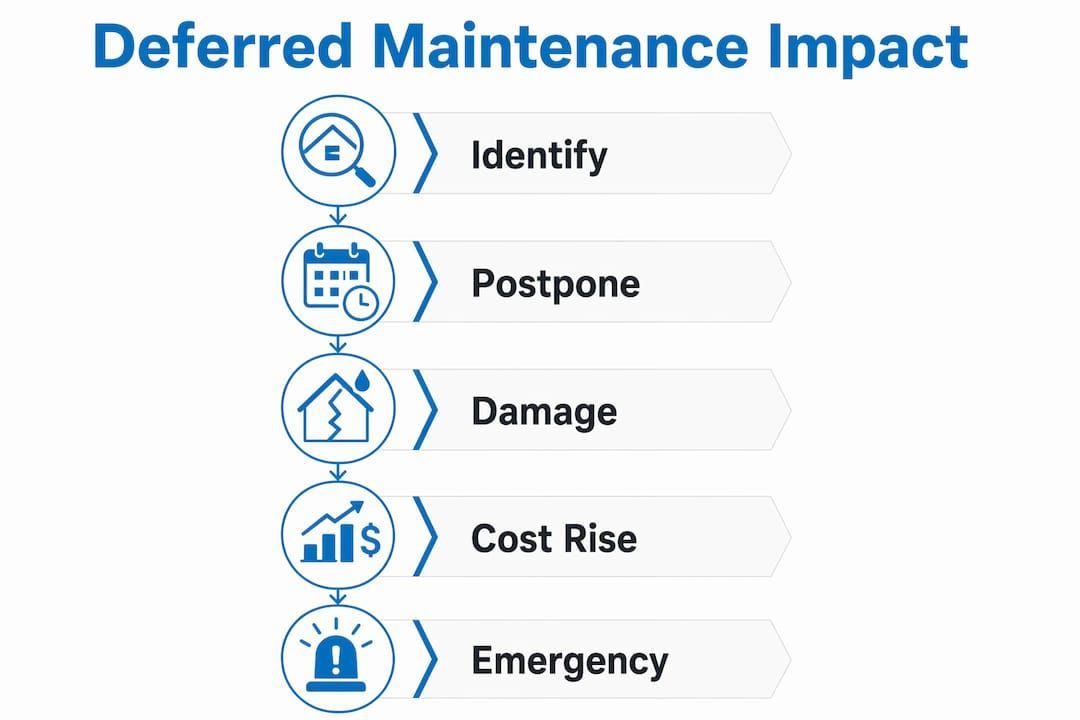
Deferred roof maintenance is routine roofing upkeep that was identified, scoped, and then postponed. The Federal Accounting Standards Advisory Board ( FASAB) defines it as maintenance and repair activities that were not performed when they should have been and are put off to a future period. In plain terms: you knew the pipe boot was cracked, the drain was clogged, or the flashing was lifting — and you delayed the fix. That delay doesn't freeze the problem. It compounds it. The National Roofing Contractors Association and industry benchmarks consistently show deferred repairs escalating significantly within a few years. When treated as a budget shortcut, deferred roof maintenance functions more like a high-interest liability — one that grows quietly until it demands a much larger payment.
What exactly counts as deferred roof maintenance?
The formal definition draws a clear line between maintenance and capital work. Maintenance keeps an asset in acceptable condition. Capital improvements expand capacity or upgrade function. That distinction matters for your taxes, your reserves, and your insurance — and FASAB's Statement 40 codifies it for U.S. accounting purposes.
On a roof, deferred maintenance looks like this:
- Displaced or missing coping caps
- Cracked or deteriorated pipe boots
- Failed sealants around penetrations and curbs
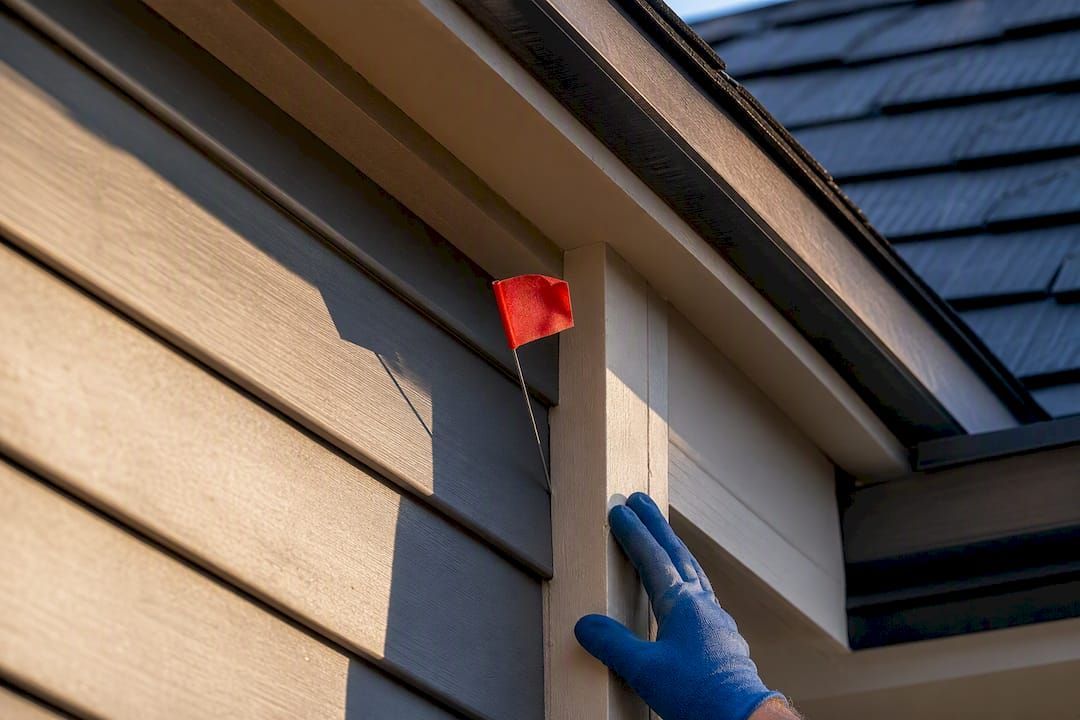
- Damaged or lifted flashing at walls, drains, and edges
- Clogged roof drains and scuppers
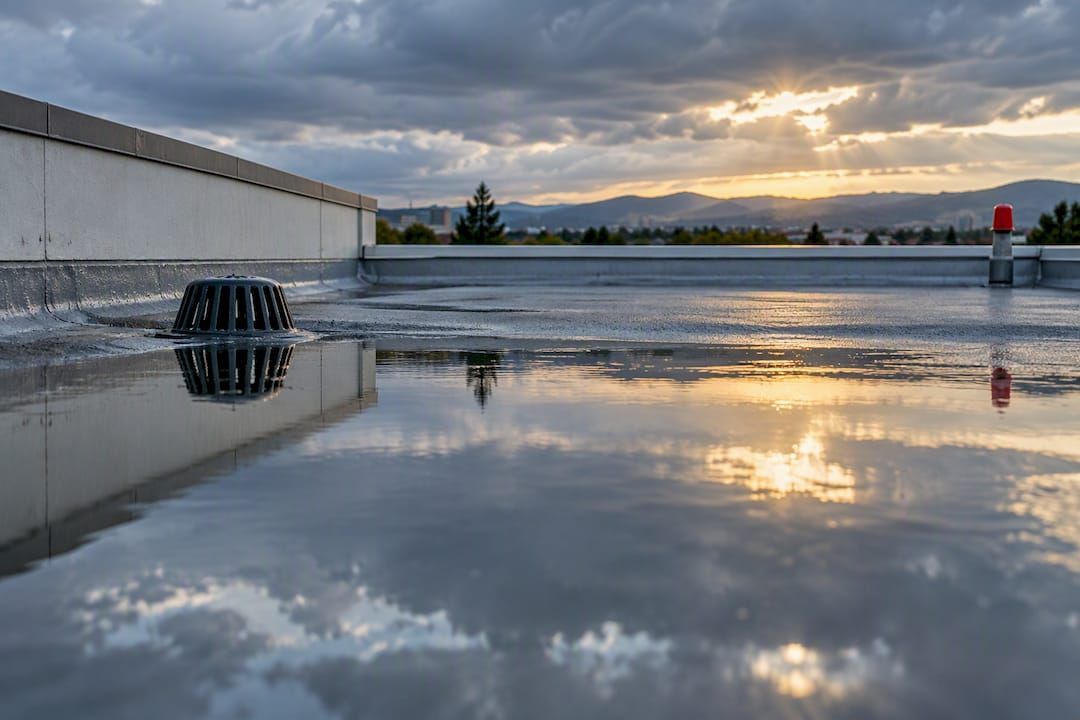
- Ponding water left unaddressed after rain
- Small membrane tears or open seams
- Gutters pulling away from the fascia
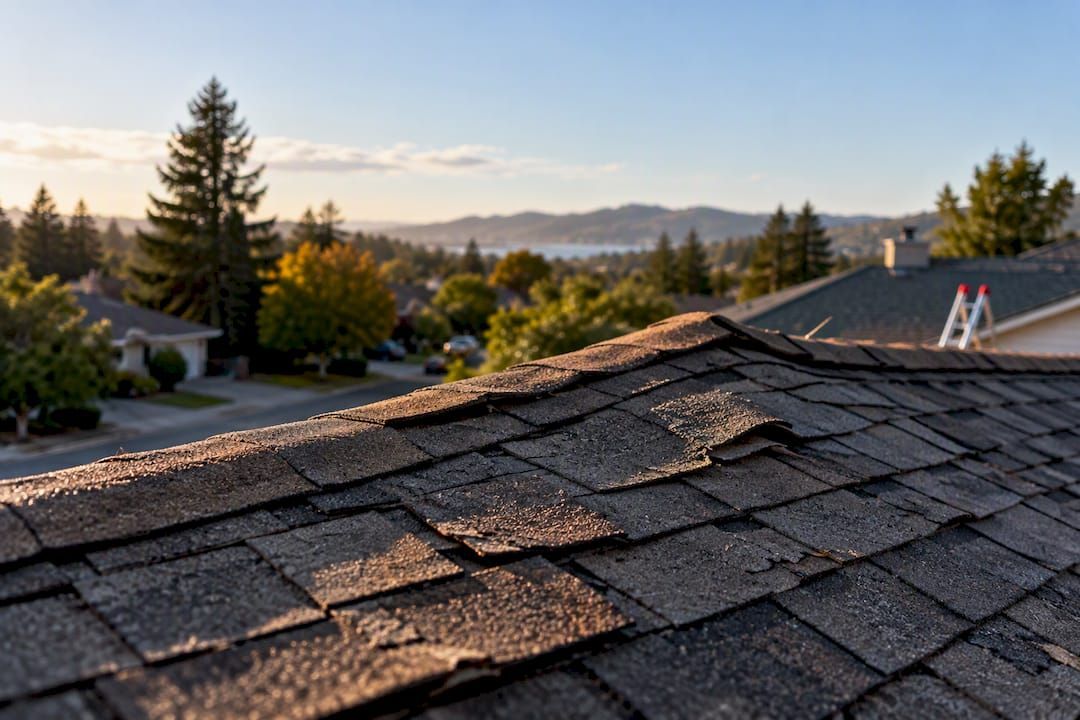
Each of those items starts as a minor repair. Postpone them long enough and water intrusion begins, saturating insulation and rotting structural decking. At that point, you've crossed from a maintenance expense into a capital replacement — and you've likely lost the immediate tax deduction that a timely repair would have given you.
Pro Tip: Keep a running log of every identified roof issue with the date it was first noted. That log is your paper trail for insurance, accounting, and contractor negotiations.
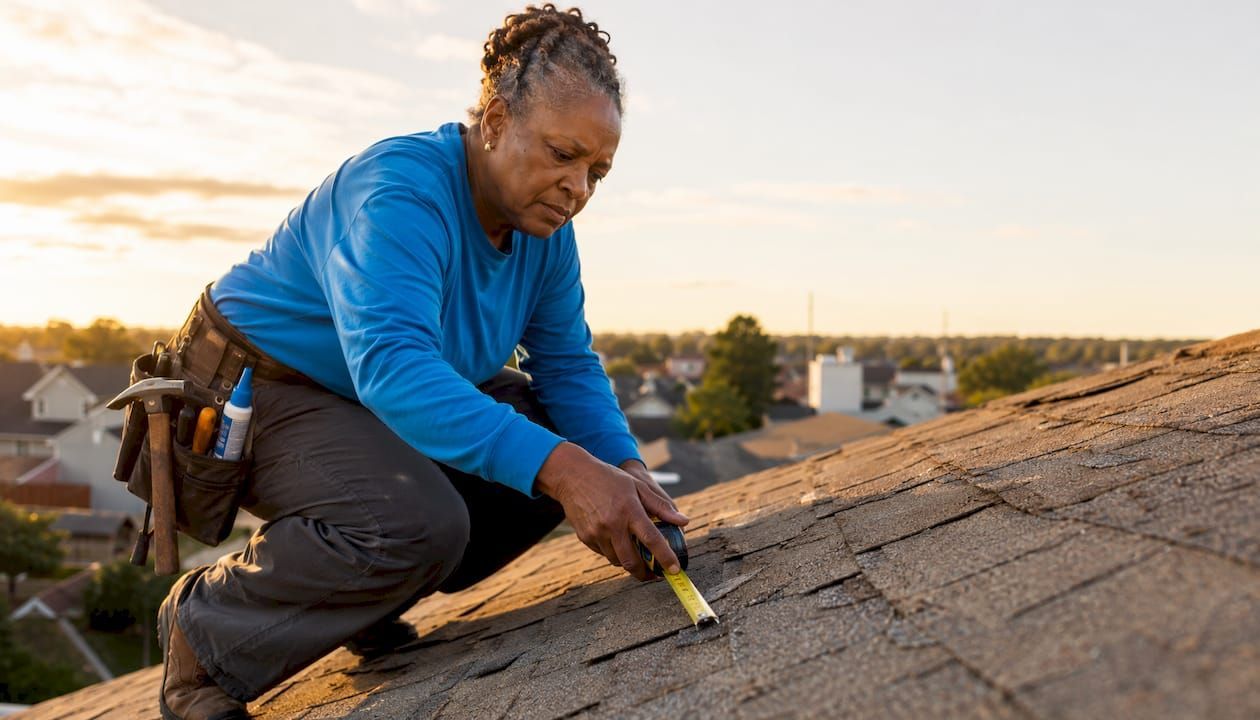
Why do property owners and managers keep deferring roof work?
The most common driver is straightforward: competing budget priorities. A roof that isn't actively leaking rarely feels urgent when HVAC systems, parking lots, and tenant improvements are also demanding capital. Maintenance gets pushed to next quarter, then next fiscal year.
Staffing constraints compound the problem. Facility managers juggling multiple properties often lack the bandwidth to schedule and oversee routine inspections. When no one owns the task, it slips.
HOA governance adds another layer of friction. Board members may disagree about whether a repair falls under the association's responsibility or a unit owner's. Authorization processes require votes, vendor bids, and reserve fund approvals — all of which take time. Meanwhile, the flashing keeps lifting. Behavioral factors matter too: visible problems (a broken gate, a cracked sidewalk) get addressed because residents see them. A roof issue stays invisible until water appears on a ceiling.
How to spot deferred maintenance on your roof
A structured inspection is the fastest way to find and document problems before they compound. Use this checklist every spring and fall, and always after a major storm.
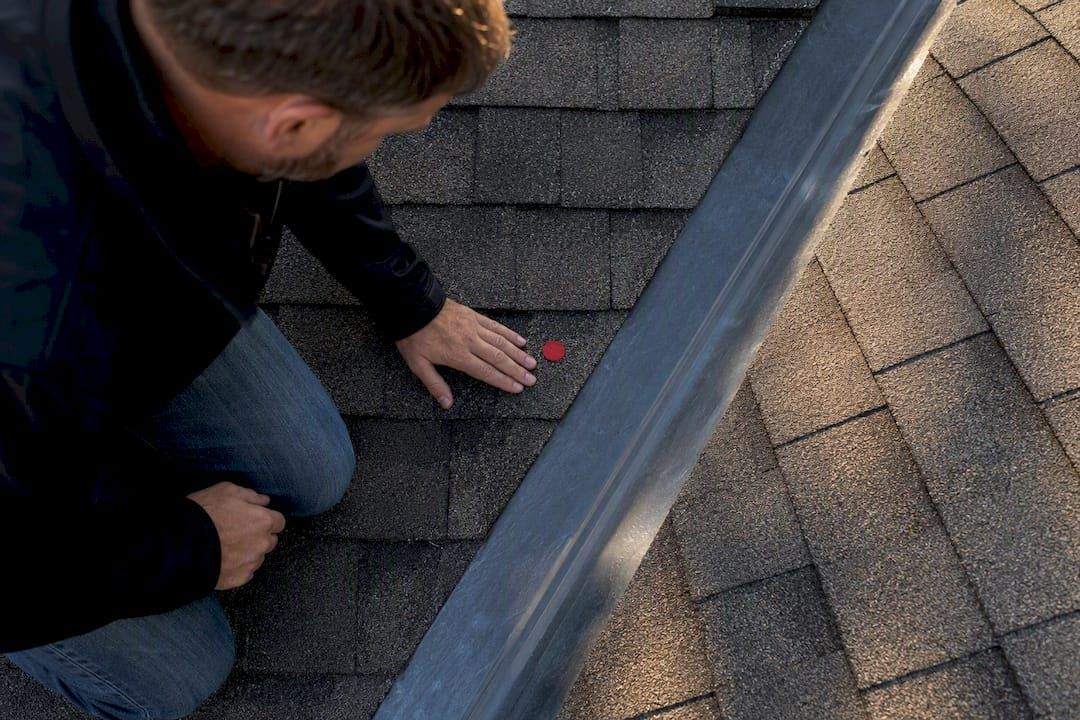
- Roof surface: Walk the field membrane or shingle surface. Look for blistering, granule loss, open seams, tears, and areas of standing water or staining.
- Drains and scuppers: Clear debris and confirm water flows freely. Clogged drains accelerate surface degradation and create structural loading risk, especially after heavy rain.
- Flashings: Check all wall-to-roof transitions, curbs, and edge metal. Look for lifting, separation, or rust.
- Penetrations: Inspect every pipe boot, HVAC curb, and skylight frame for cracked sealant or open gaps.
- Membrane seams: On flat or low-slope roofs, probe seams for adhesion failure or fishmouthing.
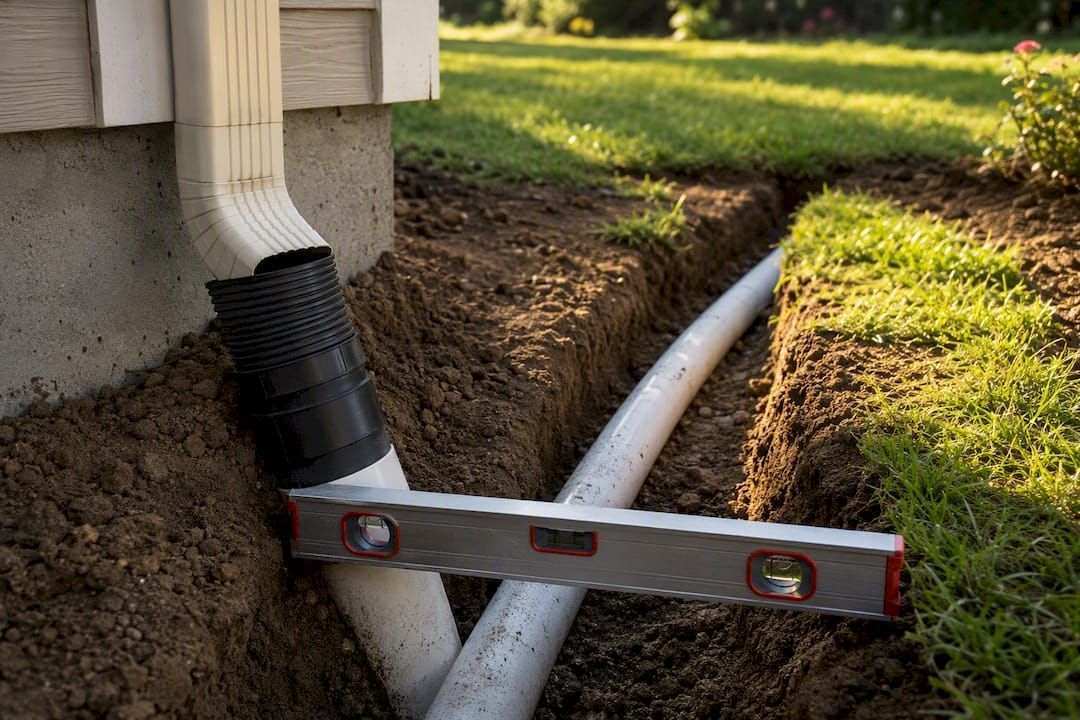
- Gutters and downspouts: Check for sagging, separation from the fascia, and blockages. Confirm downspouts discharge away from the foundation.
- Interior signs: Check ceilings, walls, and attic spaces for water stains, mold, or soft spots — these often reveal leaks that haven't yet surfaced on the roof itself.
For each item found, assign a quick risk rating: Low (cosmetic, no active water path), Medium (potential water path within one season), or High (active leak or structural concern). Date-stamp every photo and annotate it with the location on the roof. That documentation supports insurance claims and accounting records.
Pro Tip: A commercial roof inspection checklist tailored to your roof type — TPO, modified bitumen, metal, or tile — catches issues that a generic walkthrough misses.
The real costs of putting off roof repairs
A small sealant failure costs a few hundred dollars to fix. Leave it for two rainy seasons and you're looking at saturated insulation, rotted decking, and potentially mold remediation — a bill that can run into the tens of thousands. That's the direct cost story. The indirect costs are just as damaging.
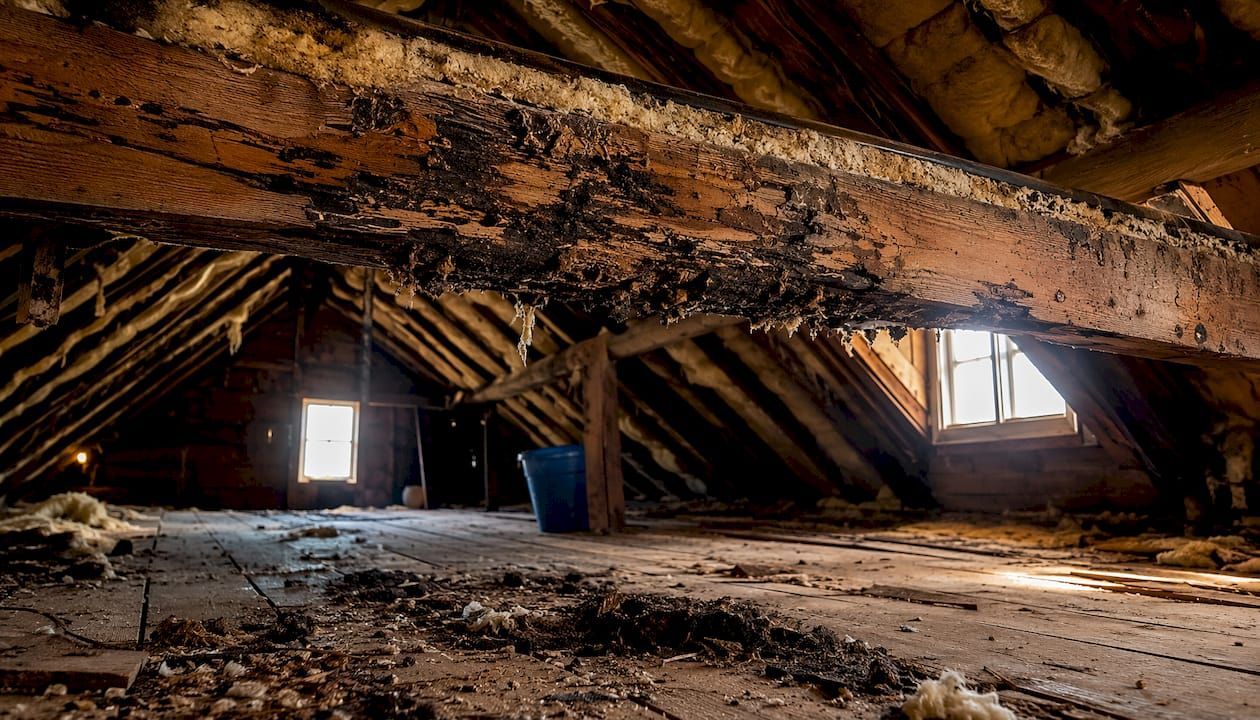
Water intrusion doesn't stay on the roof. It migrates into electrical systems, damages interior finishes, destroys inventory in commercial spaces, and triggers business interruption. Tenants notice. Lease renewals get harder to close, and vacancy rates climb.
Insurance compounds the risk further. Carriers commonly exclude damage resulting from "deterioration, neglect, or inadequate maintenance," and modern underwriters use aerial imagery and roof condition databases to identify pre-existing conditions before paying a claim. If your roof had documented issues before a storm hit, the insurer may reduce or deny the claim entirely. A property with a neglected roof also appraises lower and attracts fewer qualified buyers or tenants — the asset value erosion is real and measurable.
How repair costs grow the longer you wait
Think of it like a small crack in a car windshield. Fix it immediately for $50. Wait until it spreads across the glass and you're replacing the whole windshield for $400. Roof damage follows the same non-linear pattern, only the numbers are larger.
Industry benchmarks show repair costs growing 2–5x within a few years, with emergency repairs costing 3–10x more than preventive maintenance. Extreme compounding cases have been reported, with costs reaching up to 600% of the original repair if deferred long enough. The Congressional Research Service and vendor reporting support these escalating multipliers.
| Time Frame | Typical Condition | Cost Relative to Original Repair |
|---|---|---|
| — | Isolated failure (cracked sealant, small tear) | 1x baseline |
| — | Water path established, insulation beginning to saturate | 2–3x baseline |
| 2–5 years | Decking damage, interior finishes affected, mold risk | 4–6x baseline |
| 5+ years | Structural compromise, full system replacement likely | 6–10x baseline or higher |
Some industry cases document multipliers up to 600% in the most severe instances.
The U.S. Department of the Interior confirms this pattern across its own building portfolio: the longer maintenance is deferred, the more expensive and disruptive the eventual repair or replacement becomes. Proactive maintenance programs can reduce lifecycle costs compared to reactive strategies — a meaningful return on a modest annual maintenance budget.
How to prevent deferred maintenance from building up
Prevention comes down to a simple commitment: scheduled, documented, funded. Here's what a practical maintenance program looks like:
- Annual inspection: Professional inspection every spring, with a second walkthrough each fall before rainy season.
- Minor repairs on a rolling basis: Address every Low and Medium item from your inspection within 30–60 days. Don't batch them into a single annual project.
- Seasonal drain clearing: Clear drains and gutters before fall rains and after any major storm. Gutter and drainage maintenance is one of the highest-return, lowest-cost items on any roof maintenance program.
- Post-storm protocol: Inspect within 48 hours of any significant weather event. Document damage with date-stamped photos, arrange temporary repairs if needed, and compile a written estimate before filing any insurance claim.
- Reserve funding: Budget 1–2% of the roof's replacement value annually for maintenance and minor repairs. Adjust upward as the roof ages past its midpoint.
- Recordkeeping: Maintain a single file per property with inspection reports, repair invoices, photos, and warranty documents. This file is your first line of defense in an insurance dispute.
A formal maintenance program also positions you better with underwriters. Carriers scrutinize roofs at renewal; documented maintenance history signals a lower-risk property.
Pro Tip: Coordinate your roof maintenance schedule with your capital plan. If a replacement is projected in 3–5 years, a roof coating may extend service life and defer that capital spend cost-effectively.
When should you repair versus plan for replacement?
Repair is the right call when the damage is localized, the roof is within its expected service life, and the repair addresses the root cause rather than just the symptom. Replacement planning makes more sense when:
- The roof has exceeded its expected service life (typically 15–25 years for flat membrane systems, 25–30 years for asphalt shingles)
- You've made the same localized repair two or more times in the same area
- More than 25% of the roof surface shows active damage or saturation
- Decking failure is present in multiple locations
- Code compliance or warranty requirements demand a full system
Before committing either way, get a formal condition assessment with a life-cycle cost estimate. A qualified contractor should be able to show you the projected cost of continued repairs versus a planned replacement over a 10-year horizon. That comparison often makes the decision obvious.
Insurance, HOA reserves, and the legal side of deferred maintenance
Insurance policies routinely exclude losses tied to neglect or deterioration. If an adjuster finds evidence of pre-existing deferred maintenance, your claim may be reduced or denied — even if a storm caused the triggering event. Documented inspection records and repair invoices are your best protection. They demonstrate that you maintained the property in good faith.
For HOA boards, deferred roof maintenance carries a fiduciary dimension. Board members have a legal duty to fund and execute maintenance that protects the common property. Failing to act on known roof deficiencies can expose the board to liability from unit owners whose property is damaged by a roof failure. Reserve studies should reflect the actual condition of the roof, not an optimistic assumption — and when deferred work exists, the reserve contribution should be sized to fund catch-up repairs on a defined timeline.
The tax angle is often overlooked. Routine repairs are generally deductible in the year they're performed. But when neglect forces a full replacement, accounting rules may require capitalization — spreading the cost over the asset's depreciation schedule rather than deducting it immediately. That's a real cash-flow penalty on top of the higher repair bill.
This article provides general information, not legal, tax, or insurance advice. Confirm the current rules for your specific situation with a qualified professional.
Questions to ask a roofing contractor before you hire
Addressing a backlog of deferred maintenance requires the right contractor. Use this checklist to vet proposals and protect yourself.
- What inspection method do you use? Ask whether they perform infrared scans, core cuts, or visual-only assessments. The method should match the roof type and suspected damage.
- Can you provide a line-item estimate? Vague scopes ("repair as needed") are a red flag. You need unit pricing for each repair so you can compare bids and track costs.
- What is your timeline for completing the work? Get a written schedule with start and completion dates, especially for urgent repairs before rainy season.
- What warranty do you offer on repairs? Ask for written warranty terms covering both materials and labor.
- Do you carry general liability and workers' compensation insurance? Request certificates of insurance before work begins.
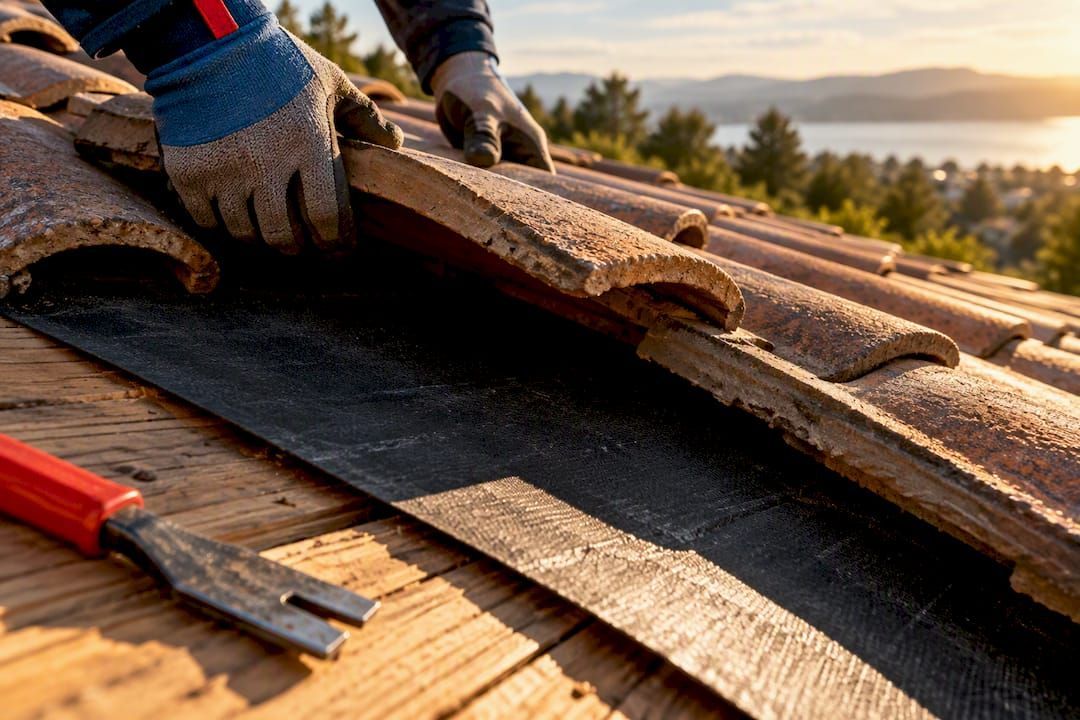
- Can you provide references from similar property types? A contractor who regularly works on commercial flat roofs may not be the right fit for a tile HOA community, and vice versa.
- What documentation will you provide after the job? You should receive a signed inspection report, annotated photos, a completed work order, and any updated warranty documentation.
Watch for these red flags: unusually low bids with no scope detail, contractors who discourage written documentation, and proposals that recommend full replacement on a roof that a second opinion might repair. A trustworthy contractor explains the repair workflow clearly and puts everything in writing.
Key Takeaways
Deferred roof maintenance is a compounding liability: the longer routine repairs are postponed, the more expensive and disruptive the eventual fix becomes.
| Point | Details |
|---|---|
| Definition matters | Deferred maintenance is identified work that was postponed — distinct from capital improvements under FASAB standards. |
| Costs escalate fast | Industry benchmarks and federal agency data show repair costs growing 2–5x within a few years, with emergency repairs potentially costing 3–10x more, and severe cases sometimes escalating up to 600% of the original repair cost. |
| Insurance is at risk | Carriers exclude neglect-based damage; documented maintenance records are your best defense against claim denial. |
| Prevention pays | Proactive maintenance programs can reduce lifecycle costs compared to reactive repair strategies. |
| Shieldguardroofing | Shieldguardroofing offers inspections, scheduled maintenance, and repair services across Northern California to help property owners address and prevent deferred maintenance. |
Why timely maintenance is the only strategy that actually works
The conventional wisdom says deferred maintenance is a budget problem. Fix the funding and you fix the roof. That framing misses the real issue.
In the field, the pattern repeats constantly: a small sealant failure around an HVAC curb gets noted in an inspection report, flagged as "monitor," and then forgotten. Two years later, the insulation beneath it is saturated, the decking is soft, and what should have been a $300 repair is now a $12,000 deck replacement. The funding wasn't the obstacle — the decision to act was.
Property managers and board members often treat roof maintenance as discretionary because the roof is invisible. You don't walk past it every day the way you walk past a cracked parking lot. That invisibility is exactly why it needs a formal schedule, not just good intentions. A roof inspection program with a written record creates accountability that "we'll get to it" never does.
The other thing worth saying plainly: the 2–5x cost multiplier is a conservative estimate. When water reaches electrical systems, triggers mold remediation, or forces tenant relocation, the real cost of that deferred repair is far higher than any benchmark captures. The roof is the first line of defense for everything underneath it. Treating it as a low-priority line item is one of the most expensive decisions a property steward can make.
Stop deferred maintenance before it becomes a crisis
Shieldguardroofing works with homeowners, property managers, and HOA boards across Northern California to catch roof problems early — before a $400 repair becomes a $40,000 replacement. With over 75 combined years of roofing experience and premium materials from GAF, GAF Energy, and Brava, the team delivers honest assessments, line-item estimates, and maintenance programs built around your property's actual condition.

Whether you need a professional inspection to document your current roof condition, a targeted repair to close out a known backlog item, or a commercial maintenance contract that keeps your reserve study current, Shieldguardroofing provides the documentation and workmanship your insurance carrier and accountant expect to see. Residential property owners can request a roof repair assessment online; commercial property managers and HOA boards can reach out directly for a site visit and written condition report. Don't let another rainy season make the decision for you.
Useful sources and further reading
The following sources informed this article and are worth bookmarking for deeper reference:
- Federal Accounting Standards Advisory Board (FASAB) — Statement 40: The authoritative U.S. government accounting definition of deferred maintenance and repairs, and the maintenance-vs.-capital distinction.
- U.S. Department of the Interior — Deferred Maintenance and Repair: Real-world context on how deferred maintenance grows over time and why insufficient preventive investment drives compounding costs.
- Congressional Research Service — Deferred Maintenance at Civilian Agencies: Policy analysis of causes, risks, and cost escalation, including the 3–10x emergency repair multiplier.
- IA Magazine — The True Cost of Deferred Roof Maintenance: Roof-specific failure examples, insurance implications, and the role of documented maintenance programs.
- LegalClarity — Deferred Maintenance Meaning, Costs, and Legal Risks: Tax and accounting consequences when deferred repairs become capitalized replacements.
- RoofPredict — How to Explain Deferred Maintenance: Industry cost-multiplier benchmarks, lifecycle savings data, and practical communication guidance for property managers.
- Banner — What Is Deferred Maintenance?: Accessible overview of the high-interest liability framing and non-linear cost growth concept.
Recommended