Types of Impact Resistant Roofing Materials: A Homeowner's Guide
Types of Impact Resistant Roofing Materials: A Homeowner's Guide
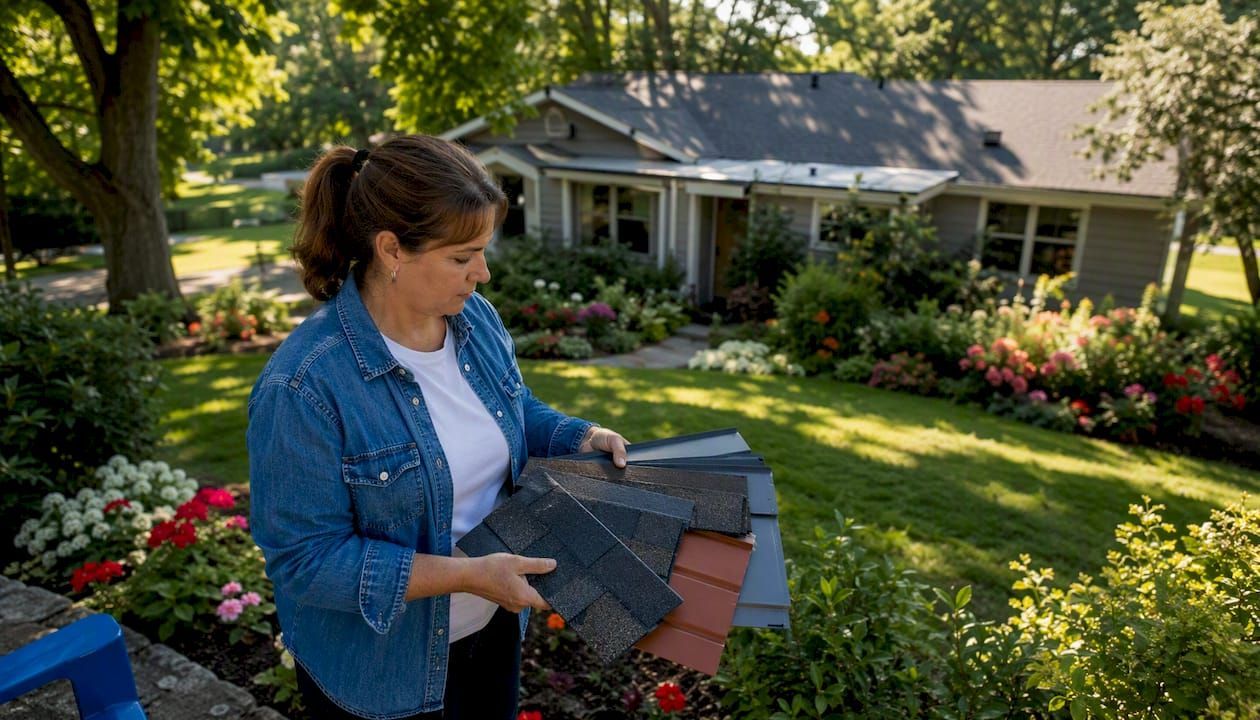
For most homeowners, the best starting point is Class 4 SBS-modified asphalt shingles — they deliver the highest UL 2218 rating at the lowest installed cost and qualify for insurance discounts in most hail-prone states. If budget allows and longevity is the priority, standing-seam metal or natural slate push lifespan well beyond 50 years. Polymer/composite synthetic shingles are the right call when you want cosmetic recovery after impact. Concrete tile works well where mass and thermal performance matter. For flat or low-slope roofs, SBS-modified bitumen cap sheets are the proven choice.
Before you commit to any of these, two ratings matter most:
- UL 2218 Class 1–4: The industry-standard impact test for steep-slope materials. Class 4 is the highest and the one most insurers recognize for premium discounts.
- FM 4473/FM 4470: The Factory Mutual equivalent, used primarily for commercial and low-slope assemblies. Some residential products carry both.
Always verify the specific product code on the manufacturer's spec sheet, not just the marketing language on the package. A product labeled "impact resistant" without a listed UL or FM product code is not verified.
What types of impact resistant roofing materials are available?
Impact-resistant roofing, formally classified under UL 2218 and FM 4473, covers several distinct material families. Each handles impact energy differently: some deflect it, some absorb it through mass, and some flex and recover. Matching the right mechanism to your local hazard profile and home structure is the real decision.
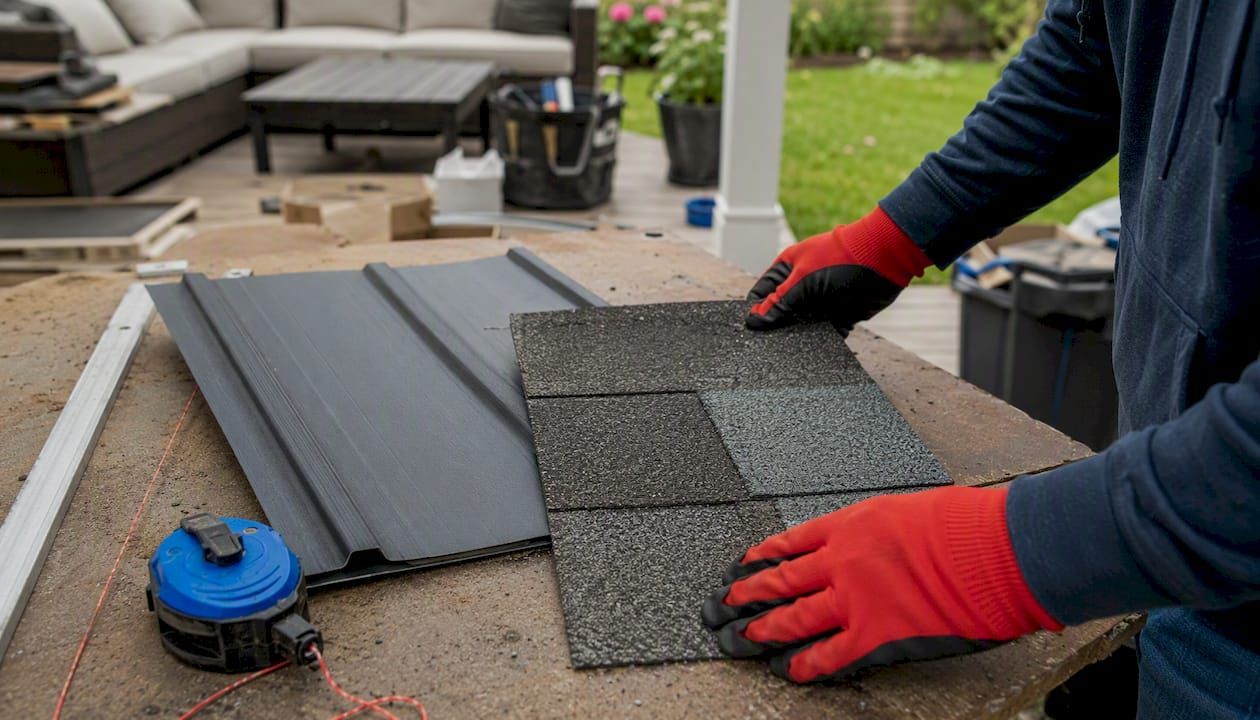
Class 4 asphalt shingles (SBS and scrim-backed)
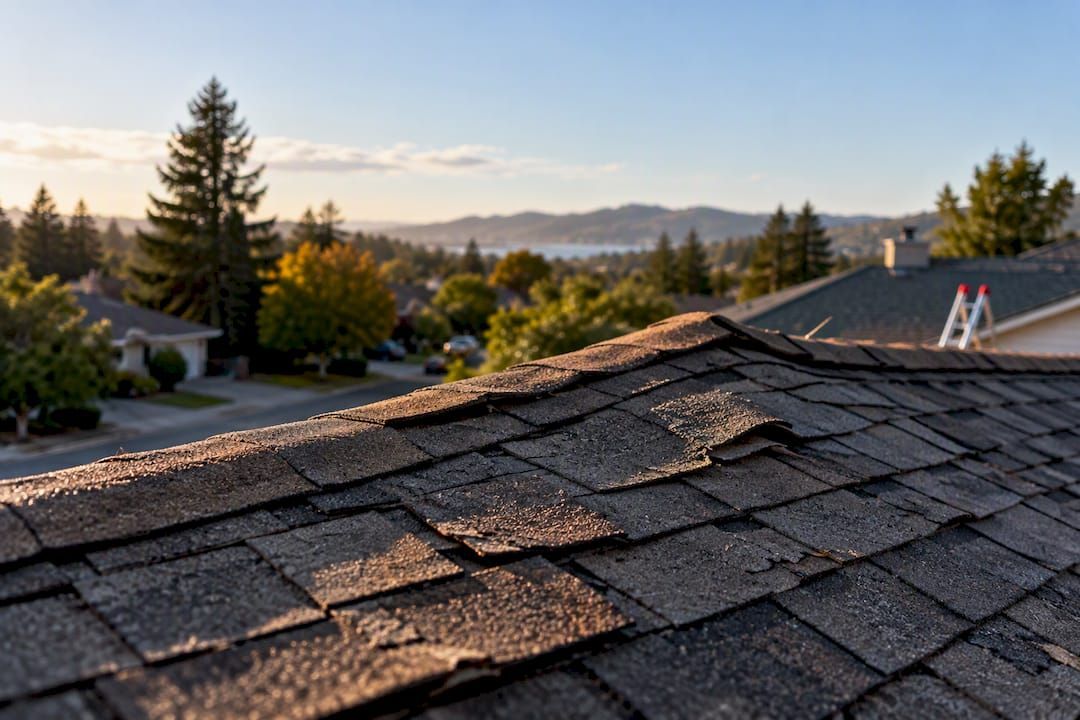
SBS-modified asphalt shingles are the most widely installed impact-resistant option in the U.S., and for good reason. SBS (styrene-butadiene-styrene) modification adds a rubber-like polymer to the asphalt matrix, which increases flexibility and improves granule adhesion — two properties that directly drive Class 4 performance. Standard architectural shingles use a stiffer asphalt that cracks under repeated impact; SBS-modified versions flex instead.
IBHS testing found polymer-modified IR shingles performed 20–50% better across several projectile sizes compared with traditional IR shingles. That gap is meaningful when a hailstorm drops multiple stones on the same spot.
Scrim-backed shingles use a fiberglass mesh reinforcement layer instead of polymer modification. They also reach Class 4, but their impact mechanism is different: the scrim distributes impact load rather than flexing through it. Both types are widely available, and both qualify for most insurer discounts when the product code is documented.
Pros: Lowest installed cost among Class 4 options, widely available, compatible with most existing roof decks, familiar to most contractors. Cons: Shorter lifespan than metal or slate (typically 25–30 years for premium IR shingles), granule loss is still possible over time, cosmetic damage can occur under very large hail.
You can read more about asphalt shingle grading for NorCal homes if you want a deeper look at how Class ratings translate to real-world performance in Northern California's climate.
Standing-seam metal roofing
Metal roofing handles impact through deflection and tensile strength rather than mass. A steel or aluminum panel does not absorb a hailstone — it resists puncture and springs back. Most metal roofing systems achieve Class 4 under UL 2218, and standing-seam profiles (where fasteners are hidden under the seam) are particularly strong because there are no exposed fastener points to fail.
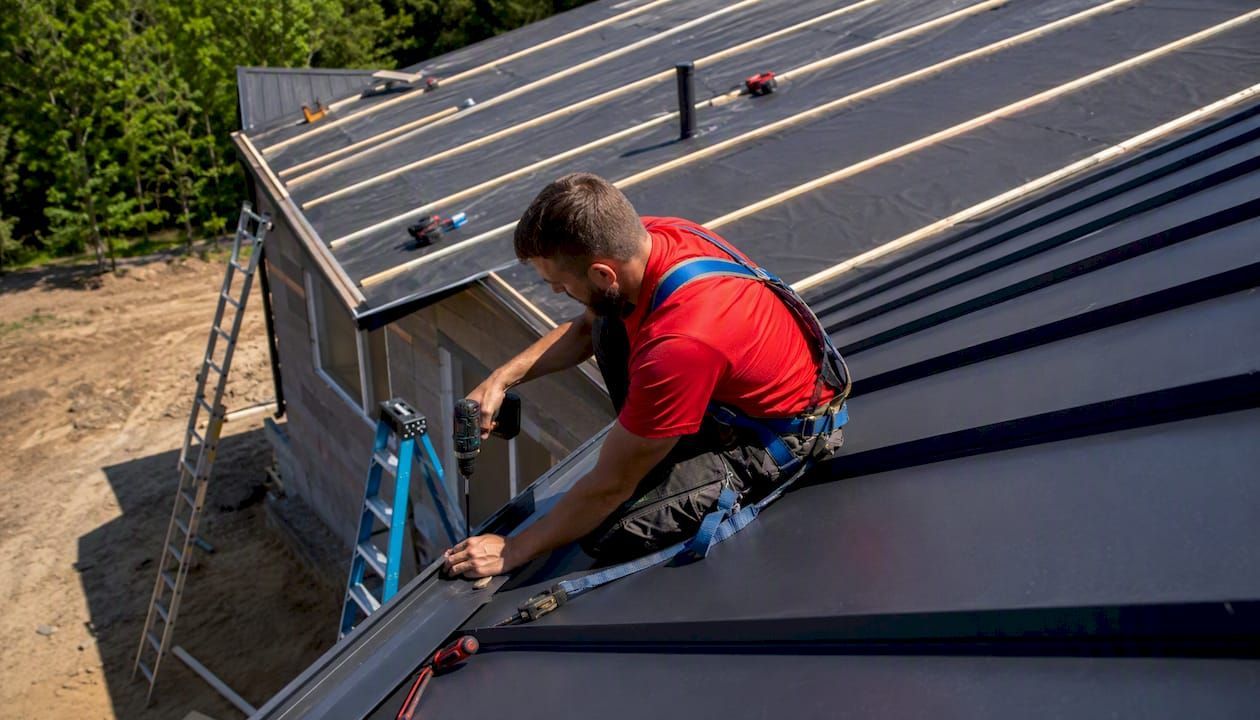
The honest caveat: metal can dent cosmetically under large hail, even when it maintains full structural integrity and watertight performance. A dented panel does not leak. But if your HOA or neighborhood aesthetic standards are strict, visible denting may be a concern worth discussing with your insurer before you choose this material.
Lifespan for quality steel or aluminum standing-seam systems runs 40–70 years with minimal maintenance. Installed cost is higher than asphalt, typically in the medium-to-high range, and the panels are lighter than tile, which reduces structural load concerns.
Pros: Exceptional longevity, Class 4 performance, low maintenance, excellent for high-wind and hail-prone areas, compatible with solar panel integration. Cons: Higher upfront cost, cosmetic denting possible under very large hail, requires experienced installers for proper seam and flashing work.
For a detailed look at metal performance on commercial buildings, the metal roofing guide for commercial properties covers installation considerations that apply to residential steep-slope systems as well.
Polymer and composite synthetic shingles
Polymer/composite shingles are engineered from rubber, plastic, or recycled polymer blends — sometimes incorporating reclaimed rubber or plastic materials. Their defining advantage is flex-and-recover behavior: certain polymer systems are designed to flex on impact and spring back, limiting cosmetic damage in ways that brittle materials cannot match.
Some manufacturers claim resistance to very large hail, though claims vary by product and should be verified against the specific UL product listing, not marketing copy. Most quality polymer shingles achieve Class 4 and are lighter than concrete or slate, which matters if your framing has limited load capacity.
Pros: Cosmetic recovery after impact, lightweight, often made from recycled materials, Class 4 achievable, good aesthetic variety. Cons: Manufacturer claims vary widely — verify the product code; some products have shorter track records than asphalt or metal; cost is typically medium-to-high.
Concrete tile
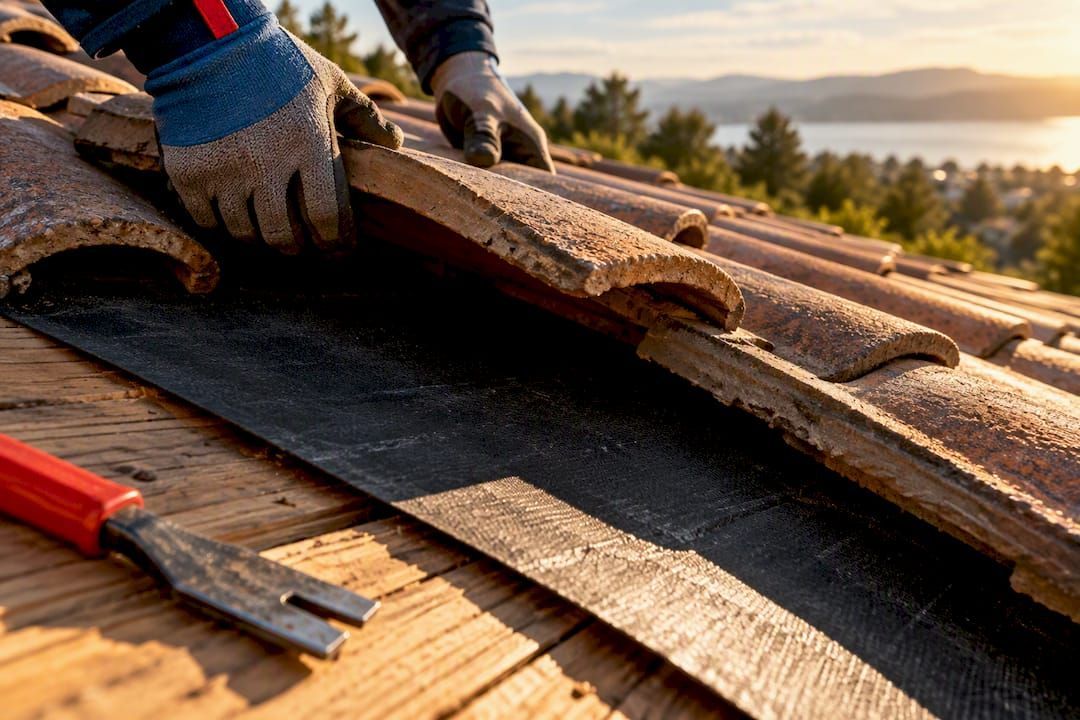
Concrete tile works through mass absorption. A thick, dense tile simply absorbs and distributes impact energy rather than deflecting or flexing. Concrete tiles commonly reach Class 3 or Class 4 where designed for impact resistance, and they are less brittle than clay, which makes them more forgiving under hail.
The structural implication is significant: concrete tile typically weighs 9–12 lbs per square foot, which requires engineered roof framing. If your home was not built for tile, adding it means a structural assessment first. Lifespan runs 40–50 years with proper maintenance, and the thermal mass helps moderate attic temperatures in hot climates.
Pros: High mass absorption, Class 3–4 achievable, long lifespan, excellent thermal performance, strong aesthetic appeal in Mediterranean and Spanish-style homes. Cons: Heavy — requires structural verification; can crack if walked on incorrectly; higher installed cost; regional contractor availability varies.
Clay tile
Clay tile is beautiful and durable in mild climates, but it is more brittle than concrete under impact. Many clay tiles do not achieve Class 4 ratings, and some fail at Class 3. If you are in a hail-prone area and prefer tile aesthetics, concrete tile is the more practical choice for impact resistance. Clay tile remains an excellent option in coastal and mild-weather regions where hail is rare.
Natural slate
Natural slate is one of the heaviest and most durable roofing materials available, with lifespans that can exceed 100 years on well-maintained installations. Its impact performance depends on thickness and grade: thicker slates absorb impact through mass, but thinner grades can crack under large hail. Slate is not universally Class 4 — the rating depends on the specific product and thickness tested.
Weight is the primary constraint: slate runs 10–20 lbs per square foot depending on thickness, requiring substantial structural support. Installed cost is the highest of any material discussed here.
SBS-modified bitumen and BUR for low-slope roofs
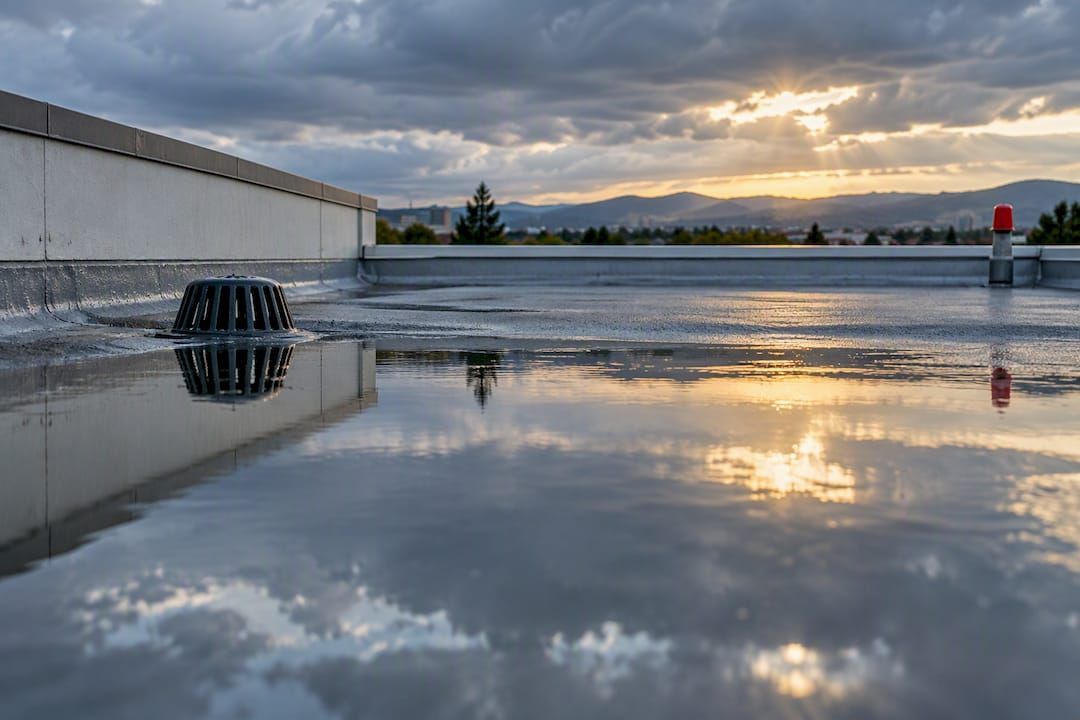
Flat and low-slope roofs use different systems entirely. SBS-modified bitumen cap sheets and multi-ply built-up roofing (BUR) systems can perform at a Class 4 level in lab testing. BUR with a gravel surface cap has historically been one of the most hail-resistant assemblies available — the gravel layer absorbs and distributes impact before it reaches the membrane.
SBS-modified bitumen sheets absorb impact through flexibility and thickness. For commercial and low-slope residential applications, these are the standard impact-resistant choices. FM 4473 and FM 4470 assembly ratings are the relevant certifications to verify for these systems.
Pro Tip: When evaluating low-slope systems, ask for the FM assembly number, not just the membrane product rating. The full assembly — including insulation board type and thickness — determines the FM rating, not the membrane alone.
What do UL 2218 and FM ratings actually mean?
The UL 2218 standard is the benchmark for impact resistance on steep-slope roofing in the U.S. Testing uses steel balls of increasing diameter dropped from specified heights to classify materials into four classes:
- Class 1: 1.25-inch steel ball dropped from 12 feet, twice in the same spot.
- Class 2: 1.5-inch steel ball dropped from 15 feet, twice in the same spot.
- Class 3: 1.75-inch steel ball dropped from 17 feet, twice in the same spot.
- Class 4: 2.0-inch steel ball dropped from 20 feet, twice in the same spot — no cracking or fracture allowed.
Class 4 is the highest classification and the one most insurers require for premium discounts. FM 4473 is the Factory Mutual equivalent, used primarily for commercial and low-slope assemblies, and it uses a similar projectile methodology with additional assembly-level requirements.
Lab tests vs. real storms
Here is where homeowners need to be careful. UL 2218 lab testing is a controlled proxy and does not guarantee immunity in field storms. Real hail varies in shape, density, and impact pattern. A single round steel ball dropped twice in the same spot is a repeatable test, but a hailstorm delivers irregular ice shapes at varying angles, often hitting the same area multiple times.
How to verify a product's rating
Industry professionals consistently recommend verifying the product code on the manufacturer's spec sheet and cross-checking it against UL or FM listings — not relying on marketing language alone.
Pro Tip: Ask your contractor to include the exact manufacturer product code in the written proposal. Then go to the UL Product iQ database or FM Approvals directory and confirm that specific code carries the claimed rating. Save that documentation for your insurance file.
How do cost, lifespan, and weight compare across materials?
| Material | UL Class (typical) | Lifespan | Installed cost (rough range) | Weight (per sq ft) | Maintenance | Insurance discount eligibility | U.S. availability |
|---|---|---|---|---|---|---|---|
| Class 4 SBS asphalt shingles | Class 4 | 25–30 years | Low–medium | 2–4 lbs | Low | Yes, widely | Nationwide |
| Standing-seam metal | Class 4 | 40–70 years | Medium–high | 1–3 lbs | Very low | Yes, widely | Nationwide |
| Polymer/composite synthetic | Class 3–4 | 30–50 years | Medium–high | 1–3 lbs | Low | Yes, varies by insurer | Nationwide, growing |
| Concrete tile | Class 3–4 | 40–50 years | Medium–high | 9–12 lbs | Medium | Yes, varies | Nationwide |
| Clay tile | Class 2–3 (varies) | 50–100 years | High | 6–10 lbs | Medium | Varies | Nationwide |
| Natural slate | Class 3–4 (varies by grade) | 75–100+ years | Very high | 10–20 lbs | Low (when intact) | Varies | Nationwide, limited contractors |
| SBS-modified bitumen (low-slope) | Class 4 | 20–30 years | Low–medium | 1–2 lbs | Medium | Yes, varies | Nationwide |
A few points worth noting when reading that table. Higher upfront cost pays off most clearly when you plan to stay in the home long-term, live in a hail-prone area, and your insurer offers a documented discount for Class 4 materials. In those conditions, the premium for metal or polymer composite over standard asphalt can recover through lower insurance premiums and fewer repair calls over a 10–15 year window.
For shorter ownership horizons or lower hail-risk areas, Class 4 SBS asphalt shingles are the pragmatic choice: they deliver the rating at the lowest cost and are the easiest to match if partial replacement is ever needed.
Insurance discounts vary significantly by state and insurer. Obtaining the product code and documented UL or FM listing is often required to receive a verified discount — a verbal confirmation from your contractor is not enough. Contact your insurer directly before installation to confirm what documentation they require and what discount percentage applies to your policy.
How do you choose the right impact resistant material for your home?
Start with four screening questions before you look at a single product catalog.
1. What is your roof slope? Low-slope roofs (under 2:12 pitch) require membrane systems, not shingles or tile. Steep-slope materials need a minimum pitch to drain properly.
2. What is your local hail and wind risk? FEMA's National Risk Index and NOAA's Storm Prediction Center both publish hail frequency maps by county. If you are in a high-frequency zone, Class 4 is not optional — it is the baseline.
3. Can your roof framing support the material? Concrete tile and slate require structural verification. Metal and polymer shingles generally do not. Ask your contractor for a deck load assessment before pricing tile.
4. Do your HOA or local building codes restrict material choices? Some HOAs prohibit metal roofing for aesthetic reasons. Some jurisdictions require specific fire ratings alongside impact ratings. Verify both before you select a material.
Once you have answered those four questions, use this checklist during contractor conversations:
- Confirm the material achieves UL 2218 Class 4 (or the highest class available for that product).
- Request the exact manufacturer product code and verify it against the UL Product iQ database or FM Approvals directory.
- Ask for the manufacturer's spec sheet — not a brochure, the actual technical data sheet with tested configurations.
- Confirm the roof deck condition: solid sheathing, no soft spots, no spaced decking that would undermine the rating.
- Ask about underlayment specification: synthetic underlayment rated for the application, not standard felt.
- Request the fastening schedule in writing: nail size, pattern, and penetration depth per the manufacturer's installation instructions.
- Confirm both the manufacturer warranty and the contractor's workmanship warranty in writing, with terms and exclusions.
Red flags in a proposal: missing product codes, vague references to "impact-resistant shingles" without a named product, no mention of underlayment type, and no written workmanship warranty. Walk away from any contractor who cannot provide a spec sheet on request.
Which installation details actually change impact performance?
The material rating is only half the equation. The roof deck has a material effect on hail outcomes — a Class 4 product installed over aged, spaced, or soft decking shows higher damage risk than the same product over a solid, well-supported deck. This is one of the most overlooked factors in roofing proposals.
Solid OSB or plywood sheathing, properly fastened and free of rot or delamination, is the foundation. If your existing deck has gaps, soft spots, or is older spaced decking (common in homes built before the 1970s), replacing or overlaying it is not optional — it is part of the impact-resistant system.
Underlayment matters too. A synthetic underlayment with a high tear resistance rating provides a secondary water barrier if the primary material is breached. Standard 15-lb felt is not adequate for a Class 4 installation in a hail-prone area.
Fastening is where many installations fall short. Manufacturers specify nail size, pattern, and penetration depth for a reason: under-driven nails or incorrect spacing allow shingles to lift under wind, which exposes the deck to subsequent hail damage. The fastening schedule in the manufacturer's installation instructions is not a suggestion.
For maintenance, schedule a professional inspection after any significant storm. Between storms, you can do a basic visual check from the ground: look for missing granules in gutters (a sign of shingle surface degradation), lifted or displaced shingles, and any visible dents or cracks on tile or metal. For a structured post-storm approach, the commercial roof inspection checklist covers documentation steps that apply equally well to residential properties.
Pro Tip: Photograph your roof before and after installation, and keep copies of the product spec sheet, UL listing confirmation, and contractor proposal in a dedicated insurance file. When you file a storm damage claim, that documentation can significantly speed up the adjuster's review.
Is an impact resistant roof worth the extra cost?
For most homeowners in hail-prone areas, yes — with conditions. The upgrade pays off most clearly when three factors align: you are in a county with frequent hail events, you plan to own the home for at least 7–10 years, and your insurer offers a documented Class 4 discount.
When those conditions hold, the math tends to work. A Class 4 SBS asphalt shingle upgrade over standard architectural shingles adds cost at installation, but the combination of lower insurance premiums, reduced repair frequency, and longer replacement cycles typically offsets that premium over a 10–15 year horizon. Metal and polymer composite materials carry higher upfront costs but extend that payback window further through longevity.
When the upgrade is less compelling:
- Low hail-risk areas where storm damage is rare and insurance discounts are minimal or unavailable.
- Short ownership horizons (under 5 years) where you will not recoup the premium through savings.
- Homes with structural limitations that make heavier impact-resistant materials impractical without expensive framing upgrades.
On insurance discounts: the discount range varies significantly by state and insurer. Some states with active hail markets offer meaningful premium reductions for verified Class 4 installations; others offer little or nothing. The only reliable way to know your number is to call your insurer before installation, confirm what documentation they require, and get the discount amount in writing. Do not assume a discount exists — verify it.
What homeowners commonly get wrong about impact ratings
A few persistent myths lead homeowners to make poor material choices or skip important verification steps.
"Metal roofs never need repair." Metal roofing is extremely durable, but it can dent cosmetically under large hail, and flashing, seams, and penetrations still require periodic inspection. Denting does not mean leaking, but ignoring flashing maintenance does.
"Tile never cracks." Concrete tile is more impact-resistant than clay, but both can crack — especially if walked on incorrectly. Foot traffic on tile requires stepping at the overlap, not the tile center, where the material is unsupported and most vulnerable to point loads.
"The lab test equals field reality." The UL 2218 test is a repeatable, controlled proxy. Real storms deliver irregular projectiles at varying angles with multiple hits. The test is the best available standard, not a simulation of your next hailstorm.
On HOA and code constraints: some jurisdictions require Class A fire ratings alongside impact ratings, and not every Class 4 material automatically carries both. Verify fire rating requirements with your local building department before finalizing your material choice. HOA restrictions on color, profile, and material type are separate from building codes — check both.
What we see on real jobs: installer notes from Shieldguardroofing
After 75+ combined years of roofing experience across Northern California, a few installation patterns consistently separate roofs that perform well from those that fail early.
The most common field mistake is installing a premium impact-resistant product over a compromised deck. A Class 4 shingle on soft or spaced decking does not perform like a Class 4 shingle on solid OSB. Deck prep is not optional — it is the foundation of the system.
The second most common issue is mixed-product shortcuts: using a non-rated underlayment under a rated shingle, or substituting a different fastener size because the specified nail was not in the truck. Both void manufacturer warranties and can affect insurance eligibility.
Here is what to require in any contract for impact-resistant roofing:
- The exact manufacturer product name and product code, written into the contract.
- The installation method reference (manufacturer's installation instructions, edition and date).
- Substrate prep scope: deck inspection, replacement of damaged sheathing, and confirmation of solid support.
- Underlayment specification: product name, weight, and application method.
- Fastening schedule: nail size, pattern, and penetration depth per manufacturer specs.
- Pre- and post-installation inspection photos provided to the homeowner.
- Manufacturer warranty terms and the contractor's workmanship warranty, both in writing with duration and exclusions.
Pro Tip: Require the contractor to provide the manufacturer's spec sheet and the UL or FM product listing as part of the signed proposal — not after installation, before. If a contractor cannot produce those documents during the estimate, that tells you something important about how they work.
For homeowners comparing residential roofing materials for NorCal homes, regional factors like coastal salt air, wildfire risk zones, and HOA restrictions in planned communities all influence which impact-resistant material makes the most sense.
Key Takeaways
Class 4 SBS-modified asphalt shingles are the most practical starting point for most homeowners — they deliver the highest UL rating at the lowest installed cost and qualify for insurance discounts when the product code is documented.
| Point | Details |
|---|---|
| Verify the product code | Confirm the exact manufacturer code against UL Product iQ or FM Approvals — marketing language is not verification. |
| Substrate determines real performance | A Class 4 product over a compromised deck performs worse than the rating suggests; solid sheathing is non-negotiable. |
| Match the mechanism to your hazard | Deflection (metal), absorption (concrete/slate), or flex-and-recover (polymer) — choose based on local hail size and frequency. |
| Insurance discounts require documentation | Contact your insurer before installation; discounts vary by state and require the product code and UL/FM listing in writing. |
| Shieldguardroofing handles the full process | From deck assessment and product selection to written proposals with product codes and warranty documentation for Northern California homeowners. |
A contractor's honest perspective on impact-resistant roofing
The conversation around impact-resistant roofing tends to focus on ratings, and ratings matter. But the rating on the package is only as good as the installation behind it. What we see repeatedly in Northern California is homeowners who paid for a Class 4 product and got Class 4 marketing on a Class 2 installation — wrong underlayment, under-driven nails, deck issues that were never addressed.
The material families covered in this guide are all legitimate options. The right choice depends on your slope, your framing, your local hazard profile, and your budget. For most NorCal homeowners dealing with occasional hail, wind events, and wildfire ember exposure, Class 4 SBS asphalt shingles from a manufacturer like GAF are the pragmatic choice. For homes in foothill areas with more severe weather exposure, standing-seam metal or polymer composite shingles offer longer-term protection with less maintenance.
What I would tell any homeowner: spend as much time vetting the contractor and the installation plan as you spend choosing the material. A great product installed poorly is just an expensive disappointment.
Shieldguardroofing helps you choose and install the right impact-resistant roof
Choosing the right material is step one. Getting it installed correctly — with the right deck prep, underlayment, fastening, and documentation — is what actually protects your home.
Shieldguardroofing is a family-owned roofing company with 75+ combined years of experience serving Northern California homeowners. We handle the full process: roof inspection, substrate assessment, material selection with verified product codes, installation to manufacturer specs, and warranty documentation you can hand directly to your insurer. Every proposal we provide includes the exact product code, installation method reference, and both manufacturer and workmanship warranty terms in writing.
Whether you are replacing an aging roof after storm damage or upgrading proactively to a Class 4 system, we will walk you through the options that fit your home, your framing, and your budget. Schedule a free residential roofing inspection and get a written estimate with everything your insurer needs to verify your discount.
Useful sources for verifying impact ratings and material claims
When you are checking a contractor's claims or verifying a product's rating, go to primary sources. Here is where to look:
- UL 2218 testing overview — This Old House: clear explanation of Class 1–4 test methodology.
- IBHS shingle performance ratings: independent testing data on shingle performance, including polymer-modified vs. standard IR shingles.
- IBHS hail guidance: broader hail risk and material guidance from the Insurance Institute for Business and Home Safety.
- FEMA National Risk Index — Hail: county-level hail risk maps to assess your local exposure.
- NOAA Storm Prediction Center — Annual Summary: historical hail event data by region.
- IIBEC — Impact Resistance of Roof Coverings: technical reference on FM DS 1-34 and hail damage maps for roofing professionals and informed homeowners.
- Insurance Information Institute — Hail Facts: insured loss data that puts hail risk in financial context.
- FM Approvals directory: search FM 4473 and FM 4470 assembly listings by product and manufacturer.
- UL Product iQ: verify a specific product code against UL 2218 listings before signing a contract.
Pro Tip: Save the UL or FM listing page as a PDF on the day you sign your roofing contract. Insurer portals and adjuster workflows change; having a timestamped copy of the listing protects you if the database is updated or reorganized before your claim is filed.
Recommended