Stop Valley Leaks: 3 Contract Checks Every Homeowner Needs
Stop Valley Leaks: 3 Contract Checks Every Homeowner Needs
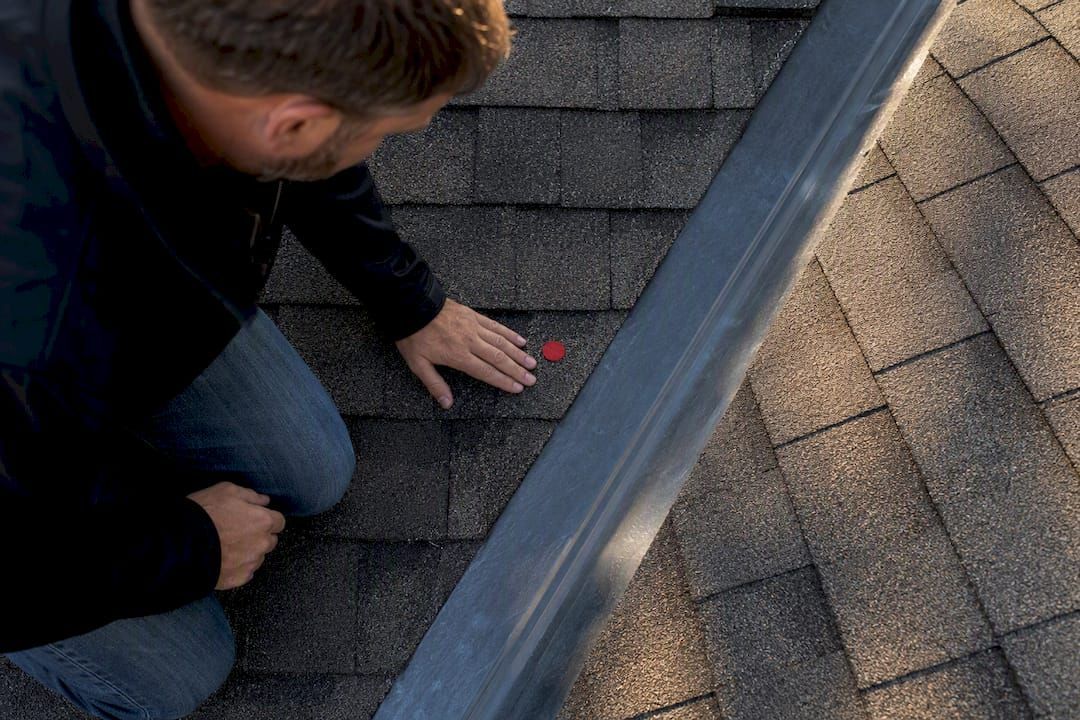
Open-metal valleys handle water better, last longer, and are easier to inspect, which makes them the smarter choice for steep or long valleys, heavy rain, snow, and premium roofing materials. Closed-cut valleys remain a reasonable default for most asphalt architectural shingle reroofs in mild climates, as long as the underlayment is correct. Woven valleys work on old-style 3-tab shingles but should be avoided on laminated shingles. What determines whether any of these lasts 15 years or 40 is the membrane width and no-nail discipline underneath, not the style on top.
TL;DR:
- Open-metal valleys provide faster water shedding and easier inspections but come with higher initial costs and require proper membrane width and no-nail zones.
- Closed-cut valleys are more affordable and look cleaner but depend heavily on correct underlayment width and proper installation to prevent leaks.
- Woven valleys are suitable only for old 3-tab shingles; they often fail earlier on laminated shingles due to microcracking from bending.
- Code requires at least 24-inch wide metal or membrane in valleys, but 36 inches is recommended, with wider widths for heavy snow regions.
- Proper nail placement, membrane width, and bedding of shingle edges are crucial to prevent leaks, regardless of valley style.
What Is a Roof Valley, and How Do You Spot Each Type?
A roof valley is the inward-sloping seam where two roof planes meet, funneling every drop of rain, every snowmelt trickle, and every stray leaf from both sides into one narrow channel. That concentration of water is exactly why valleys fail more often than flat roof sections. Get the valley wrong, and you're not looking at a small leak. You're looking at rotted decking and a soaked attic.
There are three common ways roofers finish that seam, and you can tell them apart from the ground with binoculars or from a ladder with your phone camera.
- Open-metal valley: A visible strip of metal, usually 5 to 8 inches wide, runs down the center of the valley with shingles cut back on both sides to expose it. This is the style manufacturer guidance from IKO tends to favor it for performance.
- Closed-cut valley: Shingles from one roof plane run continuously through the valley, and shingles from the adjacent plane are cut along a straight line about 2 inches from the valley centerline. No metal shows.
- Woven valley: Shingles from both planes overlap and interlace across the valley with no cutting at all, creating a woven pattern that was standard practice decades ago.
A California valley (sometimes called a "closed valley, no-cut") is a variant of closed-cut used in dry Western climates. One layer runs through uncut while the other side is simply overlapped rather than trimmed. It looks nearly identical to closed-cut, so it rarely matters which one your existing roof has. What matters is what's underneath.
Which Valley Type Actually Performs Best?
Performance comes down to five things: how fast water clears the channel, how the valley looks, what it costs upfront, how long it lasts, and how easy it is to check on later. Open-metal wins on three of those five outright.
The exposed metal channel sheds water, slush, and debris faster than any shingle-covered valley, which is why manufacturer guidance recommends open valleys for regions with heavy snowfall or sustained rain. It's also the easiest valley to inspect years later, since you can see the metal directly instead of guessing what's happening under a layer of shingles. Closed-cut valleys hide underlayment problems until the damage has already spread into the decking.
Closed-cut splits the difference. It costs less than open-metal, looks cleaner because no metal shows, and holds up fine in mainstream climates when the membrane underneath is wide enough and the cut shingle edges are bedded in roof cement. That's the caveat most installers skip, and it's the single biggest reason closed-cut valleys leak years before they should.
Woven valleys are the cheapest and fastest to install, but they were engineered for flexible 3-tab shingles. Laminated architectural shingles, which now dominate the market, don't bend the same way. Trade guides report that woven valleys are increasingly flagged during inspections when installers use them on laminated shingles, because repeated bending at the fold creates microcracks in the shingle mat that show up as leaks within a few seasons.
Statistic Callout: Open-metal exposure typically runs 5 to 8 inches wide, with 6 inches as the standard for architectural shingle roofs. Steeper pitches need less exposure; shallow, high-volume valleys need more.
Three practical implications follow from this:
- If your roof drains two large planes into one valley on a steep pitch, ask specifically for open-metal or a wider metal exposure.
- If you're reroofing with architectural or laminated shingles, cross woven off the list entirely, regardless of what a low bid promises.
- Whatever method you choose, the underlayment spec matters more than the visible style. IKO's own guidance points out that the layer you can't see is what usually decides whether a valley leaks.
What Does the Code Actually Require in a Valley?
The International Residential Code sets the floor, and it's lower than most homeowners assume. Section R905.2.8 permits open, closed-cut, and woven methods for asphalt shingles, but it attaches non-negotiable underlayment rules to all three. IRC R905.2.8 requires valley flashing of at least 24-inch-wide metal, typically 26-gauge galvanized steel, or a self-adhering ice-and-water shield membrane running the length of the valley. No exposed nails are allowed inside the valley's flow zone.
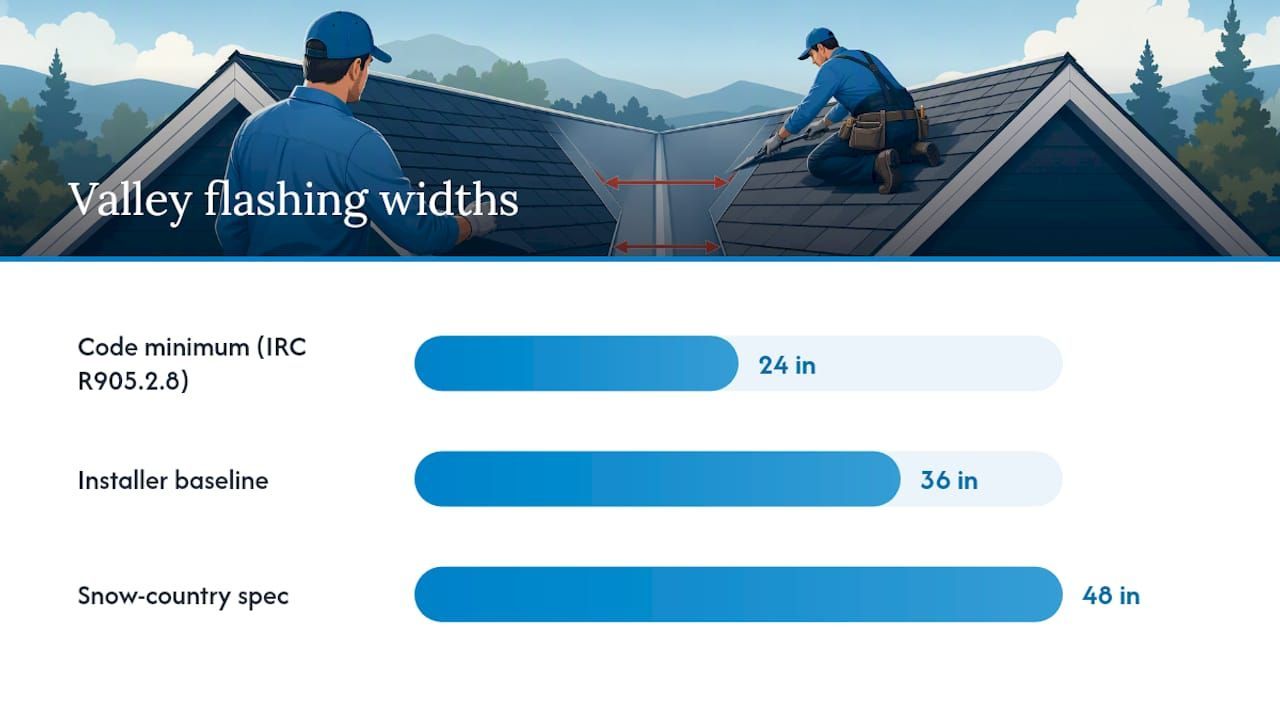
That 24-inch minimum is the code floor, not the recommended target. Most reputable installers spec 36-inch membrane as a baseline, and trade sources point to 48 inches for heavy-snow regions where meltwater and ice dams put extra strain on the seam. For premium installs in freeze-prone areas, some contractors run two overlapping 36-inch ice-and-water strips lapped 6 inches in the middle, which removes any seam sitting right where water moves fastest.
Nail placement is where a lot of otherwise decent installs go wrong. Contractors who know what they're doing keep fasteners out of the center 6 inches on each side of the valley centerline, since a nail in the flow path is a future leak waiting for the right storm. On closed-cut valleys, the cut shingle edge on the overlapping side needs to be bedded in roof cement, not just laid down and left. Skip that step, and wind-driven rain works its way under the cut edge within a couple of seasons.
- Require 24-inch minimum valley metal or a self-adhering membrane per IRC R905.2.8.
- Push for 36-inch membrane as a practical baseline, 48-inch in snow country.
- Confirm no nails within 6 inches of the valley centerline on either side.
- Confirm cut shingle edges are bedded in roof cement on closed-cut valleys.
Pro Tip: Put this exact line in your contract: "Minimum 36-inch ice and water shield, closed-cut or open-metal method per manufacturer specification." It's short, it's specific, and it gives you something concrete to check against on completion day.
What Metal Should You Choose, and How Long Will It Last?
Painted or galvanized steel is the standard choice for open-metal valleys and holds up well for 25 to 40 years under normal conditions. Galvalume steel resists corrosion better and pushes that range higher. Copper is the premium option, often lasting 50 years or more, and it develops a distinctive green patina over time that some homeowners specifically request for the look.
Closed-cut valleys built with proper membrane width and bedded edges generally match the shingle roof's own lifespan, since there's no separate metal component to wear out independently. Woven valleys tend to fail earlier, particularly on laminated shingles, where the microcracking from repeated bending shortens the effective life of the valley well below the rest of the roof, even when the shingles elsewhere are holding up fine.
A short maintenance routine catches most valley problems before they become expensive ones:
- Walk the roofline after every major storm and look for granule loss concentrated in the valley.
- Clear leaves and debris out of valleys at least twice a year, more often under overhanging trees.
- Check exposed metal for rust spots, pinholes, or visible buckling.
- Look for shingle cracking or lifting right along the cut or woven seam.
- Order a professional inspection if you spot any of the above, or if your roof is past 15 years old and has never had one.
How Do You Choose the Right Valley for Your Roof?
Match the method to your roof's actual conditions rather than defaulting to whatever a contractor quotes first. Four questions cover most of the decision.
- What's the slope and contributing roof area? Steep pitches feeding two large planes into one valley move water fast, sometimes over 5 feet per second according to trade estimates. That kind of volume calls for open-metal with a wider exposure, not a narrow closed-cut seam.
- What shingle type are you installing? Laminated or architectural shingles should never go into a woven valley. If your roofer suggests it to save time or cost, that's a red flag worth pushing back on.
- What's your climate and debris load? Heavy snow, ice dams, or a yard full of overhanging trees all favor open-metal for easier clearing and inspection. Mild, dry climates with architectural shingles do fine with a properly built closed-cut valley.
- What matters more, looks or lifecycle cost? Closed-cut hides the metal and costs less upfront. Open-metal costs more initially but needs fewer repairs and inspections over 25 to 40 years. Whichever you pick, get the minimum membrane width and no-nail zone written into the bid before signing anything.
Why Do Valleys Actually Leak, and What Should You Check?
Most valley leaks trace back to what's under the shingles or metal, not the visible surface style. A roof can have a flawless-looking closed-cut valley and still be soaking the decking underneath because the membrane was too narrow or the cut edges were never bedded in cement.
The recurring installation mistakes are predictable: nails driven into the valley's flow path, membrane cut narrower than the minimum, metal flashing sections lapped too short at the joints, and cut shingle edges left unbedded on closed-cut jobs. Any one of these can turn a valley that looks fine from the driveway into an active leak inside the attic. If you're unsure whether an existing roof was built to spec, our guide to why residential roof repairs fail walks through the same red flags from the repair side.
Inside the house, check the attic for water staining on the decking near valley lines, especially after the first hard storm of the season. Look for dark streaks on the ceiling directly below a valley intersection, and check for a musty smell that shows up before any visible stain does.
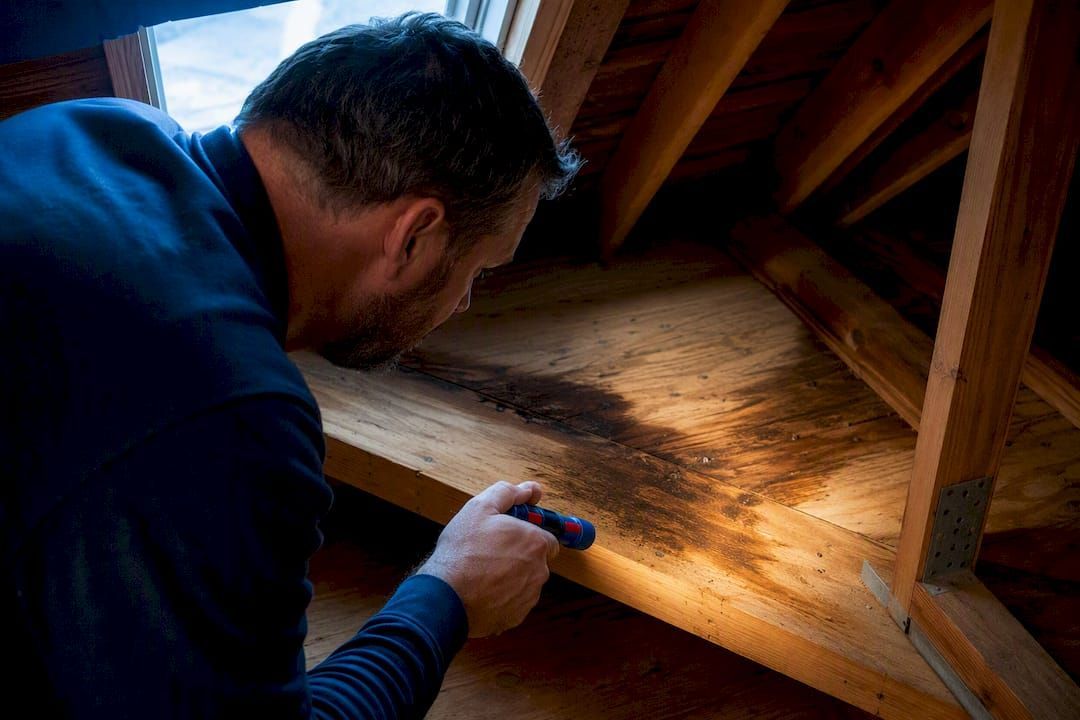
Pro Tip: A flashlight beam raked low across attic decking shows water stains that overhead lighting hides completely. Check right after a storm, while the evidence is still fresh.
Call for a professional inspection the moment you see any of these signs, or before they show up if your roof is approaching 15 to 20 years old.
What Shield Guard Roofing Looks for on Every Valley
We default to the specs that hold up over decades, not the ones that look fine on install day. That means enforcing minimum membrane width on every job, keeping fasteners out of the no-nail zone, and recommending open-metal whenever a roof deals with heavy runoff, steep contributing slopes, or premium materials like Brava synthetic cedar shake.
The company is family-owned, with crews that have extensive combined roofing experience. The crews performing inspections are fully accountable for the work they perform.
Every valley we check gets the same three-point review: membrane width against code minimums, flashing laps and condition, and confirmation that no nails sit inside the flow path. If a valley fails that check, you get a written quote before anything else happens.
An Editorial Take on the Open vs Closed Valley Debate
The conventional advice on this topic treats "open or closed" as the whole decision. It isn't so simple. The article's own trade data makes clear that underlayment width and nail discipline decide durability far more often than the visible style does. A closed-cut valley built with 36-inch membrane and properly bedded edges will outlast a sloppy open-metal install every time.
Where I think homeowners get burned is trusting the pitch instead of the paperwork. A contractor who says "open-metal" or "closed-cut" without specifying membrane width, gauge, or nail zones hasn't actually told you anything useful. Ask for the numbers, not the label.
If I had to rank priorities for someone reroofing right now: membrane width first, no-nail zone second, valley style a distant third. Woven belongs on old 3-tab roofs and nowhere else. Everything else is a matter of climate, slope, and how much you value not thinking about your roof again for 25 years.
— Cesar
Ready to Get Your Valleys Inspected or Rebuilt Right?
If your roof is due for a reroof, a repair, or you just want an honest answer on whether your valleys were built to spec, Shield Guard Roofing gives Northern California homeowners a straightforward alternative to guessing based on a stranger's quote.

A Shield Guard inspection checks membrane width against code minimums, examines every flashing lap and joint, and confirms no nails sit inside the valley's flow zone before we hand you a written quote. Whether you need a full residential roofing replacement, targeted residential roof repairs, or just want a professional look at existing valleys through our roof inspections service, we carry GAF, GAF Energy, and Brava products with manufacturer-backed warranties, plus financing options for larger projects. Request an inspection through our roofing service request page and get a real answer on what your valleys need.
Sources
For the code language itself, IRC 2024 Section R905.2.8 lays out the minimum metal width, membrane requirements, and no-nail rules referenced throughout this guide. Manufacturer perspective on performance and warranty coverage comes from IKO's roofing guidance, and detailed installation practices, including exposure widths and membrane recommendations, are drawn from the trade guide on valley flashing methods. For a broader look at waterproofing practices beyond valleys specifically, this roof waterproofing overview offers useful supplementary context. Local code amendments vary, so confirm requirements with your city or county building department before finalizing a contract.
FAQ
What Is an Open Valley in Roofing?
An open valley is a roof valley finished with a visible strip of metal flashing, usually 5 to 8 inches wide, running down the center while shingles on both sides are cut back to expose it. Manufacturer guidance generally recommends this method for the best drainage performance, particularly in heavy rain or snow.
What Is a Closed Valley on a Roof?
A closed valley, also called closed-cut, is built by running shingles from one roof plane continuously through the valley while shingles from the adjacent plane are cut along a straight line near the centerline, leaving no metal visible. It's the residential default for most architectural shingle roofs when the underlayment is installed to spec.
What Are the Different Types of Valleys on a Roof?
There are three common valley methods: open-metal, closed-cut, and woven. A related variant, the California valley, is a closed-cut style common in dry Western climates where one side is overlapped instead of trimmed.
What Is the 25% Rule for Roofing?
The " 25% rule" typically refers to a local building code provision requiring a full roof replacement, rather than a repair, once more than 25% of the roof surface needs new roofing material within a specified period. This rule varies significantly by jurisdiction, so check with your local building department for the exact threshold that applies to your area.
Which Valley Method Does Shield Guard Roofing Recommend?
The company recommends open-metal valleys for roofs with heavy runoff, steep slopes, or premium materials, and a properly specified closed-cut valley for standard architectural shingle reroofs. Every recommendation is tied to a written quote confirming membrane width and flashing details, which you can request through our roof inspections service.
Recommended