Avoid Delays: Contractor Ready California Reroof Checklist, 10% & 25% Triggers
Avoid Delays: Contractor Ready California Reroof Checklist, 10% & 25% Triggers
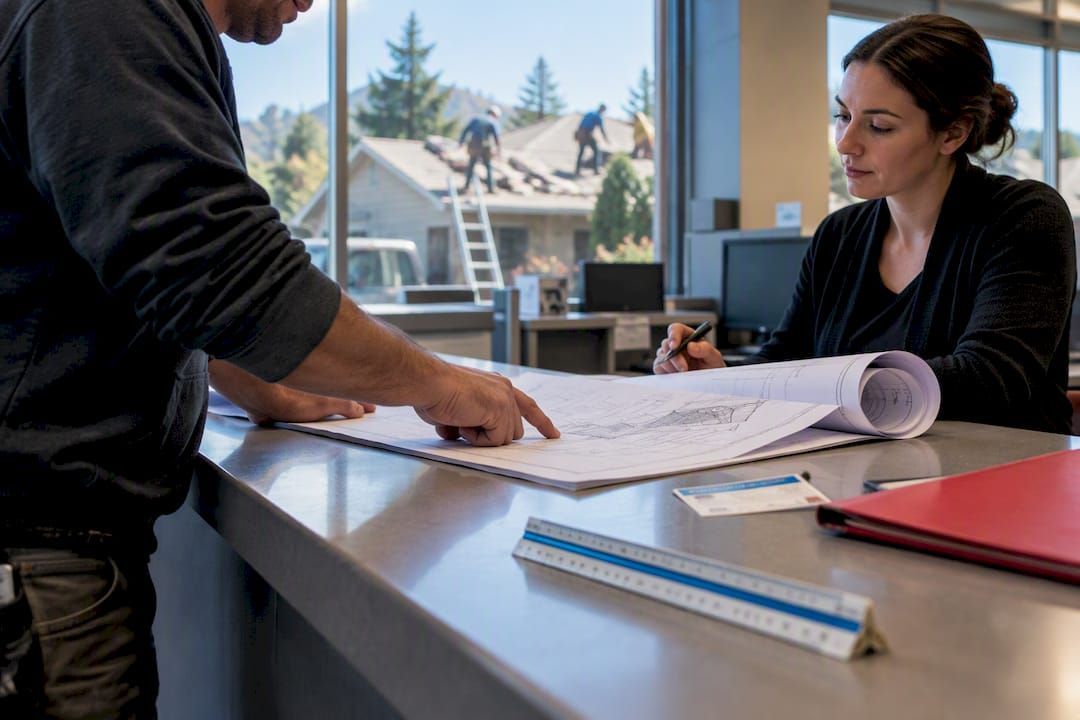
Yes, you almost certainly need a permit to reroof your home in California. State baseline codes require one for full tear-offs, structural repairs, and most material changes, though the exact trigger point varies by city and county. Some jurisdictions use a 10% threshold, others use a 25% rule, so don't guess. Call your local building department or check with your contractor before a single shingle comes off.
TL;DR:
- Most California jurisdictions require a permit for full reroofs, structural repairs, or switching roofing materials, with thresholds varying from 10% to 25% of the roof area.
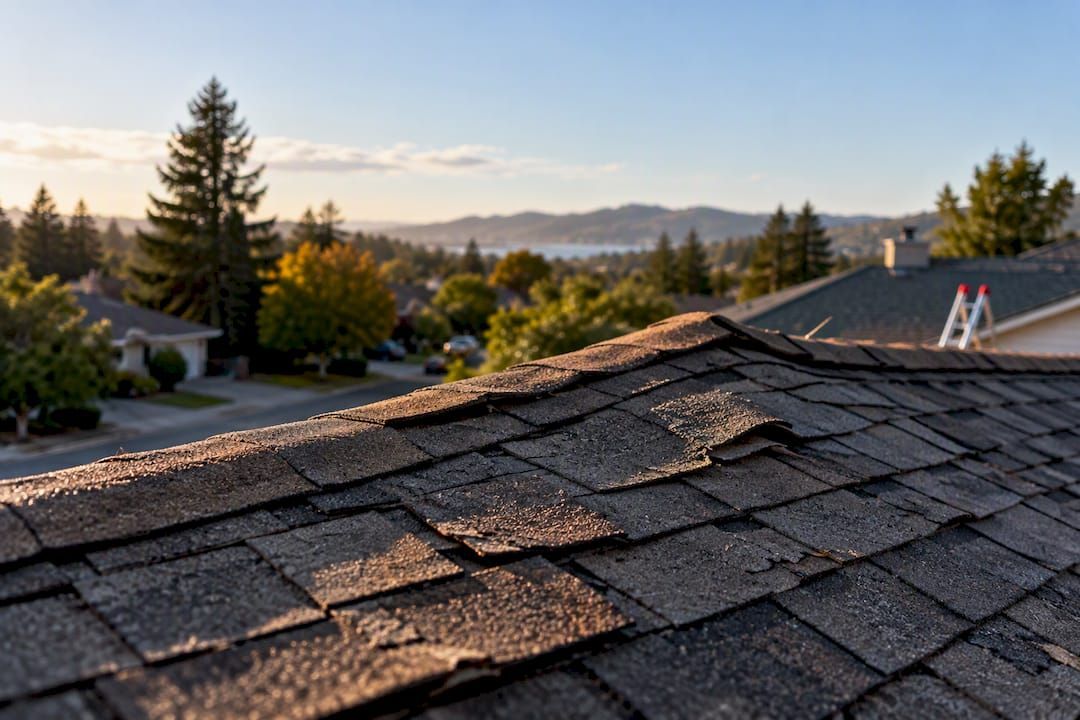
- Full tear-offs are mandatory if the existing roof has two layers, water damage is evident, or the current material is slate, tile, or shake, especially in historic districts.
- Permit approval demands a complete application, including a roof plan, material specs, and energy compliance forms, with online submissions often speeding up approval and reducing fees.
- Inspections include deck, underlayment, and final checks, with delays common if access is restricted or paperwork is incomplete; keeping a clear site and records speeds the process.
- Skipping permits risks fines, work stoppages, and complications during resale or insurance claims, emphasizing the importance of verifying contractor licensing and local requirements before starting work.
What Triggers a Reroof Permit in California?
The state doesn't leave much wiggle room here. A full roof replacement, any structural repair to the deck or rafters, the addition of rooftop equipment like HVAC units or solar mounts, or a switch from one roofing material to another (say, composition shingle to tile) almost always requires a permit. What trips people up is the percentage math that local jurisdictions layer on top of state rules.
Santa Clarita's residential handout, for example, treats repairs under 10% of the roof area or under 200 square feet as often permit-exempt, but if the job crosses 50% of the roof, the entire structure has to meet current code, not just the patched section. San Jose runs a different formula: it commonly applies a 25% trigger, where crossing that share of the roof area pulls the whole project into permit territory. Santa Cruz County requires a permit for essentially every reroof except small maintenance jobs or roofs under 120 square feet.
A few situations force a full tear-off no matter what percentage math says:
- The existing roof already has two layers of roofing material.
- The decking underneath shows water damage or rot.
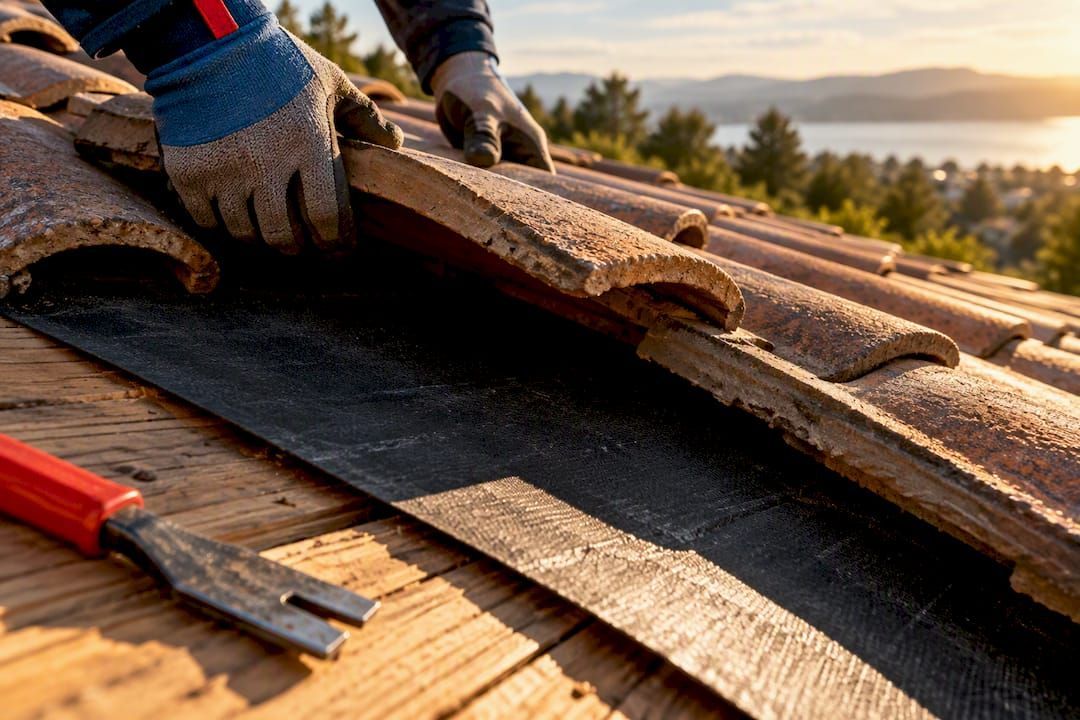
- The current material is slate, tile, or wood shake (these generally can't be overlaid).
- The home sits in a historic district, where design review may add extra steps before a permit gets issued.
If your home falls into any of those categories, plan for a complete strip and replace rather than a simple overlay.
Documents, Fees, and the Application Process
Getting your reroof permit approved comes down to showing up with a complete package the first time. Most building departments want the same core set of materials, but the sequence and fine print shift from one counter to the next.
Here's what to have ready before you apply:
- Completed permit application with the property's APN and address.
- Contractor's CSLB license number, if a licensed contractor is pulling the permit.
- Scope of work description and a roof plan showing slope, layers, and any structural changes.
- Materials specification sheet listing the product's fire class rating.
- Title 24 CF-1R energy compliance form, required when the project triggers cool-roof standards.
Fees follow a few common models: a flat fee, a percentage of the project's valuation, or a per-square (100 square feet) rate. San Francisco offers a clean example: reroof permit fees start at $514 for single-family homes and $714 for other building types, with some jurisdictions knocking a percentage off processing fees for applications submitted online. San Jose's SJPermits.org portal can tell you upfront whether your project needs full plan review or qualifies for faster over-the-counter issuance, and it offers a similar discount for online submissions. Actual project cost, not just the permit fee, depends heavily on square footage and material. Shield Guard Roofing's breakdown of roof replacement costs across California is a useful reality check before you budget for permit valuation.
Inspections: What Happens After the Permit Is Issued
Passing inspection isn't a formality. It's the moment an inspector decides whether your new roof actually meets code, and a failed inspection means rework, delays, and sometimes reopening sections you thought were finished.
Expect these stages, roughly in order:
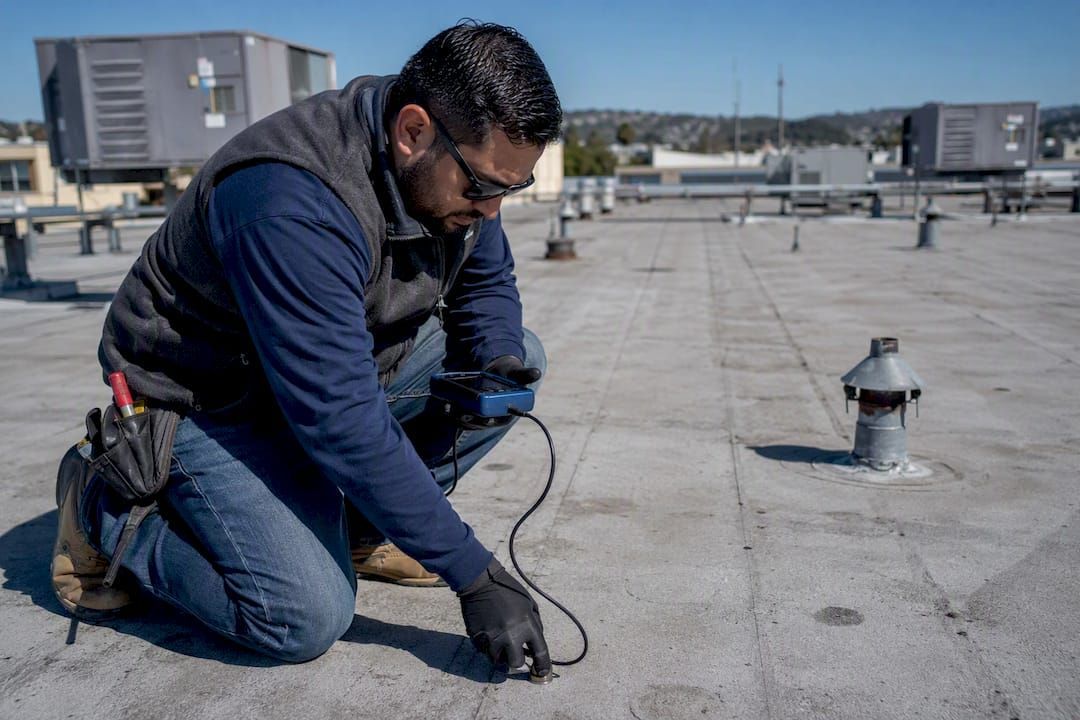
- Deck or pre-cover inspection. After tear-off, before any new material goes down, the inspector checks the sheathing for rot, verifies there's no hidden water damage, and confirms the deck is sound enough to build on.
- Underlayment and flashing inspection. This stage checks that underlayment laps meet manufacturer specs and that flashing around chimneys, valleys, and vents is installed correctly, since flashing failures cause most roof leaks.
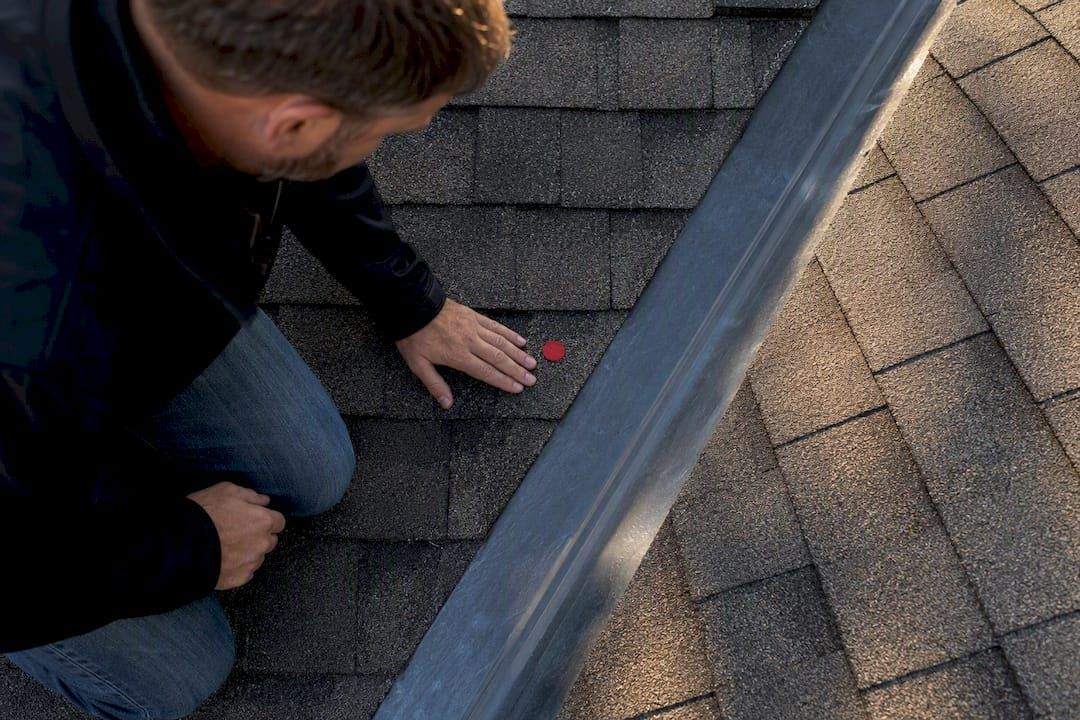
- In-progress inspection. For composition roofs, inspectors often show up somewhere between 25% and 75% complete to spot-check nailing patterns and material alignment before the whole roof is covered.
- Final inspection. The inspector reviews flashing details, vent penetrations, drainage, and confirms there are no exposed nail heads or loose materials before signing off.
Santa Cruz County documents a similar sequence, requiring both a pre-roofing tear-off check and a final inspection before the permit closes out.
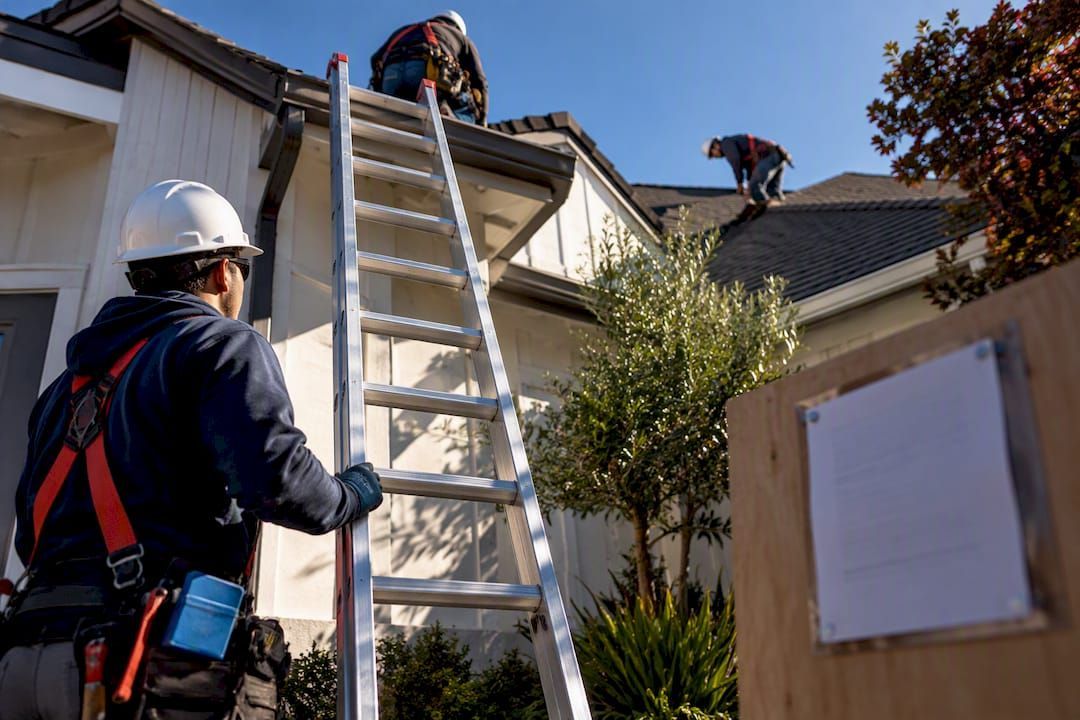
Pro Tip: Keep a ladder on site, post your permit card somewhere visible, and make sure the inspector has clear access to every roof plane. Inspectors who show up to a locked gate or a roof they can't safely reach will often just reschedule, and that costs you a week you didn't need to lose.
Code Rules That Shape Your Permit (Title 24, Fire Ratings, Layer Limits)
Three sets of rules do most of the heavy lifting behind California's reroof permit process: the California Building Code (CBC), the California Residential Code (CRC), and Title 24, the state's energy code. Title 24 is the one that surprises most homeowners, since it governs cool-roof reflectivity standards and often requires a CF-1R compliance form before the permit gets finalized.
Fire classification matters just as much, especially outside dense urban cores. Roofing materials get rated Class A, B, or C, and homes in designated wildfire hazard zones typically need Class A or B products along with extra documentation covering ember-resistant details and flashing.
Layer limits catch a lot of people off guard, too:
- Most jurisdictions cap overlays at two existing layers of roofing material.
- A third layer generally forces a full tear-off, regardless of the percentage-of-roof math discussed earlier.
- Weight matters, too. Contra Costa County flags that roofing exceeding 6.0 pounds per square foot may require additional framing support and structural documentation before approval.
- Torch-applied roofing systems often trigger fire-extinguisher and fire-watch requirements during installation.
If you're weighing tile against composition shingle or a synthetic product, Shield Guard's guide to residential roofing materials for NorCal homes walks through how fire rating and weight interact with these code triggers.
Who Should Pull the Permit: You or Your Contractor?
Technically, either the homeowner or the contractor can pull a reroof permit in California, but the choice carries real legal weight. When a homeowner pulls an owner-builder permit, code-compliance liability shifts directly onto them, and some jurisdictions require a notarized owner-builder affidavit acknowledging that responsibility before they'll issue it.
Most homeowners are better served letting a licensed contractor handle it. A contractor holding a C-39 roofing classification through the Contractors State License Board already knows the local jurisdiction's paperwork quirks, and the license itself signals they carry the required bonding and insurance.
Before signing any contract, confirm the license is active:
- Look up the contractor's license number directly on the CSLB's online database.
- Ask to see the permit itself once it's issued, not just a promise that it was filed.
- Confirm the classification listed is C-39 or another classification that covers roofing work.
Skip the permit entirely and you're exposed to stop-work orders, fines, and complications during a future home sale or insurance claim, since permits function as a permanent record tied to the property. Shield Guard's overview of what a roofing contractor license actually means in NorCal breaks down exactly what that C-39 classification covers.
Practitioner Tips to Speed Approval and Pass Inspections
We've watched plenty of reroof permits stall for reasons that had nothing to do with the roof itself and everything to do with an incomplete application. Show up prepared and most reviewers will move your file faster.
Before submitting, gather the manufacturer's installation instructions, the product cut sheets showing fire class and wind rating, and clear photos of the existing roof condition. A pre-drawn roof plan showing slope and layer count saves the plan checker a phone call, and phone calls mean delays.
On Title 24 paperwork, we handle the CF-1R documentation directly and coordinate any rooftop equipment relocation, solar panel moves included, so the energy compliance form matches what's actually going up on the roof. Mismatches between the CF-1R and the physical installation are one of the most common reasons plan reviewers send an application back.
Pro Tip: When a jurisdiction flags a red flag item, like insufficient ventilation or a flashing detail that doesn't match code, document the corrective fix with photos and a brief written note before the reinspection. Inspectors move faster when they can see exactly what changed.
How Long Does a Reroof Permit Take to Approve?
Timelines swing widely depending on whether your project needs full plan review or qualifies for over-the-counter issuance. A straightforward like-for-like reroof on a standard single-family home, one that doesn't trigger structural changes or Title 24 plan review, often gets approved same-day or within a few business days at the counter in many jurisdictions.
Projects that require full plan review, because of a material change, added rooftop equipment, or a historic district designation, typically take longer, often stretching to a few weeks depending on the backlog at your local building department. San Jose's online permit portal helps shorten this by flagging early whether your specific project needs full review or can move through the faster track.
The single biggest lever you control is submission completeness. An application missing the CSLB license number, a roof plan, or the required CF-1R form doesn't just sit in a queue. It typically gets kicked back, and you restart the clock. Applying online where the jurisdiction offers that option tends to shave a few days off the process compared to a paper submission, on top of any processing fee discount.
Give yourself buffer time before scheduling your roofing crew. A contractor who's done dozens of reroofs in your specific county will usually have a realistic sense of that jurisdiction's current turnaround, which beats guessing based on a neighboring city's timeline.
Common Reasons Permits Get Denied (and How to Avoid Them)
Most reroof permit denials trace back to a handful of predictable gaps, not exotic code violations. Knowing them ahead of time is the cheapest insurance you'll buy on this project.
An incomplete application is the top offender: missing the contractor's CSLB license number, an unclear scope of work, or a roof plan that doesn't match the material spec sheet. Reviewers can't approve what they can't verify, and a vague description of "reroof" without specifying material, layer count, or square footage gets kicked back almost every time.
Structural weight issues are the second common trap. If your new material pushes the roof load past the 6.0 pounds per square foot threshold some counties flag, and you haven't submitted engineering documentation showing the existing framing can handle it, expect a denial until that paperwork exists.
Fire classification mismatches cause denials in wildfire hazard zones specifically. Submitting a Class C material for a home sitting inside a designated high-hazard zone that requires Class A or B products is an automatic rejection, not a negotiation point.
Finally, watch for overlay violations. Applying to overlay a roof that already carries two layers, or one with slate, tile, or wood shake underneath, gets denied because most jurisdictions require full tear-off in that scenario regardless of what the application requests. Catch this before you apply, not after.
Coordinating Your Reroof Permit With Your HOA
If you live in a community governed by a homeowners association, your municipal permit is only half the approval you need. Most HOAs maintain their own architectural review process, and it typically runs on its own timeline, separate from the city or county's permitting schedule.
Submit your HOA architectural request before or alongside your municipal permit application, not after. Many associations require sign-off on material color, style, and sometimes even the specific product line before construction starts, and a municipal permit doesn't override that requirement.
Keep a copy of your HOA's written approval on hand once you have it. Some building departments will ask for it as part of the application packet, particularly in planned communities where roofing material consistency is written into the covenants. If your HOA has a preferred materials list, cross-check it against what you're specifying on the Title 24 CF-1R form before you submit either document, since a mismatch there can send you back to both approval processes at once.
A Practical Take on California's Reroof Permit Maze
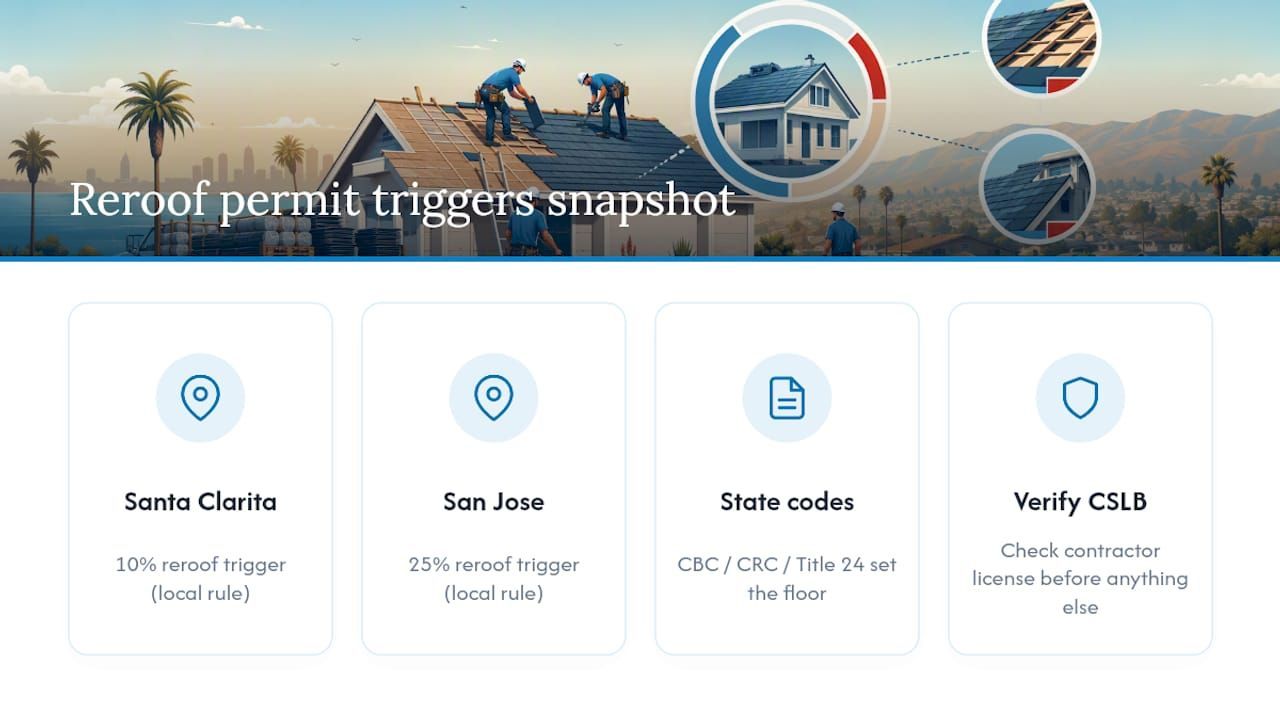
The conventional advice on this topic treats every California county like it follows the same rulebook, and that's where most homeowners get burned. The state codes, CBC, CRC, Title 24, set the floor, but the real decision-making happens at the counter of your local building department. Santa Clarita's 10% rule and San Jose's 25% trigger aren't interchangeable, and a contractor who quotes you a timeline based on one county's process is guessing if your project sits in another.
What gets underrated is how much the permit protects you after the roof is done, not during installation. A permit closed out with passed inspections becomes part of your property's public record, and that record matters enormously the day you sell the house or file an insurance claim after a storm. Skipping the permit to save a few hundred dollars in fees is a bet against your own future paperwork.
If you take one thing from this article, verify the CSLB license before anything else. A contractor's license status tells you more about how smoothly your permit will move than any fee schedule ever will.
— Cesar
Sources
- Apply for a reroofing permit (San Francisco Public Works)
- Roof Recovering and Replacement (Residential) — City of Santa Clarita
- Residential re-roof requirements — Contra Costa County
- Roof recovering and replacement worksheet — City of San Jose
- Re-roofing Permit & Inspection Procedures — County of Santa Cruz
FAQ
Do You Need a Permit to Reroof Your House in California?
Yes, in nearly every California jurisdiction a permit is required for a full reroof, structural repair, or material change. Small maintenance jobs under a local square-footage threshold, like Santa Clarita's 200 square foot exemption, may be exempt. Always confirm with your local building department before starting work.
What Happens if You Don't Get a Permit for a New Roof?
Working without a required permit exposes you to stop-work orders and fines from your local building department. It can also complicate a future home sale, mortgage refinance, or insurance claim, since permits serve as a permanent inspection record tied to the property.
What Is the 25 Percent Rule in Roofing?
The 25% rule refers to a threshold some California jurisdictions, including San Jose, use to decide when a partial reroof triggers full-permit requirements. If the affected roof area crosses that percentage, the whole project generally needs to meet current code, not just the repaired section.
What Are the Roofing Laws in California?
Roofing work falls under the California Building Code, the California Residential Code, and Title 24 for energy compliance, with counties and cities layering their own permit thresholds and inspection procedures on top. Contractors performing roofing work generally need a C-39 classification from the Contractors State License Board.
How Do I Get a Reroof Permit in California?
You typically apply through your city or county's building department, either online through an ePermits portal or in person, submitting your scope of work, materials spec, contractor license number, and any required Title 24 CF-1R form. If you'd rather have a licensed team handle the paperwork and installation together, Shield Guard Roofing's residential roofing services cover the permit process as part of the project.
Recommended