40–50 Year Durability: When Composite Roofing Pays for Homeowners
40–50 Year Durability: When Composite Roofing Pays for Homeowners
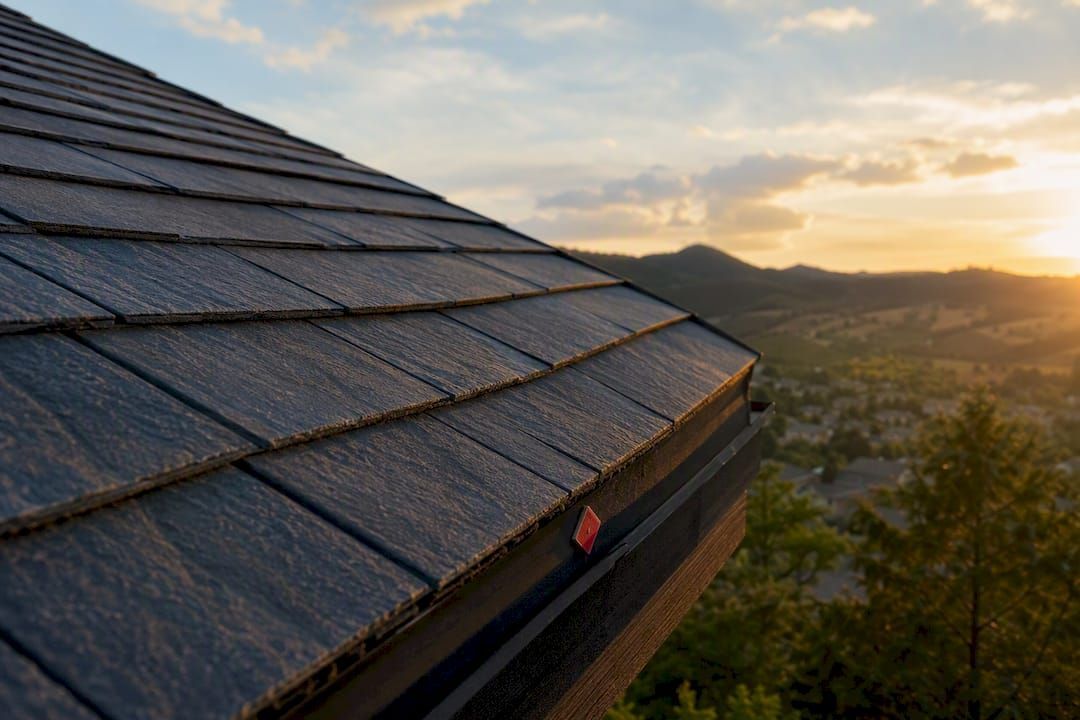
Composite roofing is a smart pick for homeowners who plan to stay put for at least a decade and want the look of slate or cedar shake without the weight, upkeep, or fragility of the real thing. The tradeoff is straightforward: you pay more upfront, and you get a roof that can last 40 to 50 years with far less maintenance than asphalt. If you're moving in three years or working with a tight budget, the math changes. Keep reading for the full breakdown of costs, warranty terms, and how to spot a good installer from a bad one.
TL;DR:
- The initial cost of composite roofing is higher than asphalt, often between $8 and $20 per square foot, but it offers a lifespan of 40 to 50 years.
- Installation must be performed by factory-certified professionals, as improper methods can void warranties and cause moisture issues.
- Premium composite products have Class 4 impact ratings and can withstand wind speeds up to 180 mph, making them suitable for hail-prone areas.
- Cheaper composite lines may look plasticky and be more prone to cracking or fading, emphasizing the importance of selecting high-quality materials.
- Composite roofs are most cost-effective over time in harsh climates with frequent hail or wind, reducing repair costs and potential insurance discounts.
What Composite Shingles and Tiles Are Made Of
Composite roofing isn't one product. It's a category built from engineered polymers, recycled plastics, rubber compounds, and fiberglass, blended with UV stabilizers and mineral fillers to hold color and resist cracking. Manufacturers mold these materials into three main product families: composite slate, synthetic cedar shake, and molded polymer tiles designed to mimic clay or concrete.
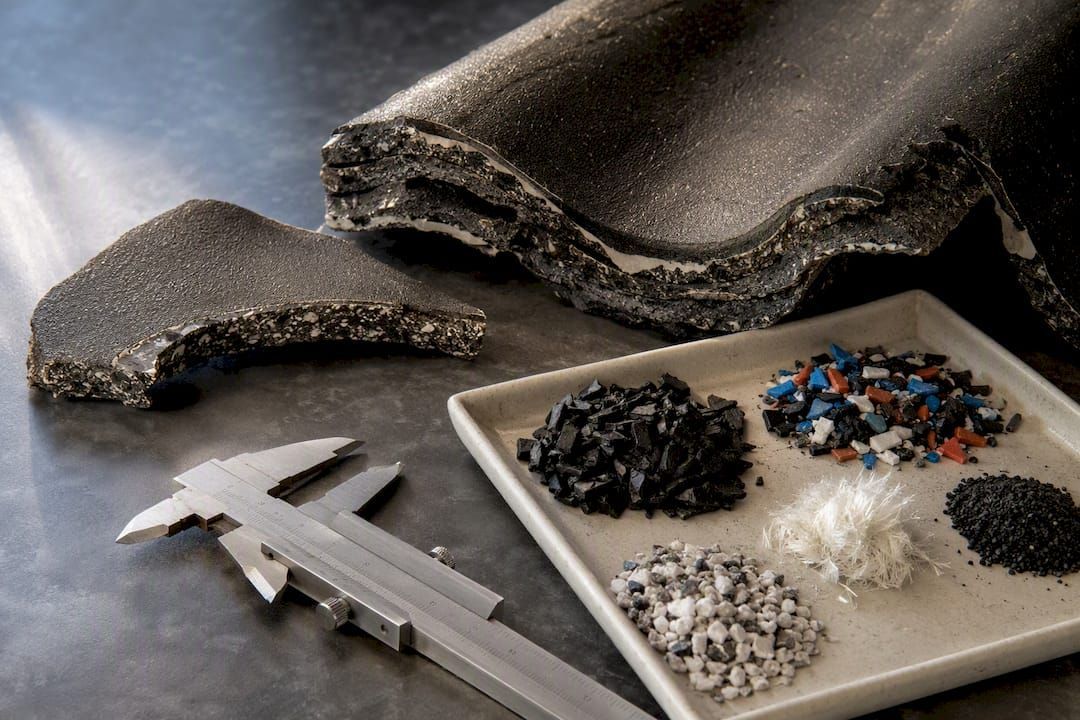
The formula matters more than most homeowners realize. A higher-grade resin blend with more UV stabilizer resists chalking and fading longer, while cheaper fillers can leave a product looking flat or plasticky within a few years. Manufacturing also determines weight. Composite slate typically weighs a fraction of what quarried slate weighs, which is why it can go on roof decks that couldn't structurally support the real thing. That same molding process is what gives premium composite products their Class 4 impact rating and consistent texture from panel to panel, something asphalt shingles can't replicate.
The Real Benefits of Composite Roofing
Here's the honest case for composite, backed by what the material actually does under stress.
Durability that shows up in testing, not just marketing. Premium composite lines carry a Class 4 impact rating, the toughest hail-resistance grade in the industry, and some report wind resistance tested up to 180 mph. That's not a small claim. A Class 4 shingle absorbs a steel-ball impact test without cracking, which matters enormously if you live somewhere hail regularly wrecks roofs.
Lifespan that dwarfs asphalt. Composite roofs commonly last 40 to 50 years, roughly double what a standard asphalt shingle roof delivers before it needs replacing. Many manufacturers back that with 50-year limited or limited lifetime warranties, assuming proper installation.
Curb appeal without the structural headache. Composite slate and synthetic cedar shake are molded to replicate the grain, shadow lines, and texture of natural materials closely enough that most people can't tell the difference from the street. You get that look while the roof deck carries a fraction of the weight of real slate.
Low maintenance, genuinely. Composite doesn't rot, doesn't attract moss the way cedar shake does, and insects don't bother it. Recycled plastics and polymers resist the freeze-thaw cracking that eventually breaks down natural slate and clay tile.
Environmental upside most buyers overlook. A lot of composite roofing starts as recycled plastic and rubber, and much of it can be recycled again when it's eventually removed. That's a genuine sustainability edge over asphalt shingles, which mostly end up in landfills.
Possible insurance savings. In hail-prone states, a Class 4 rating can qualify homeowners for insurance premium discounts, though the discount amount and eligibility vary by carrier and state, and you'll usually need to submit product documentation to your insurer.
A quick rundown of where composite pulls ahead:
- Class 4 impact and Class A fire ratings on premium lines
- 40 to 50 year lifespan with limited lifetime warranty options
- Slate and cedar shake aesthetics at a fraction of the weight
- Resistance to rot, moss, and insect damage
- Recycled content with end-of-life recyclability
- Potential insurance credits in hail-prone regions
Pro Tip: Ask your roofer for the manufacturer's actual test documentation for impact and fire ratings, not just a sales brochure. Some regional installers carry lower-tier composite lines that never went through Class 4 testing at all.
The value case gets stronger the harsher your climate. If you live somewhere that sees regular hailstorms or sustained high winds, the gap between composite and asphalt widens fast, because you're not just buying a nicer roof, you're buying fewer insurance claims and fewer emergency repairs over the life of the house.
The Downsides You Need to Budget For
Composite roofing has real limitations, and pretending otherwise does you no favors when you're staring at a quote.
The upfront cost stings. Composite installs run noticeably higher per square foot than asphalt, and that gap doesn't close quickly if you're planning to sell within a few years. If your hold period is short, you likely won't recover that premium before you move.
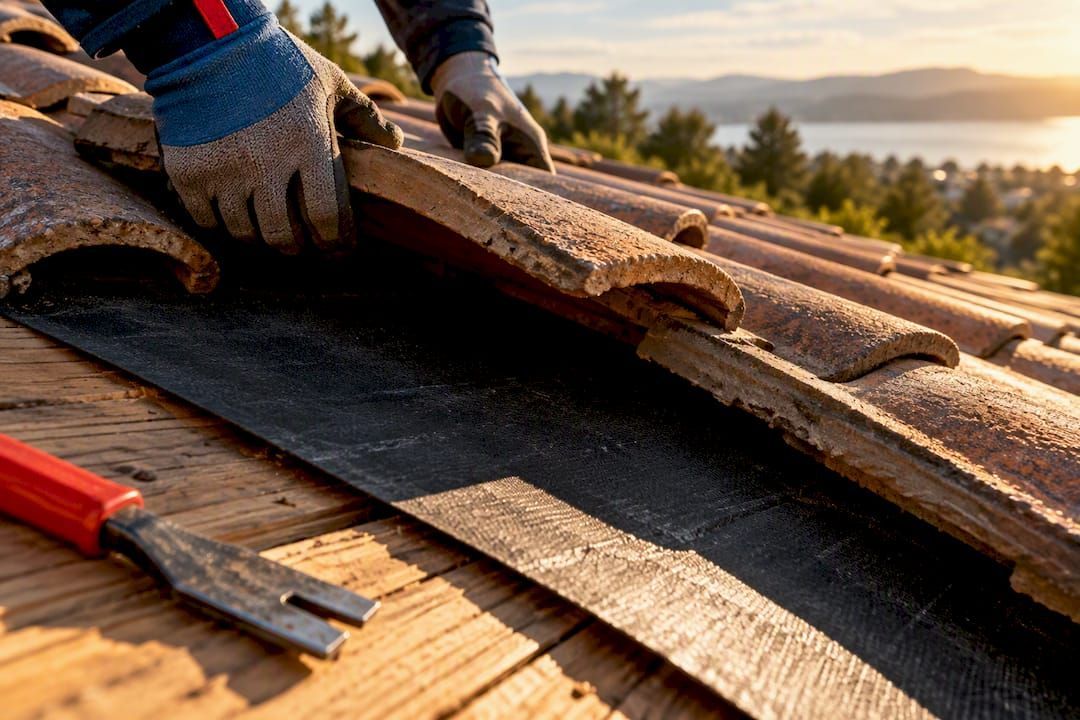
Installation is not a weekend DIY job. Composite shingles are often installed one at a time with specific exposure patterns and open valleys, and getting that wrong isn't cosmetic, it's structural. A poorly executed install can trap moisture under the shingles or void the manufacturer's warranty outright. This is a material that punishes shortcuts.
The track record is shorter than it sounds. Composite roofing as a mainstream category has only been around for a few decades. The 40 to 50 year lifespan is a strong, well-supported projection based on accelerated weathering tests and early installations, but it hasn't been proven over a full natural lifecycle the way asphalt and slate have. That's not a reason to skip it, but it's worth knowing you're buying into a newer product category.
Not all composite is created equal. Cheaper lines can look plastic, especially up close, and are more prone to brittleness or cracking on impact than premium products. If a quote comes in dramatically lower than others you've gathered, ask what resin grade and impact rating you're actually getting.
Moisture problems don't forgive bad prep. Deck ventilation and underlayment selection matter more with composite than with standard architectural asphalt. Skip proper prep and you risk trapped moisture, rot, and a warranty claim denial down the line.
Fewer contractors know how to install it right. Because composite requires factory training and specific techniques, your pool of qualified installers is smaller than it is for asphalt, which can mean longer lead times, especially during storm season when demand spikes.
Where composite tends to disappoint:
- Higher installed cost that takes years to offset with asphalt savings
- Warranty-voiding mistakes from installers who aren't factory-certified
- Fewer decades of real-world proof compared to asphalt or natural slate
- Cheap product lines that fade, chalk, or crack faster than advertised
- Longer contractor wait times due to a smaller certified installer pool
Pro Tip: If a bid seems unusually low, ask specifically whether it includes new underlayment and proper ventilation upgrades. Contractors who cut corners on prep work are the most common source of moisture damage and voided warranties down the line.
What Composite Roofing Actually Costs Over Time
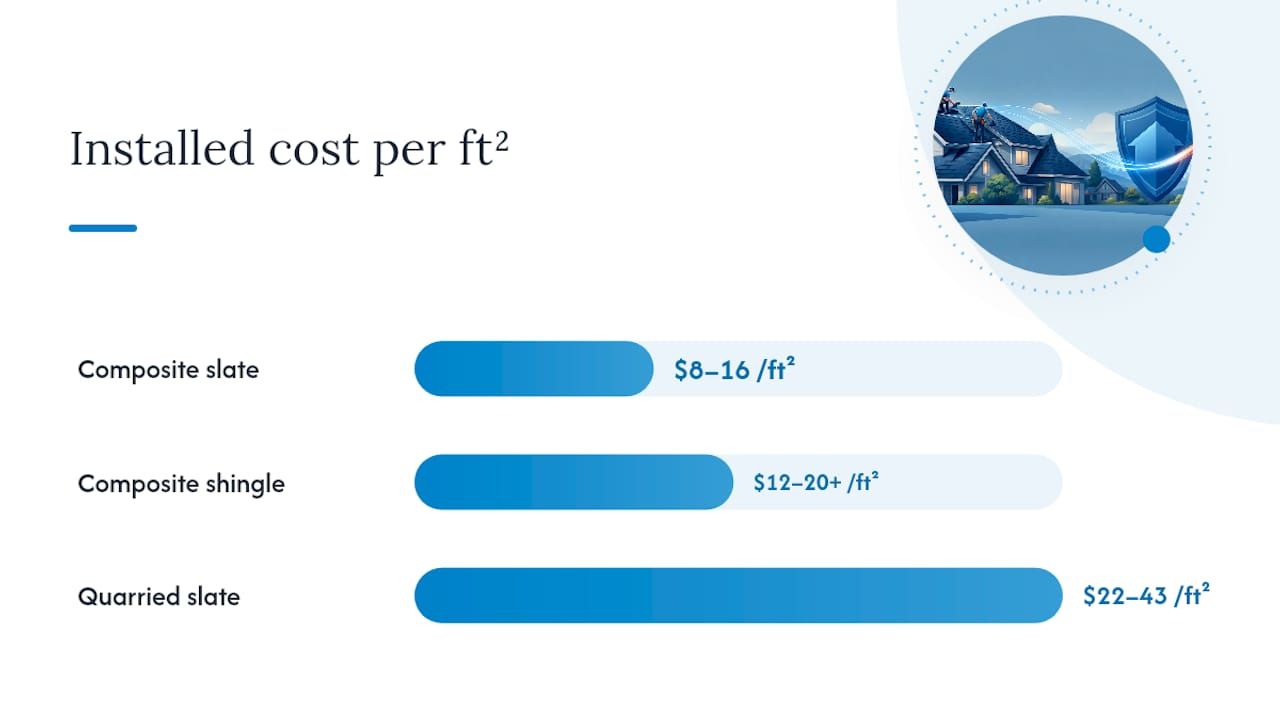
Composite slate typically runs $8 to $16 per square foot installed, while genuine quarried slate costs $22 to $43 per square foot for the same coverage. Broader composite shingle lines, including synthetic shake, tend to land in the $12 to $20+ per square foot range depending on the product tier and regional labor rates. On an average 2,000 square foot roof (roughly 20 roofing squares), that puts a full composite slate replacement somewhere between $16,000 and $32,000 installed, well below natural slate but meaningfully above standard asphalt.
The lifespan math is where composite starts to earn its keep. A composite roof lasting 40 to 50 years with a single installation cost compares favorably, annualized, to two or even three asphalt roof replacements over that same span once you factor in labor inflation and tear-off costs each time. Add potential insurance discounts in hail-prone states and the near-zero maintenance costs, and the total cost of ownership gap narrows further, though it rarely closes completely against basic asphalt in mild climates with short ownership windows.
Regional labor costs, roof pitch, and tear-off complexity all swing these ranges. Composite rarely pays back financially if you're selling within five years or living somewhere with minimal weather exposure, since you're paying a premium for durability you won't be around long enough to use.
Choosing the Right Product and Contractor
Not every composite roof performs the way the brochure promises, and the difference usually comes down to who installs it. Work through this checklist before you sign anything.
- Verify the impact and fire ratings in writing. Ask for the specific Class 4 impact and Class A fire rating documentation for the exact product line you're being quoted, not a general category claim.
- Confirm factory training and certification. Installer certification requirements directly affect whether your warranty stays valid if something goes wrong.
- Ask to see a completed sample install. A reputable installer with real project experience should be able to show you a finished roof, not just a sample panel on a table.
- Get the warranty registration process in writing. Confirm who registers the warranty, how long you have to do it, and whether it transfers to a future buyer if you sell.
- Ask about underlayment and ventilation plans specifically. These details, more than the shingle brand itself, determine long-term performance.
Watch for red flags: no certification paperwork, a warranty that's vague about what voids it, or a bid dramatically lower than competitors that skip prep work details entirely. If you're planning to sell within a few years or you're working with a tight budget, asphalt still makes more sense. If you're staying long-term, live somewhere hail or wind is a real threat, and want the look of slate or shake, composite is the stronger long-term bet.
Pro Tip: Get every warranty term in writing before signing, including what voids it. Verbal promises about "lifetime coverage" mean nothing if the fine print says otherwise.
What Shield Guard Roofing Sees in the Field
We install a lot of roofs, and the pattern is consistent: composite roofing performs exactly as promised when the underlayment, ventilation, and fastener pattern match the manufacturer's specifications, and it disappoints fast when they don't. That's not a marketing line, it's what separates a 50-year warranty that actually holds up from one that gets denied at the first claim.
As a family-owned company with decades of combined roofing experience across Northern California, we install premium composite and synthetic shake products, including Brava, alongside GAF and GAF Energy systems, all backed by manufacturer warranties tied to factory-certified installation. Before you commit, view a completed sample, get warranty terms in writing, and compare at least two certified quotes side by side.
— Cesar
Final Verdict: Should You Choose Composite Roofing?
Composite roofing makes sense if you're staying in your home long-term, facing hail or high-wind exposure, and you want a durable, low-maintenance slate or shake look. Weigh three things before deciding: your budget for the upfront premium, how many years you plan to own the home, and how much weather exposure your roof actually faces. From there, request quotes, verify certification paperwork, and confirm the warranty transfers if you sell.
Get a Composite Roofing Quote From Shield Guard Roofing
If everything above tells you composite is the right call for your home, the next question is who installs it. Shield Guard Roofing runs 100% in-house crews, no subcontractors passing your project down the chain, and every installer working on composite or synthetic shake systems is factory-certified on the products we sell, including Brava and GAF Energy.
That matters because, as this article covers, a composite roof lives or dies on installation quality, not just the shingle itself. The company backs their work with warranties and provides every homeowner a transparent, written assessment before any work starts, so you know exactly what you're paying for and what's covered if something goes wrong years down the line. Flexible financing may be available if the upfront cost is the main thing holding you back. Request a residential roofing quote today and get two certified estimates in hand before you decide between composite, GAF, or another material.
Sources
FAQ
What is the average lifespan of a composite roof?
Composite roofs typically last 40 to 50 years, often backed by 50-year limited or limited lifetime manufacturer warranties when installed correctly by a certified installer.
What are the downsides of composite shingles?
The main downsides are a higher upfront cost than asphalt, installation that requires factory-trained crews to avoid voiding the warranty, and a shorter proven track record than natural slate or asphalt, since composite is a newer roofing category.
Which is better, composite or asphalt shingles?
Composite generally outperforms asphalt on lifespan and impact resistance, lasting roughly double the time with better hail and wind performance, but asphalt costs less upfront, which makes it the better fit for short-term ownership or tighter budgets.
What is the average cost of a composite shingle roof?
Composite roofing typically runs $8 to $20 or more per square foot installed depending on the product line, which puts a full roof replacement on an average home in the $16,000 to $32,000 range, well below natural slate. Look for providers that give written, project-specific quotes rather than flat per-square-foot pricing, since roof pitch, tear-off needs, and material choice all affect the final number.
Recommended