California Homeowners: Confirm C-39 Active, License Check & Scripts
California Homeowners: Confirm C-39 Active, License Check & Scripts
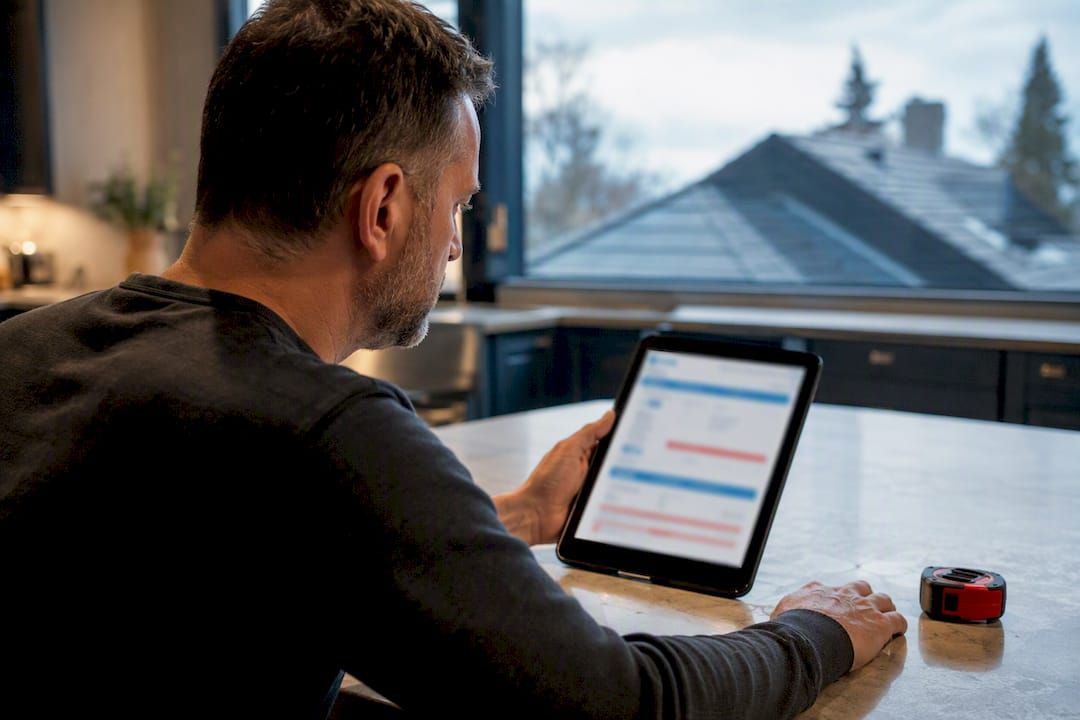
The authoritative place to run a California roofing license lookup is the Contractors State License Board's Check A License tool. Search by license number, business name, or the contractor's name, then confirm two things before signing anything: the classification listed is C-39 and the status reads Active. Anything else means you keep looking.
TL;DR:
- Verifying a California roofing license requires confirming the license type is C-39 and the status is Active on the CSLB website.
- License status other than Active, missing a workers' compensation indicator, or inconsistent business name signals potential red flags.
- Contractors must display their license number on advertisements, vehicles, and business materials, and refusing to provide it indicates license issues.
- Do not hire roofers with suspended, revoked, or no license, and always ask for proof of insurance and bond in writing before any work starts.
- Confirm the license information before signing a contract, as license verification alone does not guarantee workmanship or quality of service.
How Do You Look Up A California Roofing License Online?
Think of the CSLB database the same way you'd think of a car's title history. A roofer can tell you anything they want about their credentials, but the state's record is the only version that counts.
Here's the process, start to finish:
- Go to cslb.ca.gov and click "Check A License."
- Choose your search type: license number, business name, or personal name.
- If you have a license number, type in the numeric ID (it can run up to eight digits) and hit search.
- If you're searching by business name and the exact name doesn't return a hit, try truncating it or dropping "Inc." or "LLC" from the end.
- If you're searching by a person's name, flip the order. Enter it last name first, something like "Smith John," which is how the CSLB database tends to index individual license holders.
- Review the result: classification, status, bond, and workers' comp all show up on one screen.
California law requires roofers to display their license number on advertisements, bids, business cards, and even the trucks parked in your driveway. That's not a courtesy. It's a state requirement, and it means you often already have the number you need before you ever open a browser.
Prefer talking to a person? Call the CSLB helpline directly at 800-321-2752. Early mornings, right when the line opens, tend to have shorter waits than midday.
Pro Tip: Screenshot the CSLB profile the same day you check it. Status can change, and having a dated record protects you if a dispute comes up later.
What Does Each Field On A CSLB Roofer Profile Actually Mean?
A license profile isn't just a yes or no answer. Each field tells you something specific about whether this roofer is legitimate and financially accountable, and skipping past one is how homeowners end up in trouble.
License status is the first thing to check, and it comes in four flavors:
- Active — the license is current and the contractor can legally perform work.
- Inactive — the license exists but isn't authorized for active projects.
- Suspended — the state has pulled the contractor's ability to work, often over unpaid judgments or lapsed insurance.
- Revoked — the license is dead. Full stop.
Only Active clears a contractor for your roof.
Classification matters just as much as status. C-39 is the specific license category covering roofing systems, waterproofing, membranes, shingles, and tile work. A general "B" contractor can sometimes fold roofing into a larger remodel, but for a standalone roof job, you want to see C-39 on the profile, not just a B classification with no roofing scope specified.
Complaint disclosure shows up right on the profile. A roofer with a pattern of unresolved complaints is telling you something about how they handle problems after the check clears.
Workers' compensation and bond information round out the record. Every active C-39 contractor is required to carry workers' compensation insurance, which matters more than most homeowners realize: if an uninsured roofer's crew member gets hurt falling off your roof, you could be on the hook. Roofing carries real fall risk, and CSLB treats the workers' comp indicator as mandatory for that reason, not as paperwork.
What Red Flags Should Send You Looking Elsewhere?
Some warning signs show up before you even open the CSLB site. Others only surface once you're staring at the profile itself. Either way, treat these as stop signs, not yellow lights:
- No license number offered, or a vague answer like "we're licensed and insured" with no number attached.
- Status that reads anything other than Active.
- A C-39 profile with no workers' compensation indicator showing.
- Multiple unresolved complaints clustered in the last year or two.
- A business name on the bid that doesn't match the name tied to the license on file.
That last one trips up more homeowners than you'd expect. A roofer might hold a valid license under one name while bidding jobs under a different business name entirely, sometimes a relative's license, sometimes an old company that's since changed hands. Always confirm the qualifying individual's name on the CSLB profile matches the name and business on your actual bid.
If the license comes back suspended, revoked, or simply doesn't exist, stop the conversation there. Don't hand over a deposit hoping it gets sorted out later. Report the concern to CSLB and move on to a licensed alternative.
Pro Tip: Ask to see the license number BEFORE the estimate appointment, not after. A legitimate roofer will text or email it without hesitation.
What If A Roofer Won't Give You A License Number?
This should never happen, and if it does, it tells you everything you need to know. California requires the number on business cards, written bids, contracts, advertisements, and vehicle signage. If a contractor is dodging the question, they're either unlicensed or hoping you won't check.
Here's how to handle it:
- Ask directly: "What's your CSLB license number? I'd like to verify it before we move forward."
- If they hedge, follow up with: "Can you also send proof of your workers' comp coverage and bond?"
- Check any truck, flyer, or online ad they've already shown you. The number is often printed right on the vehicle door.
- If they still refuse or stall, walk away. A licensed roofer has nothing to hide here, and the ask costs them nothing.
What Shield Guard Roofing Wants Every NorCal Homeowner To Know
We've spent over 75 years of combined experience on Northern California roofs, and one pattern never changes: the homeowners who get burned are almost always the ones who skipped the license check to save time. This company is family-owned and installs roofing and siding products backed by manufacturer warranties, emphasizing that licensed, properly insured work is what protects you long after the crew leaves.
Licensed contractors carry workers' compensation for a reason. It's not red tape. It's what keeps a fall on your roof from becoming your legal problem.
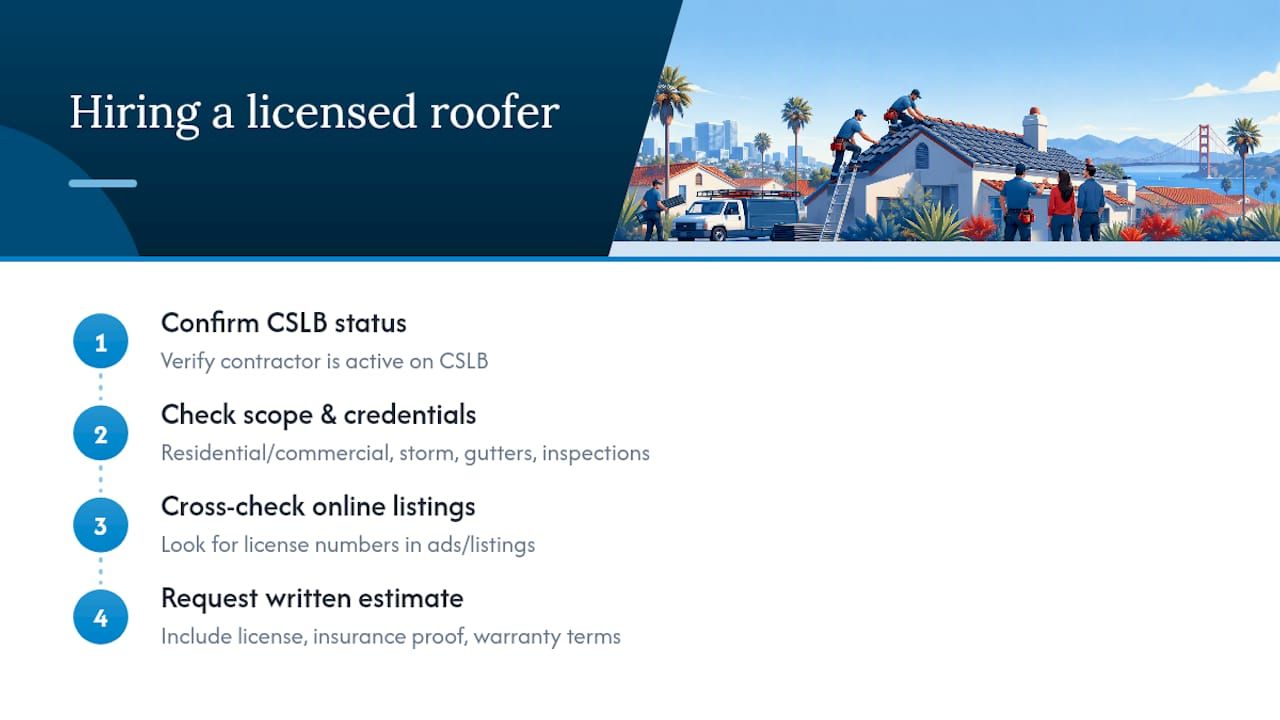
Before you sign anything, get a written estimate that includes the contractor's license number, proof of insurance and bond, a payment schedule, and the warranty terms in plain language. If a roofer resists putting any of that in writing, that hesitation is the answer.
An Editorial Take On Verifying Roofers The Right Way
Most advice on this topic stops at "check the license," as if that's the finish line. It isn't. The CSLB database tells you whether someone is legally allowed to work, not whether they'll do the work well or show up when the job gets hard. Those are two different questions, and conflating them is where a lot of homeowners get into trouble even after doing their homework.
What the research actually supports is this: license verification is the floor, not the ceiling. It rules out fraud and confirms baseline insurance protection. Everything above that, workmanship, communication, how a company handles a complaint, comes from asking better questions and reading the complaint history closely rather than treating an Active status as a stamp of quality.
Prioritize the boring parts first. Confirm C-39, confirm Active, confirm workers' comp. Then spend your actual energy vetting the human beings who'll be on your roof.
— Cesar
Ready To Hire A Licensed Roofer In Northern California?
Once you've confirmed a contractor's CSLB status, the next decision is who actually gets the job. This company handles residential and commercial roofing, repairs, inspections, storm damage restoration, and gutter work across Northern California, and encourages customers to verify licensing through CSLB rather than taking their word for it. That's the difference between a company that hopes you don't check and one that expects you to.
If you're weighing roofing marketing or want to see how legitimate contractors present their credentials online, roofer SEO practices show how license numbers typically show up in ads and listings, useful context when you're cross-checking a bid against a company's web presence. For a deeper look at what your license protections actually cover, read what a roofing contractor license means for NorCal homeowners.
Once you've confirmed our license status, the next step is simple: request a residential roofing estimate and get a written quote with your license number, insurance proof, and warranty terms spelled out before any work begins.
Where To Verify A License And Learn More
Bookmark these before you start calling contractors:
- CSLB Check A License for direct license lookups
- CSLB C-39 classification page to confirm what roofing work a license actually covers
- CSLB consumer hiring guidance for a fuller rundown on choosing a contractor
- CSLB phone line, 800-321-2752, for immediate verification or to report a concern
For background on bonds and what they protect you against, see this guide to roofing bonds for NorCal homeowners.
Sources
FAQ
How Do I Check A Roofer's License In California?
Go to the CSLB Check A License tool and search by license number, business name, or contractor name. Confirm the classification shows C-39 and the status reads Active before hiring.
Do Roofers Need A License In California?
Yes. Any roofing project totaling $1,000 or more in labor and materials requires a licensed C-39 contractor under California law.
What States Recognize California Contractors' Licenses?
California's contractor license generally isn't automatically honored in other states, since each state licenses contractors under its own board and requirements. If a contractor claims reciprocity, verify it directly with CSLB or the destination state's licensing board rather than taking their word for it.
How Do I Look Up A California Contractor License By Name?
On the CSLB search page, select the "personal name" search option and enter the last name first, for example "Smith John." If nothing matches, try shortening the name or searching by business name instead.
What If A Contractor's License Shows As Suspended?
Stop the conversation immediately and don't pay any deposit. Report the issue to CSLB and choose a contractor with an Active C-39 license instead.
Recommended