What $250–$500 Buys: California Roof Inspection Costs by Scope
What $250–$500 Buys: California Roof Inspection Costs by Scope
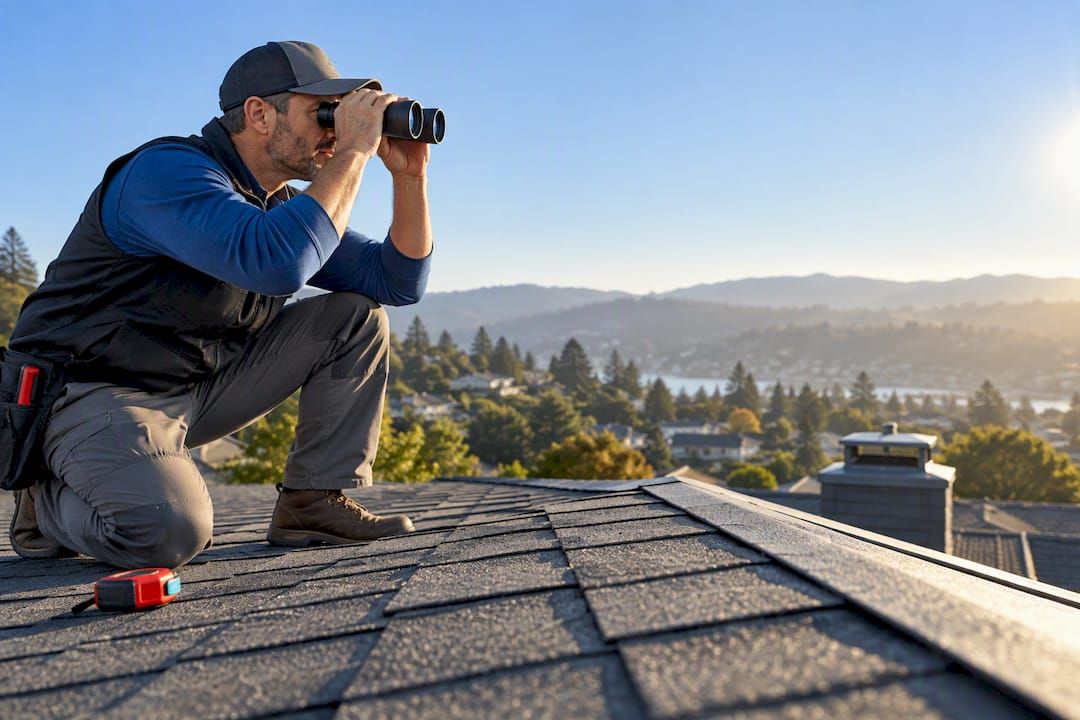
A typical roof inspection in California generally varies by method, with more specialized drone and infrared diagnostics costing more. A standard walk inspection sits toward the lower bound, while thermal imaging or moisture testing adds real cost. What you get for that price, whether it's InterNACHI-aligned scope, attic access, and a written report, or a quick driveway glance, matters more than the number itself.
TL;DR:
- Standard roof inspections in California typically cost between $150 and $250, with more advanced diagnostics like drone surveys and infrared imaging costing $350 to over $900.
- A comprehensive report should include photos, a written summary, limitations, and specify whether attic access or moisture testing was performed to ensure reliability.
- Factors such as roof size, pitch, materials, obstructions, and expedited service significantly influence the final inspection price.
- Homeowners should request a detailed scope, sample report, license verification, and clear pricing before booking to avoid surprises.
- Conduct inspections before rainy seasons or after storms, and consider both contractor and independent inspections based on whether repair estimates or unbiased condition reports are needed.
How Much Does a Roof Inspection Cost in California?
Think of your roof inspection as varying by depth and method, where more thorough diagnostics provide greater detail and confidence.
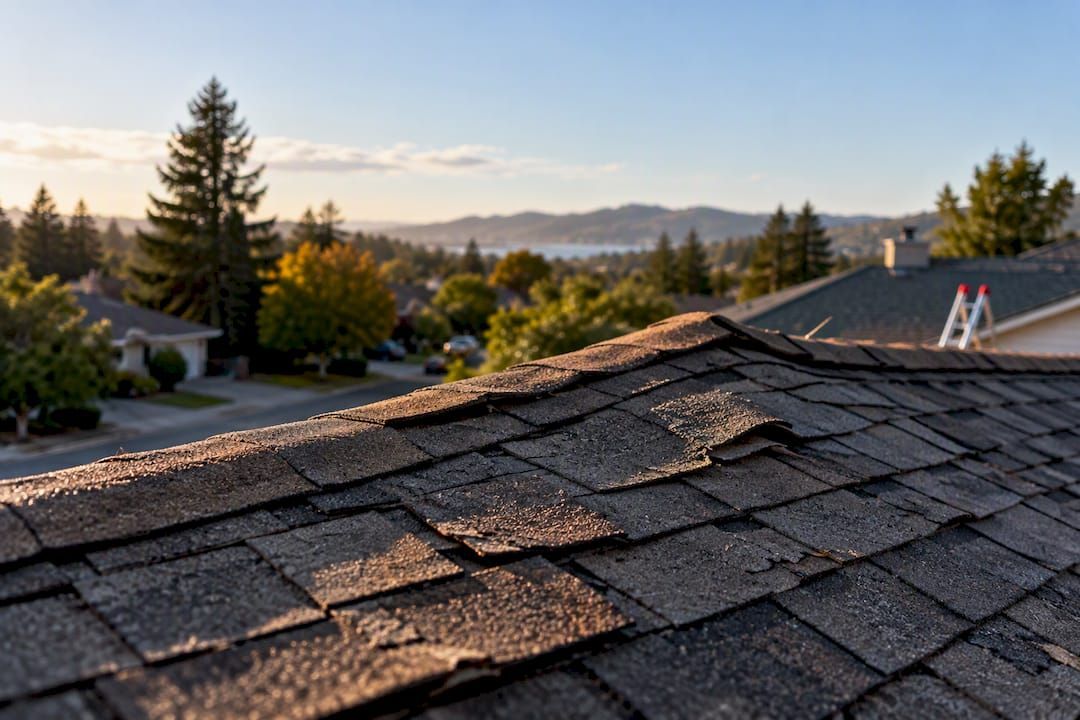
At the low end, a basic visual walk or ground-level review with binoculars covers the inspection without specifying an exact price range. You'll get a short write-up noting obvious problems: cracked tiles, lifted shingles, or clogged gutters. It's useful for a quick health check, but it rarely includes attic access or detailed photo documentation.
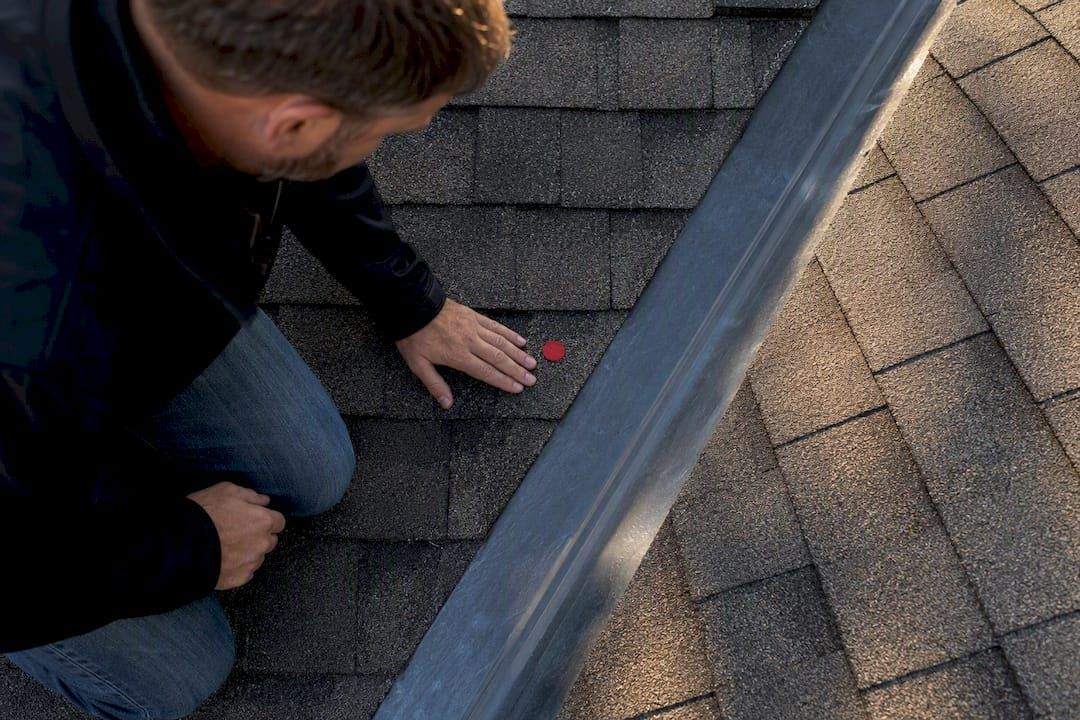
The middle tier generally includes full roof walk inspections with attic access and report, favored by many California homeowners. Local pricing guides put standard inspections squarely in this range for typical properties, and it usually includes a full roof walk, attic observation where accessible, photos of problem areas, and a written report with prioritized findings. This tier is the sweet spot for pre-listing checks, post-storm reviews, and routine maintenance planning.
At the high end, specialized diagnostics like drone surveys and infrared thermal imaging cost more due to equipment, expertise, and more detailed interpretation requirements. Angi's pricing data confirms this pattern nationally: basic walk inspections stay cheapest, while drone and infrared methods carry a clear cost jump.
Regional variance matters, too. Inspections in the Sacramento metro area or the Bay Area often run higher than in rural Northern California counties, mostly because of labor rates and travel time. Some companies bundle a free basic inspection with a repair estimate, which is worth asking about if you already suspect damage.
Quick reference for California inspection pricing:
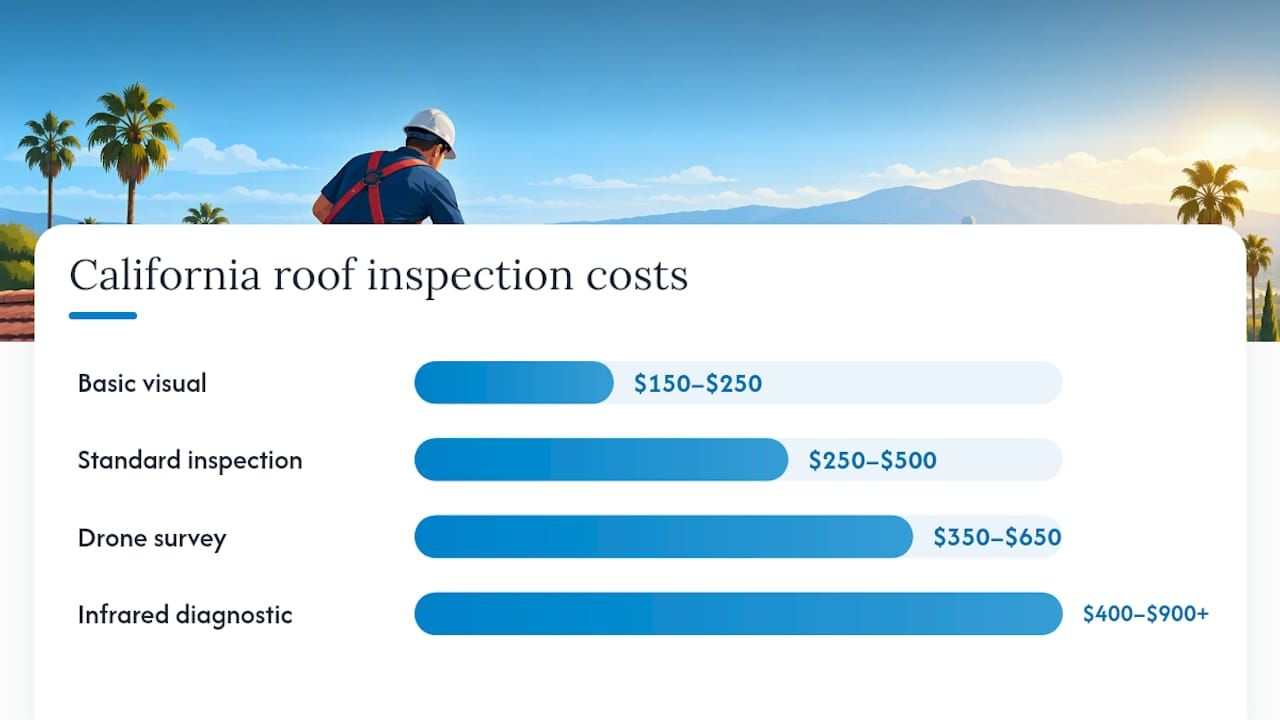
- Basic walk/visual inspection: $150 to $250
- Standard inspection with attic access and written report: $250 to $500
- Drone survey (steep or inaccessible roofs): $350 to $650
- Infrared/thermal diagnostic inspection: $400 to $900+
Statistic Callout: Angi's cost research shows that specialized diagnostics like infrared inspections carry a materially higher price than standard visual inspections, reflecting the added equipment and interpretation time involved.
What Does a Professional Roof Inspection Include?
A defensible inspection follows a defined scope, not a contractor's gut feeling. The residential standard published by InterNACHI lays out exactly what should be checked and, just as important, what an inspector is not required to do.
A thorough inspection typically covers:
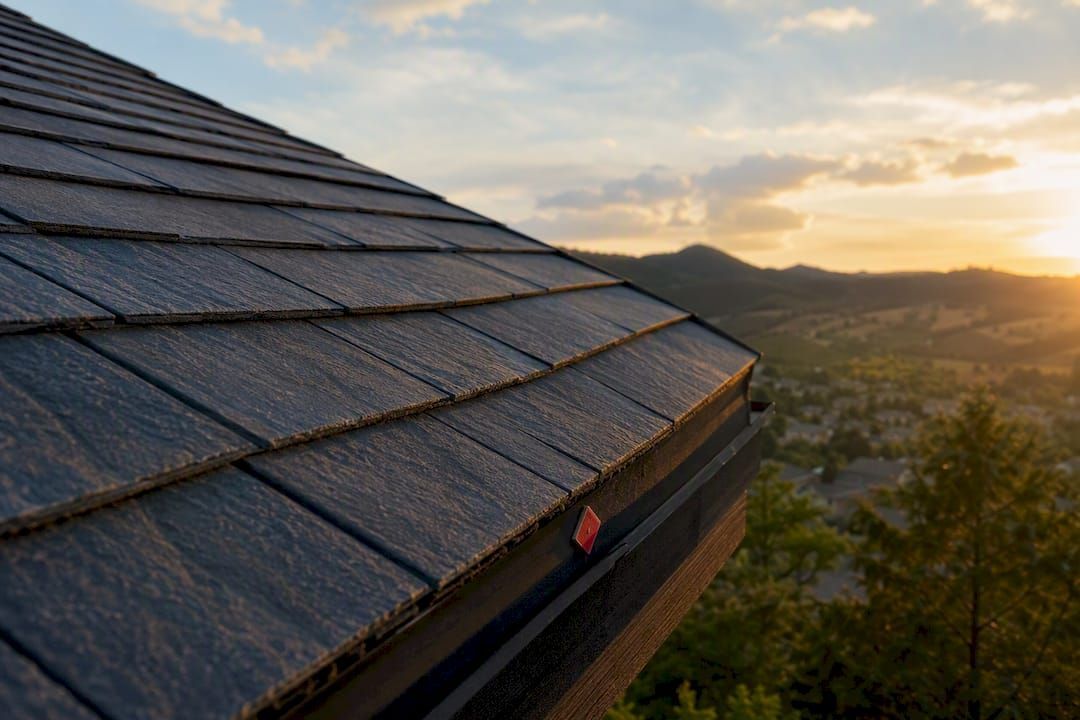
- Roof covering materials (shingles, tile, metal, or synthetic products)
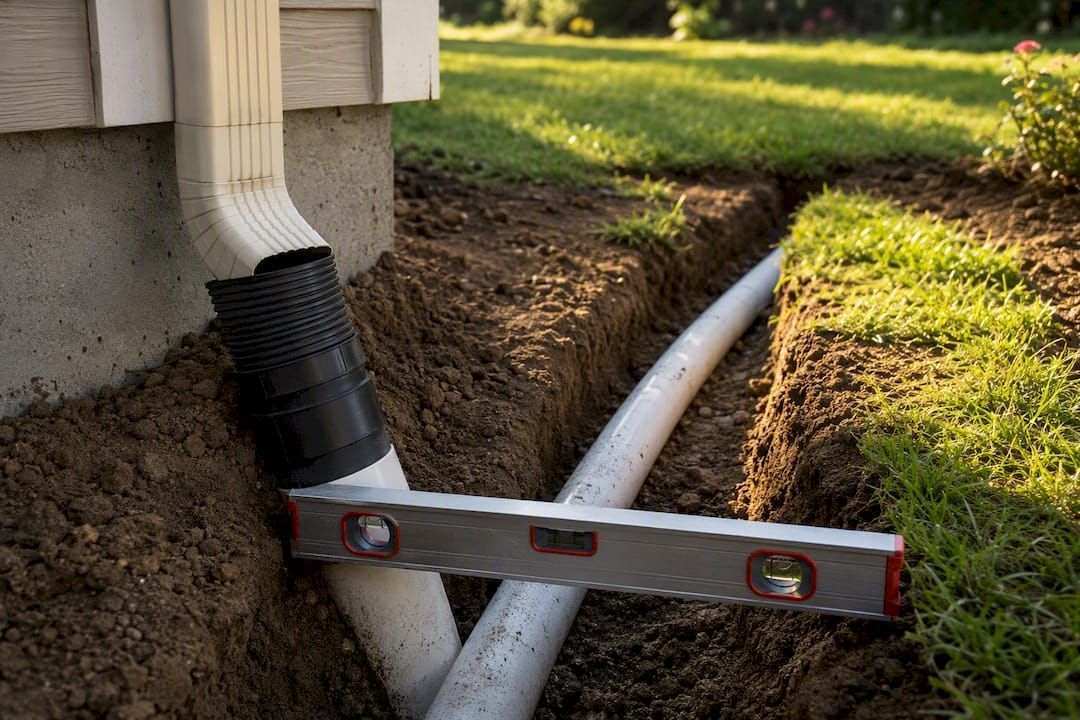
- Gutters and downspouts for proper drainage
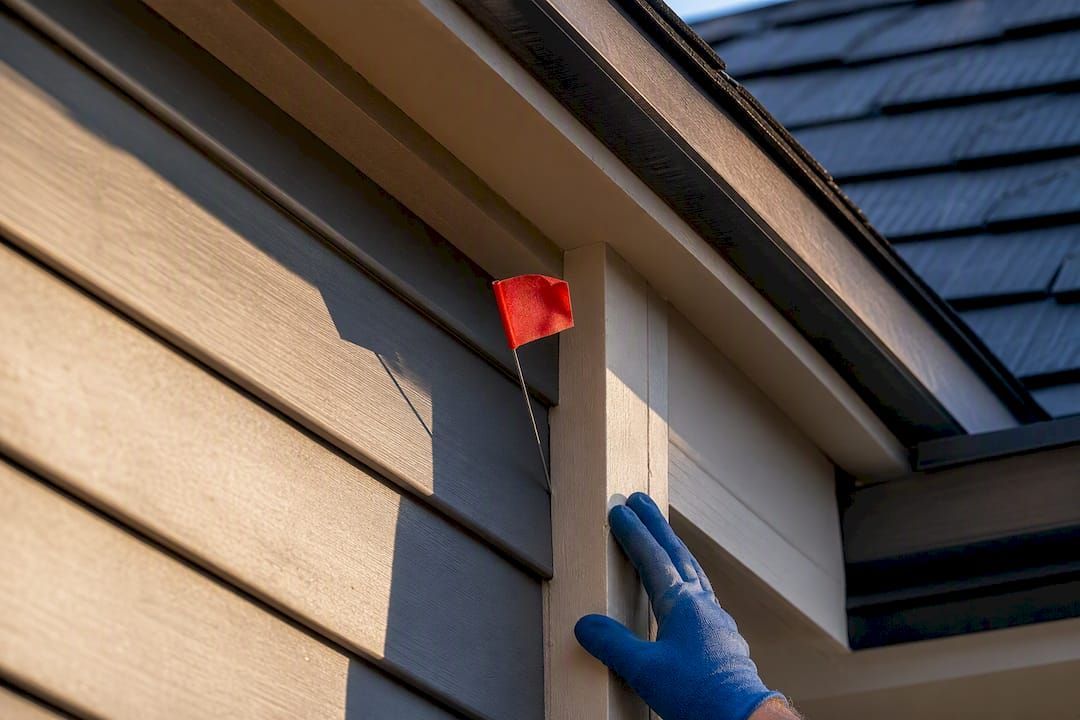
- Flashing around chimneys, vents, and skylights
- Roof penetrations, including pipe boots and vent caps
- Chimney condition where visible
- Accessible roof structure and readily observable attic conditions, including insulation and ventilation signs
The deliverable matters as much as the checklist. A proper report includes photos of specific problem areas, a written summary of findings, and prioritized recommendations, plus a stated list of limitations: areas the inspector couldn't safely access, tests not performed, or planes too steep to walk. That last part isn't a cop-out. InterNACHI's standard is explicit that a visual inspection does not certify remaining roof life or serve as an engineering opinion.
Standard visual inspections differ from diagnostic add-ons in purpose, not just price. A basic walk-through suits routine maintenance checks. Infrared imaging earns its keep when you're chasing an active leak with no visible source, since it can reveal moisture patterns under the surface. Moisture testing and sampling tend to show up in escrow situations, where a buyer or lender wants documented proof of roof condition before closing.
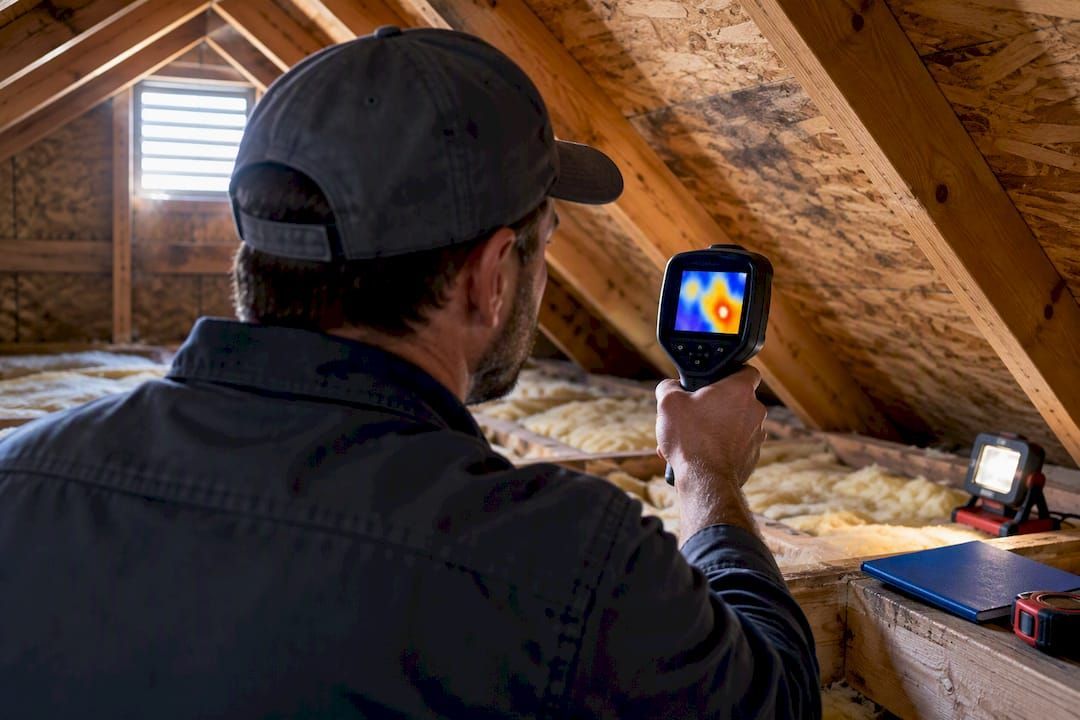
Pro Tip: Ask every inspector for a sample report before you book. If they can't show you one with photos and a clear limitations section, that's a signal to keep calling around.
What Factors Drive Roof Inspection Prices in California?
Your final quote depends on more than square footage, though that's where the math starts. Here's what actually moves the number up or down.
-
Square footage and stories. A 1,200 square foot single-story roof takes far less time to walk and document than a 4,000 square foot two-story roof with multiple roof planes. More area means more time, and time is what you're paying for.
-
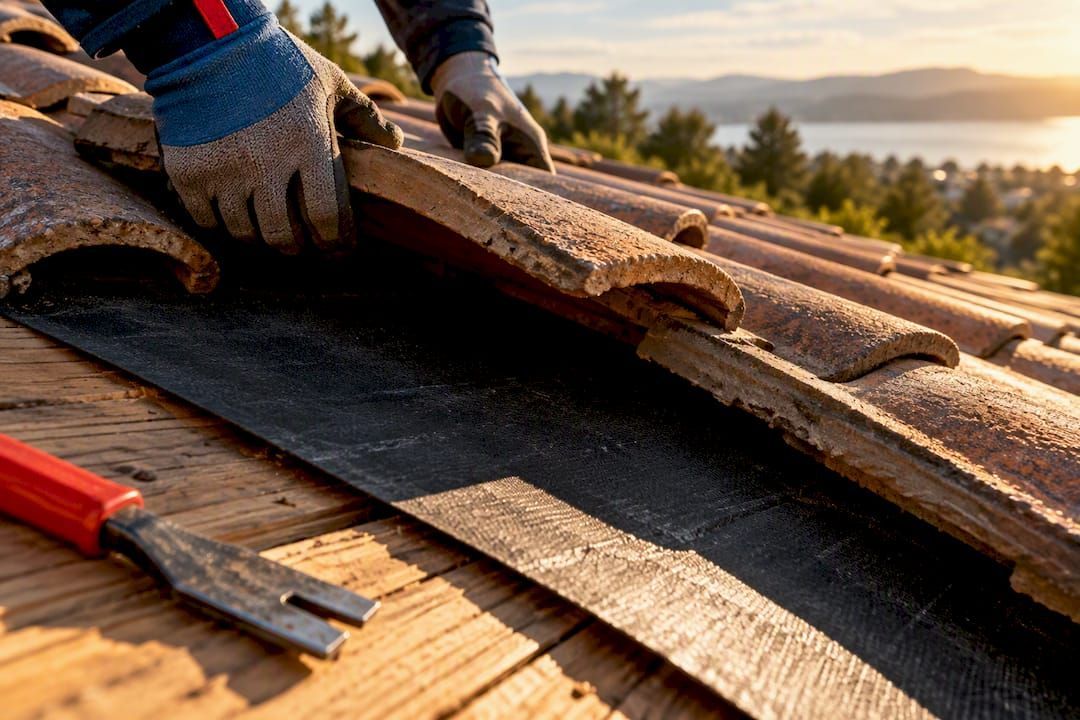
Pitch and materials. A low-slope composition shingle roof is quick and safe to walk. A steep tile or metal roof requires harnesses, extra caution, and sometimes a drone instead of foot traffic. Fragile materials like older clay tile can crack underfoot, which pushes inspectors toward non-invasive methods that cost more.
-
Accessibility and obstructions. Solar panels, skylights, and dense tree cover all slow down an inspection or block direct access to sections of the roof. A roof crowded with solar arrays, for instance, often needs a drone pass to check areas the panels physically cover.
-
Add-on diagnostics. Attic entry, infrared thermal imaging, moisture testing, and certification letters (often requested for insurance or escrow) each add a line item to your quote. A certification letter alone can add $50 to $150 depending on the contractor.
-
Rush and expedited service. Need it done tomorrow because escrow closes Friday? Expect a rush fee. Emergency or same-week scheduling routinely costs more than a standard two-week booking window.
-
Geographic market and travel. Labor rates in metro Sacramento or the Bay Area run higher than in rural counties, and if your property sits far from an inspector's service area, travel time gets built into the price.
Solar installation deserves its own callout here. If you added panels in the last few years, get an inspection that specifically checks the mounting penetrations and surrounding flashing. That's one of the more common leak sources homeowners miss, and it's exactly the kind of detail a rushed, cheap inspection skips.
When Should You Schedule a Roof Inspection in California?
Timing affects both what an inspection finds and what it costs. Book ahead of the rainy season, ideally in early fall, so you catch problems before winter storms turn a small leak into water damage. After any major storm with high wind or hail, schedule a follow-up inspection even if nothing looks obviously wrong from the ground.
Several other moments call for an inspection regardless of season:
- Before listing your home for sale, so you can address issues before a buyer's inspector finds them
- During escrow, when a buyer or lender requests documented roof condition
- After noticing interior stains, discoloration, or musty odors near the ceiling
- Following any new solar panel installation, to confirm mounting and flashing were done correctly
- Once your roof passes 15 to 20 years old, even without visible problems
Waiting until you're desperate costs more. Emergency inspections, especially right after a storm when every roofer in the county is booked, tend to carry rush pricing. A scheduled annual check avoids that premium entirely.
Contractor Inspection or Independent Home Inspector: Which Do You Need?
The answer depends on the decision you're trying to make, and conflating the two roles is one of the most common mistakes homeowners make.
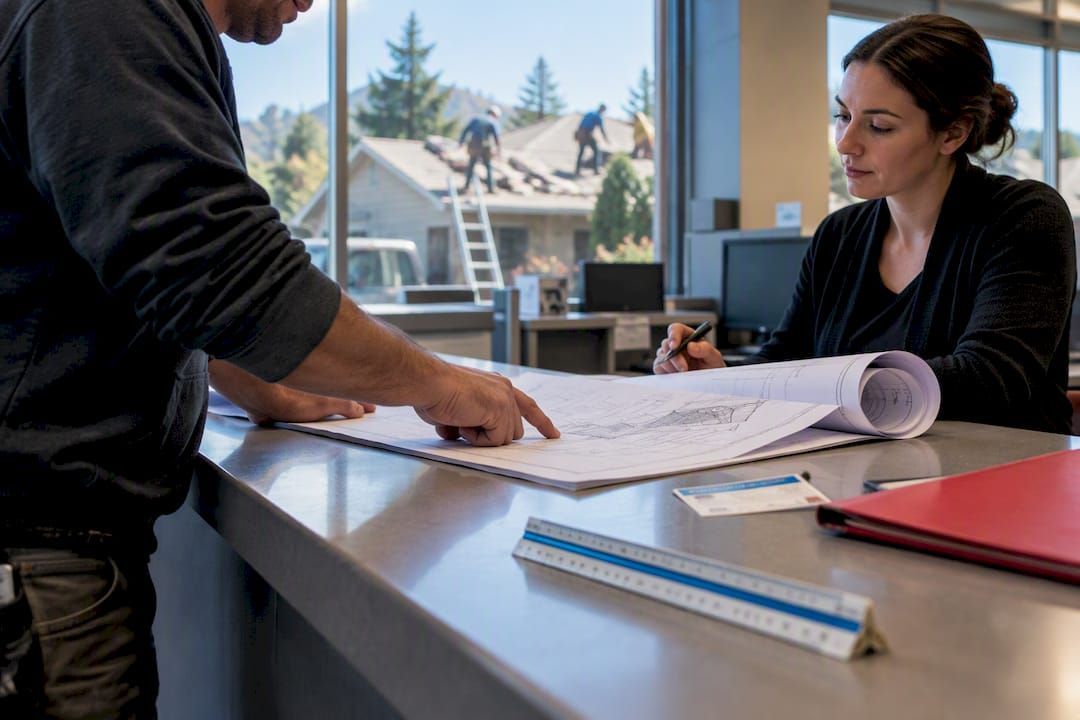
A roofing contractor's inspection is built around repairability. They'll walk the roof, identify problems, and typically follow up with a repair or replacement quote. That's valuable when your goal is fixing something, but it's inherently tied to a sales conversation since the same company stands to do the work.
An independent home inspector, by contrast, follows general home-inspection standards focused on non-invasive, documented observation. They're not selling you a repair. Their report exists to give an unbiased condition snapshot, which is exactly what escrow transactions and insurance claims often require.
- Need repair pricing and a contractor relationship? Get a contractor inspection.
- Need an unbiased, escrow-ready report? Get an independent home inspector.
- Selling a home with a roof over 15 years old? Consider both.
Whichever you choose, verify licensing first. California contractors doing roofing work should carry a C-39 classification through the CSLB, and you should always ask for proof of insurance and workers' compensation coverage before anyone gets on your roof.
Pro Tip: If you're mid-escrow and time is tight, book the independent inspector first. Their report gives you leverage in negotiations regardless of what a contractor later quotes for repairs.
How Do You Get an Accurate Roof Inspection Quote?
Comparing quotes by price alone is how homeowners end up surprised by what's missing. Do this instead:
- Get the scope in writing. Ask whether the inspector will walk the roof, use a ladder and binoculars, fly a drone, or some combination, and whether attic entry is included.
- Confirm deliverables upfront. You want photos, a written report, and a clearly stated limitations section, not a verbal summary over the phone.
- Ask for license and insurance proof. Request the CSLB number and verify it yourself, then confirm current insurance and workers' comp.
- Request a sample report. A company that can't produce one is asking you to trust a process you can't evaluate.
- Clarify the pricing model. Flat fee, per-square-foot, or hourly all price differently on a large or complex roof, and travel or rush fees should be disclosed before, not after, the visit.
On your end, clear attic access ahead of time, note exactly where you've seen stains or drips, trim back branches touching the roofline, and secure pets. Those small steps materially improve how useful the attic observation turns out to be, since a cluttered attic or a vague "somewhere near the bedroom" tip slows the inspector down and weakens the findings.
Why Shield Guard Roofing's Local Track Record Matters
We're a family-owned roofing company built on honesty, integrity, and workmanship that holds up, and we've served Northern California homeowners and property managers for generations combined. Our team handles residential roofing, commercial roofing, roof repair and maintenance, storm damage restoration, roof inspections, and gutter and drainage work under one roof, literally.
When we inspect a property, we install what we recommend. We work with premium materials, including GAF, GAF Energy, Brava Roofing, and siding products.
[Author credentials and roofing industry certifications], [case studies or project portfolios demonstrating direct experience], and [client testimonials specific to this work] would appear here.
Why Documented Scope Beats the Lowest Bid Every Time
The cheapest quote on your list is rarely the cheapest option once you factor in what it leaves out. A $150 drive-by glance and a $400 documented inspection with attic access and photos aren't competing products, they're different services wearing the same name.
My take: stop shopping by price tag and start shopping by paper trail. Ask what's included, get it in writing, and verify the license before anyone climbs a ladder. The homeowners who get burned aren't the ones who paid too much, they're the ones who never found out what they'd actually bought until a leak proved it.
— Cesar
Get a Local Inspection Backed by Real Repair Capability
If your inspection turns up damage, you don't want to hire a second company to fix what the first one found. Shieldguardroofing handles both sides under one roof: a documented inspection following recognized scope standards, and, if repair or replacement is needed, an in-house crew that installs premium materials with industry-leading warranties instead of subcontracting the work out to strangers.
That matters because every handoff between companies is where communication breaks down and costs creep up. When Shieldguardroofing inspects your roof, the same team that documented the problem can quote and complete the fix, with no re-explaining your roof's history to a new contractor.
- Schedule a roof inspection with Shieldguardroofing and get a written, photo-backed report before you commit to anything.
Sources
For further reading, InterNACHI's Standards of Practice define inspection scope, the CSLB license lookup verifies contractor credentials, and Angi's pricing overview supports the price bands cited above. For budgeting beyond inspection into full replacement, see this roof replacement cost breakdown.
FAQ
How Much Should You Pay for a Roof Inspection?
Most California homeowners should expect to pay between $250 and $500 for a standard inspection that includes attic access, photos, and a written report. Basic visual checks run cheaper, around $150 to $250, while drone or infrared diagnostics push costs toward $650 or higher.
What Is the 25% Rule in Roofing?
The 25% rule refers to a building code provision some jurisdictions use, stating that if more than 25% of a roof section needs replacement, the entire section (or roof) must be brought up to current code rather than patched piecemeal. Rules vary by local jurisdiction, so check with your specific city or county building department for how it applies to your property.
Will Insurance Cover a 20 Year Old Roof in California?
Coverage depends heavily on your specific policy and insurer, and many California insurers apply depreciation or exclusions to older roofs regardless of condition. An inspection report with clear photos and documented condition gives you the best chance of a fair claim outcome, but you'll need to confirm coverage terms directly with your insurance provider.
How Much Does It Cost to Replace a Roof on a 4,000 Square Foot House?
Replacement cost varies widely based on material choice, roof pitch, and removal complexity, and it's a separate project from an inspection. Shieldguardroofing provides project-specific quotes for residential roofing after an inspection identifies the actual scope of work needed.
Recommended