Types of Residential Roofing Materials for NorCal Homes
Types of Residential Roofing Materials for NorCal Homes
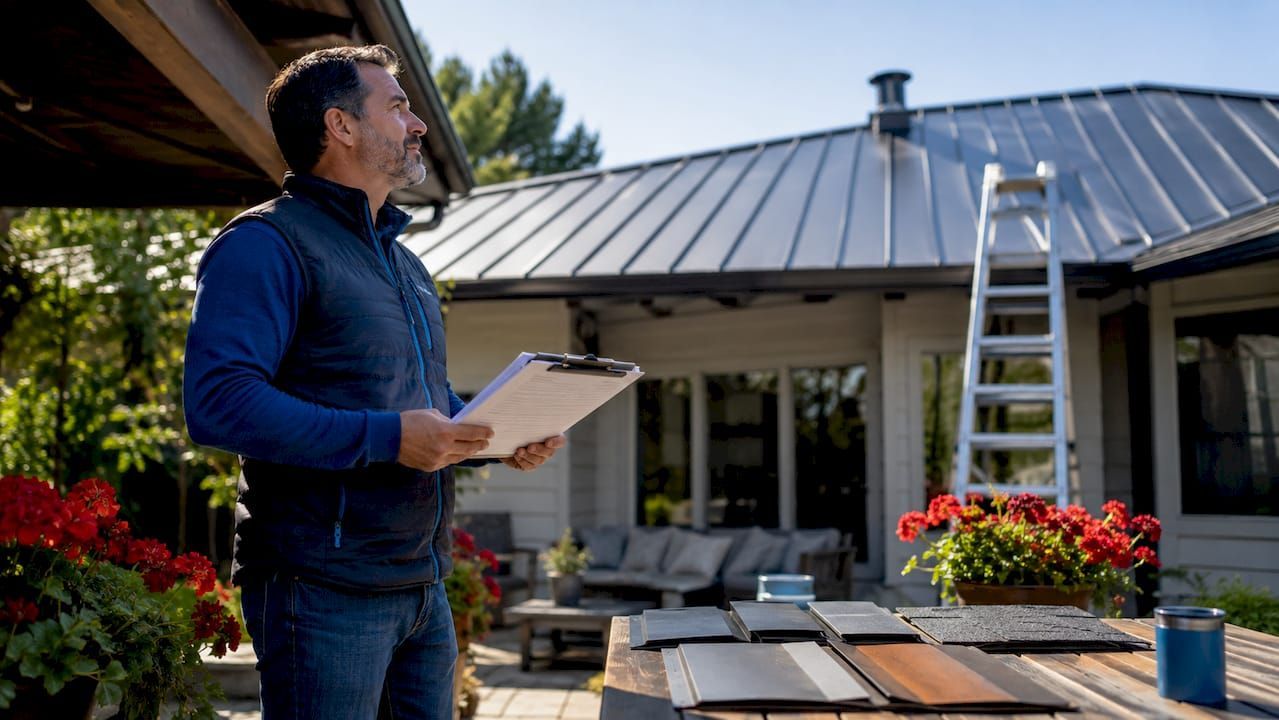
Types of residential roofing materials are the single biggest factor determining your roof's lifespan, cost, and protection against Northern California's unique combination of wildfire risk, heat, and occasional heavy rain. The primary roofing families for steep-slope homes include architectural asphalt shingles, metal panels, clay and concrete tile, wood shakes, and synthetic alternatives. Each performs differently depending on your roof's slope, your local fire zone designation, and your budget. Choosing the wrong material is not just an aesthetic mistake. It can mean premature failure, voided warranties, or a roof that fails a fire inspection.
1. Architectural asphalt shingles: the most popular residential roofing option
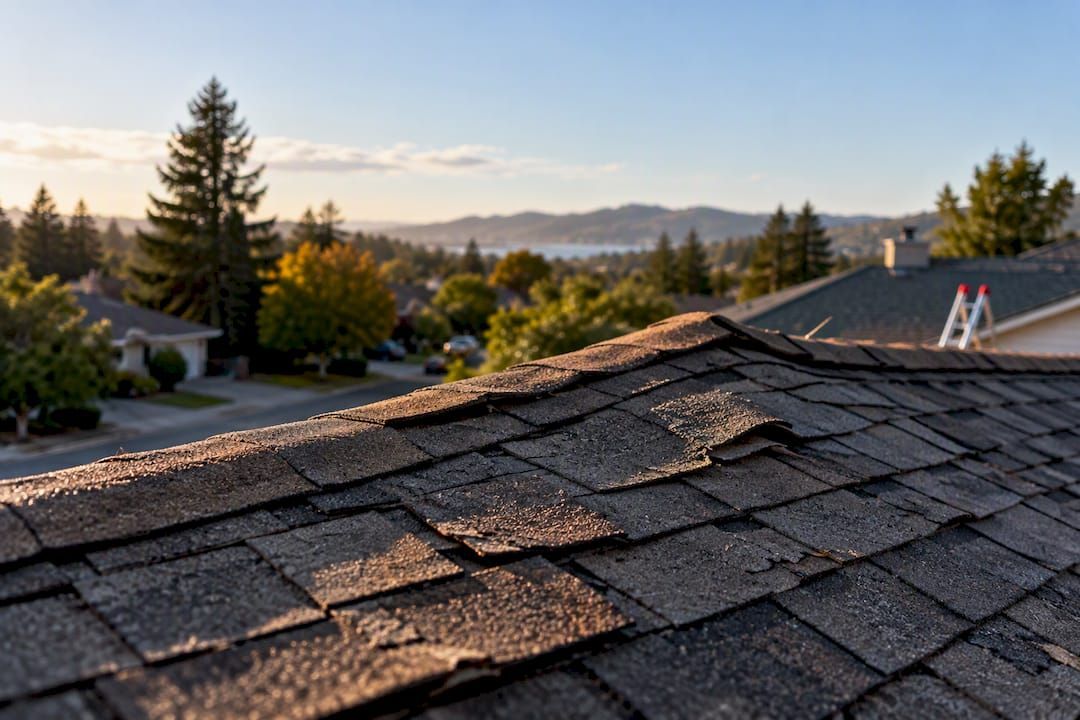
Architectural asphalt shingles, also called dimensional or laminate shingles, are the most widely installed roofing material across Northern California. They are made from a fiberglass mat coated with asphalt and embedded with mineral granules, giving them a textured, layered appearance that mimics wood shake or slate at a fraction of the cost. Their typical lifespan runs 25 to 30 years, making them a reliable mid-range investment for most homeowners.
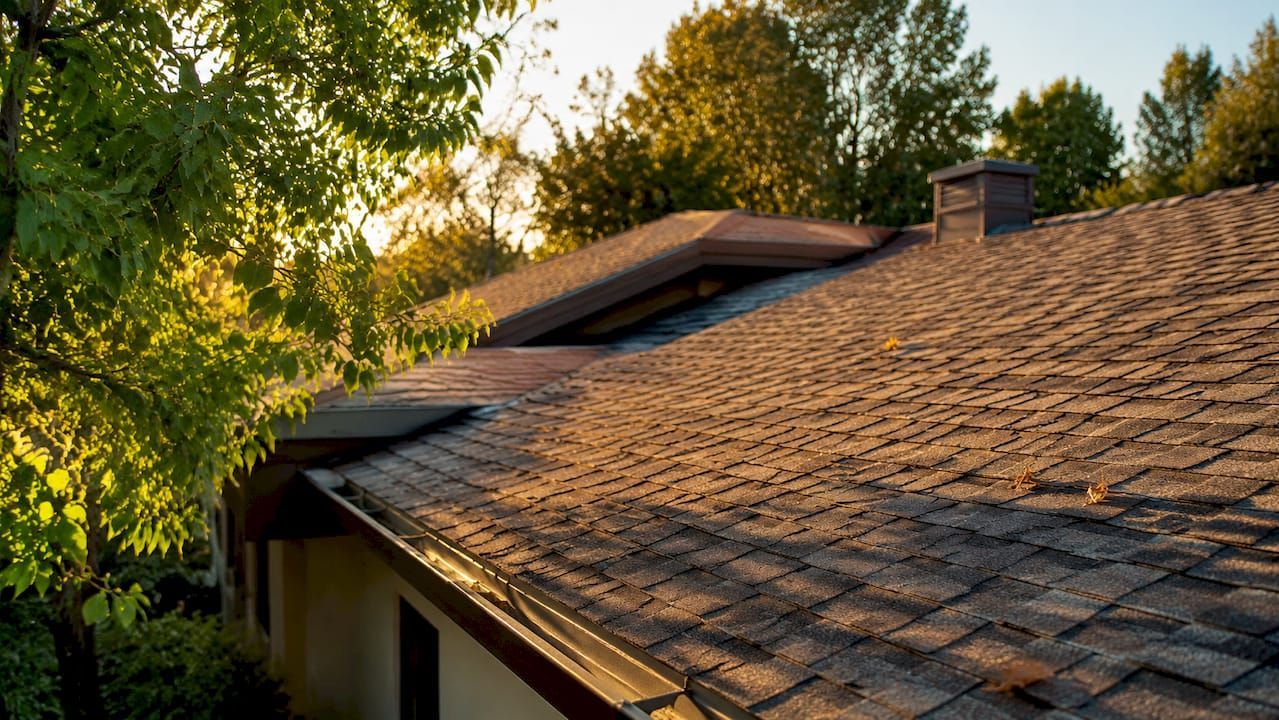
Installed costs for architectural shingles run approximately $4.50 to $7.50 per square foot, which makes them one of the most affordable roofing choices available without sacrificing performance. They carry Class A fire ratings when manufactured with fiberglass mats, which is critical in Northern California's wildfire-prone counties. Wind resistance classifications under ASTM D7158 testing range from Class D through Class H, so you should always confirm the wind rating before purchasing in high-exposure areas.
Architectural shingles require a minimum 4:12 roof slope for standard installation, though they can be used on slopes as low as 2:12 with enhanced underlayment. They outperform older 3-tab shingles in thickness, wind resistance, and visual depth. GAF, one of the manufacturers Shieldguardroofing works with directly, offers architectural shingles backed by industry-leading warranty programs.
- Class A fire rating (fiberglass mat construction)
- Lifespan: 25 to 30 years with proper maintenance
- Installed cost: $4.50 to $7.50 per square foot
- Minimum slope: 4:12 standard, 2:12 with enhanced underlayment
- Available in a wide range of colors and profiles
Pro Tip: Nailing pattern matters more than most homeowners realize. Incorrect fastener placement in asphalt shingles directly affects wind uplift resistance and can void your manufacturer warranty. Always confirm your installer follows local IRC code requirements.
2. Metal roofing: durability and fire resistance for wildfire zones
Metal roofing now accounts for over 18% of the residential market, driven by its combination of longevity, fire resistance, and lighter weight compared to tile or slate. For Northern California homeowners in fire-risk zones, metal is one of the smartest long-term investments you can make. It carries a Class A fire rating across most panel types, and it sheds embers rather than catching them.
The two most common residential metal roofing types are standing seam panels and metal shingles. Standing seam uses continuous vertical panels with concealed fasteners, giving a clean modern look and superior weather resistance. Metal shingles mimic the appearance of wood shake, slate, or tile while delivering the performance benefits of steel or aluminum. Both options carry lifespans of 40 to 70 years with minimal maintenance requirements.
| Feature | Standing seam metal | Metal shingles |
|---|---|---|
| Appearance | Modern, clean lines | Mimics shake, slate, or tile |
| Lifespan | 40 to 70 years | 40 to 60 years |
| Installed cost | $10 to $18 per sq ft | $8 to $14 per sq ft |
| Minimum slope | 1:12 (standing seam) | 3:12 |
| Fire rating | Class A | Class A |
Metal roofing is also significantly lighter than clay tile or slate, which means most existing roof structures can support it without expensive framing upgrades. Standing seam panels can be installed on slopes as low as 1:12, making them one of the few popular roof materials suited to nearly flat residential sections. GAF Energy, a product line Shieldguardroofing offers, integrates solar technology directly into metal roofing systems for homeowners who want energy production alongside protection.
Pro Tip: Metal roofs expand and contract with temperature swings. Standing seam panels handle this movement through floating clip systems. If a contractor proposes hard-fastening standing seam panels directly to the deck, that is a red flag worth addressing before work begins.
3. Clay and concrete tile: long-lasting beauty with structural demands
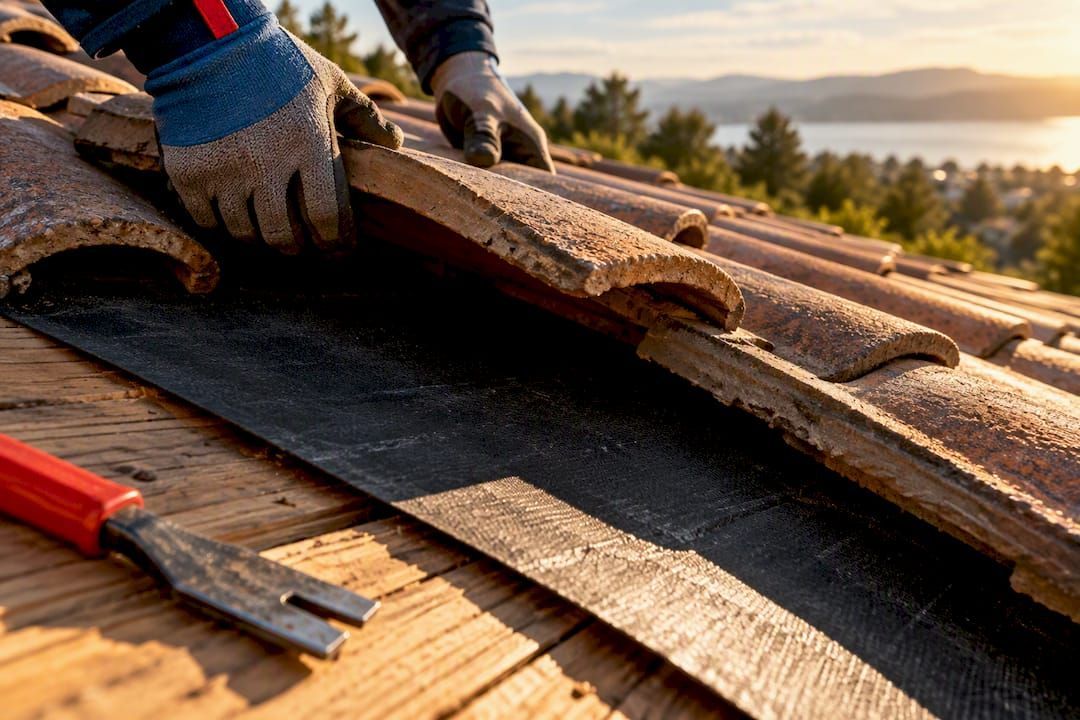
Clay and concrete tile roofing delivers a lifespan of 50 to 100 years and a distinctive Mediterranean or Spanish Colonial aesthetic that suits many Northern California home styles. Clay tiles are fired ceramic, while concrete tiles are molded from sand, cement, and water. Both carry Class A fire ratings and handle heat exceptionally well, which is why they remain a popular choice in Sacramento Valley and foothill communities.
The trade-off is weight. Clay and concrete tiles are among the heaviest roofing materials available, and many homes require structural reinforcement before installation can proceed. A structural engineer assessment is not optional when switching from asphalt shingles to tile. Skipping this step is one of the most expensive mistakes a homeowner can make, as framing upgrades can add thousands of dollars to a project budget.
Installed costs for clay and concrete tile run approximately $10 to $18 per square foot, comparable to standing seam metal but with a longer potential lifespan. Tile requires a minimum slope of 2.5:12 per IRC code. Maintenance is relatively low once installed, though individual cracked tiles should be replaced promptly to prevent water intrusion beneath the field.
- Lifespan: 50 to 100 years
- Class A fire rating
- Installed cost: $10 to $18 per square foot
- Minimum slope: 2.5:12
- Requires structural framing assessment before installation
- Low ongoing maintenance but individual tile repairs needed when cracked
Brava Roofing, another product line available through Shieldguardroofing, offers composite tile products that replicate the look of clay or slate at a lighter weight. This is worth considering if your home's framing cannot support traditional tile without costly reinforcement.
4. Other residential roofing materials worth considering
No single best roofing material exists for every home. Roof slope, local fire codes, and budget all shape the right answer. Beyond the three primary options above, several other materials serve specific situations well.
-
Wood shakes and shingles. Cedar shakes deliver a natural, rustic appearance and decent insulation value. The problem in Northern California is fire risk. Wood shakes typically carry only a Class B fire rating, and many counties in fire-hazard severity zones prohibit them outright or require Class A treatment. Check your local fire code before considering this option.
-
Synthetic slate. Products made from rubber, plastic, or composite materials replicate the look of natural slate at a fraction of the weight and cost. Natural slate runs $15 to $30 per square foot installed, while synthetic alternatives come in closer to the metal shingle price range. They suit historic or craftsman-style homes where aesthetics matter but budget and structural limits rule out real slate.
-
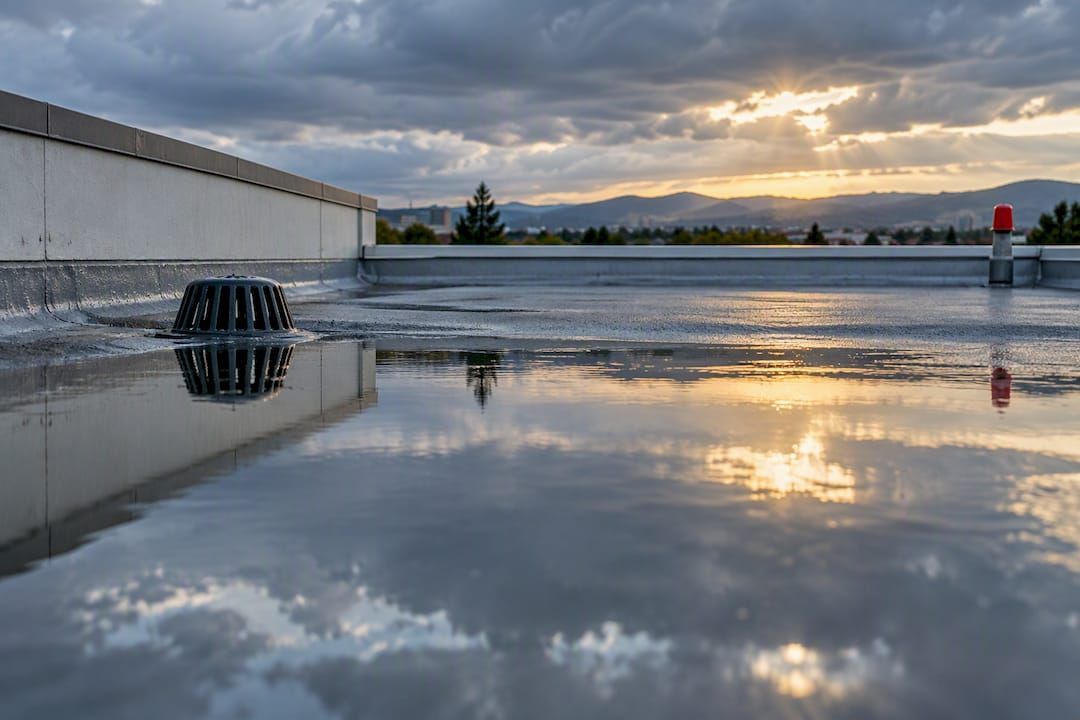
TPO and EPDM membrane roofing. Low-slope roof sections require membrane systems like TPO (thermoplastic polyolefin), EPDM (ethylene propylene diene monomer), or modified bitumen rather than shingles or tiles. These materials achieve waterproofing through welded or adhered seams rather than gravity shedding. They are common on flat porch roofs, garage additions, and low-pitch sections of otherwise steep-slope homes.
-
BUR (built-up roofing). Built-up roofing uses alternating layers of bitumen and reinforcing fabric, topped with aggregate. It is durable and time-tested for low-slope applications, though it is heavier and more labor-intensive to install than single-ply membranes like TPO.
5. How roofing materials compare across key factors
Choosing between types of roofing systems comes down to matching the material's performance profile to your home's specific conditions. The table below summarizes the most important factors for Northern California homeowners.
| Material | Lifespan | Installed cost (per sq ft) | Fire rating | Min. slope | Weight |
|---|---|---|---|---|---|
| Architectural asphalt shingles | 25 to 30 years | $4.50 to $7.50 | Class A | 2:12 to 4:12 | Light |
| Standing seam metal | 40 to 70 years | $10 to $18 | Class A | 1:12 | Light to medium |
| Clay or concrete tile | 50 to 100 years | $10 to $18 | Class A | 2.5:12 | Heavy |
| Synthetic slate | 30 to 50 years | $8 to $14 | Class A | 4:12 | Medium |
| Wood shakes | 20 to 30 years | $6 to $10 | Class B | 4:12 | Medium |
| TPO or EPDM membrane | 20 to 30 years | $5 to $10 | Class A | Under 2:12 | Light |
Class A fire-rated materials are the practical standard for Northern California, not a premium upgrade. If you live in a State Responsibility Area or a designated fire-hazard severity zone, Class A is often a code requirement, not a preference. Asphalt shingles, metal, and tile all meet this threshold. Wood shakes generally do not, which is why their use has declined significantly across the region.
Cost alone should not drive your decision. A $4.50 per square foot asphalt shingle roof replaced every 25 years costs more over 75 years than a $15 per square foot metal or tile roof that lasts the same period. Think in decades, not in project budgets.
Key takeaways
The right roofing material for a Northern California home depends on matching lifespan, fire rating, slope compatibility, and budget to your specific property.
| Point | Details |
|---|---|
| Fire rating is non-negotiable | Class A materials like metal, tile, and fiberglass asphalt shingles are required in most NorCal fire zones. |
| Slope determines eligibility | Standing seam metal works at 1:12; asphalt shingles need at least 2:12 to 4:12 depending on underlayment. |
| Tile requires a structural check | Heavy tile and slate demand a framing assessment before installation to avoid costly surprises. |
| Long-term cost beats upfront cost | Metal and tile cost more initially but outlast asphalt shingles by decades, reducing lifetime expense. |
| Installation quality is as critical as material | Correct nailing, underlayment, and flashing details determine whether any roof reaches its rated lifespan. |
What I've learned after years of roofing in Northern California
The question I hear most often from homeowners is: "What's the best roofing material?" My honest answer is always the same. It depends on your roof, not on a ranking list.
I've seen beautiful tile roofs installed on homes whose framing was never assessed for the added load. Within a few years, the decking deflects, the tiles crack, and the homeowner faces a repair bill that dwarfs what a proper structural evaluation would have cost. Skipping that step is not a shortcut. It's a liability.
I've also seen homeowners choose the cheapest asphalt shingle available, skip the enhanced underlayment on a low-slope section, and then wonder why they have leaks within five years. Correct underlayment and flashing installation are not details. They are the difference between a roof that performs and one that fails early.
My recommendation for most Northern California homeowners is to start with architectural asphalt shingles if budget is the primary constraint, and move to standing seam metal or composite tile if you plan to stay in the home for 20 or more years. The math on lifetime cost almost always favors the more durable material. And in fire country, Class A is the only rating worth considering.
Work with a contractor who knows local fire codes, pulls permits, and can explain why they are choosing specific underlayment and fastening patterns. That level of care is what separates a roof that lasts from one that just looks good on installation day.
— Cesar
Get expert roofing guidance from Shieldguardroofing
Choosing the right material is only half the decision. The other half is finding a contractor who installs it correctly, pulls the right permits, and backs the work with a warranty that holds up.
Shieldguardroofing is a family-owned roofing company with over 75 years of combined experience serving homeowners and property managers across Northern California. The team installs GAF architectural shingles, GAF Energy solar roofing systems, and Brava composite tile products, covering the full range of residential roofing options from affordable asphalt to premium metal and tile. Whether you are planning a full replacement or need a professional assessment before committing to a material, Shieldguardroofing provides honest, straightforward guidance grounded in local code knowledge and real installation experience. Contact the team today to schedule a roof inspection and get a clear picture of what your home actually needs.
FAQ
What are the most common types of residential roofing materials?
The primary residential roofing families are asphalt shingles, metal panels, clay and concrete tile, wood shakes, and synthetic products. Architectural asphalt shingles are the most widely installed due to their balance of cost, performance, and availability.
Which roofing material is best for wildfire-prone areas in Northern California?
Metal roofing, clay or concrete tile, and fiberglass asphalt shingles all carry Class A fire ratings and are the preferred choices in Northern California fire zones. Wood shakes typically carry only a Class B rating and are prohibited in many high-risk counties.
How does roof slope affect which material I can use?
Standing seam metal can be installed on slopes as low as 1:12, while standard asphalt shingles require at least 4:12 and tile requires a minimum of 2.5:12. Low-slope sections under 2:12 require membrane systems like TPO or EPDM rather than shingles or tile.
Is metal roofing worth the higher upfront cost?
Metal roofing lasts 40 to 70 years compared to 25 to 30 years for asphalt shingles, meaning one metal roof often replaces two or more shingle roofs over the same period. For homeowners planning to stay long-term, the lifetime cost of metal is frequently lower despite the higher installation price.
Do I need a structural assessment before installing tile roofing?
Yes. Clay and concrete tile are among the heaviest roofing materials available, and many homes require framing reinforcement before installation. A structural assessment is a required step, not an optional one, when switching from asphalt shingles to tile or slate.
Recommended