How Commercial Roof Repair Works for Property Managers
How Commercial Roof Repair Works for Property Managers
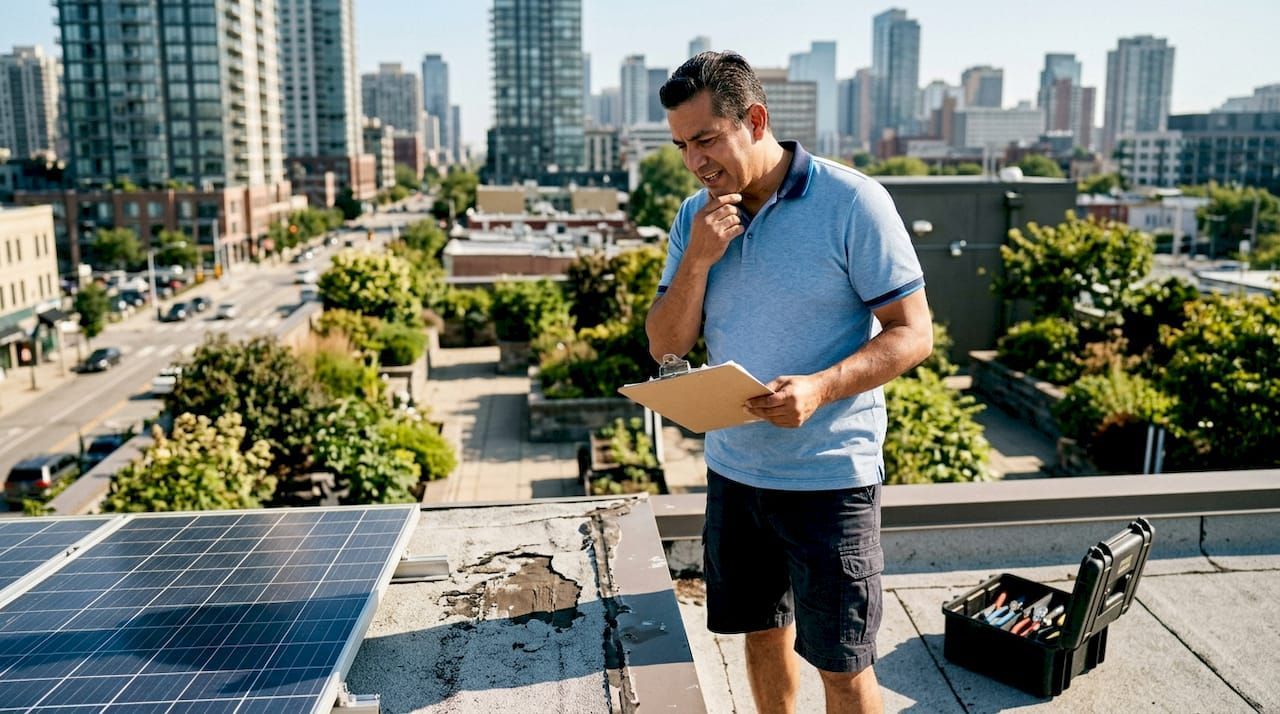
Commercial roof repair is the structured process of diagnosing damage, planning a scope of work, and executing targeted fixes to preserve roof integrity and extend service life. Understanding how commercial roof repair works gives property managers and business owners the clarity to budget accurately, choose qualified contractors, and avoid the costly mistakes that come from deferred maintenance. The process spans eight distinct stages, from initial damage identification through post-repair moisture verification, and each stage directly affects both the quality of the outcome and your long-term capital allocation.
What are the key steps in the commercial roof repair process?
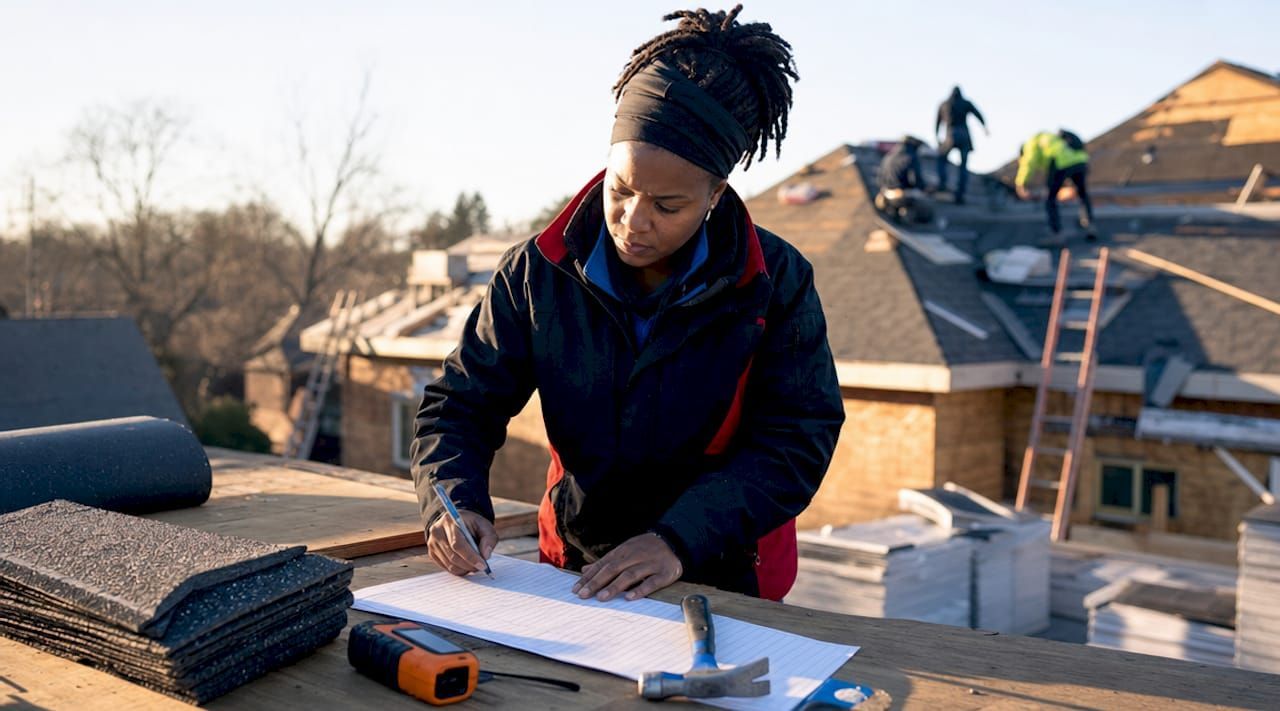
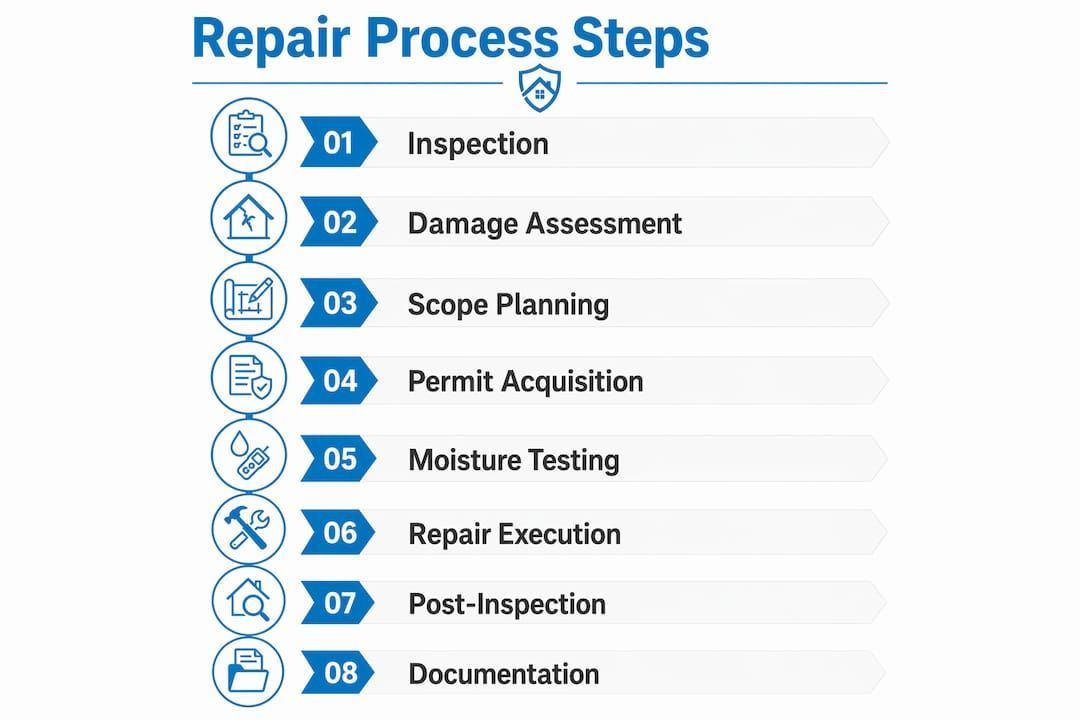
A standard commercial repair follows a defined workflow: damage identification, moisture survey, contractor qualification, written scope of work, permit determination, repair execution, post-repair inspection, and moisture verification. Skipping any stage creates gaps that show up as repeat leaks, voided warranties, or code violations. Think of it like a car service. You would not skip the diagnostic scan and go straight to replacing parts.
Here is how each stage works in practice:
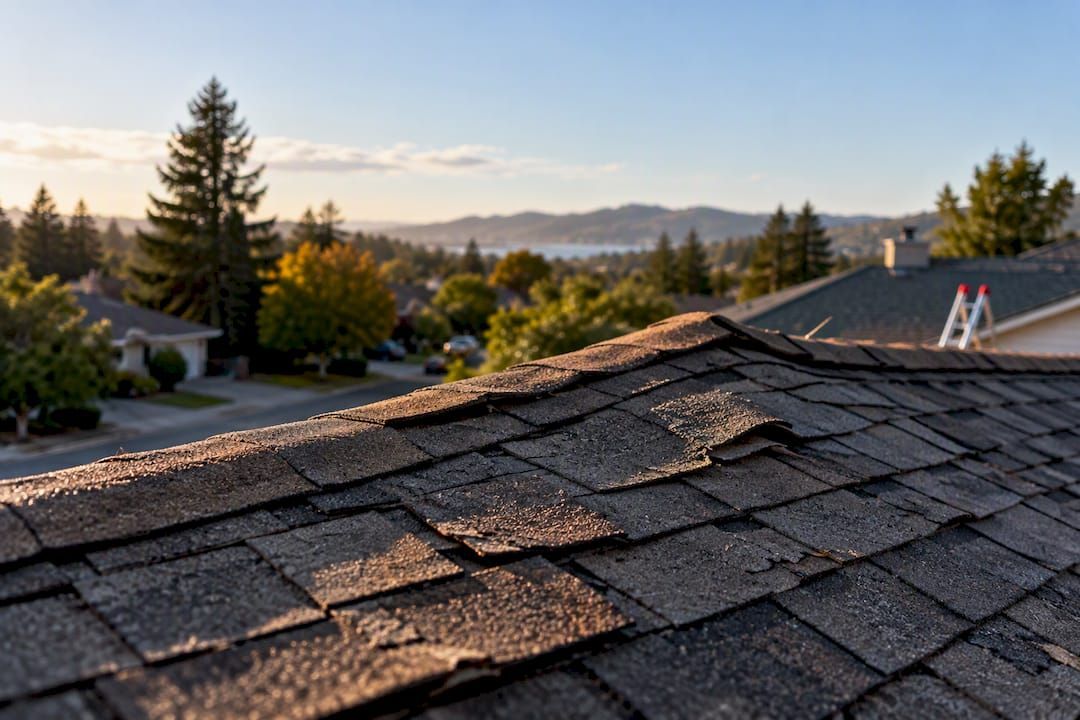
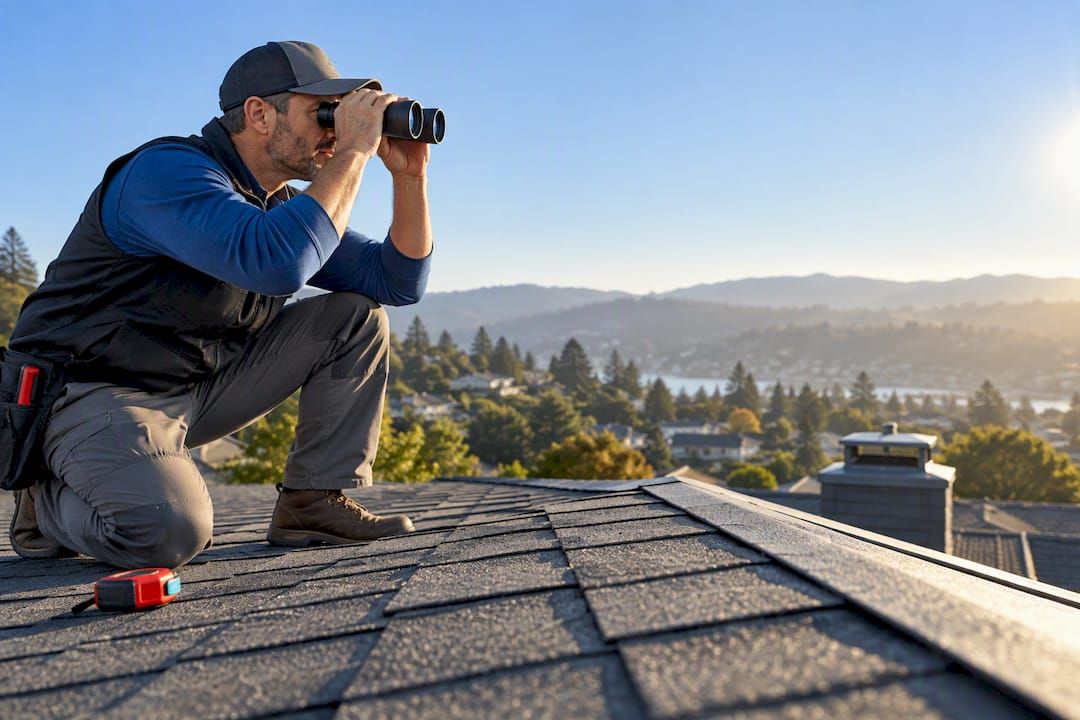
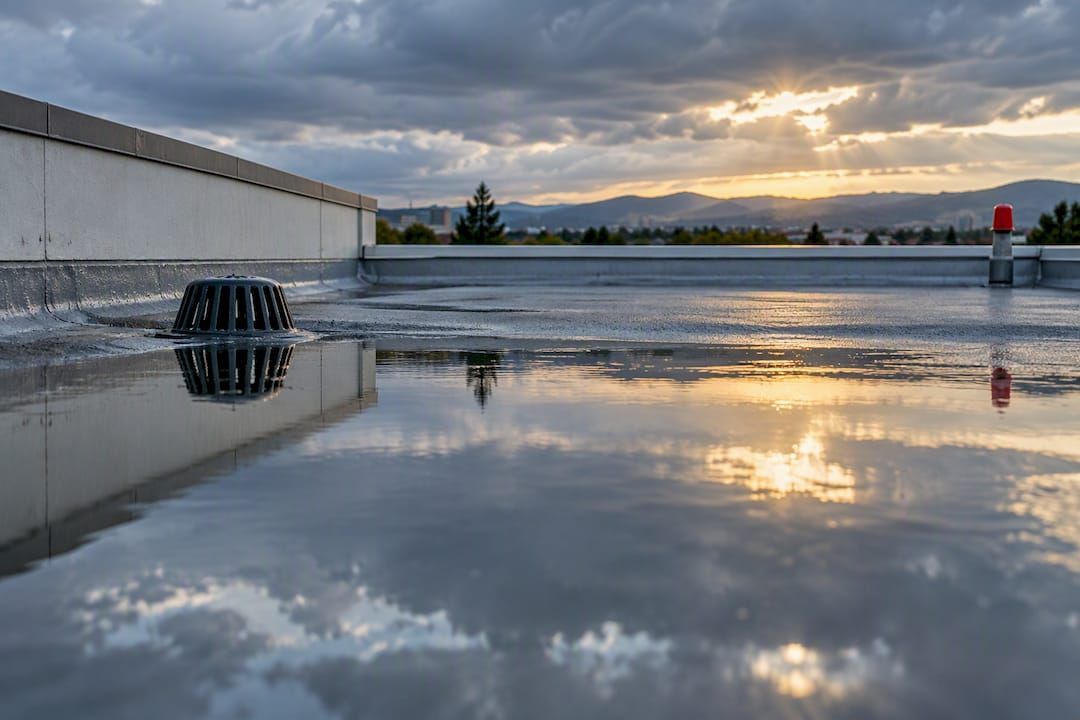
- Damage identification and documentation. A qualified inspector photographs and maps every visible defect, including blistering membrane, open seams, ponding water zones, and deteriorated caulking. Written documentation protects you during contractor negotiations and insurance claims.
- Moisture survey. Infrared thermography and nuclear moisture scanning per ASTM C1153 identify hidden water trapped in the insulation layers. This step prevents contractors from patching over saturated substrate, which would cause the repair to fail within months.
- Contractor qualification check. Verify that your contractor holds a current state license, carries general liability and workers' compensation insurance, and is certified by the membrane manufacturer. Manufacturer certification matters because it unlocks the warranty coverage you are paying for.
- Written scope of work. The scope must specify membrane type, flashing details, fastener patterns, and termination methods. Vague scopes lead to disputes and substandard work.
- Permit determination. Check with your local building department before any work begins. Many jurisdictions require permits for repairs above a certain square footage threshold, and pulling permits after the fact is expensive.
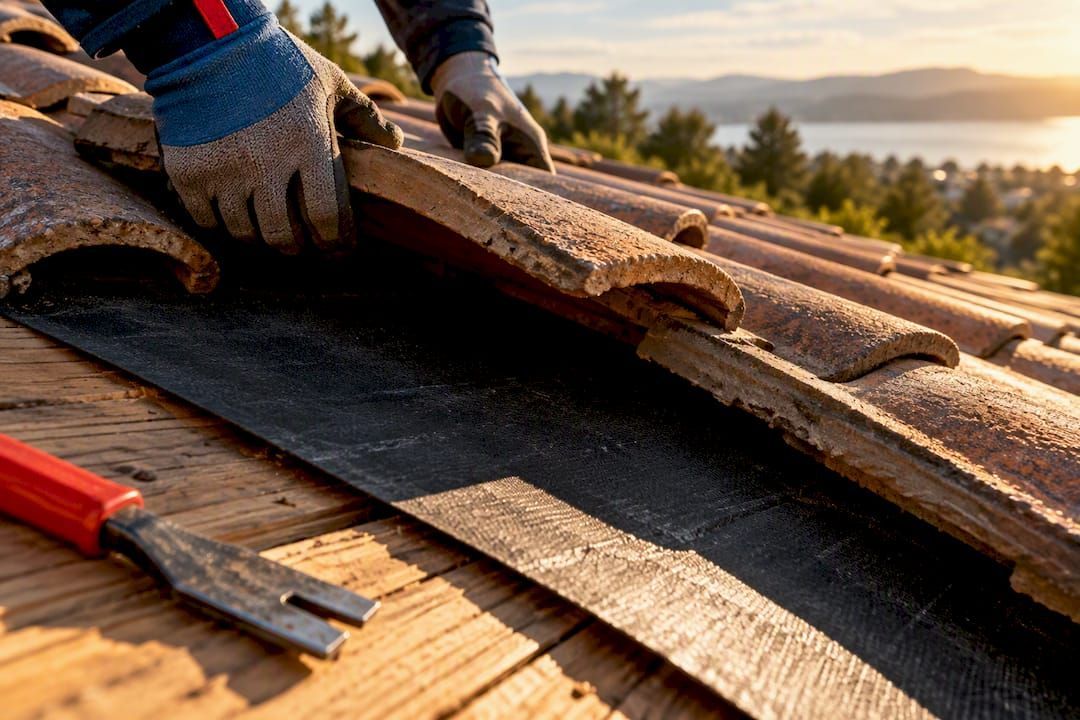
- Repair execution. Work must follow both manufacturer installation guidelines and local building code. Any deviation can void the warranty and create liability exposure for your property.
- Post-repair inspection. A third-party or manufacturer representative inspection confirms the work meets specification. Do not skip this step on repairs over $5,000.
- Moisture verification. A follow-up scan confirms no new moisture was introduced during the repair and that previously wet areas have been addressed.
Pro Tip: Request a pre-repair and post-repair infrared scan report from your contractor. This creates a documented baseline and proof of performance that protects you if the repair fails within the warranty period.
How do common commercial roof systems affect repair methods and costs?
Different roofing systems require different repair techniques, and the system type is one of the biggest drivers of both labor complexity and material cost. Repair pricing ranges from $3 to $14 per square foot depending on the system and damage extent, with emergency repairs adding a 25% to 50% premium on top of standard rates. That range is wide because repairing a single-ply TPO membrane is a fundamentally different task than repairing a built-up roof (BUR) with multiple felted plies.
| Roof system | Typical lifespan | Common failure modes | Primary repair method |
|---|---|---|---|
| TPO | 15–25 years | Seam separation, punctures, shrinkage | Heat-welded patches, seam re-welding |
| EPDM | 20–30 years | Shrinkage, adhesive bond failure, punctures | Lap sealant, EPDM patch with contact cement |
| Modified bitumen (mod-bit) | 15–20 years | Blistering, granule loss, lap failures | Torch-applied or cold-process patches |
| BUR | 20–30 years | Alligatoring, blister cracking, flashing failure | Flood coat, gravel embedment, flashing replacement |
| PVC | 15–25 years | Plasticizer migration, seam failure | Hot-air welded patches |
| Metal | 30–50 years | Fastener back-out, panel corrosion, sealant failure | Fastener replacement, sealant, panel overlay |
Metal roofs carry the longest lifespan but require specialized sealants and panel knowledge that not every contractor has. BUR systems are labor-intensive to repair because each ply must be addressed in sequence. TPO and PVC repairs are faster when done correctly, but improper heat-welding creates seams that fail within one to two seasons.
Pro Tip: Always confirm your contractor has system-specific experience. A contractor skilled in EPDM may not have the heat-welding equipment or training required for TPO or PVC repairs. Ask for references on the same system type as your roof.
What are the regulatory and permit considerations in commercial roof repairs?
Permits and code compliance are not optional details. They are legal requirements that affect your insurance coverage, your ability to sell the property, and your liability if a roof failure causes injury or water damage to tenants. The regulatory picture varies by jurisdiction, but several principles apply broadly across the United States.
Key regulatory factors to understand before starting any commercial repair:
- The 25% rule. Codes like Florida Building Code Section 706 require that if repairs exceed 25% of the total roof area within a 12-month period, the entire roof must be brought into compliance with current code. This can trigger mandatory insulation upgrades, drainage improvements, and wind uplift enhancements that significantly increase project cost.
- Local amendments. California, Texas, and Florida all maintain state-level amendments to the International Building Code (IBC). Northern California jurisdictions, including Sacramento County, layer Title 24 energy compliance requirements on top of federal standards.
- Permit application requirements. Most jurisdictions require a permit application that includes a site plan, material specifications, and contractor license information. Processing times range from a few days to several weeks depending on the municipality.
- Inspection checkpoints. Permitted repairs typically require at least one mid-project inspection and a final sign-off. Failing to schedule these inspections can result in a stop-work order or a requirement to expose completed work for inspection.
- Consequences of non-compliance. Unpermitted repairs can void your property insurance, complicate refinancing, and create disclosure obligations during a sale. Some insurers will deny water damage claims if the repair that failed was done without a permit.
The safest approach is to treat permit research as part of the pre-repair scope, not an afterthought. A qualified contractor will handle this for you, but you should verify it is happening.
How can moisture detection and monitoring improve repair outcomes?
Water is the primary enemy of any commercial roof, and most of the damage it causes is invisible until it becomes catastrophic. Hidden moisture trapped in roof insulation degrades performance silently, promoting mold growth, reducing R-value, and weakening the structural deck over time. Modern diagnostic tools change that equation entirely.
The two most widely used moisture detection methods in commercial roofing are:
- Infrared thermography. Thermal cameras detect temperature differentials caused by wet insulation retaining heat after sunset. This method is non-destructive and can survey large roof areas quickly, but it requires specific weather conditions and cannot quantify moisture content.
- Nuclear moisture scanning (ASTM C1153). This method uses a neutron gauge to measure hydrogen atom density in the roof assembly, which directly correlates to moisture content. Nuclear scans can quantify moisture to within 0.1% and identify depth to 0.1 inch, revealing hotspots that thermography misses. Wet insulation can reduce R-value by up to 30%, which means your HVAC system is working harder and costing you more every month the problem goes undetected.
- Electronic Leak Detection (ELD). ELD testing uses low-voltage electrical current across the membrane surface to pinpoint breaches in real time. It is particularly effective during or immediately after installation to confirm membrane integrity before the roof assembly is closed in.
- Continuous moisture monitoring sensors. Embedded sensors track moisture levels in real time and send alerts when thresholds are exceeded. This technology is especially valuable for roofs over occupied spaces like hospitals, data centers, or retail facilities where a leak causes immediate operational disruption.
Using moisture data to define your repair scope prevents over-repair and under-repair equally. A contractor who skips the moisture survey may patch visible damage while leaving saturated insulation in place, guaranteeing a callback within a year.
When should you choose repair, restoration, or full replacement?
The decision between repair, restoration, and replacement is fundamentally a capital allocation question, not just a technical one. Industry practice uses the 50% repair cost threshold as a primary decision rule: if the cost of repairs exceeds 50% of a full replacement, replacement is the better investment. A secondary rule applies to roof age. Once a roof has consumed 75% to 80% of its expected service life, extensive repairs rarely deliver acceptable ROI.
Here is a practical framework for working through the decision:
- Get a full moisture survey first. You cannot make a sound repair-versus-replace decision without knowing how much of the insulation is saturated. A roof that looks repairable from the surface may have 40% wet insulation underneath.
- Calculate the repair-to-replacement cost ratio. If repair quotes come in above 40% to 50% of replacement cost, request a full replacement bid before committing.
- Consider roof coatings and restoration systems. For roofs that are aging but structurally sound with dry insulation, a fluid-applied coating can add 10 to 15 years of service life at roughly 25% to 40% of replacement cost. GAF and similar manufacturers offer restoration systems with warranty coverage.
- Factor in deferred maintenance risk. Spot repairs on a roof with widespread membrane degradation are a short-term fix. Each repair buys time, but the underlying system continues to age. Budget for a replacement within three to five years if you are in this position.
- Evaluate your lease and ownership horizon. If you plan to sell the property within two years, a restoration may be the most cost-effective option. If you are a long-term owner, replacement with a 20-year warranted system protects your asset more effectively.
The goal is not to find the cheapest option today. It is to minimize total cost of ownership over the next decade.
Key takeaways
Effective commercial roof repair requires a structured eight-stage process, system-specific techniques, permit compliance, and moisture verification to deliver lasting results and protect your investment.
| Point | Details |
|---|---|
| Follow the eight-stage process | Skipping steps like moisture surveys or post-repair inspections leads to repeat failures and voided warranties. |
| System type drives repair method | TPO, EPDM, BUR, and metal each require different materials and skills; confirm contractor experience matches your system. |
| Permits protect your property | Unpermitted repairs can void insurance and complicate property sales; treat permit research as part of the scope. |
| Moisture data defines repair scope | Nuclear scans and infrared surveys prevent over-repair and under-repair by revealing hidden water intrusion. |
| Use the 50% rule for decisions | If repair cost exceeds 50% of replacement cost, a full replacement typically delivers better long-term ROI. |
What I've learned from years of watching roofs fail before they should
Here is the uncomfortable truth about commercial roof repairs: most of the expensive failures I have seen were preventable. Not because the roofing materials were bad, but because the leaks were ignored until they became structural problems. Flashing failures cause approximately 90% of commercial roof leaks, yet flashing is almost always the last thing a property manager thinks about. The membrane field looks fine, so the assumption is that the roof is fine. It usually is not.
The other pattern I see repeatedly is property managers hiring the lowest bidder without verifying manufacturer certification. A contractor who is not certified by GAF or the membrane manufacturer cannot issue a warranted repair. That means you paid for a repair with no performance guarantee. When it fails in 18 months, you pay again.
My honest advice is to treat your commercial roof maintenance budget the same way you treat your HVAC maintenance budget. Consistent, documented inspections twice a year cost a fraction of emergency repairs. Modern diagnostic tools like nuclear moisture scanning and ELD testing take the guesswork out of repair scoping and give you data to defend your capital requests to ownership or your board. Proactive management is not just good practice. It is the only approach that consistently controls costs over a 20-year ownership horizon.
— Cesar
How Shieldguardroofing supports your commercial roof repair needs
Shieldguardroofing is a family-owned roofing company with over 75 combined years of experience serving property managers and business owners across Northern California. The team handles the full commercial roof repair process, from initial inspection and moisture surveys through permitted repair execution and post-repair verification, using premium materials from GAF and industry-leading warranty programs.
Whether you are managing a small retail strip or a large commercial facility in Sacramento, Shieldguardroofing delivers honest assessments and quality workmanship backed by manufacturer warranties. If you are unsure whether your roof needs a repair, restoration, or full replacement, start with a professional inspection. Explore Sacramento commercial roof repairs or visit the commercial roofing services page to request a consultation today.
FAQ
How long does a commercial roof repair typically take?
Most commercial roof repairs take one to three days for localized damage. Larger repairs involving significant membrane replacement or flashing work across multiple roof sections can take one to two weeks depending on weather and permit timelines.
What causes most commercial roof leaks?
Flashing failures cause roughly 90% of commercial roof leaks, particularly at transitions, penetrations, and parapet walls. Membrane field damage from foot traffic or punctures accounts for most of the remaining cases.
How much does commercial roof repair cost per square foot?
Commercial repair costs range from $3 to $14 per square foot depending on the roofing system, damage extent, and access conditions. Emergency repairs carry an additional 25% to 50% premium over standard rates.
Do commercial roof repairs require a permit?
Permit requirements vary by jurisdiction, but most municipalities require permits for repairs above a defined square footage threshold. In some states, repairing more than 25% of the roof area within 12 months triggers mandatory full code compliance upgrades.
How do I know if my commercial roof needs repair or full replacement?
If repair costs exceed 50% of full replacement cost, or if the roof has used more than 75% to 80% of its expected service life, replacement typically delivers better long-term value. A professional moisture survey is the most reliable starting point for this decision.
Recommended