Commercial Roofing Materials Comparison: 2026 Guide
Commercial Roofing Materials Comparison: 2026 Guide
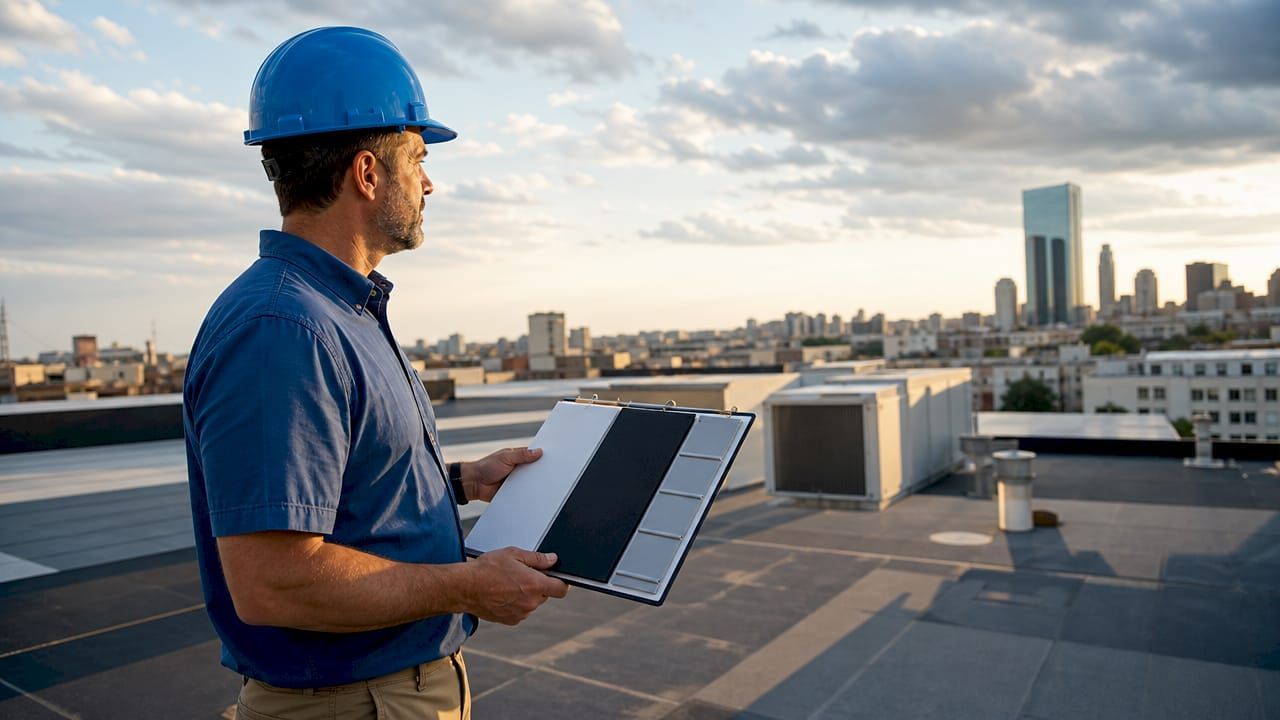
A commercial roofing materials comparison evaluates options like TPO, EPDM, modified bitumen, PVC, and metal roofing based on durability, cost, and energy efficiency. The right choice protects your building for decades and directly affects your operating costs, maintenance schedule, and resale value. Business owners, property managers, and contractors who skip this evaluation often pay for it later with premature failures and expensive repairs. This guide breaks down the top roofing material types for businesses so you can make a confident, informed decision.
1. Thermoplastic polyolefin (TPO): the energy-efficient workhorse
TPO is a single-ply membrane roofing system widely used on flat and low-slope commercial buildings. Its white reflective surface deflects UV rays, which reduces cooling loads in warm climates. TPO systems typically last 15 to 25 years, with 60-mil thickness or heavier delivering the best longevity. That lifespan makes it one of the best commercial roofing materials for owners who want performance without overpaying upfront.
TPO seams are heat-welded, which creates a bond stronger than the membrane itself when installed correctly. The most common failure mode is poor seam installation by undertrained crews, so contractor quality matters as much as material quality. Installed costs run $4 to $9.50 per square foot, making it competitively priced among single-ply options.
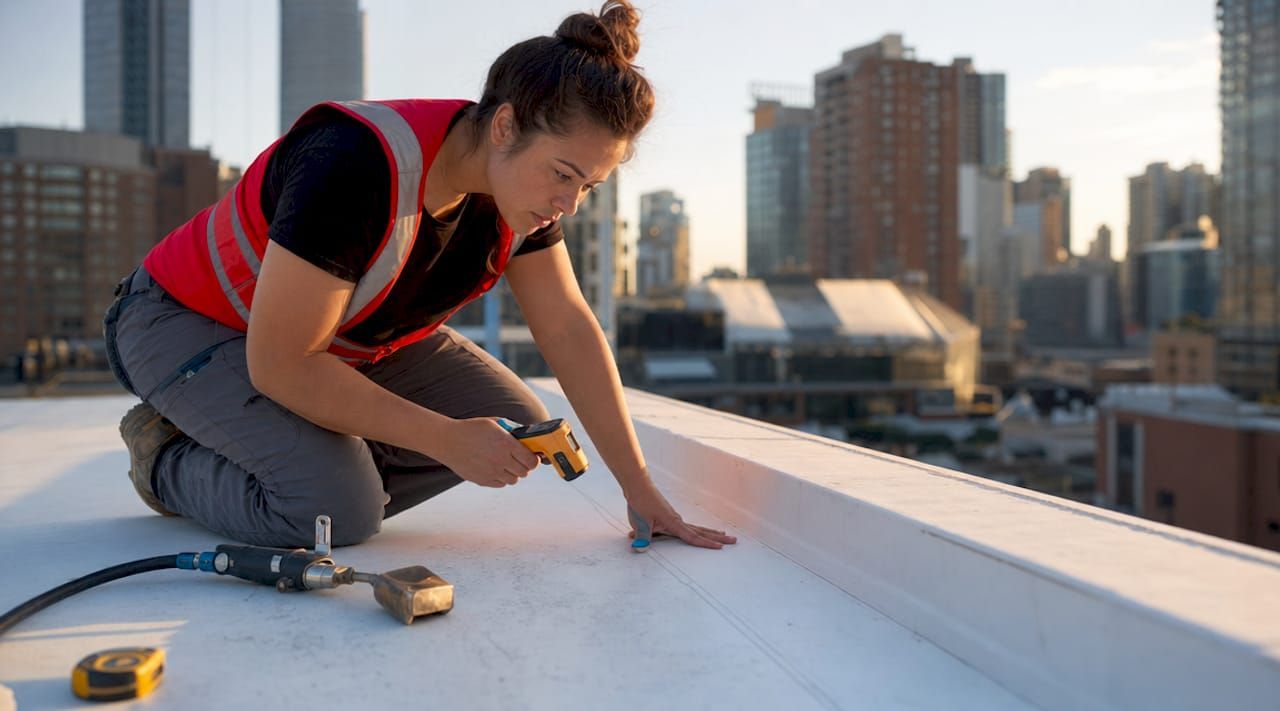
Pro Tip: Specify 60-mil TPO in your contract. Many installers default to 45-mil, which is thinner and more prone to puncture and seam stress over time.
2. EPDM: the cold-climate specialist
EPDM (ethylene propylene diene monomer) is a synthetic rubber membrane that has been a commercial roofing standard for over 50 years. It lasts 20 to 30 years, handles UV exposure well, and stays flexible in freezing temperatures. That flexibility is what makes it ideal for Northern California's variable weather patterns and colder inland regions.
The trade-off is color. EPDM's traditional black surface absorbs heat, which raises cooling costs in hot climates. White EPDM membranes exist but cost more. Adhesive seams are the system's weak point. They require careful inspection because adhesive can degrade over time, especially where ponding water sits. Installed costs range from $3 to $8 per square foot, making it one of the most cost-effective roofing materials on the market.
3. Modified bitumen: the proven, repairable option
Modified bitumen is an asphalt-based system reinforced with polyester or fiberglass and modified with polymers for added flexibility. It has been used on commercial buildings since the 1970s and remains popular because it is easy to repair. A contractor can patch a damaged section without replacing the entire roof, which keeps long-term maintenance costs manageable.
Typical lifespans run 15 to 20 years, shorter than TPO or EPDM. Installation methods include torch-applied, cold-applied, and self-adhered, each with different fire risk and labor requirements. Torch-applied systems require certified installers to reduce fire hazards during application. Installed costs range from $4 to $10 per square foot depending on the number of plies and installation method.
4. PVC roofing: the chemical-resistant choice
PVC (polyvinyl chloride) is a single-ply thermoplastic membrane best suited for buildings exposed to grease, chemicals, or restaurant exhaust. Its resistance to oils and fats makes it the go-to material for food processing facilities, commercial kitchens, and industrial buildings. Like TPO, PVC seams are heat-welded, creating a watertight bond that holds up under stress.
PVC is also highly reflective, so reflective materials like TPO, PVC, and metal all reduce heat absorption and cooling costs in warm climates. The downside is price. PVC installed costs range from $7 to $50 per square foot, the widest range of any membrane system, driven by thickness, reinforcement, and regional labor rates. It is not the right pick for every budget, but for buildings with chemical exposure, it is the most durable roofing option available.
5. Metal roofing: the long-term investment
Metal roofing is the longest-lasting commercial option available. Metal roofs last 30 to 60 years, outperforming every membrane system by a wide margin. That longevity justifies the higher upfront cost, especially for building owners with a long ownership horizon. Installed costs run $7 to $16 per square foot, but the lifecycle value is unmatched.
Metal reflects solar radiation effectively, which reduces cooling costs in warm climates. Standing seam metal systems eliminate exposed fasteners, reducing leak points and maintenance frequency. The primary maintenance tasks are fastener checks on exposed-fastener systems and periodic coating inspections to prevent rust. For businesses planning to hold a property for 20 or more years, metal delivers the lowest total cost of ownership of any roofing material type.
6. Built-up roofing (BUR): the traditional multi-layer system
Built-up roofing is one of the oldest commercial roofing systems still in active use. It consists of alternating layers of bitumen and reinforcing fabric, topped with a gravel or mineral surface. Multiple plies create redundancy. If one layer fails, the others continue protecting the building.
BUR systems typically last 15 to 30 years depending on the number of plies and maintenance quality. They handle foot traffic better than most single-ply membranes, which makes them a practical choice for roofs with frequent HVAC or equipment access. Installed costs range from $5 to $12 per square foot. The weight of a BUR system is significant, so structural load capacity must be confirmed before installation.
7. How costs and lifespans compare across commercial roofing options
The commercial roofing options comparison below shows installed cost ranges and typical lifespans side by side. Use this as a starting framework, not a final budget. Regional labor costs, roof complexity, and material thickness all shift the final number.
| Material | Installed cost (per sq. ft.) | Typical lifespan |
|---|---|---|
| EPDM | $3–$8 | 20–30 years |
| TPO | $4–$9.50 | 15–25 years |
| Modified Bitumen | $4–$10 | 15–20 years |
| Built-Up Roofing | $5–$12 | 15–30 years |
| Metal | $7–$16 | 30–60 years |
| PVC | $7–$50 | 20–30 years |
TPO and EPDM are the most cost-effective options for budget-conscious buyers, while metal delivers the best lifecycle value over time. That means a $12-per-square-foot metal roof installed today may cost less over 40 years than three cycles of $5-per-square-foot EPDM. Run the numbers against your ownership timeline before defaulting to the lowest upfront price.
8. Which materials perform best by climate and building type
Climate is one of the most decisive factors in a commercial roofing materials comparison. Choosing the wrong material for your region accelerates wear and increases energy costs.
- Hot climates (Central Valley, Sacramento summers): TPO, PVC, and metal are the strongest performers. Their reflective surfaces reduce heat absorption and cut cooling costs significantly.
- Cold or variable climates: EPDM's rubber flexibility prevents cracking during freeze-thaw cycles, making it the most reliable membrane in colder Northern California regions.
- Chemical or grease exposure: PVC is the clear choice for restaurants, food processing plants, and industrial facilities. No other membrane handles oil and fat exposure as well.
- High foot-traffic roofs: BUR and modified bitumen handle repeated foot traffic better than single-ply membranes, which can puncture under concentrated loads.
- Long-term ownership (20+ years): Metal roofing delivers the best return. The higher upfront cost is offset by a lifespan that outlasts every membrane option.
- Tight budgets with short ownership horizons: EPDM or modified bitumen offer solid protection at the lowest installed cost, with manageable repair requirements.
No single roofing system is universally best. Suitability depends on climate, roof design, maintenance plan, and owner commitment. That statement from experienced contractors is the most honest summary of commercial roofing you will find.
9. Maintenance and inspection differences by material type
Think of your commercial roof like a vehicle. Regular check-ups prevent small problems from becoming expensive failures. Each material type has its own maintenance rhythm, and skipping it shortens the roof's life regardless of how good the material is.
- TPO and PVC: Seam inspections twice a year are the top priority. Heat-welded seams are strong but can separate at termination points near walls, drains, and penetrations. Check flashings and membrane surface for punctures after any rooftop work.
- EPDM: Clean the membrane surface annually to remove debris and standing water residue. Adhesive seams require close inspection because adhesive degrades over time. Any seam lifting should be repaired immediately to prevent water intrusion.
- Metal roofing: Inspect fasteners on exposed-fastener systems annually. Check protective coatings for rust or peeling every two to three years. Gutters and drainage channels need clearing to prevent water backup at the eaves.
- Modified bitumen and BUR: These systems are prone to blistering and surface erosion. Inspect the mineral surface for bare spots and repair them before water reaches the underlying layers. Drainage is critical. Ponding water accelerates bitumen degradation faster than any other factor.
Pro Tip: Schedule your commercial roof inspection in spring and fall. Spring catches winter damage before summer heat stresses the membrane. Fall prepares the roof for rain and cold.
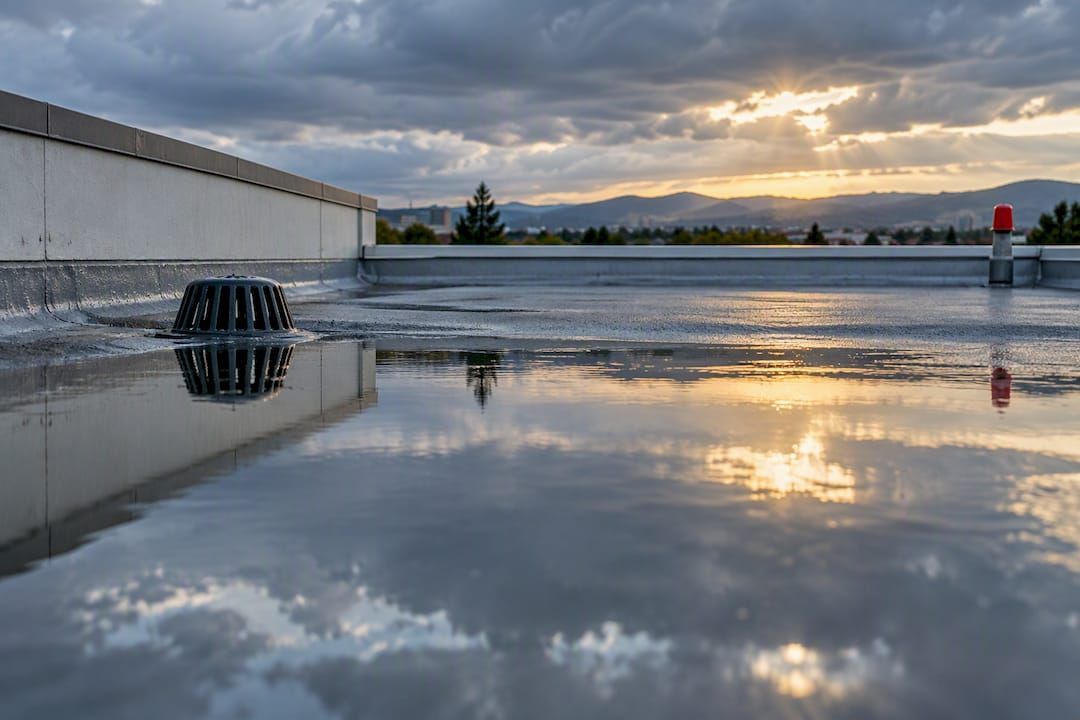
Proper drainage is non-negotiable across every material type. Ponding water sitting for more than 48 hours after rain indicates a drainage problem that needs correction, not just monitoring. Addressing it early prevents structural damage and membrane failure.
Key takeaways
The best commercial roofing material is determined by your building's climate, budget, ownership timeline, and maintenance commitment, not by a single universal ranking.
| Point | Details |
|---|---|
| Lifespan drives total cost | Metal lasts 30 to 60 years; factor lifespan into cost comparisons, not just installed price. |
| Climate shapes material choice | TPO and PVC suit hot climates; EPDM performs best in cold or variable weather. |
| Seam quality is the top failure point | TPO, PVC, and EPDM all fail most often at seams. Contractor skill is as important as material grade. |
| Maintenance frequency varies | TPO and PVC need twice-yearly seam checks; metal needs fastener and coating inspections every few years. |
| No universal best material | Experienced contractors evaluate each building individually based on use, climate, and owner goals. |
What I've learned after years of commercial roofing decisions
Every year, I talk to property managers who chose a roofing material based on the lowest bid and regret it within five years. The conversation usually starts the same way: "The contractor said it would last 20 years." What they did not ask was whether the installation met the manufacturer's specifications, whether the contractor was certified, and whether the warranty required annual inspections to stay valid.
Here is what I have found to be true after working on commercial roofs across Northern California: the material matters less than most people think. A poorly installed TPO roof will fail faster than a well-maintained modified bitumen system that is 15 years old. Roof success depends on installation quality and the owner's long-term maintenance commitment, not just material choice.
The other mistake I see constantly is choosing a material based on a neighbor's building or an industry trend without accounting for the specific roof. A restaurant with heavy kitchen exhaust needs PVC, not TPO. A warehouse in Sacramento's Central Valley heat needs a reflective membrane, not black EPDM. Context is everything.
My honest recommendation: if you plan to own the building for more than 15 years, price out metal roofing seriously. The upfront cost is real, but so is the math. If budget is tight and the timeline is shorter, TPO or EPDM from a certified installer with a strong warranty is a sound choice. What is never a sound choice is skipping the commercial roof maintenance plan after installation. That is where most roofs die early.
— Cesar
Get expert commercial roofing guidance from Shield Guard Roofing
Choosing the right roofing material is only half the decision. The other half is who installs and maintains it.
Shield Guard Roofing brings over 75 combined years of roofing experience to commercial properties across Northern California. As a family-owned company, Shieldguardroofing works with GAF, GAF Energy, and Brava Roofing products to deliver installations backed by industry-leading warranties. Whether you need a full roof replacement, a targeted repair, or a professional inspection to assess your current system, the team provides honest recommendations without upselling materials you do not need. Explore your commercial roofing options and schedule a consultation with a certified contractor who knows NorCal's climate demands firsthand.
FAQ
What is the most durable commercial roofing material?
Metal roofing is the most durable commercial option, with a lifespan of 30 to 60 years. It outperforms all membrane systems in longevity and requires less frequent replacement over the life of a building.
Which commercial roofing material is most cost-effective?
TPO and EPDM are the most cost-effective materials for upfront budget, with installed costs starting at $3 to $4 per square foot. Metal roofing delivers the best lifecycle value for long-term ownership despite its higher initial price.
How often should a commercial roof be inspected?
Commercial roofs should be inspected twice a year, typically in spring and fall. TPO and PVC systems require seam integrity checks at each inspection, while metal roofs need fastener and coating reviews every few years.
Is TPO or EPDM better for a commercial building?
TPO performs better in hot climates due to its reflective white surface, while EPDM is better suited for cold or variable climates because of its rubber flexibility in freezing temperatures. Climate and building use are the deciding factors.
What commercial roofing material works best for restaurants?
PVC is the recommended material for restaurants and food service facilities because of its resistance to grease, oils, and chemical exposure from kitchen exhaust. No other single-ply membrane handles that environment as reliably.
Recommended