How Residential Roof Inspection Works: A Homeowner's Guide
How Residential Roof Inspection Works: A Homeowner's Guide
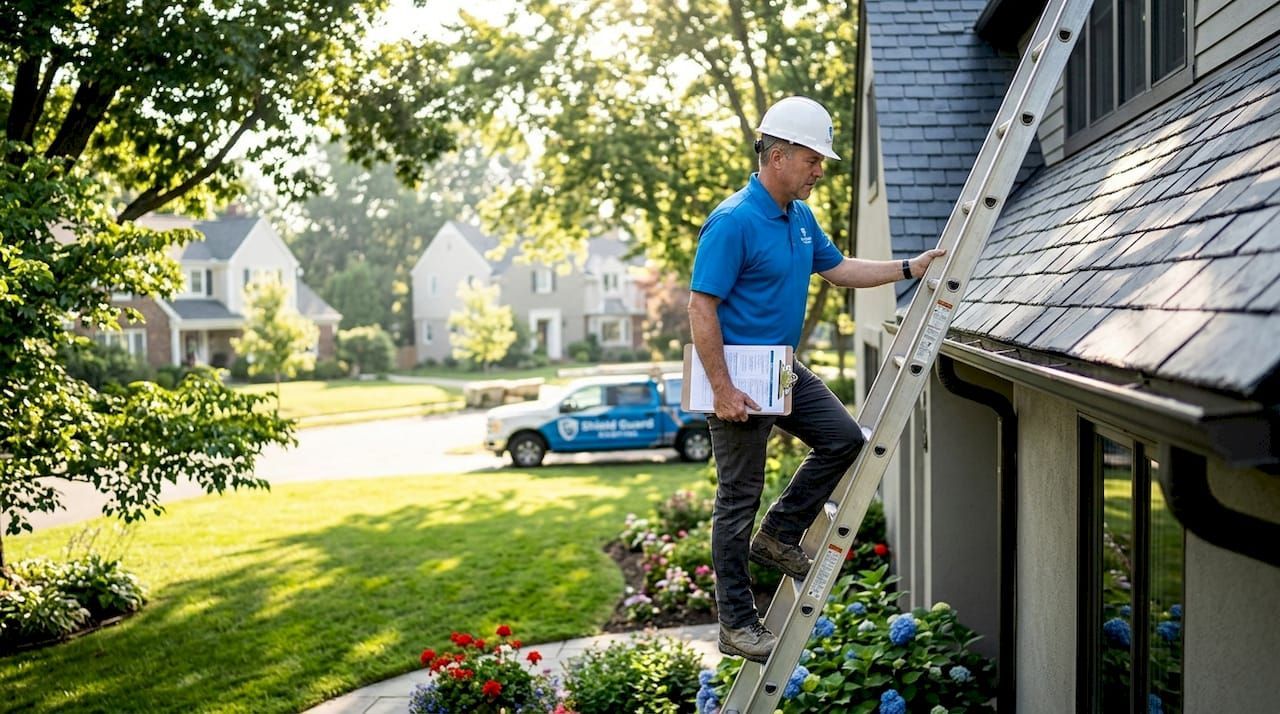
A residential roof inspection is a systematic, professional evaluation of your entire roofing system designed to identify current conditions, hidden damage, and potential vulnerabilities before they become expensive problems. The process covers everything from the shingles on your roof surface to the rafters and insulation inside your attic. Understanding how residential roof inspection works puts you in control of one of your home's most critical systems. Think of it the way you think about oil changes for your car. Skip them long enough, and the engine pays the price.
What does a residential roof inspection check?
A complete inspection evaluates six major areas: roofing materials, flashing, drainage, ventilation, structural elements, and the attic interior. Each zone tells a different part of the story about your roof's health. Missing any one of them leaves a gap in the diagnosis.
Here is what gets examined in each area:
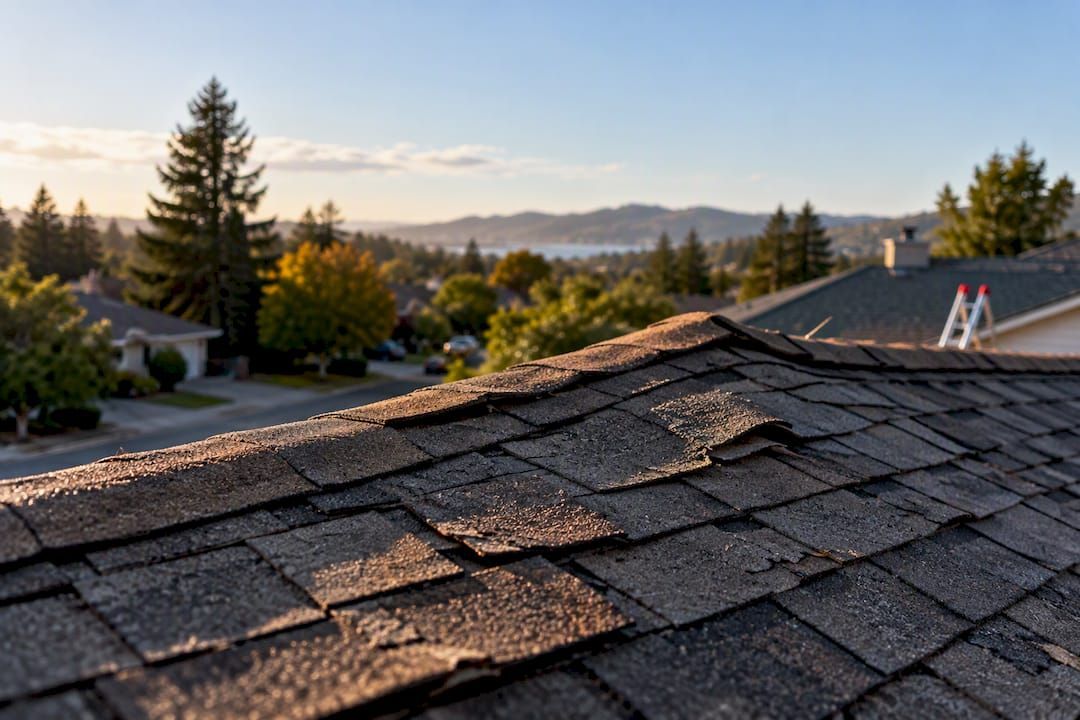
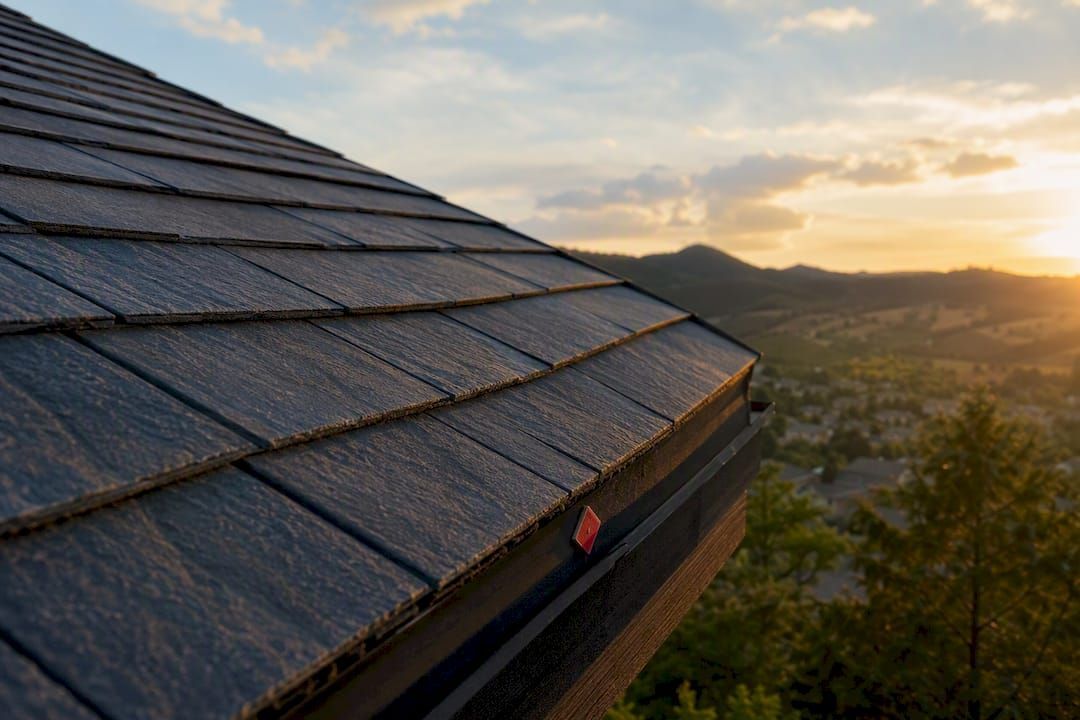
- Roofing materials. Shingles or tiles are checked for cracking, curling, missing sections, and granule loss. Granule loss is easy to miss from the ground but signals that your shingles are aging out of their protective range.
- Flashing. Metal flashing around chimneys, skylights, and roof vents is inspected for lifted edges, rust, or failed sealant. Experienced inspectors prioritize flashing interfaces because they are the most frequent water entry points on any residential roof.
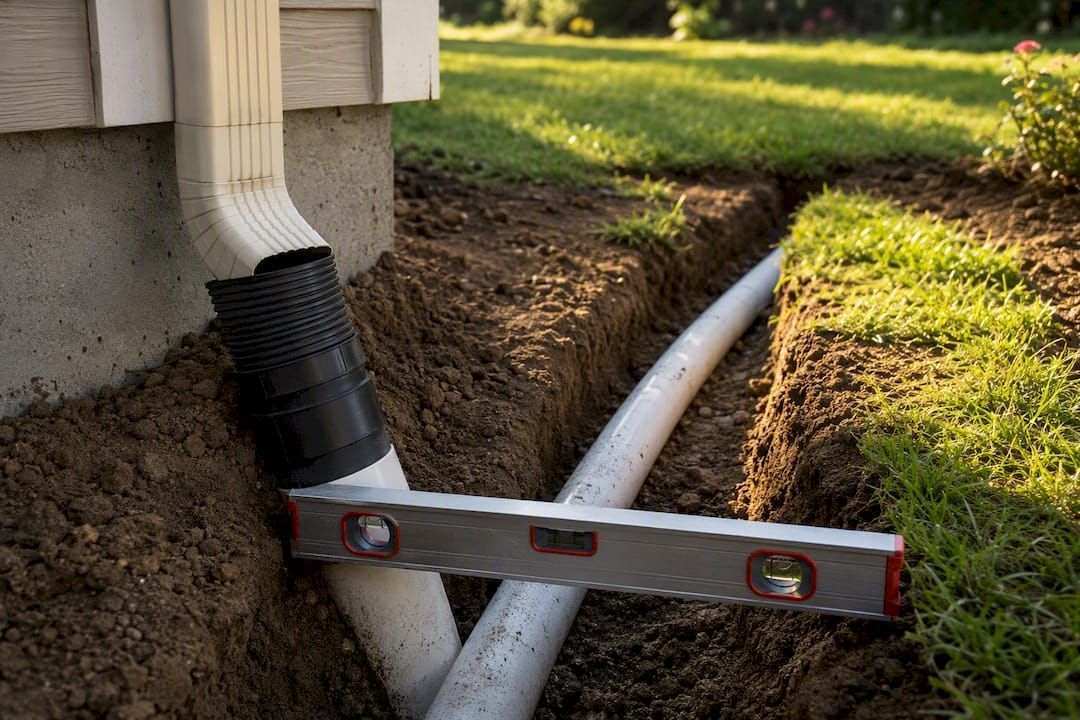
- Drainage system. Gutters, downspouts, and roof pitch are assessed to confirm water moves off the roof efficiently. Clogged or damaged gutters and drainage channels can back water under the roofline and cause rot within months.
- Ventilation. Soffit intake vents, ridge vents, and gable exhaust vents are checked for blockages and airflow balance. Poor ventilation is one of the most underdiagnosed causes of premature roof failure.
- Structural elements. The roof deck, rafters, and fascia boards are examined for sagging, soft spots, or rot. A sagging roofline is never cosmetic. It signals a structural load problem.
- Attic interior. The inspector enters the attic to look for daylight penetration, moisture stains, mold growth, and insulation condition. This step catches what the exterior simply cannot show.
Pro Tip: Before your inspector arrives, clear any stored items away from the attic hatch and make sure the space is accessible. An inspector who cannot enter the attic cannot complete the evaluation.
How does a professional roof inspection proceed step by step?
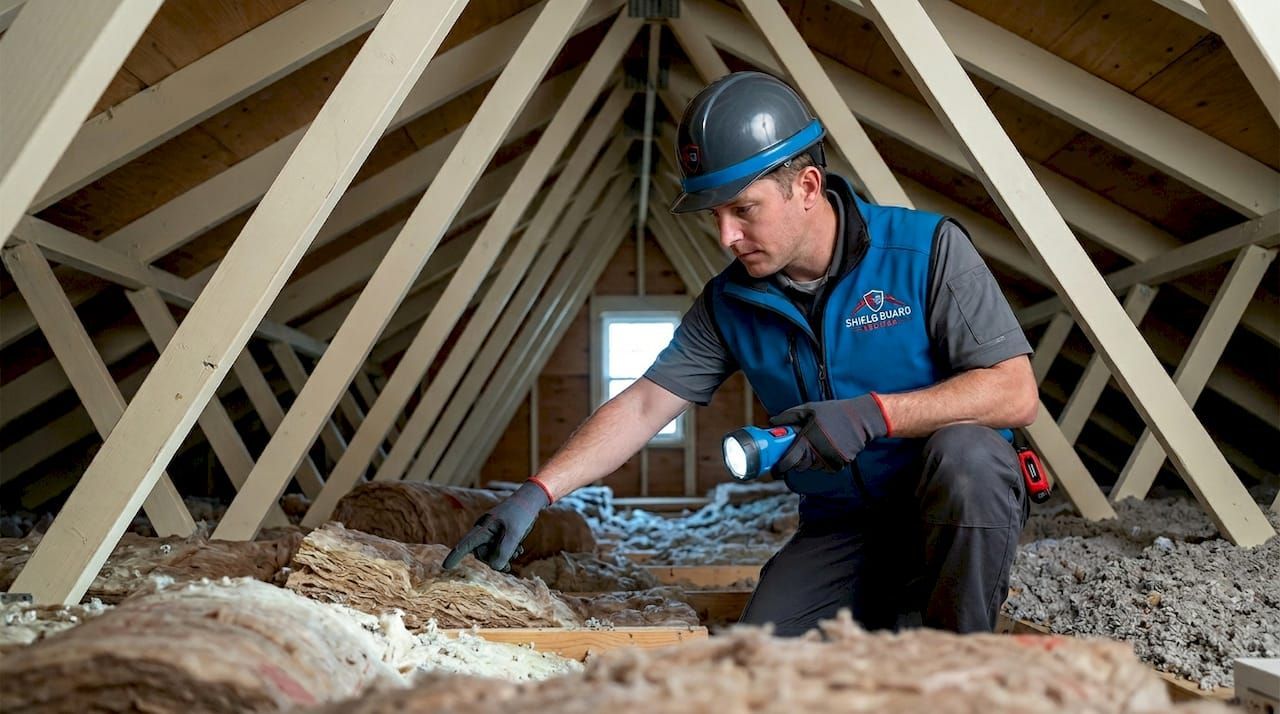
A professional roof inspection starts with an exterior check and then moves to the attic interior. The full process typically takes 45 to 90 minutes, depending on roof size and complexity. That timeline matters because a rushed inspection almost always misses something.
Here is the standard sequence:
- Ground-level exterior view. The inspector walks the perimeter of the home, using binoculars to spot obvious damage, sagging sections, or missing materials before climbing. This initial pass shapes where to focus attention on the roof surface.
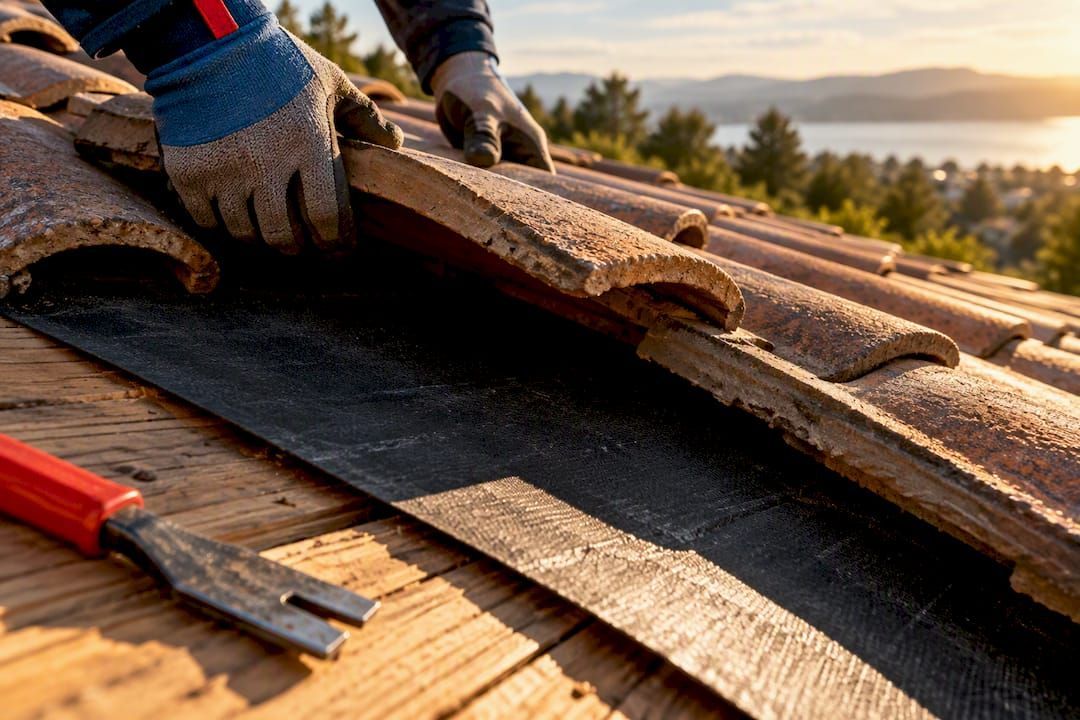
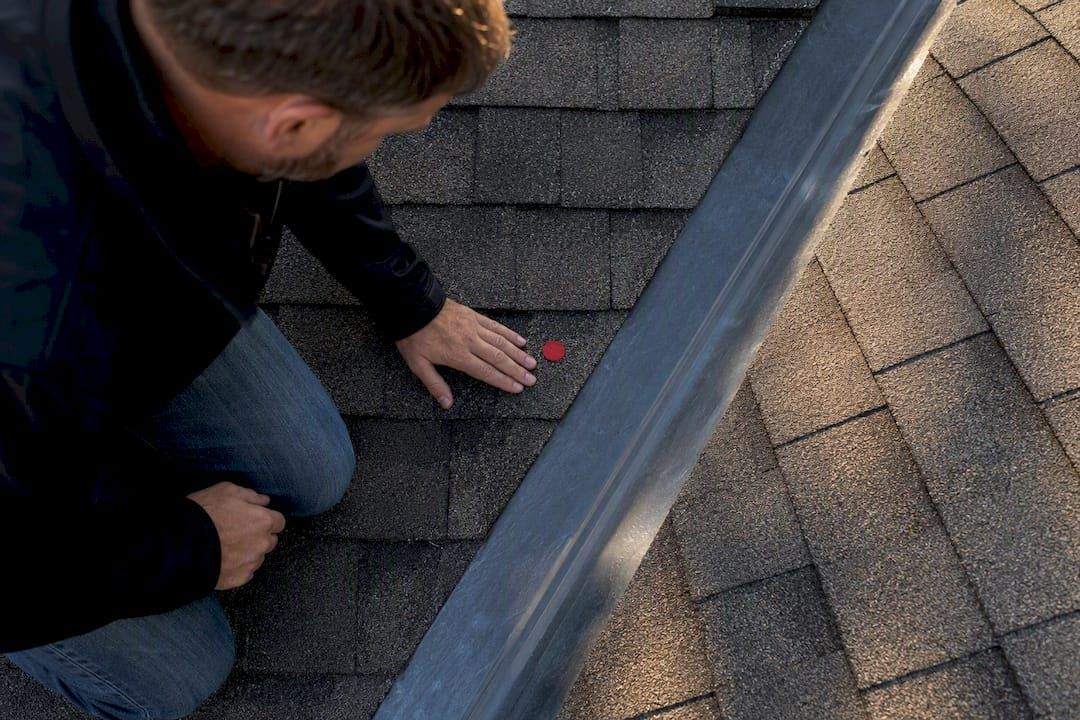
- Roof surface examination. The inspector climbs to the roof and systematically walks each section, checking shingles, flashing, penetrations, and ridge lines. Moisture meters may be used to detect wet areas beneath the surface that look dry to the eye.
- Drainage and perimeter check. Gutters, downspouts, and fascia are inspected up close for damage, debris buildup, and proper slope. Water that pools instead of draining is a red flag for underlying deck damage.
- Attic interior inspection. The inspector enters the attic with lights off first, scanning for any pinpoints of daylight that indicate holes or gaps. Lights are then turned on to examine moisture stains, mold, insulation depth, and the condition of the wood framing.
- Photo documentation. Every finding is photographed and noted. A detailed inspection report includes component findings, severity ratings, and prioritized repair recommendations so you know exactly what needs attention now versus what can wait.
- Final walkthrough with the homeowner. A good inspector walks you through the findings in plain language, not roofing jargon, so you can make informed decisions about repairs or replacements.
Pro Tip: Ask your inspector to show you the photos on-site before they leave. Seeing the damage in real time, while they can point to the exact location, makes the written report far easier to act on.
Why is the attic inspection non-negotiable?
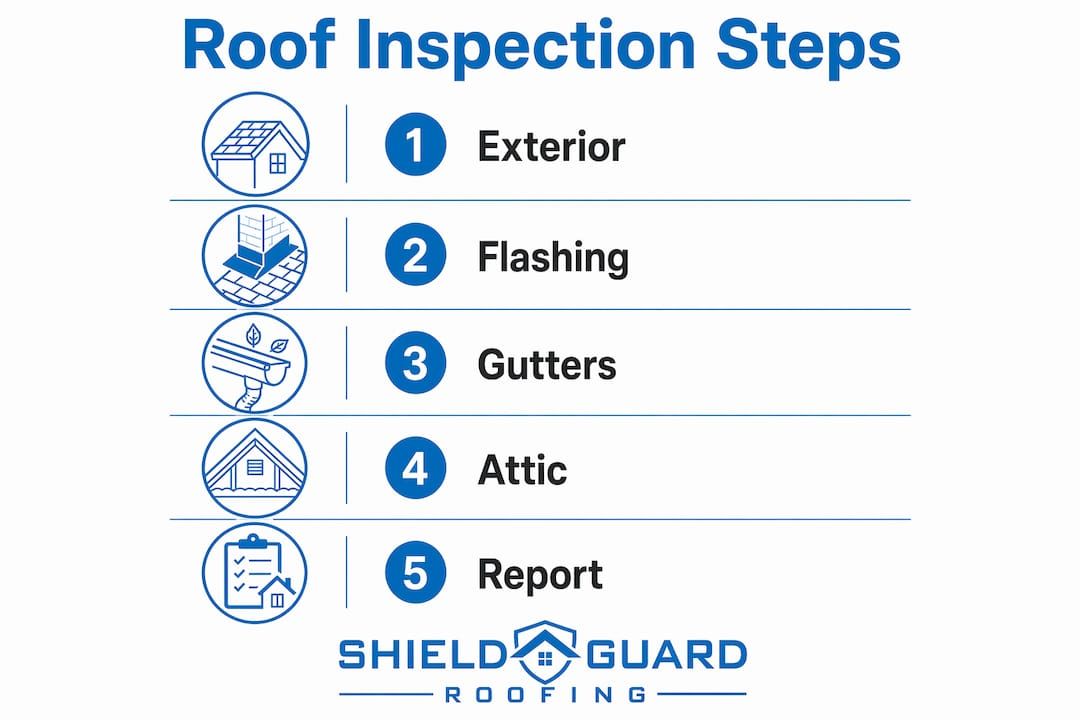
The attic is where your roof tells the truth. Hidden problems that are invisible from the exterior, including slow leaks, ventilation failures, and early structural rot, show up clearly inside the attic long before they cause visible exterior damage.
Consider what the attic reveals that a surface check cannot:
- Water stains on rafters or sheathing that trace the path of a leak back to its source, even when the entry point is feet away from where the stain appears
- Mold colonies growing on wood framing, which signal chronic moisture and inadequate airflow rather than a single leak event
- Daylight penetrating through gaps around penetrations or at the eaves, confirming active openings that will worsen with rain or wind
- Insulation that is wet, compressed, or displaced, which reduces your home's energy efficiency and accelerates moisture damage to the deck above
"Practitioners use attic evidence like daylight penetration and moisture patterns to trace the source of leaks precisely, focusing repair efforts efficiently." — NRCIA Roof Leak Cause Analysis
Ventilation deficiencies are often diagnosed indirectly by checking intake and exhaust vents and correlating airflow balance with attic moisture levels. A roof that looks fine from the outside but has a ventilation imbalance is quietly cooking its own structure from the inside out. This is exactly why a certified roof inspection provides a more thorough evaluation than a general home inspection. General inspectors rarely enter the attic with the same level of scrutiny.
How often should you schedule a residential roof assessment?
Frequency depends on your roof's age, material, and recent weather exposure. The general rule is straightforward: once a year for most roofs, twice a year for roofs older than 15 years. Twice-yearly inspections can add 5 to 10 years to a roof's functional lifespan. That is a significant return on a modest investment.
Beyond the annual schedule, certain circumstances call for an immediate inspection:
- After a major storm or high-wind event. Post-storm checks catch damage that is not visible from ground level, including lifted flashing, cracked tiles, and debris impact points.
- Before buying or selling a home. A pre-purchase inspection gives buyers a clear picture of the roof's condition and remaining life, and gives sellers the chance to address issues before they become negotiating leverage for the buyer.
- When your roof is approaching 15 years old. Most asphalt shingle roofs carry a 20 to 30 year lifespan, but performance begins to decline noticeably around the 15-year mark.
- After any rooftop work. HVAC installations, solar panel mounting, or satellite dish placement all create new penetration points that need to be verified as properly sealed.
DIY visual checks are useful for spotting obvious problems between professional visits, but they cannot replace a professional inspection. Homeowner checks miss granule loss patterns, ventilation imbalances, underlayment condition, and structural issues that require trained eyes and proper tools to detect. Use your own eyes as a supplement, not a substitute.
Key takeaways
A residential roof inspection is only as valuable as the thoroughness of the inspector who conducts it. Skipping the attic evaluation or settling for a ground-level glance leaves the most critical diagnostic information on the table.
| Point | Details |
|---|---|
| Six inspection zones | Every complete inspection covers materials, flashing, drainage, ventilation, structure, and the attic interior. |
| Attic is the priority | Hidden leaks, mold, and structural rot appear in the attic before they show on the exterior surface. |
| Annual frequency minimum | Most roofs need one inspection per year; roofs over 15 years old need two, plus checks after major storms. |
| Documentation matters | A written report with photos and severity ratings lets you prioritize repairs and plan your budget accurately. |
| DIY has real limits | Homeowner visual checks miss granule loss, ventilation issues, and underlayment damage that professionals detect. |
What I've learned after years of watching homeowners skip the attic
I have been involved in residential roofing in Northern California long enough to see a pattern that repeats itself constantly. Homeowners call us after a leak has already damaged their drywall, their insulation, or their framing. When we ask about their last inspection, the answer is almost always the same: they had someone "take a look" at the roof from the ground or from a ladder, and everything looked fine.
The exterior of a roof can look perfectly intact while the attic tells a completely different story. I have seen roofs with no missing shingles and no visible flashing damage that had active mold colonies growing on the rafters because a ridge vent was blocked. That kind of problem does not announce itself from the outside. It only shows up when someone actually goes inside.
My honest advice is this: do not hire a general home inspector to evaluate your roof if you want a real answer. General inspectors are trained to identify a broad range of home systems, but roof inspections require a different level of focus. Look for an inspector who follows a standardized inspection protocol, documents findings with photos, and provides a written report with clear severity ratings. That report is what protects you when you are making decisions about repairs, insurance claims, or a home sale.
Treat a roof inspection the way you treat a medical checkup. You do not wait until something hurts to see a doctor. You go regularly so that small problems get caught before they become serious ones. Your roof deserves the same logic.
— Cesar
Get a thorough roof inspection from Shieldguardroofing
If you are ready to know exactly what condition your roof is in, Shieldguardroofing is here to help. Our certified inspectors follow a systematic evaluation protocol covering all six inspection zones, including a full attic assessment, and deliver a written report with photos and prioritized recommendations. We have served Northern California homeowners for decades, and we bring that experience to every inspection we conduct.

Whether you need a routine annual inspection, a post-storm assessment, or a pre-sale evaluation, our team gives you the clear, honest answers you need to protect your home. Explore our residential roofing services to learn more about what we offer, or contact us directly to schedule your inspection. When it comes to your roof, waiting costs more than acting.
FAQ
How long does a residential roof inspection take?
A professional residential roof inspection typically takes 45 to 90 minutes, depending on the size and complexity of the roof. Larger homes or roofs with multiple penetrations, skylights, or complex pitches take longer to evaluate thoroughly.
What does a roof inspection report include?
A roof inspection report includes findings for each component, photographs of damage or wear, severity ratings, and prioritized repair recommendations. The report is written to guide decisions on maintenance, insurance claims, or property transactions.
Can I inspect my own roof instead of hiring a professional?
DIY visual checks can identify obvious surface damage like missing shingles, but they cannot detect granule loss patterns, ventilation imbalances, underlayment failures, or structural issues. A professional inspection with proper tools and attic access is the only way to get a complete picture.
How often should a residential roof be inspected?
Most roofs should be inspected at least once per year. Roofs older than 15 years benefit from two inspections annually, and any roof should be checked after a major storm or significant wind event.
Why is the attic included in a roof inspection?
The attic reveals water intrusion, mold, structural rot, and ventilation failures that are invisible from the exterior. Inspectors enter the attic with lights off first to spot daylight penetration, then examine moisture stains, insulation, and wood framing condition to complete the diagnosis.
Recommended