Tile Roof Underlayment Lifespan: What to Expect and Budget For
Tile Roof Underlayment Lifespan: What to Expect and Budget For
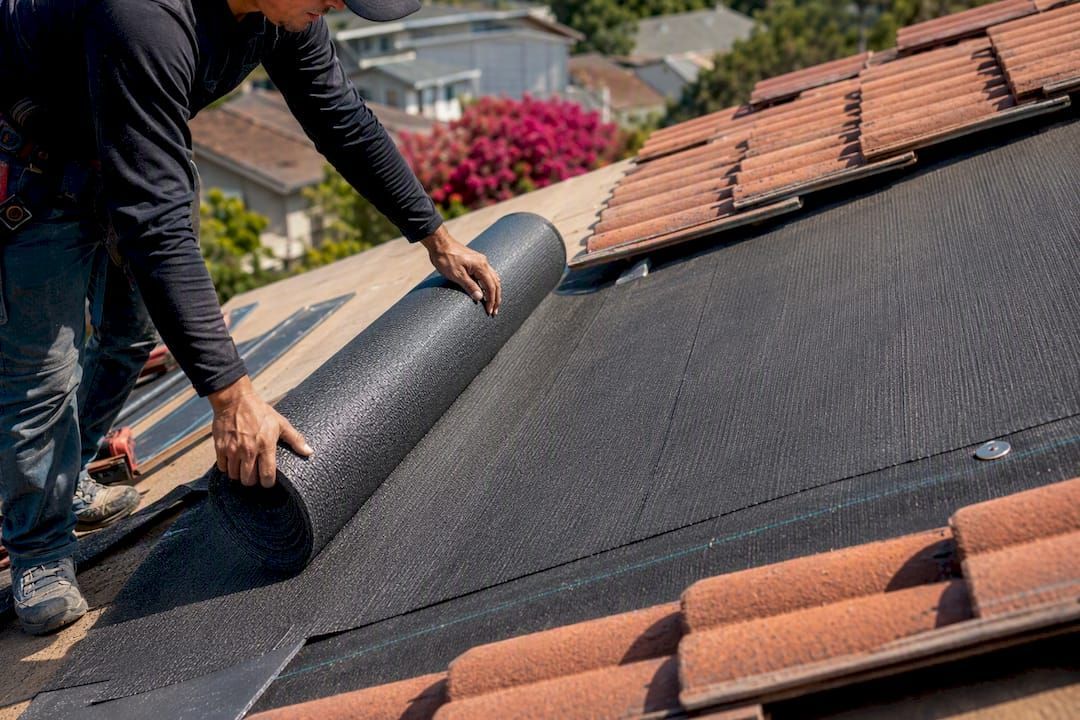
Most tile roof underlayment wears out long before the tile does. Felt underlayment typically lasts 18 to 30 years, standard synthetic underlayment holds up for 25 to 40 years, and premium rubberized or self-adhered membranes run 25 to 35 years or more. Your tile might survive a century. The underlayment beneath it won't come close.
- Biggest constraint: tile is decorative armor; underlayment is the actual waterproofing layer, and it degrades first.
- Inspection cadence: a homeowner walk-around every 1 to 2 years, a professional inspection every 4 to 5 years.
Underlayment commonly needs replacement by year 20 to 30 , regardless of how good the tile still looks on top. That's the number to build your maintenance calendar around.
Key Takeaways
Underlayment, not tile, is almost always the reason a tile roof needs major work, and catching failure early through regular inspection keeps repair costs from spiraling into full replacement.
| Point | Details |
|---|---|
| Lifespan varies by material | Felt lasts 18 to 30 years, synthetic 25 to 40 years, rubberized/self-adhered 25 to 35-plus years. |
| Climate shifts the range | Hot, sunny, or coastal conditions push lifespan toward the lower end of each range. |
| Inspection cadence matters | Check your own roof yearly; schedule a professional inspection every 4 to 5 years and after storms. |
| Replacement is a full process | Tile lift, deck repair, new underlayment, and re-lay typically cost several thousand dollars total. |
| Shieldguardroofing checks under the tile | Its inspections include tile-lift spot checks and deck testing, not just a surface look. |
How Long Does Tile Roof Underlayment Last by Material Type?
Tile roof underlayment durability comes down to chemistry and exposure, not just brand names. Three material families dominate the market, and each ages differently under the same tile.
Asphalt felt remains common on older tile roofs and budget re-roofs. It typically lasts 18 to 30 years, but that range narrows fast in hot climates. Field data from the 2026 Roofing Material Lifespan Report shows felt underlayment in hot, sunny markets failing closer to the 18 to 25 year mark, while the same product in cooler, drier regions edges toward the higher end. UV degradation and repeated heat cycling dry out the asphalt, and it becomes brittle and prone to cracking around fasteners.
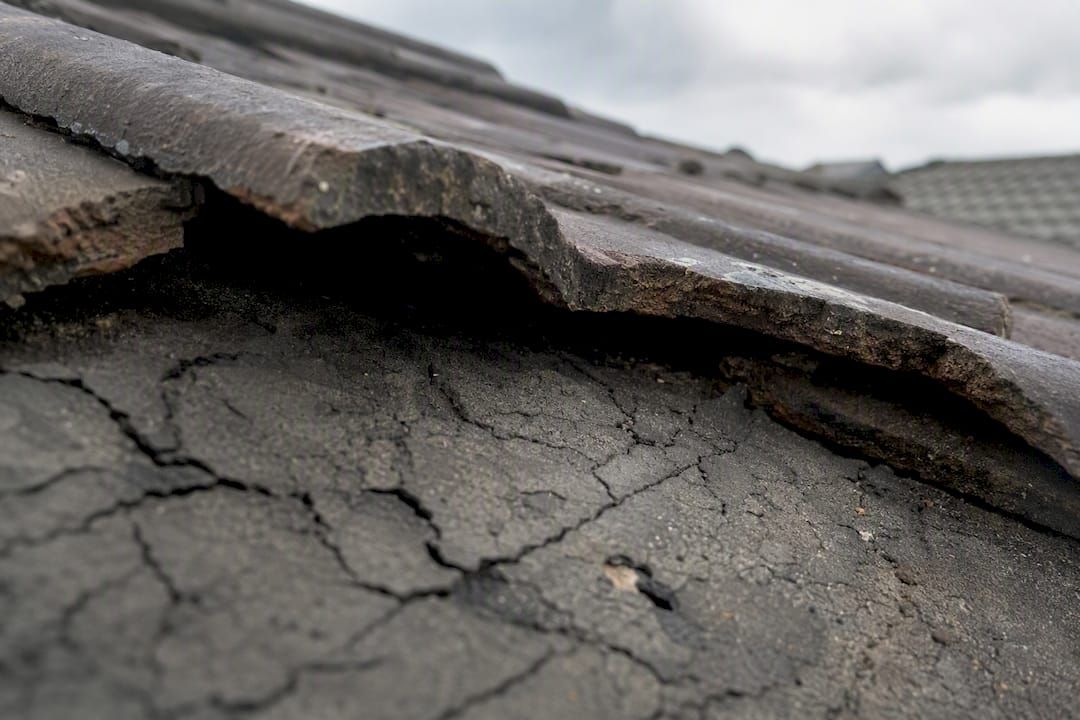
Synthetic underlayment , woven from polypropylene or polyester, resists that brittleness better. The same field data credits synthetics with extending service life to 30 to 40 years in real-world use, largely because the polymer base doesn't dry out the way asphalt does.
Rubberized asphalt (modified bitumen) and self-adhered underlayments sit at the top of the durability curve, often lasting 25 to 35-plus years. These products seal tightly around nail penetrations instead of just draping over them, which addresses one of the most common tile-roof leak points directly.
- Felt: 18 to 30 years, shorter in hot/coastal climates
- Synthetic: 25 to 40 years, better UV and heat tolerance
- Rubberized/self-adhered: 25 to 35-plus years, best seal integrity
Manufacturer exposure ratings correlate with, but don't equal, field lifespan. A product rated for 180 days of UV exposure during construction isn't promising 180 days of total roof life. It's telling you how long it can sit uncovered before installers lay the tile.
Does Climate or Installation Method Change the Timeline?
Your zip code and your installer's technique matter as much as the material spec sheet. Two identical underlayments installed a hundred miles apart can age at very different rates.
Intense sun and high heat accelerate UV breakdown and repeated expansion-contraction cycling, the same stress that pushes felt toward the low end of its range. Coastal salt air adds a corrosive element that attacks exposed fasteners faster than inland installations see. Freeze-thaw cycles in colder regions create a different problem: trapped moisture expands and contracts, working seams loose over time.
Attachment method changes the equation too. Foam-adhesive tile systems require underlayments specifically rated for foam compatibility. Mismatching a membrane with the wrong adhesive chemistry can cause seal failure well ahead of schedule, according to practitioner insight from ServiceMaster Restore. Mechanically fastened tile puts different, more localized stress on the underlayment around each fastener point.
- Hot, sunny climates push felt toward 18 to 25 years
- Coastal salt exposure accelerates fastener corrosion
- Foam-adhesive systems need underlayment rated for that chemistry
- Poor attic ventilation traps heat and moisture against the deck
Pro Tip: Ask your roofer which underlayment they're specifying and why it matches your tile's attachment method. If the answer is vague, that's a red flag worth pausing on before signing anything.
What Are the Warning Signs of Underlayment Wear?
Underlayment failure rarely announces itself with a dramatic leak on day one. It builds quietly, and catching it early is the difference between a spot repair and a full tear-off.
Inside your home, watch for:
- Brown or yellow staining on attic sheathing or ceiling drywall
- A musty, damp smell in the attic, especially after rain
- New water stains that weren't there during your last check
On the roof itself, look for:
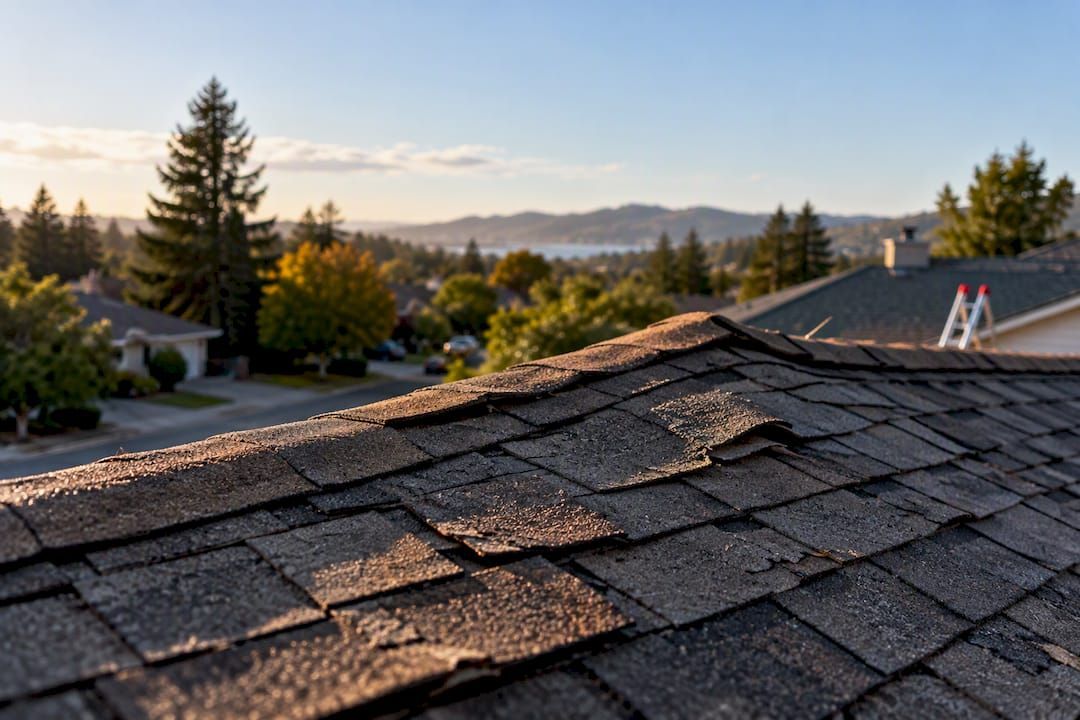
- Slipped, cracked, or displaced tiles, which expose the underlayment beneath
- Soft or spongy spots underfoot on the deck, a sign of rot below
- Corroded or backed-out nail heads and visible seam separation on any exposed underlayment
A homeowner walk-around once or twice a year catches obvious problems. But underlayment failure often hides completely under intact tile, which is why a professional inspection every 4 to 5 years matters, along with a check after any major storm. Shieldguardroofing's roof inspections go under the tile line, not just across the surface.
Pro Tip: If you spot even one slipped tile after a windstorm, don't wait for the next scheduled inspection. A single gap is often how water finds its way to already-weakened underlayment.
What Does Underlayment Replacement Involve, and What Does It Cost?
Replacing tile roof underlayment is a bigger job than most owners expect, mainly because the tile itself has to come off first and go back on afterward.
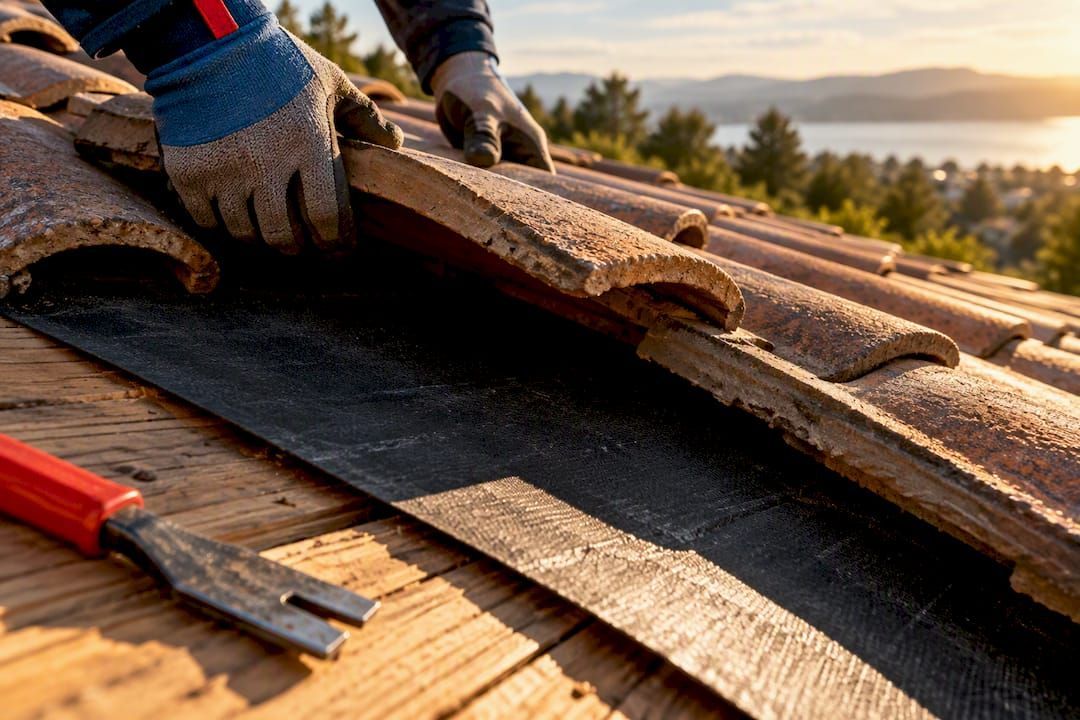
- Tile lift: existing tiles are carefully removed and staged for reuse
- Underlayment removal: the old membrane is stripped down to bare decking
- Deck inspection and repair: any rotted or damaged sheathing gets replaced before new underlayment goes down
- New underlayment installation: felt, synthetic, or rubberized membrane installed per manufacturer spec
- Tile re-lay: original or replacement tiles are reset, with broken pieces swapped out
Cost swings widely based on roof size, pitch, tile type, and how much deck repair turns up once the old underlayment comes off. Material costs alone range from about $0.15 to $0.55 per square foot for felt, $0.50 to $2.00 for synthetic, and $1.00 to $3.00-plus for rubberized membranes, according to Go Roofing USA's underlayment cost guide. Add labor for the tile lift and re-lay, and a typical single-family project often runs into several thousand dollars once you factor in the tile handling and any deck rot discovered mid-project. Get a local, on-roof estimate rather than trusting a national average. Every roof hides different surprises under the tile.
Are Premium High-Temp Underlayments Worth the Extra Cost?
Manufacturers have pushed hard into premium territory over the past several years, and the spec sheets are genuinely more impressive than what felt or basic synthetic offered a decade ago.
Westlake Royal's TileSeal HT, a self-adhered high-temp underlayment, lists UV exposure resistance up to six months and backs it with a 30-year limited warranty. Polyglass's Polystick TU PLUS goes further on paper, with exposure time rated up to 360 days and temperature stability near 265°F, thanks to dual reinforcement that resists punctures from heavy tile stacks. Newer entries in the category, covered in Green Builder Media's look at underlayment durability, push exposure and heat tolerance even higher.
- Extended exposure windows reduce risk from construction delays
- High temp ratings matter most in hot, sun-heavy climates
- Dual-reinforced membranes resist puncture from tile stacking
- Compatibility with foam adhesive systems varies by product
A 30-year warranty on paper reflects material testing under controlled conditions, not a guarantee that your specific roof, climate, and installation will hit that number in the field.
These products earn their premium in hot climates, on projects with long construction timelines, or under foam-adhesive tile systems where the underlayment takes more mechanical stress. Treat the warranty length as a strong signal of engineering confidence, not a promise carved in stone.
How Do You Extend the Life of Your Tile Roof Underlayment?
You can't stop underlayment from aging, but you can slow it down considerably with routine attention.
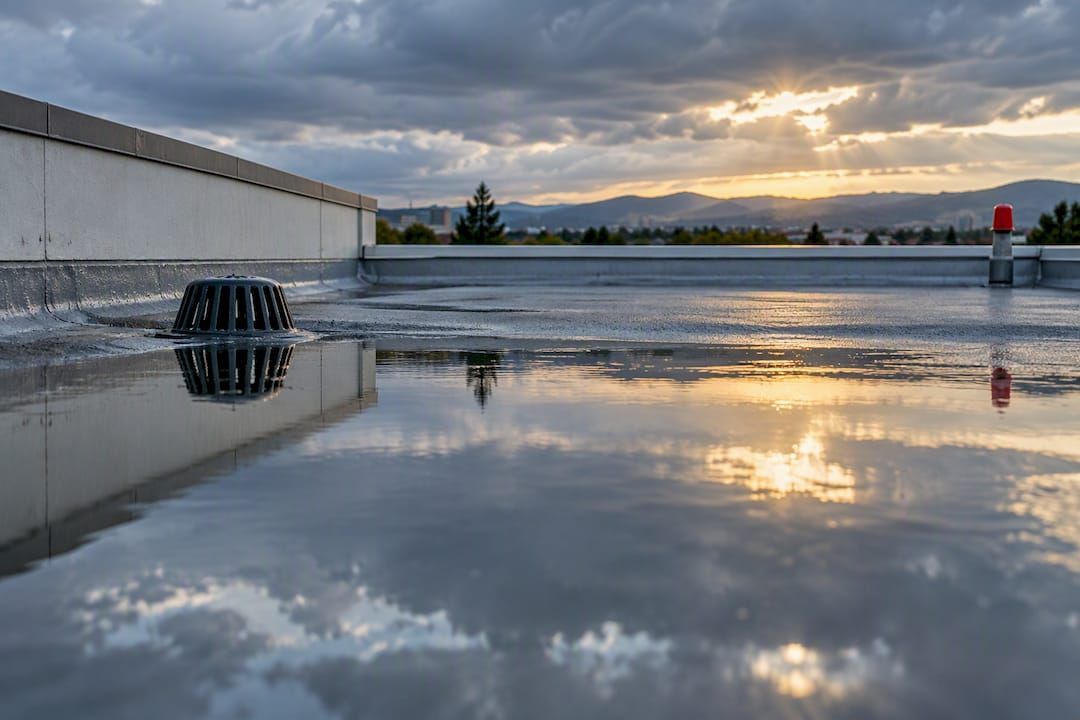
- Clear leaves and debris from valleys and gutters so water doesn't pool against the underlayment
- Check flashing around chimneys, vents, and skylights each year, and reseal where caulk has cracked
- Replace slipped or broken tiles quickly so the membrane underneath isn't left exposed to UV
- Improve attic ventilation to cut down on the heat and moisture cycling that stresses seams and adhesives
When damage is isolated, a spot repair is often the right call. Full replacement makes sense once failure signs show up in multiple areas or the underlayment has simply aged past its expected range. Our guide on why residential roof repairs fail covers this decision in more depth.
Pro Tip: A $200 flashing reseal today is a lot cheaper than the deck repair you'll pay for if that same leak runs for three more years unnoticed.
What Shield Guard Roofing Looks for Under Tile Roofs
Shieldguardroofing brings over 75 years of combined roofing experience to every inspection, and family ownership means the same standards apply whether it's a Sacramento bungalow or a commercial tile roof.
- Full tile lift spot-checks in high-wear areas, not just a surface walk
- Deck moisture and soft-spot testing where staining suggests trouble
- GAF, GAF Energy, and Brava material options for replacement work
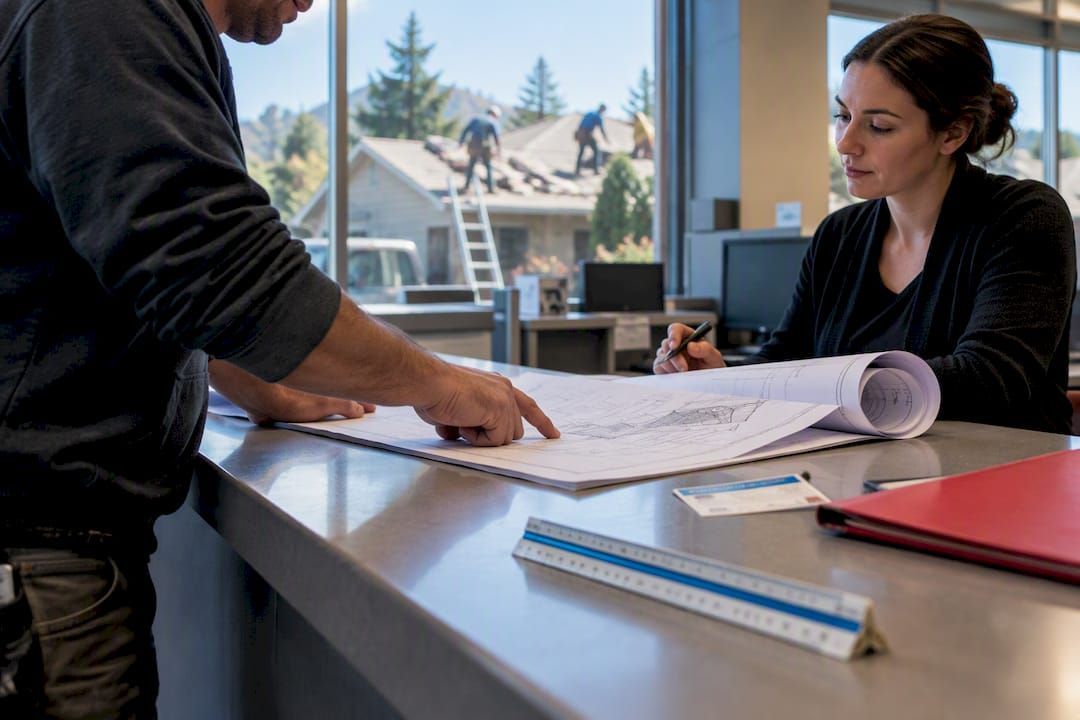
- Documented findings homeowners can use for budgeting and insurance conversations
Our roofing installation projects across Northern California reflect this same underlayment-first approach.
Planning your replacement window
Schedule underlayment replacement during dry-season months when possible. You'll avoid weather delays and give the new membrane time to settle before the next storm cycle hits.
If you're already lifting tile, it's worth bundling gutter replacement, flashing upgrades, or solar prep into the same project. One mobilization, one cleanup, and real savings on labor overlap.
— Cesar
Ready to Find Out What's Really Under Your Tile?
Shieldguardroofing gives Northern California homeowners something a spec sheet can't: an actual set of eyes under the tile, backed by 75-plus years of combined roofing experience. Instead of guessing whether your underlayment has another decade left or is already failing quietly, you get a documented answer and a straight-talk cost range for whatever comes next.
If your roof is past the 20-year mark, or you've noticed even one slipped tile after a storm, that's the moment to schedule a look, not wait for a leak to force the issue. Shieldguardroofing's team can assess your underlayment condition, walk you through material options like GAF and Brava products, and lay out a realistic budget before any tile comes off. Start with a residential roofing consultation, or if you're dealing with an active issue right now, request service directly through our roofing service request page and get a real answer this week.
Sources
- 2026 Roofing Material Lifespan Report (Field Data) | TRB
- Tile Roofs Can Last 300 Years. What About the Underlayment? | Green Builder Media
- Westlake Royal™ TileSeal™ HT | High-Temp Roof Underlayment
- Polystick TU PLUS product data sheet | Polyglass (PDS)
- Tile roof underlayment guide | Types, cost & lifespan | Go Roofing USA
Recommended