Storm Damage Roof Repair Cost: What to Expect in 2026
Storm Damage Roof Repair Cost: What to Expect in 2026
Most storm damage roof repairs run $2,641 to $22,127 , with the typical homeowner landing around $12,331 once labor, materials, and disposal are factored in. Simple fixes, like a handful of missing shingles, often stay under $1,000. If a storm affected more than 30% of your roof, or your roof is already past 15 years old, replacement usually pencils out cheaper than another round of patches. Your first move costs nothing: get a professional inspection and photograph every bit of visible damage before you touch anything.
Key Takeaways
Storm damage roof repair costs typically range from $2,641 to $22,127, with scope, material, and insurance deductibles determining where a given job falls.
| Point | Details |
|---|---|
| Know your cost tier | Minor fixes run $150–$1,000; major repairs and replacement often exceed $8,000. |
| Inspect before deciding | A $125–$600 inspection often gets credited toward the job and prevents missed decking damage. |
| Run the deductible math | Compare your repair estimate against your deductible before filing a claim. |
| Get multiple written quotes | Two to three quotes with matching line items reveal scope differences, not just price differences. |
| Shieldguardroofing handles the full process | From documented inspection through emergency tarping, repair, and insurance coordination using GAF and Brava materials. |
How Much Does Storm Damage Roof Repair Cost?
Think of storm repair costs in three tiers, and most homeowners land squarely in one of them. Knowing which tier you're in before a contractor shows up saves you from sticker shock and helps you spot a lowball or inflated quote.
- Minor repairs ($150 to $1,000): a single damaged shingle, a resealed flashing joint, or a pipe boot replacement. Contractors often apply a service-call minimum of $150 to $400 regardless of how small the fix is.
- Moderate repairs ($1,000 to $5,000): partial-slope shingle replacement, a small section of damaged decking, or valley repair after wind-driven rain got underneath the roofing membrane.
- Major repairs and full replacement ($8,000 and up): widespread hail bruising, structural decking failure, or damage covering multiple slopes typically pushes you into full roof replacement cost territory rather than incremental patching.
A roof inspection typically costs $125 to $600, and many roofers credit that fee toward the job if you hire them. Skipping this step to save $200 is how homeowners miss $4,000 in hidden decking rot.
How Does Roofing Material Affect Repair Cost?
The material on your roof changes the math more than almost any other variable, because matching an existing roof or replacing an incompatible one drives both labor and material costs.
- Asphalt shingles are the cheapest to repair and replace, running roughly $4 to $15 per square foot($400 to $1,500 per 100 square feet), which is why most storm claims involve this material.
- Metal roofing holds up well against hail but denting versus puncturing matters. Cosmetic dents rarely need repair, but a punctured panel usually means replacing that section entirely, and metal repair materials run $4.50 to $7 per square foot.
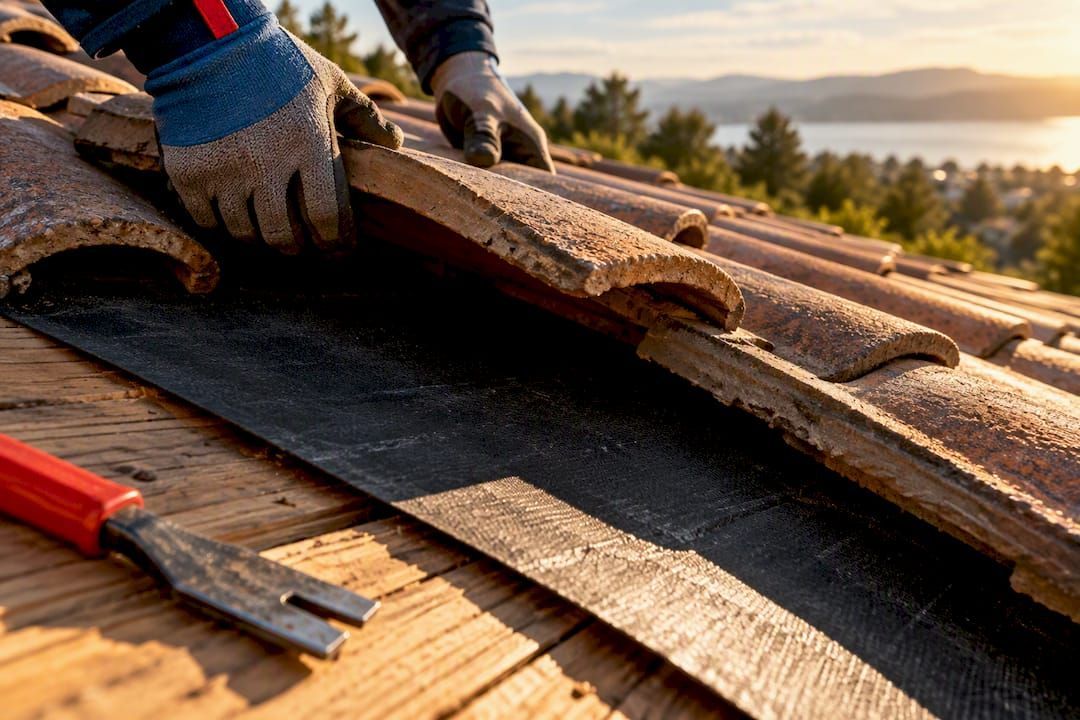
- Tile and slate are labor-intensive and expensive per square. Matching the color and profile of decades-old tile can add weeks and hundreds of dollars just in sourcing.
- Wood shakes split under hail impact rather than dent, and many jurisdictions now require fire-treated replacement shakes, which adds cost beyond the base material price.
What Determines Cost by Type of Storm Damage?
The visible cause of your damage tells a contractor roughly how deep the problem runs, and that depth is what actually sets the price.
- Hail damage usually means localized bruising you can patch, but once bruising covers a large percentage of the roof's surface, insurers and contractors both lean toward full replacement rather than chasing dozens of spot repairs.
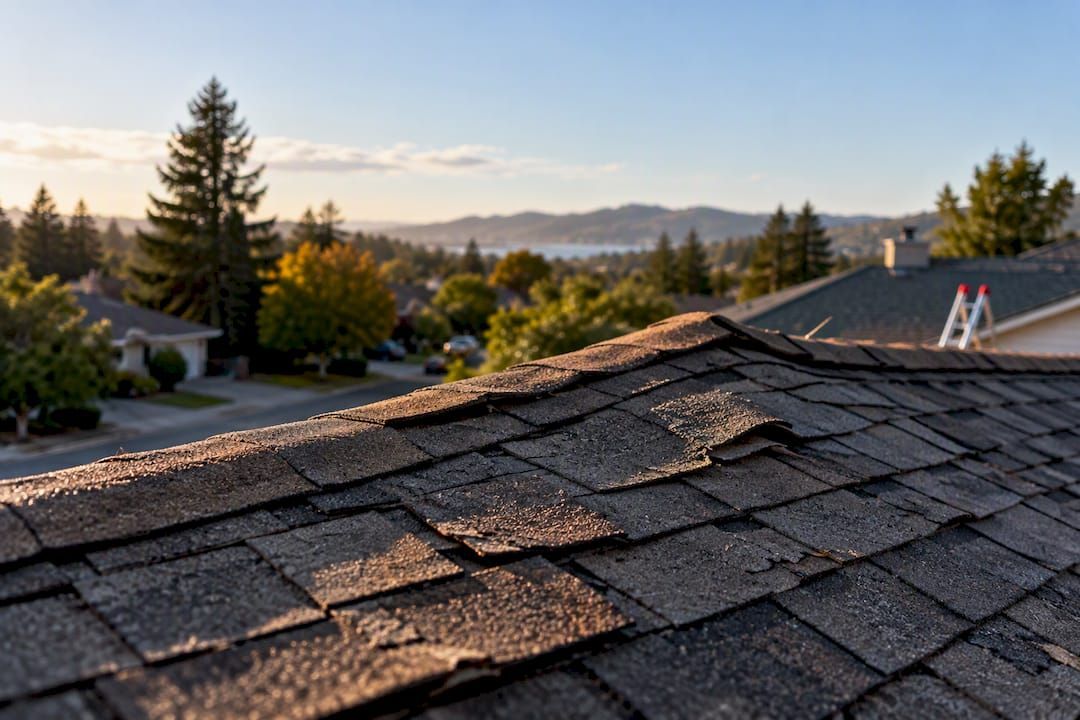
- Wind damage shows up as missing shingles, uplifted tabs, or exposed valleys. These are often quick fixes unless wind drove water underneath the underlayment for days before anyone noticed.
- Tree limb impact almost always involves decking and sometimes framing, which is why a seemingly small branch strike can turn into a $3,000 to $6,000 repair once a contractor opens up the roof.
- Decking and rot are the hidden cost multipliers. What looks like a $500 shingle fix can become a $2,500 job once soft, water-damaged decking is exposed underneath.
What Factors Drive Storm Repair Pricing Up or Down?
Two roofs with identical-looking damage can generate wildly different quotes, and the reasons usually trace back to a handful of measurable factors.
- Roof size and pitch : more square footage means more material and labor hours, and steep pitches require additional safety equipment and staging that adds to labor costs.
- Roof complexity : multiple dormers, chimneys, skylights, and valleys each represent a penetration point that needs flashing work, driving up both material and labor line items.
- Post-storm surge pricing : after a major regional storm, demand spikes and materials can back-order for weeks, which pushes both price and wait times higher than normal.
- Code-triggered upgrades : repairs sometimes trigger requirements for ice-and-water shield or improved attic ventilation under current building code, plus permit fees that weren't part of your original estimate.
Pro Tip: Ask your contractor directly whether your quote includes any code-required upgrades. A quote that looks $1,500 cheaper than a competitor's is often missing a line item that will surface later as a change order.
How Do Insurance Claims Work for Storm Roof Damage?
Insurance math confuses more homeowners than the actual roofing work does, so it helps to understand the terms before you file anything.
- RCV versus ACV : Replacement Cost Value pays what it actually costs to replace your roof today; Actual Cash Value subtracts depreciation based on your roof's age. An older roof on an ACV policy can leave you covering thousands out of pocket even after a claim pays out.
- Deductible math : some policies use a flat dollar deductible, while others in storm-prone regions use a percentage-based wind or hail deductible, often 1% to 5% of your dwelling coverage. On a $400,000 policy, a 2% deductible means you're covering the first $8,000 yourself.
- The adjuster's process : insurance adjusters typically use estimating software like Xactimate to scope damage and calculate a payout, which is why photo documentation of every damaged area matters before repairs begin.
- When filing makes sense : run the math on your repair estimate minus your deductible before filing. A $1,200 repair against a $2,500 deductible means you're paying out of pocket anyway, and filing a small claim can still affect future premiums.
How Do You Hire a Roofer After Storm Damage?
Vetting a contractor after a storm matters more than usual, because storms attract traveling crews who disappear before a warranty issue surfaces.
- Confirm active license and insurance , and ask for a written scope that names the exact shingle or material brand being installed, not just "comparable materials."
- Ask about the warranty terms and who handles lien release paperwork once the job is paid.
- Watch for red flags : door-to-door solicitors offering "storm chaser" deals, anyone demanding full payment upfront, or a business with no fixed local address or phone number.
- When comparing quotes, line up labor, disposal, permit fees, and tarping charges side by side. Two quotes with the same total price can represent very different scopes of work.
Pro Tip: Get at least two to three written quotes and request photos of the damage from each contractor. If their assessment of "how bad it is" varies wildly, that's a sign to get a fourth opinion.
What Should You Do Immediately After Storm Damage?
The hours right after a storm matter for both safety and your insurance claim, so move carefully and methodically.
- Stay off the roof entirely. Storm-damaged shingles and wet decking are unpredictable, and a professional inspection running $125 to $600 is far cheaper than a fall injury.
- Photograph and video every angle of visible damage, with timestamps, before any temporary repairs happen.
- Keep every receipt for temporary fixes. Insurers expect documentation of mitigation efforts.
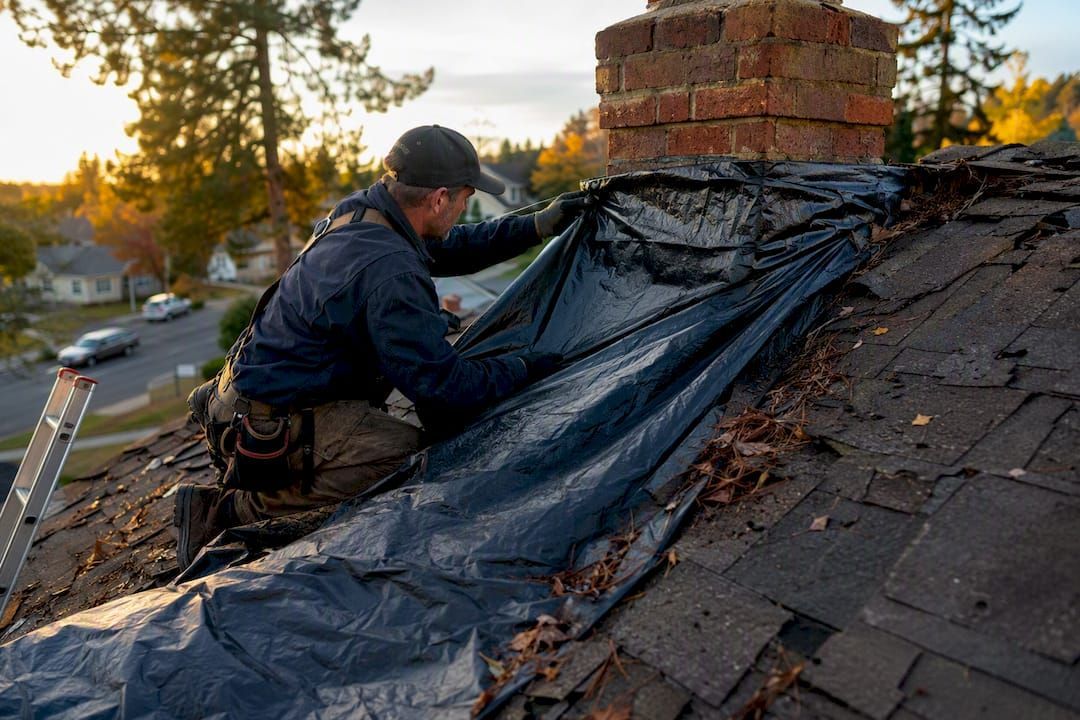
- Tarping typically carries an emergency premium above standard repair rates because of rush scheduling and equipment. It's worth it whenever active leaks or exposed decking face more rain or wind.
- Emergency mobilization fees can apply for after-hours or holiday calls, particularly during regional storm surges when every crew in the area is booked solid.
What Do Common Storm Repair Scopes Typically Cost?
Use this table to sanity-check any quote you receive. These are typical national ranges. Local labor rates and post-storm demand can push numbers toward the high end.
| Repair Scope | Typical Cost Range | What Affects the Price |
|---|---|---|
| Single shingle replacement | $150–$400 | Service-call minimums often apply |
| Pipe boot or flashing reseal | $150–$600 | Access difficulty, roof pitch |
| One-square hail patch | $400–$1,500 | Shingle matching, roof age |
| Decking patch (small section) | $1,000–$3,000 | Extent of hidden rot found |
| Partial slope replacement | $2,500–$6,000 | Slope size, material type |
| Full roof replacement | $8,000 and up | Roof size, material, complexity |
What Are the Hidden Indirect Costs of Storm Damage?
The roof repair invoice is rarely the full financial picture after a serious storm. Water intrusion doesn't stop at the shingles. It travels through insulation, drywall, and flooring, and those secondary costs catch homeowners off guard because they show up on a separate estimate entirely.
Temporary housing becomes a real expense when active leaks make a home unsafe to occupy, particularly during the days between the storm and completed tarping. Most homeowner policies include "additional living expense" coverage, but that coverage has limits and usually requires the same documentation trail as your roof claim: receipts, dates, and a clear connection to the covered event.
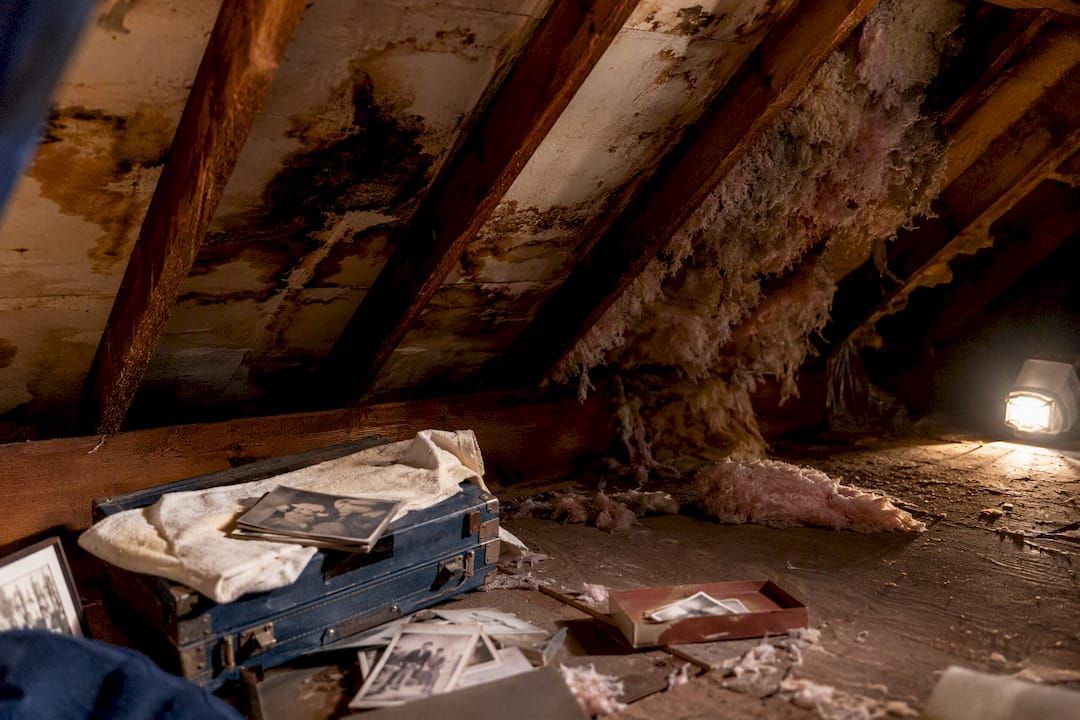
Damaged belongings inside the home add up fast. Water stains on ceilings often mean insulation replacement, and anything stored in an attic space directly under storm damage, holiday decorations, old photos, furniture, is at genuine risk. Document these losses with the same rigor as roof damage: photos before you move or discard anything, and an itemized list with approximate replacement values.
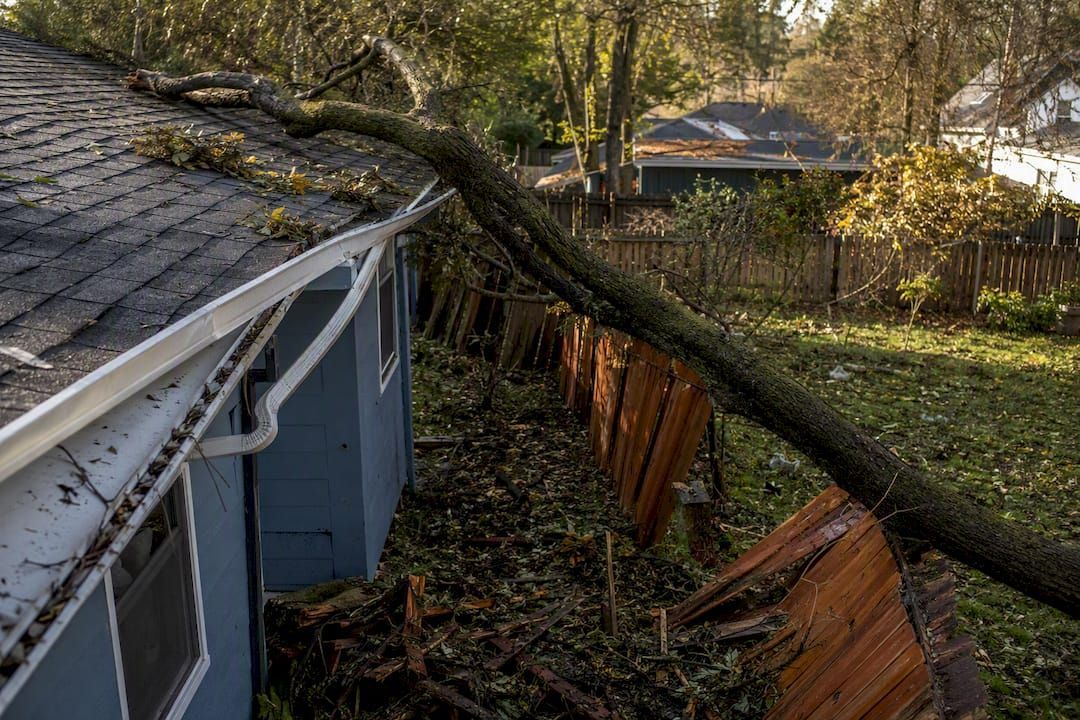
Landscaping and exterior costs frequently get overlooked. Fallen tree limbs that damaged your roof may have also damaged gutters, fencing, or siding on their way down, and those repairs typically fall under separate line items on your insurance estimate rather than the roofing quote.
Building a rough contingency of
to 15% above your roofing estimate is a reasonable planning number for these secondary costs, even when you're hoping insurance absorbs most of it.
Are There Financial Assistance Programs for Storm Roof Damage?
Insurance is the primary path for most storm-related roof repairs, but it isn't the only one, especially after a federally declared disaster.
When a storm triggers a federal disaster declaration , homeowners in the affected counties may qualify for FEMA individual assistance, which can help cover repairs insurance doesn't fully address, though FEMA assistance is generally meant to supplement insurance, not replace it, and won't cover a full roof replacement on its own.
Low-interest disaster loans through the Small Business Administration are available to homeowners, not just businesses, following a qualifying disaster declaration, and they can cover repair costs that exceed what insurance pays out.
Some state and local governments run their own storm-recovery grant or loan programs after major regional events, though availability depends heavily on your specific location and the scale of the storm.
Contractor financing is worth asking about directly. Many roofing companies, including Shieldguardroofing, offer financing options for larger projects, which can bridge the gap between an insurance payout and the actual cost of quality materials and workmanship.
Before assuming you'll qualify for outside assistance, run your numbers first: estimate minus insurance payout minus deductible. That gap is the number you're actually trying to close, and it's often smaller than homeowners initially fear once the insurance claim settles.
How Does the Insurance Claim Process Actually Work?
Filing a storm damage claim involves more steps than most homeowners expect, and knowing them upfront prevents the frustration that derails so many claims midway through.
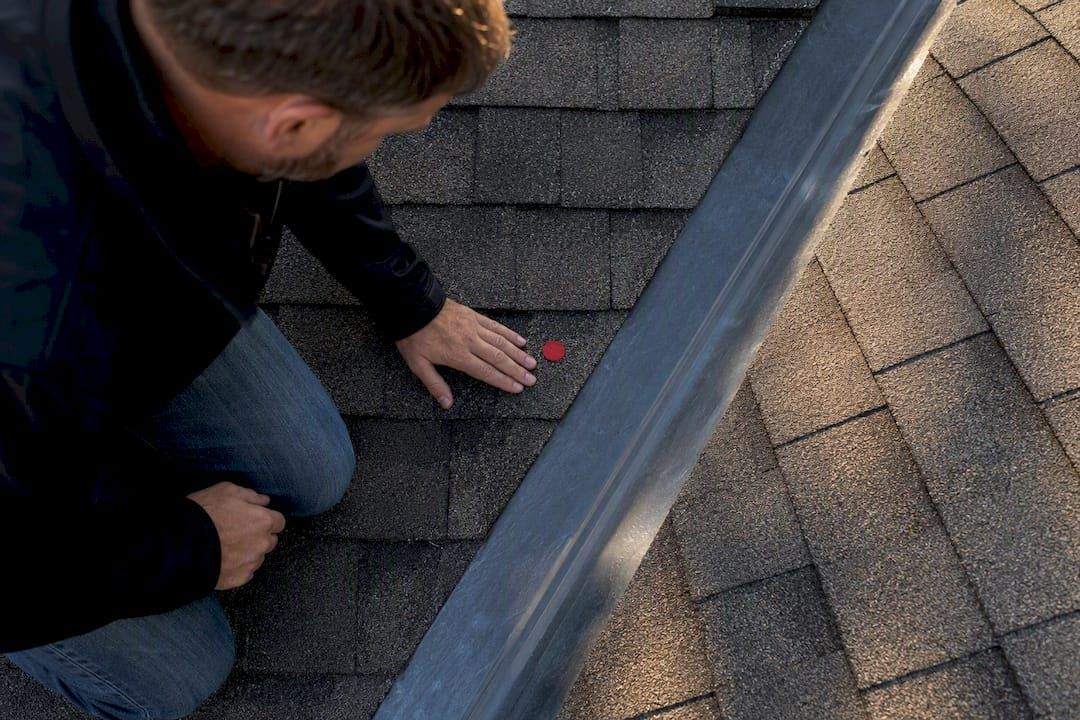
Start with documentation , not the phone call to your insurer. Photograph and video every damaged area, inside and outside, with timestamps, before any temporary repairs happen. This record becomes your leverage if the adjuster's initial scope misses something.
File the claim promptly. Most insurers expect notification within a defined window after the storm event, and delays can raise questions about whether damage is storm-related or pre-existing wear.
The adjuster visit typically happens within a week or two of filing, though this stretches longer during regional storm surges when adjusters are handling hundreds of claims simultaneously. The adjuster measures and photographs damage, often using Xactimate software to generate a line-item repair estimate.
Common hurdles show up at this stage. Adjusters sometimes underscope hidden damage like soft decking that isn't visible without removing shingles. This is where having your own contractor's inspection report, ideally completed before the adjuster arrives, gives you documentation to push back on a lowball scope. Disagreements over whether damage is storm-related versus age-related wear are the single most common source of claim disputes.
Supplemental claims are normal, not a red flag. If your contractor finds additional damage once work begins, most insurers accept supplemental documentation to adjust the payout, provided you submit photos and an updated estimate promptly.
How Long Does a Storm Damage Roof Repair Take?
Timelines vary more than most homeowners expect, largely because insurance and material availability move at their own pace.
Inspection to estimate usually takes one to three days if you call a contractor directly, though this stretches to one to two weeks if you're waiting on an insurance adjuster during a regional storm event.
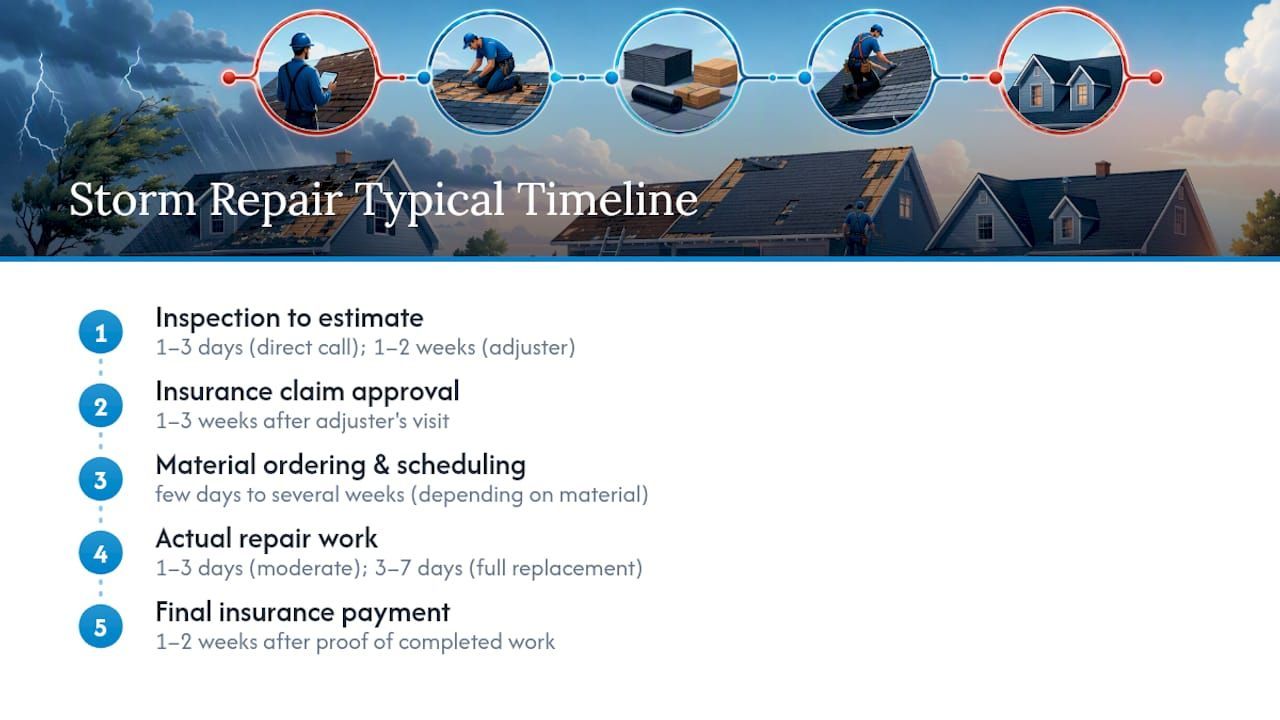
Claim approval typically takes another one to three weeks after the adjuster's visit, assuming no disputes over scope.
Material ordering and scheduling adds anywhere from a few days for common asphalt shingles to several weeks for specialty tile, slate, or metal panels, especially during post-storm surge periods when demand outpaces supply.
Actual repair work on moderate jobs usually completes in one to three days; full replacements typically take three to seven days depending on roof size and weather windows.
Final insurance payment , the depreciation holdback on ACV policies, usually releases once you submit proof of completed work, adding another one to two weeks to the total timeline. Altogether, a moderate repair with insurance involvement often runs four to eight weeks from first inspection to final payment.
What a Contractor's-Eye View of Storm Repair Reveals
Shield Guard Roofing's crews document every storm job with dated photos before touching a single shingle, because that record protects you if an adjuster's scope comes in short. After a regional storm, mobilization typically happens within a few days, and using GAF-rated materials with correctly installed flashing keeps manufacturer warranties intact instead of voiding them through shortcuts.
— Cesar
Get Your Storm Damage Assessed Before Small Damage Becomes a Bigger Bill
Shieldguardroofing gets you a documented inspection and a written estimate fast, which matters most in the days right after a storm when adjusters are backlogged and every hour of exposure adds risk to your decking.

Our teams handle the full range: emergency tarping to stop active leaks, targeted repairs for isolated hail or wind damage, full residential roof replacement when the scope calls for it, and direct coordination with your insurance adjuster so you're not translating Xactimate line items alone. We install GAF and Brava materials backed by manufacturer warranties, and every job starts with photo documentation you can hand straight to your insurer. If your roof took a hit in the last storm, request a free roof repair inspection today and get a written scope before you make any decisions about your claim.
Quick Reference: Claims and Emergency Repair Resources
For deeper guidance beyond this cost overview, review Shieldguardroofing's real NorCal storm repair examples to see how local damage scopes translate into actual project costs, and consult the insurance deductible math breakdown before filing any claim.
Sources
Recommended