What Does a Class A Roof Rating Actually Mean?
What Does a Class A Roof Rating Actually Mean?
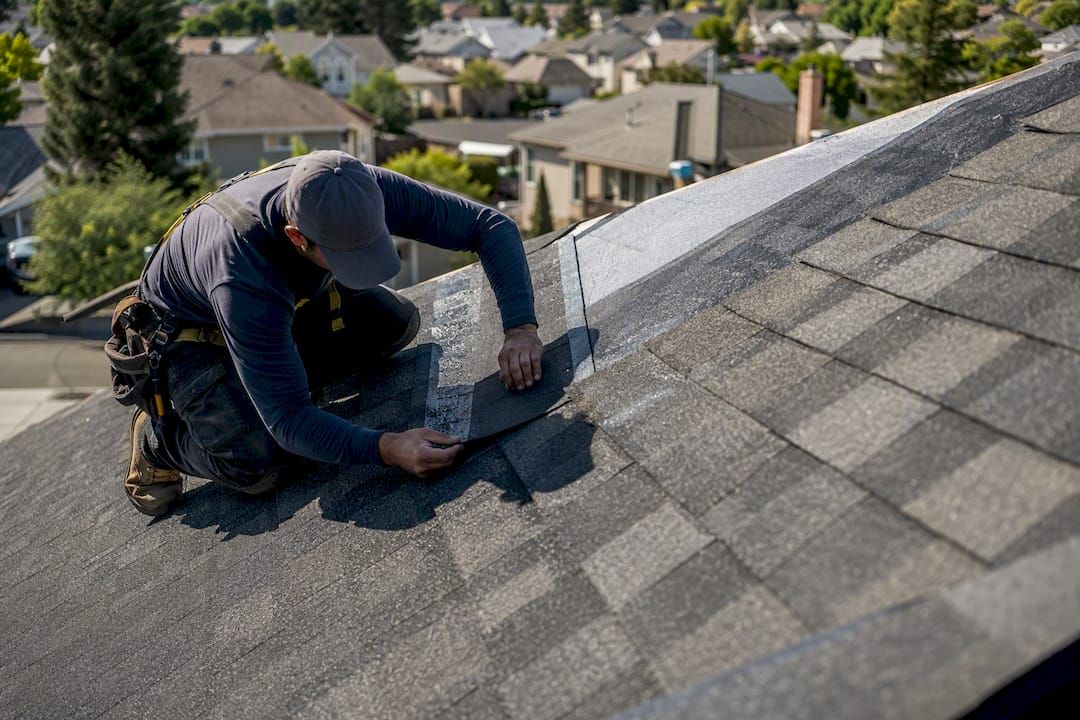
Class A is the highest external fire-resistance rating a roof covering can earn under UL 790 and ASTM E108 testing. It tells you the material or assembly held up against the most severe external fire exposures these tests can throw at it, including flying embers.
Here's the catch most property owners miss: Class A only measures what happens on the outside of your roof. It says nothing about interior fire resistance or whether the structure holds up once flames get past the covering, a distinction Fire Engineering makes clear in its testing coverage.
If you're in a wildfire-prone area, or your building sits close to dry vegetation, this rating matters more than almost any other spec sheet number.
- Class A resists spread of flame, intermittent flame exposure, and burning brand contact better than Class B or C coverings.
- The rating applies to a tested assembly, not just the top-layer product.
- It does not certify attic fire resistance, structural integrity, or interior sprinkler performance.
Pro Tip: Don't assume "fire resistant" on a product label means Class A. Ask for the actual UL or ASTM listing number before you sign off on materials.
Key Takeaways
A Class A roof rating certifies external fire resistance through UL 790/ASTM E108 testing, but the rating belongs to the tested assembly, not just the top-layer product.
| Point | Details |
|---|---|
| Class A is external only | It confirms fire resistance at the surface, not interior fire or structural performance. |
| Three tests define the rating | Spread of Flame, Intermittent Flame, and Burning Brand tests all factor into classification. |
| Assembly beats product | Deck type, underlayment, and barrier boards like DensDeck determine whether the rating holds. |
| Verify with documents and photos | Collect assembly listings and photograph underlayment before it's covered. |
| Shieldguardroofing installs to spec | Our crews follow certified assembly instructions and document every layer for compliance records. |
What Standards Define a Class A Fire Rated Roof?
Two tests dominate this space: UL 790 and its near-identical counterpart, ASTM E108. Both put roofing assemblies through three distinct trials, and a roof has to survive all three to earn Class A status.
The Spread of Flame test exposes a roof deck to a gas flame and measures how far fire travels across the surface. Class A assemblies must limit flame spread beyond what Class B or C materials allow. This test simulates what happens when embers or flying debris ignite a section of roof during a fire event nearby.
The Intermittent Flame test repeats flame exposure in cycles, checking whether the roof covering reignites after the flame is removed. A roof that keeps smoldering or catches fire again on repeated exposure fails to hold Class A status, since real wildfires rarely deliver a single flame pulse.
The Burning Brand test is the one most relevant to wildfire risk. Testers place a burning wood brand, sized differently depending on the classification being tested, directly on the roof surface and observe whether it burns through, ignites the underlying deck, or produces flaming or glowing particles that fall off. Class A brands are the largest and heaviest used in the standard, meaning a Class A assembly has proven it can withstand a bigger ember load than Class B or C coverings.
Deck type factors into every one of these tests. A metal panel tested over a fire-treated deck doesn't automatically qualify the same panel installed over untreated plywood. Testing labs certify specific deck and underlayment combinations, not just the surface material in isolation.
- Spread of Flame: measures how far fire travels across the roof surface.
- Intermittent Flame: checks for reignition after repeated flame cycles.
- Burning Brand: tests resistance to ember ignition, the most wildfire-relevant of the three.
Practitioners in the field note that most Class A failures trace back to component substitution or poor flashing work rather than the top-layer material itself, according to UL's own roof ratings guidance.
Which Roofing Materials Typically Earn Class A Ratings?
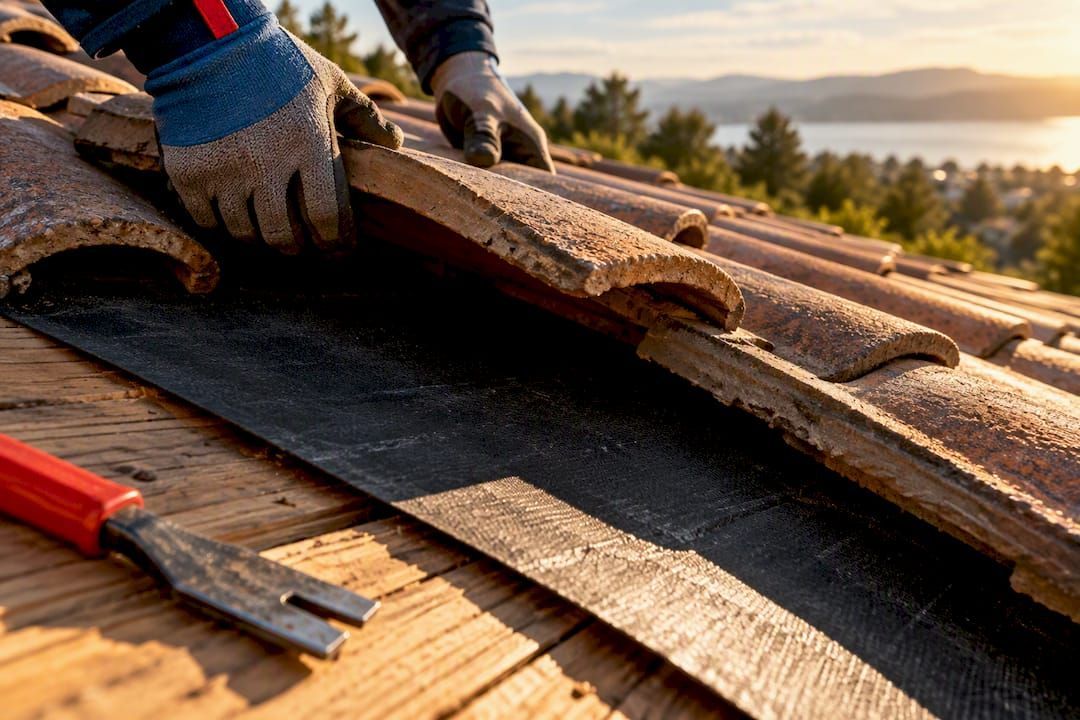
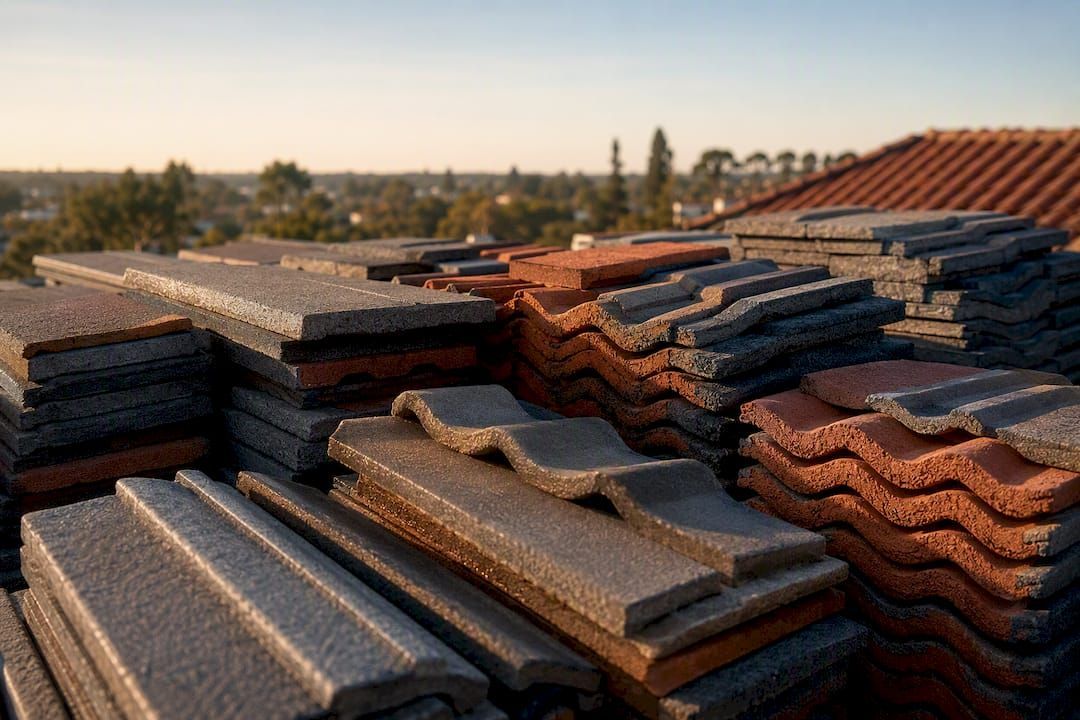
Slate, concrete tile, and clay tile carry Class A ratings as a matter of course, thanks to their non-combustible composition. These materials have been the benchmark for fire-resistant roofing for generations, and their density makes them naturally resistant to ember penetration.
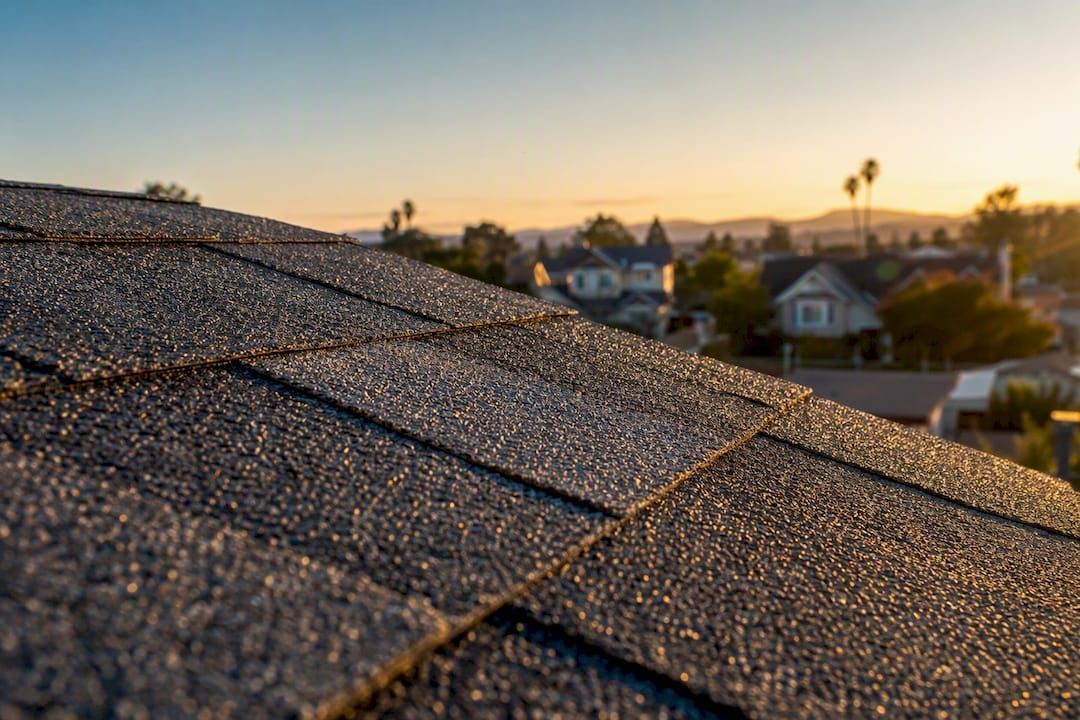
Fiberglass-based asphalt composition shingles also earn Class A status in most product lines, a point NRCA's roofing materials guidance confirms directly. That's worth knowing if you assumed asphalt shingles were an automatic downgrade from tile or metal. The fiberglass mat inside the shingle, rather than the asphalt coating, is what earns the classification.
Metal roofing products, from standing seam panels to metal shingles, frequently achieve Class A when tested as a complete assembly. Metal itself doesn't burn, but the rating still depends on what sits underneath it, which is where a lot of property owners get tripped up.
Here's where the caveats matter:
- Untreated wood shakes and shingles typically land in Class C, or carry no rating at all, because wood combusts readily under sustained flame exposure.
- Organic (paper-based) shingles , an older asphalt shingle technology, generally max out at Class C even with modern coatings.
- Factory fire-treated wood products can achieve Class A or B, but only when the treatment is applied and verified by the manufacturer, not added on-site after the fact.
- A Class A product label doesn't guarantee a Class A roof. The same shingle can perform differently depending on the deck, underlayment, and fasteners used beneath it.
If you're comparing options for a new build or full replacement, our guide to residential roofing materials breaks down how these products perform beyond fire resistance, including durability and cost. Commercial property managers evaluating flat or low-slope systems should also look at our commercial roofing materials comparison for a deeper look at assembly-level performance.
Why Product Rating and Assembly Rating Aren't the Same Thing
This is the single most misunderstood part of fire ratings, and it's the one that gets property owners into trouble. A product rating describes how a specific material performed in isolation under lab conditions. An assembly rating describes how that material performed as part of a complete, specific roof system, deck type included, underlayment included, fasteners included.
You can buy a shingle rated Class A on its packaging and still end up with a roof that doesn't qualify, because the tested assembly behind that rating specified components you didn't use.
Three assembly elements change outcomes most often:
- Deck type. A rating tested over plywood doesn't transfer automatically to OSB or a different deck thickness.
- Barrier boards , such as DensDeck, which many combustible-deck assemblies require to meet Class A when the roof covering alone can't carry the rating.
- Underlayments , like VersaShield, a fire-resistant fabric-based product used beneath the primary covering in many tested Class A configurations.
Substituting even one of these, swapping DensDeck for a standard cover board, or skipping the specified underlayment to save on material cost, can void the tested assembly's rating entirely, according to InspectApedia's assembly guidance. The roof might look identical to the one in the test report. It isn't the same roof in the eyes of the code official or your insurer.
Pro Tip: Keep the manufacturer's tested assembly sheet in your building file. If a contractor ever proposes a substitution, that sheet tells you immediately whether the swap breaks the rating.
How Do You Verify Your Roof's Class A Status?
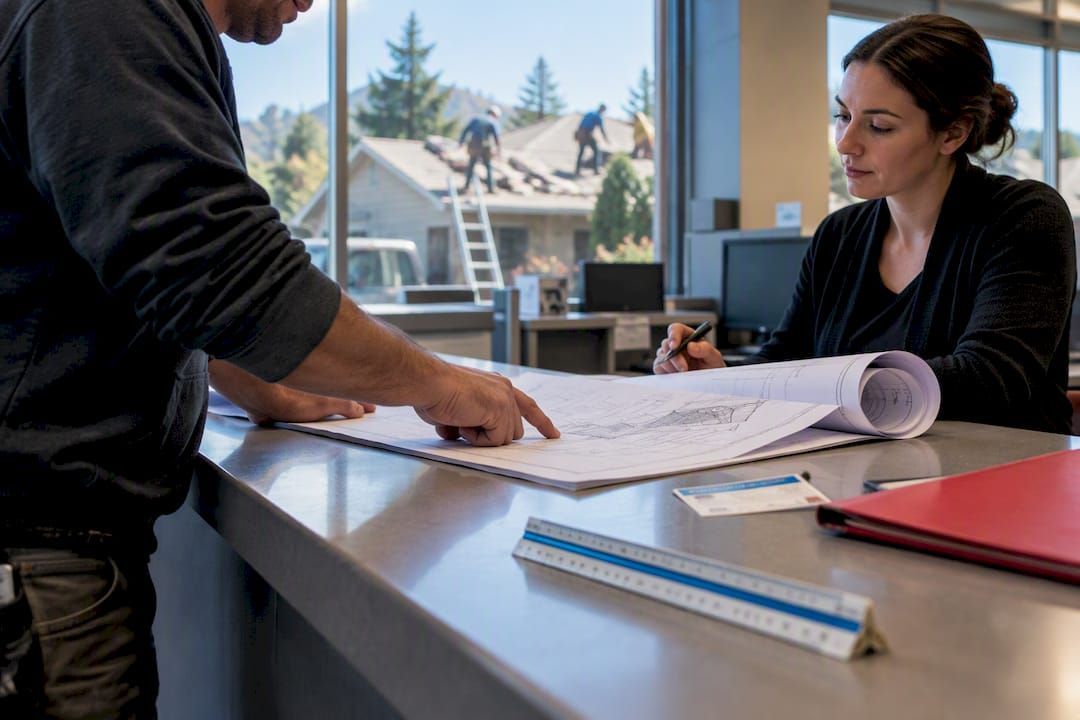
Don't take a contractor's word for it, and don't take a shingle wrapper's word for it either. Verification takes a few concrete steps, and it's worth doing before you finalize a contract, not after the crew has already left the job site.
Start with the paperwork. Ask your installer for:
- The product data sheet listing the specific UL or ASTM classification number.
- The certified assembly listing that matches your exact deck type and underlayment.
- Manufacturer installation instructions referenced in that listing.
- Any local code approval or evaluation report tied to the assembly.
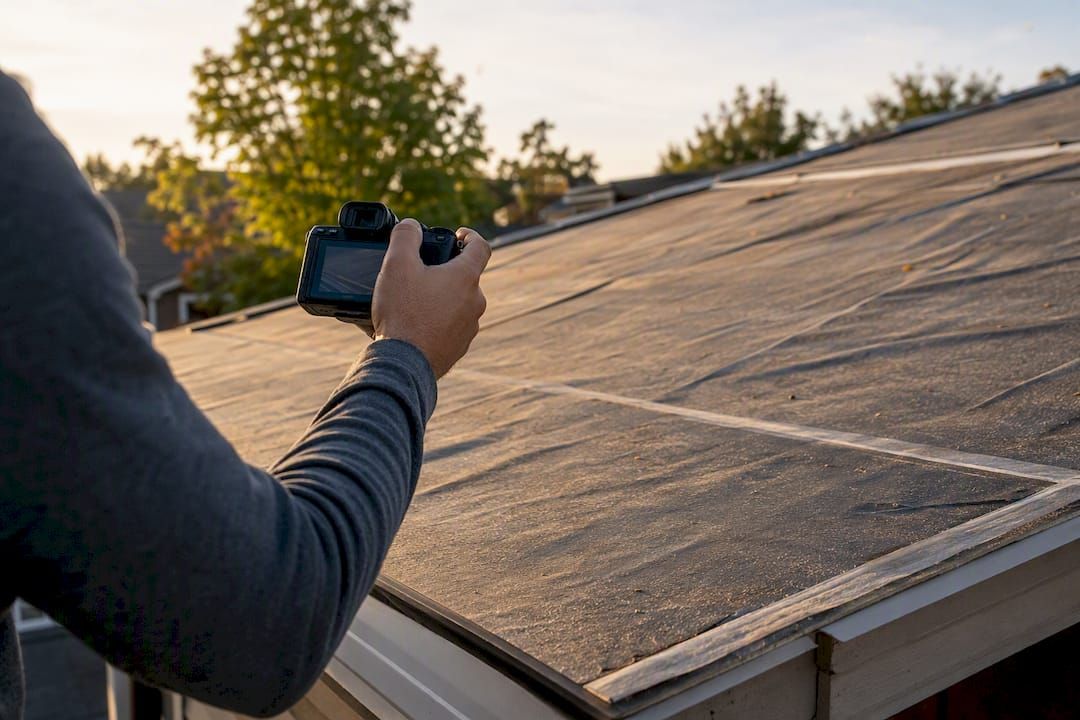
Then check the physical roof. Product labels are often visible on shingle wrappers before installation, on metal panel stamps, or on underlayment rolls before they go down. Photograph these labels during installation, along with the underlayment and any barrier board before the final layer covers them. Store those photos with your building records. If a question ever comes up during an insurance claim or a code inspection, you'll want evidence the correct materials went down in the correct order, not just a receipt for materials that could theoretically have been swapped.
When in doubt, bring in a licensed roofing contractor to confirm the installed system matches a certified listing, or ask your local building department to confirm compliance directly. Our commercial roof inspection checklist walks property managers through a broader inspection routine that pairs well with this fire-rating verification step.
| Verification Step | What to Collect |
|---|---|
| Request documentation | Product data sheets, assembly listings, and installation instructions from the installer. |
| Photograph installation | Underlayment, barrier boards, and product labels before they're covered. |
| Store records | Keep photos and paperwork in a building file for insurance and code reference. |
| Confirm with a professional | Have a licensed contractor or code official verify the installed assembly matches the listing. |
When Is Class A Required, and How Does It Differ From FM Class 1?
Building codes reference roof covering classifications directly. IBC Table 1505.1 sets minimum covering requirements based on construction type, and many jurisdictions in wildland-urban interface (WUI) zones require Class A regardless of what the base code would otherwise allow. Local wildfire-hardening ordinances increasingly point toward Class A as the baseline, particularly as EPA and NOAA wildfire indicators show rising exposure trends in many regions. Always confirm the specific requirement with your local building department rather than relying on general guidance.
Class A and FM Class 1 often get treated as interchangeable. They're not. FM Class 1 approval covers a wider battery of tests, wind uplift, impact resistance, and internal fire exposure among them, while Class A under UL 790 focuses specifically on external fire performance. An FM Class 1 assembly can typically substitute for a Class A requirement, but the reverse isn't guaranteed, a distinction InspectApedia's comparison lays out clearly.
- Multi-tenant commercial buildings in WUI zones should insist on Class A at minimum.
- High-value properties near dry vegetation benefit from confirming FM Class 1 where the broader test coverage applies.
- Insurance underwriters increasingly ask for documentation of either rating before writing or renewing a policy, a factor worth reviewing alongside commercial roof damage and insurance considerations.
Can You Upgrade an Existing Roof to Class A?
Yes, in most cases, and it doesn't always mean a full tear-off. Combustible decks, plywood and OSB especially, commonly need a tested barrier board or multiple layers of fire-rated underlayment to reach Class A, since Sheffield Metals' fire rating guidance confirms simple product swaps rarely get the job done on their own.
Here's how the upgrade path usually breaks down:
- Add a tested underlayment or barrier board. Products like DensDeck or fire-rated underlayments can bring a combustible deck assembly up to Class A when installed per the manufacturer's tested configuration.
- Follow a documented overlay assembly if you're installing new material over existing roofing rather than stripping down to the deck.
- Replace the covering entirely with a Class A product installed per its certified assembly when the existing deck or materials are too compromised to retrofit economically.
A full reroof becomes the better call when the deck itself shows rot or damage, when the existing roofing has already exceeded its service life, or when the cost of retrofitting piecemeal starts approaching the cost of starting fresh. Budget for inspection time, permit turnaround (which varies by jurisdiction and season), and weather windows that can push a project by weeks if you're planning around a rainy season.
What We See in the Field That Compromises Class A Performance
Most Class A failures Shieldguardroofing encounters on inspection don't trace back to bad material. They trace back to installation shortcuts. Skipping the specified underlayment to save a day of labor, mismatching deck types against what the assembly was tested on, or rushing flashing details around penetrations, these are the errors that quietly void a rating nobody realizes is gone until a claim or inspection forces the question.
Our inspection process checks the items that actually determine whether an assembly still qualifies:
- Underlayment type and layer count against the manufacturer's tested spec.
- Deck condition and type, confirmed against the assembly listing.
- Flashing details at valleys, penetrations, and roof-to-wall transitions.
- Documentation of installed materials, photographed before final covering goes down.
We coordinate directly with manufacturers when a project calls for a specific certified assembly, using the exact materials that assembly was tested with rather than close substitutes.
Pro Tip: If your last roof inspection didn't include photos of the underlayment before it was covered, ask your contractor for that documentation now. It's the fastest way to confirm whether your rating actually holds up.
The Gap Between the Label and the Installed Roof
The industry treats "Class A" as if it's a property of a shingle. It's not. It's a property of a tested system, and that distinction gets lost in almost every sales conversation I've reviewed while researching this topic.
Conventional advice tells property owners to pick a Class A product and move on. That advice skips the part that actually determines whether the rating survives installation: the deck, the underlayment, the flashing details nobody photographs. A roof can use every correct material and still fail to qualify because someone swapped a cover board or skipped a layer to save a morning of labor.
If you take one thing from this, prioritize documentation over trust. Ask for the certified assembly listing before the crew starts, not after. Photograph the underlayment and barrier boards before they disappear under the final layer. That paper trail is worth more than any label on a shingle wrapper, especially when an insurer or code official asks you to prove what's actually on your roof.
— Cesar
Get a Class A Assembly Installed Right the First Time
Shieldguardroofing builds every fire-rated roof to the manufacturer's certified assembly, not a close approximation of it. That means the underlayment, barrier boards, and deck prep you get match the exact configuration that earned the Class A listing, so the rating you're paying for is the rating you actually receive.
We work directly with GAF, GAF Energy, and Brava Roofing product lines, all of which offer Class A rated options suited to Northern California's wildfire exposure. Whether you're replacing an aging residential roof or upgrading a commercial property to meet a wildfire-hardening requirement, our crews document every layer of the installation so you have proof of compliance on file, not just a verbal assurance.
If you're planning a residential replacement, start with our residential roofing services in Sacramento to get a property-specific assessment. Commercial property managers can review options through our commercial roofing page and request an inspection before committing to a full project scope.
Sources
Recommended