Choosing the Right Shingle Color for a Norcal Home
Choosing the Right Shingle Color for a Norcal Home

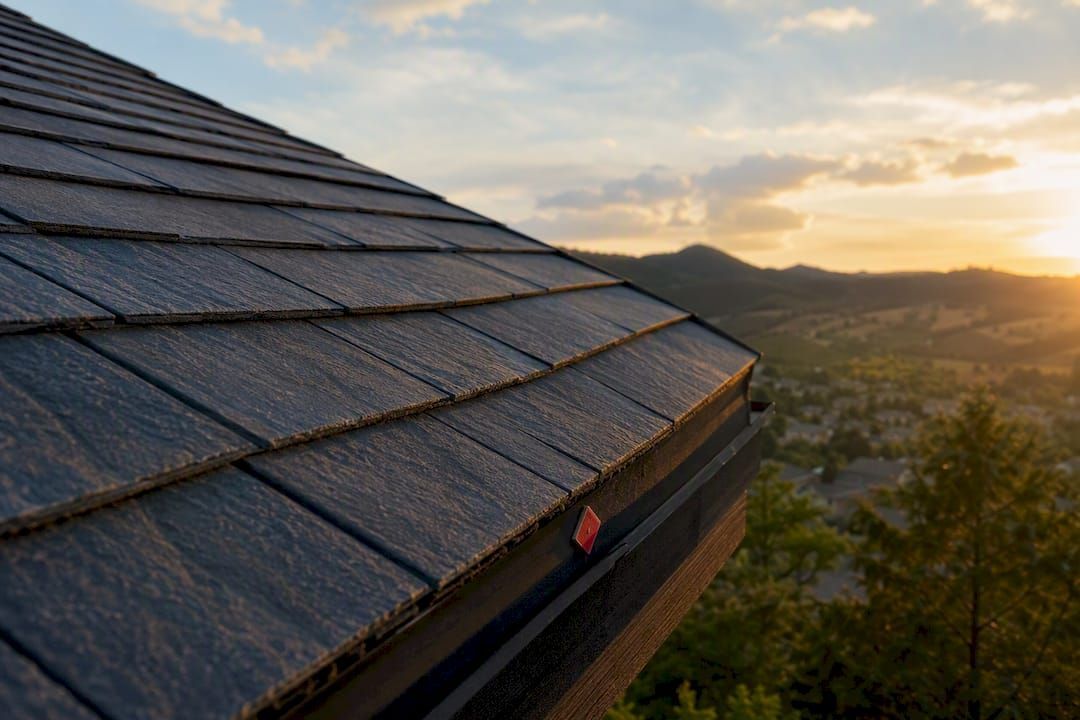
Most Northern California homes look best with medium neutral shingle blends: grays and browns that read as warm or cool depending on your trim. If your home sits near the coast or leans modern, charcoal and near-black work well. If you're inland and fighting serious summer heat, a lighter shade with a solid cool-roof rating deserves a real look.
Before you commit to anything, do this one thing: get several physical sample boards from your contractor and set them against your house. Not a screen. Not a brochure.
- Look at the samples outdoors in morning light and again in late-afternoon light.
- Check your HOA's approved palette or permit rules before you order anything.
- Confirm accessory colors (ridge caps, vents, starter shingles) are available in that exact shingle line.
Skip that step and you risk falling in love with a swatch that looks nothing like the real thing once it's baking on your roof.
Key Takeaways
Choosing a shingle color that works for a Northern California home comes down to matching undertones to fixed exterior materials, weighing climate and reflectance honestly, and confirming samples and approvals before ordering.
| Point | Details |
|---|---|
| Match undertones first | Identify whether stone, brick, or stucco leans warm or cool before picking a shingle color. |
| Weigh climate honestly | Inland homes benefit from checking cool-roof ratings; coastal homes can prioritize style over reflectance. |
| Choose solid vs. blended by roofline | Simple gables suit solid colors; complex rooflines look better with blended architectural shingles. |
| Sample outdoors, twice | View boards in morning and late-afternoon light before locking in a final color. |
| Confirm accessories and HOA early | Ridge caps, vents, and HOA approval delays are the most common causes of project holdups. |
| Work with an experienced local installer | Shieldguardroofing brings 75-plus years of combined experience, physical samples, and HOA support to NorCal color decisions. |
How Northern California Climate Affects Shingle Color Choice
Fog belt and foothill sun don't play by the same rules, and your shingle color should account for that. Coastal towns like Half Moon Bay or Point Reyes rarely deal with extreme roof heat, so homeowners there tend to choose based on style, not solar load. Inland cities like Roseville, Elk Grove, or Redding are a different story entirely, where attic temperatures climb fast under a summer sun that doesn't quit until October.
Color plays a direct role here. Darker surfaces absorb more radiant energy than lighter ones, which is straightforward physics that shows up as measurably hotter roof decking on a black or dark charcoal shingle versus a light gray one. Energy recommends cool roofing, meaning shingles with higher solar reflectance, as a real strategy for cutting cooling loads in hot climates.
The catch: color alone doesn't guarantee reflectance. Two shingles that look similarly light can perform very differently depending on the granule technology used. Check the manufacturer's actual cool-roof rating for the specific product line you're considering rather than assuming "lighter equals cooler." If you're weighing this against solar panel plans too, it's worth reading up on solar roofing options that pair well with reflective shingle choices.
Matching Shingle Color to Stone, Brick, and Stucco
Your roof doesn't exist in isolation. It sits on top of a house that already has fixed, unchangeable elements: stone veneer, brick accents, stucco walls, and painted trim. Get the undertone wrong against those materials and the whole exterior looks off, even if the shingle itself is a nice color in a vacuum.
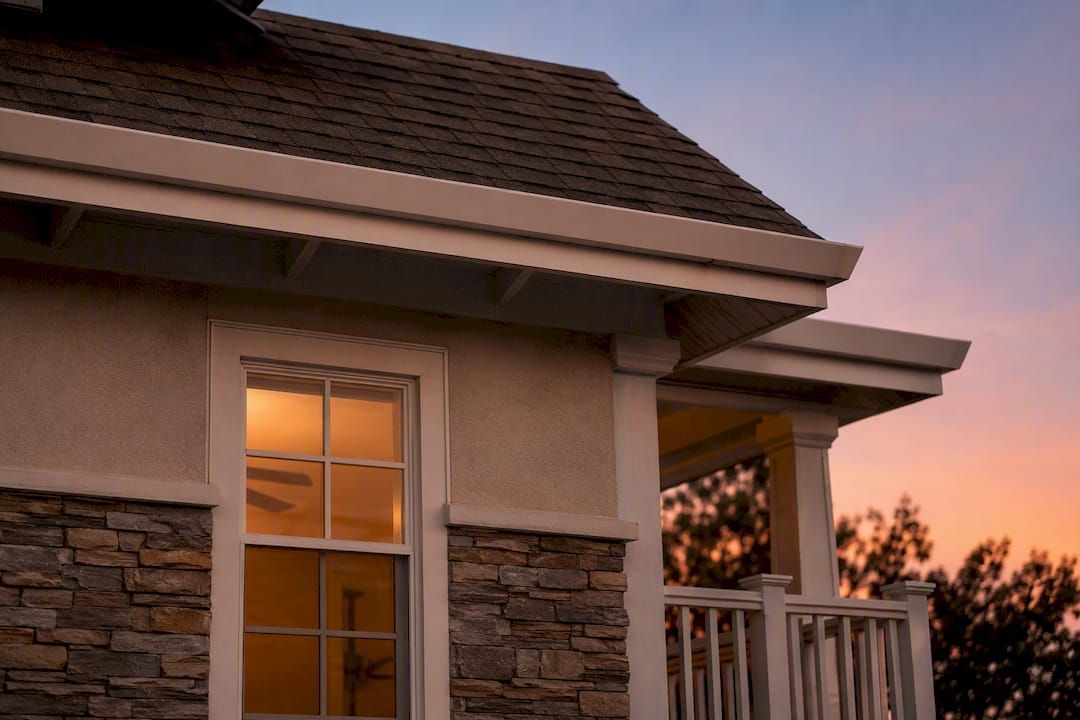
Start by identifying whether your stone or brick leans warm (tan, rust, red) or cool (gray, blue-gray, charcoal). GAF's shingle color guide recommends matching shingle undertones to those permanent materials rather than picking a roof color first and hoping it works out.
A few rules that hold up in practice:
- Warm brick or tan stucco generally pairs better with brown, driftwood, or warm gray blends than with cool blue grays.
- Cool stone or gray stucco pairs naturally with charcoal, slate, or cooler gray shingles.
- A darker roof against light stucco creates strong contrast and a more dramatic look; a roof close in value to the walls reads as quieter and more traditional.
- Trim and gutter color shift perceived contrast, so factor those in before assuming the roof needs to do all the visual work.
- If your landscaping or front door already carries a bold accent color, let the roof stay neutral. You don't need two focal points competing for attention.
Solid Shingles vs. Blended Shingles: Which Fits Your Roof
Simple gable roofs with clean lines can carry a solid, uniform color without looking flat. If your home has a straightforward roofline, a three-tab or solid-tone shingle gives a crisp, tailored look that reads well from the street.
Complex rooflines are a different problem. Multiple valleys, dormers, and pitch changes tend to show every seam and shadow line under a flat solid color. Blended, dimensional shingles solve this because Owens Corning's roofing guide notes that blended architectural shingles hide seams and roof variation far better than solids, since the mixed granules break up light and shadow instead of exposing every joint.
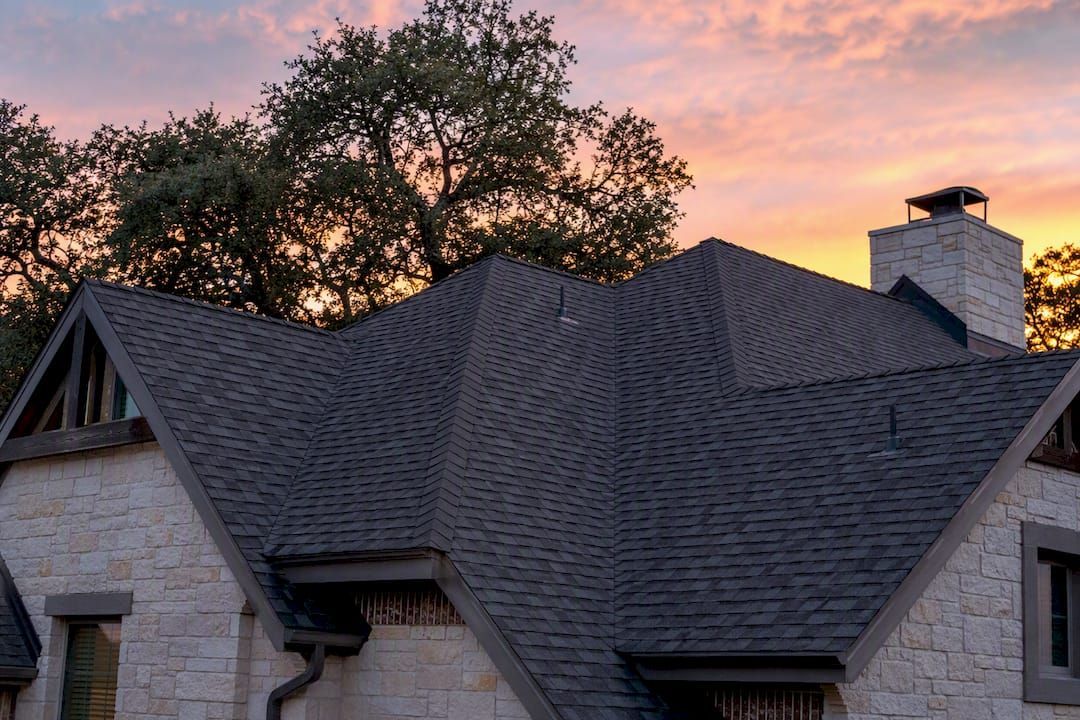
The scale of the blend matters too. A tight, fine blend looks almost solid from the curb, while a coarse, high-contrast blend reads as more textured and rustic up close.
Pro Tip: Ask to see your top blended pick in a large sample, not a paint-chip-sized swatch. Small samples flatten the visual texture that makes blends work, and you'll misjudge how busy or calm the roof will actually look.
Premium blended lines often carry longer lead times and a higher price point than basic three-tab options, so factor that into your timeline if you're working toward a hard installation date.
Steps to Sample, Approve, and Order Your Shingle Color
Getting from "I like this color" to a roof that actually gets installed involves more steps than most homeowners expect, and skipping any of them tends to cause delays.
- Shortlist 2 to 3 sample boards based on your exterior materials and climate zone.
- View them outdoors in morning light and again in late afternoon, since shingle color shifts noticeably depending on sun angle.
- Confirm accessory availability for that exact product line, including ridge caps, starter shingles, and roof vents.
- Submit HOA documentation early if your neighborhood requires design approval, since review boards often meet monthly rather than on demand.
- Lock your color and place the order once accessories and approvals are confirmed.
Local guidance from US Construction's California roofing resource points to a consistent pattern: projects stall most often because of late HOA submissions or special-order backorders on accessories, not because of the shingles themselves. Ask your contractor directly whether vents, ridge caps, and starter strips are in stock for your chosen color before you sign anything.
Popular Shingle Color Palettes for Coastal, Suburban, and Foothill Homes
Different NorCal settings tend to favor different palettes, and seeing them grouped by context makes the decision easier than staring at a color wheel.
Medium gray blends remain a safe, resale-friendly choice across most neighborhood types. They pair with almost any siding color, read as neither too bold nor too plain, and tend to age gracefully without looking dated after a decade.
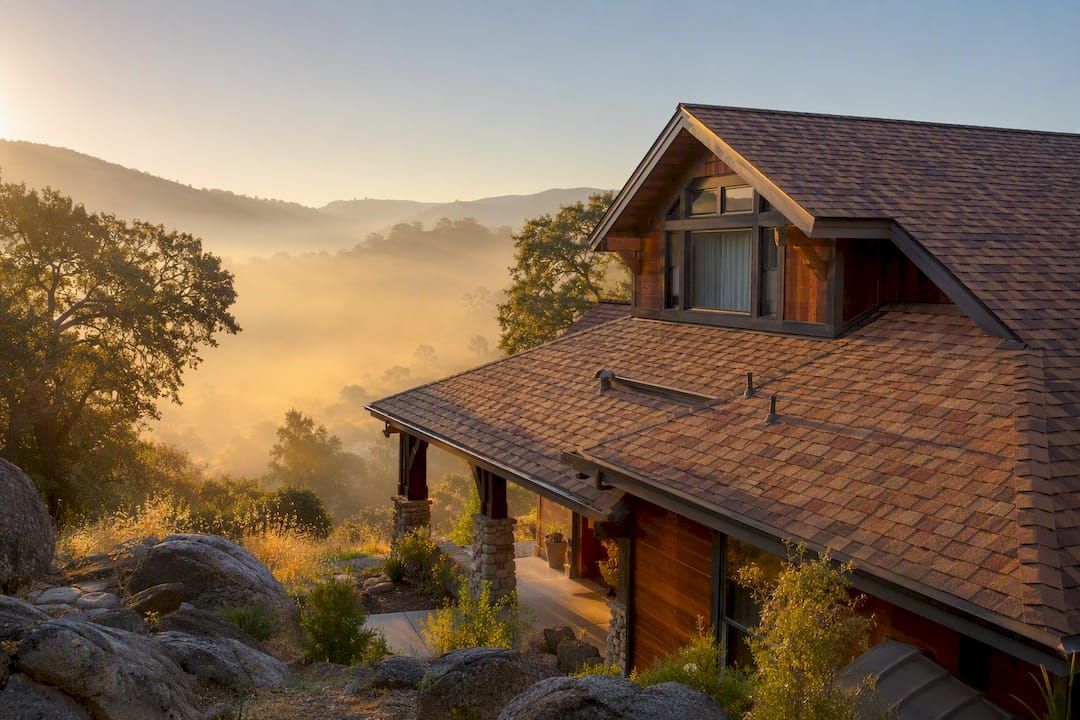
Warm brown and earth-tone blends work especially well on foothill homes with wood siding or natural stone, places like Auburn, Grass Valley, or the Sierra foothill communities where the surrounding landscape is already warm-toned. These blends echo the bark and rock tones nearby instead of fighting them.
Charcoal and near-black shingles suit modern coastal builds and contemporary stucco homes that want a crisp, architectural edge. Keep in mind the inland heat trade-off here: a near-black roof in Sacramento or Chico absorbs more solar energy than a lighter option, so weigh curb appeal against attic temperature if you're inland.
Light and cool-toned shingles make the most sense when reducing attic heat is a real priority, particularly for homes without much shade in the Central Valley. Confirm the specific product's cool-roof rating before assuming a light color automatically performs well.
How Shingle Color Ages: Algae, Staining, and Repairs
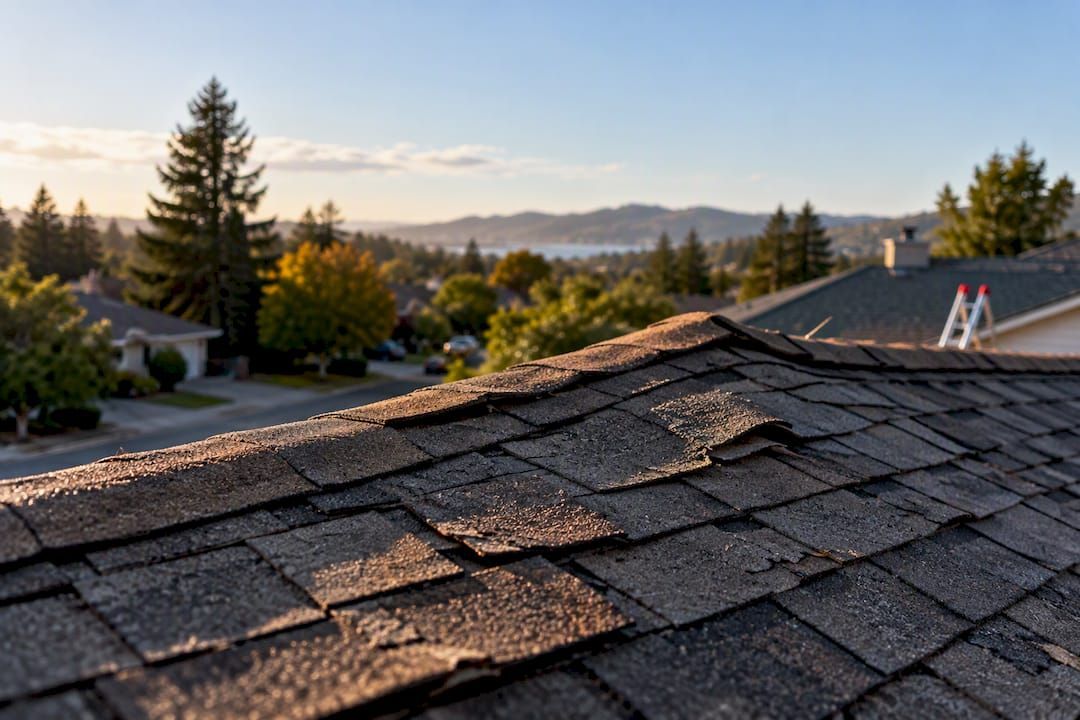
Color you choose today isn't the color you'll have in ten years, and that's worth planning for upfront. Darker shingles are good at hiding general dirt and light staining, but they can show algae streaks more visibly once moisture and shade let algae take hold, which is common in shaded NorCal yards near mature trees.
If your property has heavy tree cover or sits somewhere with persistent moisture, ask about algae-resistant shingle options rather than relying on color alone to mask the problem.
- Blended shingles tend to disguise patchiness and weathering better than solid colors, since the mixed granules already look varied.
- A solid color that fades unevenly becomes obvious fast, especially on south-facing slopes that take the most sun.
- Partial repairs almost never match weathered shingles exactly, since granules fade and lighten over years of UV exposure.
If your real goal is a color change rather than a patch job, plan for full replacement instead of a repair. A spot repair in the original color will still look mismatched next to sun-faded shingles nearby, and mixing an old batch with new stock rarely disappears the seam.
Getting Expert Help Choosing Your Shingle Color
Picking a shingle color is part design decision, part logistics problem, and Shieldguardroofing handles both sides of that equation for NorCal homeowners. As a family-owned company with 75-plus years of combined roofing experience, the team brings physical sample boards to your property, walks HOA documentation through review, and sources matching accessories before your order gets locked in.
That hands-on approach matters because contractor experience directly affects whether your final color actually matches what you approved. A few things that come standard with a knowledgeable local installer:
- Sample boards viewed against your actual exterior, not a showroom wall.
- HOA paperwork prepared correctly the first time, avoiding resubmission delays.
- Ridge caps, vents, and starter shingles confirmed in stock before ordering.
- A realistic installation timeline based on current material lead times.
Energy Incentives and Regulations That Affect Shingle Color Choices
Cool-roof requirements aren't just a suggestion in parts of California. Some jurisdictions incorporate energy code provisions that affect roofing choices on new construction and major reroof projects, particularly around solar reflectance and thermal emittance for steep-slope roofs in warmer climate zones. If you're planning a full reroof rather than a repair, ask your contractor whether your specific municipality or county has adopted requirements that apply to your project.
Beyond code compliance, there's a financial angle worth exploring separately from color alone. Certain reflective roofing products and integrated solar roofing systems, like GAF Energy's offerings, may qualify for utility rebates or federal tax credits depending on the product and your installation year. These programs change often, so verify current eligibility with your contractor or a tax professional rather than assuming last year's rules still apply.
It's also worth checking whether your specific city has its own reroofing ordinance. Some Northern California municipalities regulate roofing material types in wildfire-prone zones, which can influence not just color but the underlying material class you're allowed to install. A contractor familiar with your specific city's permit office will know these details cold, and that local knowledge saves you from redoing paperwork or, worse, redoing a roof.
Energy efficiency and code compliance aren't reasons to avoid a color you love. They're just one more filter to run your shortlist through before you lock anything in, especially if you're inland where cooling costs add up fast every summer.
Choosing a Shingle Color That Fits Your Neighborhood
Curb appeal isn't just about your own taste. It's also about how your roof reads against the houses on either side of you, and that has real financial weight when you eventually sell.
Homes that stand out too sharply from a neighborhood's established palette can actually work against resale value, particularly in tract developments or HOA communities where uniformity is part of the appeal buyers expect. That doesn't mean every roof needs to match the house next door. It means extreme outliers, a bright color, an unusual sheen, a mismatched contrast, tend to draw attention for the wrong reasons when a future buyer drives by.
IKO's guidance on picking roof shingle colors points out that neutral tones like grays and browns consistently carry the widest resale appeal, precisely because they blend into almost any streetscape without looking generic or out of place.
A practical approach: drive your own street and the two or three streets around it before finalizing anything. Note which color families repeat, which ones feel dated, and which houses with a color you like also happen to have a similar architectural style to yours. If your neighborhood leans heavily toward warm earth tones and your house is the only one considering charcoal, that's not necessarily wrong, but it's worth being a deliberate choice rather than an accident.
Resale-minded homeowners in NorCal's more traditional suburban tracts, think parts of Elk Grove, Folsom, or Rocklin, tend to do best sticking with medium grays or warm browns. Homeowners in more architecturally varied or coastal-influenced areas have more room to experiment with charcoal or bolder contrast without hurting future resale.
When to Bring in a Roofing Professional or Designer
Some color decisions are simple enough to make on your own with a few sample boards and an afternoon of comparison. Others genuinely benefit from a second set of trained eyes, especially when your house has unusual exterior materials, a complex roofline, or you're torn between two finalists that both look great in photos.
A roofing professional brings something a color app or online visualizer can't: real experience seeing how specific product lines actually perform once installed on a comparable home nearby. They also know which shingle lines are prone to running lighter or darker than their sample chip once installed at scale, a detail GAF's own color guide acknowledges, since similarly named colors from different product lines can look noticeably different in direct sun depending on granule blend.
A design consultation is worth the extra step if any of these apply to your project:
- You're choosing between two finalists and can't settle the decision through sample boards alone.
- Your home combines multiple exterior materials (stone, siding, stucco) that need to work together visually.
- You're in an HOA community with specific palette restrictions that limit your options upfront.
- You're weighing energy performance against aesthetics and want a professional read on the trade-off.
For most homeowners, a straightforward conversation with an experienced local installer covers this ground without needing a separate design fee. The Roofing & Exterior Pros guide to choosing shingles is a solid outside resource if you want another perspective before your consultation.
The Mistake Most Homeowners Make on Color
The single biggest mistake I see NorCal homeowners make is trusting an online photo or a tiny paint-chip sample over what the shingle actually looks like on a roof. Screens constantly shift color temperature, and a swatch the size of a playing card can't show you how a blend behaves across a 2,000 square foot roof plane in direct sun.
The second mistake is treating HOA approval and accessory sourcing as an afterthought instead of an early step. By the time some homeowners think to check, their preferred color is on backorder or their HOA meets again in six weeks.
Sample early. Confirm accessories early. Everything else follows from getting those two things right first.
Getting Your Shingle Color Decision Installed Right
Picking the right shade is only half the project. The other half is making sure it gets installed correctly, on time, with every accessory matched. Shieldguardroofing is the local option built for exactly this: a family-owned NorCal crew with 75-plus years of combined experience that brings real sample boards to your property, handles HOA paperwork, and sources matching ridge caps and vents before your order ever ships.
That local, hands-on process is what separates a roof that matches your vision from one that technically got installed but looks slightly off once the scaffolding comes down. Whether you're planning a full residential reroof or need color-matched repairs on an existing roof, the same sample-first, accessory-confirmed approach applies. Reach out to Shieldguardroofing to schedule a color consultation and get sample boards on your property before you order anything.
Frequently Asked Questions
Should my roof be darker or lighter than my house? It depends on your exterior materials and desired contrast. Darker roofs against light stucco create dramatic contrast, while a roof close in value to the walls reads as quieter and more traditional. Cool inland climates favor lighter shades for attic heat reduction, provided the specific shingle carries a verified cool-roof rating.
What is the most popular shingle color in Northern California? Medium gray and brown blends see the widest use across NorCal neighborhoods because they pair with most exterior materials and hold broad resale appeal, according to manufacturer guides from GAF and IKO.
Does shingle color really affect my energy bills? Yes, to a degree. Cool roofs with higher solar reflectance can lower attic heat and cooling loads, particularly in hot inland zones, though the exact benefit depends on the shingle's verified reflectance rating rather than color alone.
How many sample boards should I get before deciding? Two to three physical boards is typically enough. View them outdoors in both morning and late-afternoon light against your actual exterior materials before making a final call.
Can I match a small roof repair to my existing shingle color? Rarely perfectly. Sun exposure fades granules over years, so a spot repair in the original color will usually look slightly different next to weathered shingles nearby, even with a close color match.
Sources
For deeper technical background, Energy.gov's cool roof guidance covers reflectance and cooling load basics. Manufacturer color tools from GAF, Owens Corning, and IKO offer real product palettes, while US Construction's California guide addresses regional timing and HOA logistics.
Recommended