Most California Roof Replacements Cost $8,000 to $22,000 in 2026
Most California Roof Replacements Cost $8,000 to $22,000 in 2026
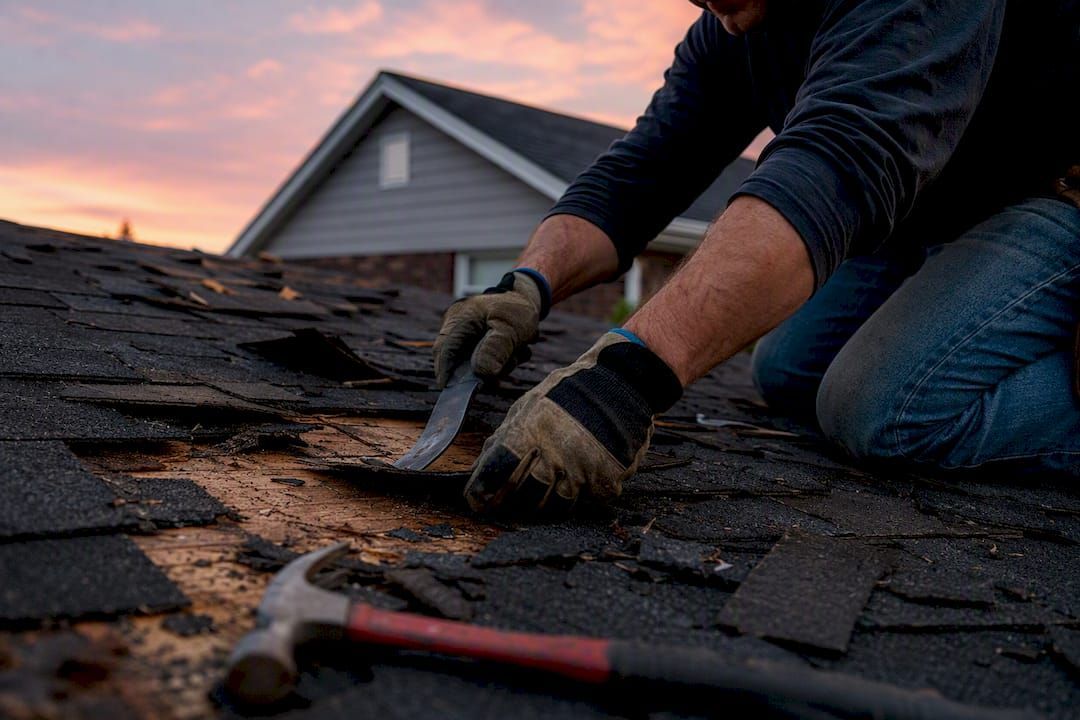
Most California homeowners pay between $8,000 and $22,000 to replace a roof, though homes with steep pitches, tile materials, or wildfire-zone requirements can push past $30,000. The three biggest swing factors are roof size, material choice, and where you live. Measure your roof or schedule a local inspection before you trust any online estimate.
TL;DR:
- Roof material choice has the greatest impact on cost, with tile, slate, and metal costing significantly more than asphalt shingles.
- Prices increase in high-cost metro areas like the Bay Area, where labor can reach $150 per hour, compared to Sacramento's 10-20% lower rates.
- Major cost drivers include tear-off and disposal, structural repairs, roof complexity, and regional permit or fire-hardening requirements.
- A proper estimate requires measuring roof area, adjusting for pitch, and adding regional or structural factors; online tools only provide rough estimates.
- Final costs often exceed initial quotes due to hidden decking damage, structural upgrades, or permit holds, making line-item bids essential for accuracy.
What Does a Roof Replacement Cost in California by Material?
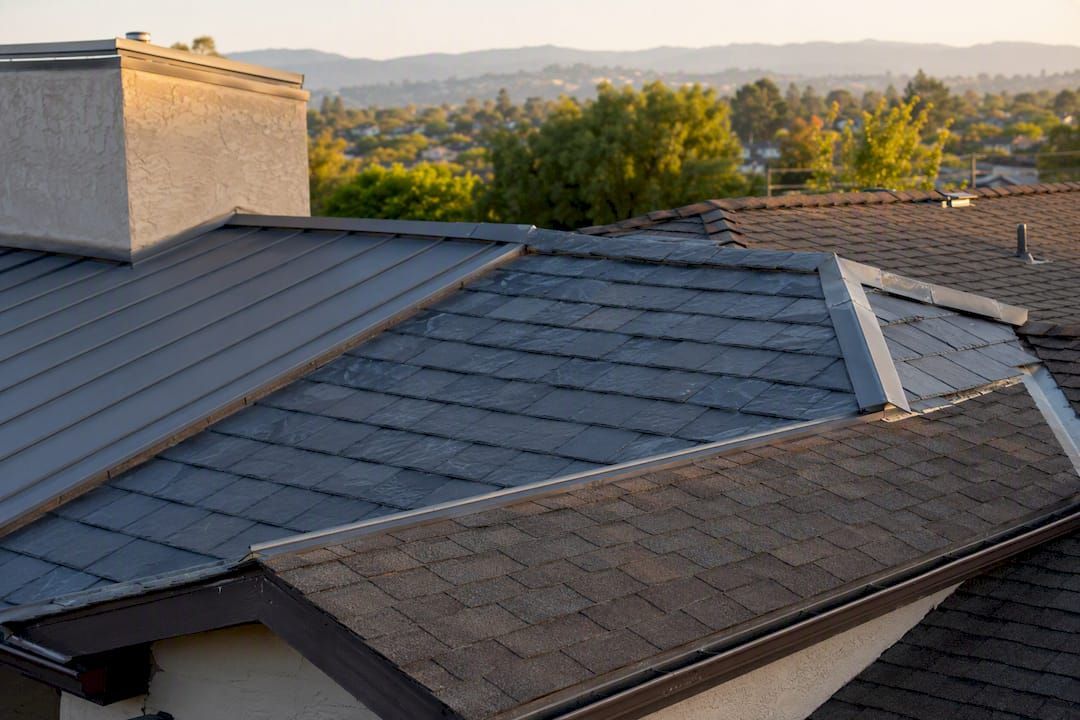
Material choice moves the needle more than almost anything else on your bid. A 1,700 to 2,000 square-foot roof's cost can vary widely depending entirely on the roofing material chosen, and the gap comes down to weight, labor complexity, and how many decades you expect to get out of it.
Here's what homeowners typically pay, installed, across common material categories:
- 3-tab asphalt shingles: $3.50–$5.50 per square foot installed; total project around $6,000–$11,000. Lifespan of 15–20 years, and it's the material most likely to fail a fire-hardening inspection in WUI zones.
- Architectural (dimensional) shingles: $5.80–$11.60 per square foot, with total project costs commonly landing between $11,000 and $22,000 for an average home. Lasts 25–30 years and carries stronger manufacturer warranties than 3-tab.
- Standing seam metal: higher cost per square foot; durable with a long lifespan, making the higher price often worthwhile.
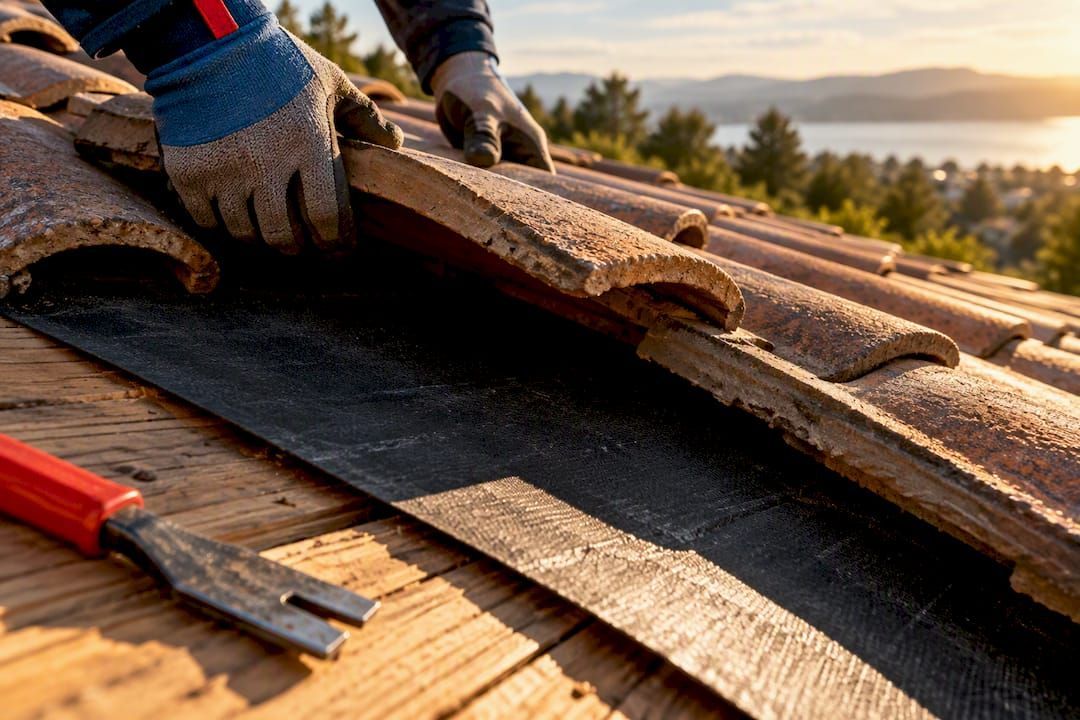
- Clay or concrete tile: $10–$18 per square foot; total frequently $18,000–$38,000. Tile requires reinforced framing in older homes, which is why bids on 1960s and 70s houses often include a structural line item.
- Synthetic slate/composite: a premium option with costs generally higher than asphalt but less than real slate. Lighter than real slate, easier to install, similar visual payoff.
- Cedar shakes: moderately expensive roofing option, with costs depending on treatment and fire ratings. Fire ratings on untreated cedar are a real problem in WUI zones, and treated versions cost more.
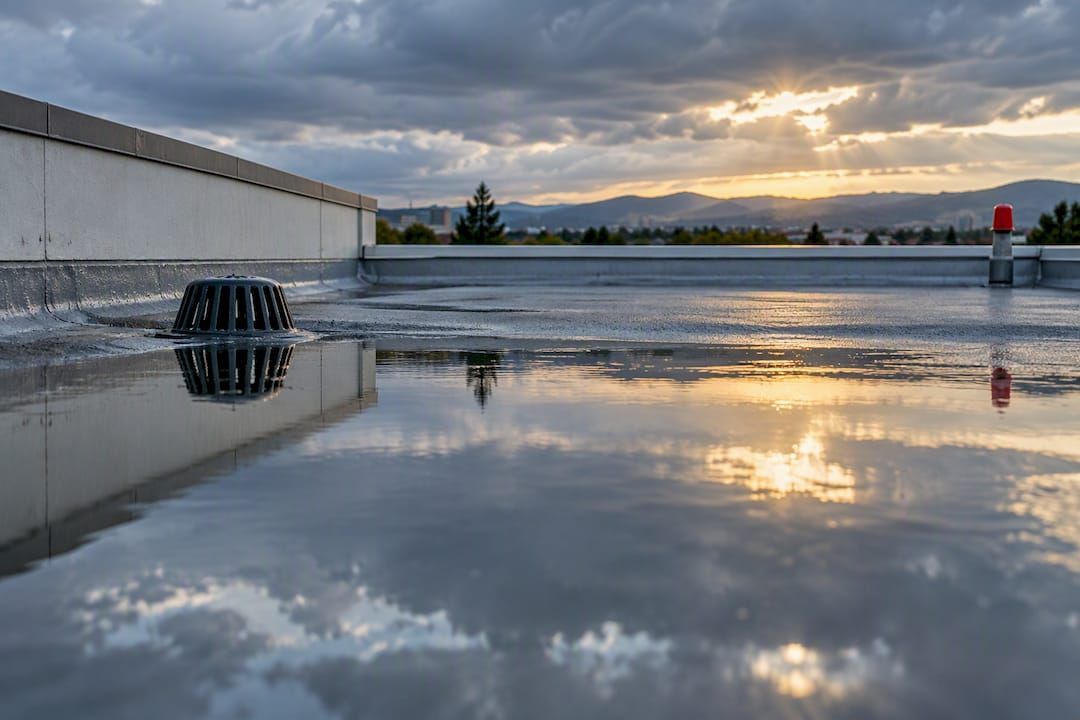
- Flat/low-slope membrane (TPO, modified bitumen): used on low-slope roofs, with cost varying significantly by project size.
The price gap between asphalt and tile isn't just materials markup. Tile and slate weigh three to five times more than asphalt shingles, which means more labor hours, sometimes truss reinforcement, and slower installation. Metal costs more per square foot but wins on longevity, and its Class A fire rating matters a lot if you live anywhere near open wildland. If you're comparing shingle grades specifically, understanding grading differences helps you avoid paying premium prices for a mid-tier product.
How Much More Does a Roof Cost in the Bay Area vs. Sacramento?
Where you live in California changes your bid by thousands of dollars before a single shingle goes on. Metro labor rates, permitting bureaucracy, and disposal fees vary enough that a statewide average can mislead you if you don't adjust for your specific market.
- Bay Area: Typically the state's highest, with total ranges from $10,000 to $30,000-plus and labor rates commonly running $75 to $150 per hour. San Francisco, Oakland, and San Jose permit offices also process slower, which can add scheduling costs.
- Los Angeles and Southern California: Runs close to the Bay Area on materials but usually 10 to 15% lower on labor, except in fire-prone hillside communities where WUI compliance adds back much of that difference.
- San Diego: Comparable to LA, with coastal wind-uplift codes occasionally requiring upgraded fastening systems on the higher end of bids.
- Sacramento and the Central Valley: Generally the most affordable major region in the state, often 10 to 20% below Bay Area pricing thanks to lower labor rates and faster permit turnaround.
- Rural Northern California: Prices vary sharply by how remote the property is; contractor drive time and material delivery both factor into the bid.
Wildland Urban Interface (WUI) zones apply their own math regardless of metro. A home in a designated fire hazard severity zone anywhere in the state can see fire-hardening requirements added to the bid, independent of whether that home sits in an expensive metro or a cheaper inland county.
What Line Items Push a Roofing Quote Higher?
Two houses with the same square footage and the same shingle can land $6,000 apart in price. The difference almost always comes down to what's underneath the old roof and how complicated the roofline is above it.
- Tear-off and disposal: Removing one layer of asphalt typically runs $1,000–$3,000; multi-layer tear-offs or suspected asbestos-containing material (common in homes built before 1980) can push disposal fees toward $2,000 or more once special handling is required.
- Decking and structural repairs: Rotted plywood or plank decking discovered mid-tear-off often adds $500 to $3,000, depending on how much of the roof deck needs replacing.
- Pitch and complexity: A steep roof (above a 6:12 pitch) or one with multiple valleys, dormers, and chimneys adds labor hours and can raise the total bid 10 to 25% over a simple gable roof of the same size.
- Solar coordination: If you have rooftop solar, removal and reinstallation is a separate quote from a licensed solar contractor and can meaningfully raise the project's total cost. Get that number in writing before you sign a roofing contract, as Alpha Solar Solutions notes in its guidance on the process.
Labor typically accounts for 40 to 60% of the total bill, with the higher end showing up in expensive metros where skilled crews command premium hourly rates. Materials make up most of the rest, alongside permits, dumpster rental, and disposal.
How Do You Calculate Your Own Roof Replacement Estimate?
You don't need a contractor on-site to get a workable ballpark. Roofers price in "squares," where one square equals 100 square feet, so the math is straightforward once you have your roof's footprint.
- Measure or estimate your roof area. Use your home's footprint (length times width) as a starting point, then multiply by a pitch factor. A moderate pitch (5:12 to 8:12) typically adds 15 to 25% to your flat footprint measurement.
- Convert to roofing squares. Divide your adjusted square footage by 100. A 1,500 square-foot footprint with a moderate pitch adjustment might land around 17 to 19 squares.
- Apply your material's per-square-foot rate. Multiply your total adjusted square footage by the material rate from the breakdown above. For architectural shingles at $5.80–$11.60 per square foot, a 1,500 square-foot home lands around $10,300–$20,700; a 2,000 square-foot home lands around $13,700–$27,600 before pitch and complexity adjustments.
- Add complexity and regional adjustments. Steep pitches, multiple valleys, and metro labor rates all layer on top of the base number.
Pro Tip: Ask every contractor for a line-itemized quote that separates tear-off, decking, underlayment, materials, and disposal. A single lump-sum number tells you nothing about where your money is actually going, and it makes comparing bids nearly impossible.
Satellite-based estimators are useful for a quick gut check, but they can't see decking rot, hidden water damage, or structural weak points that only show up once someone is standing on your roof. Treat any online number as a starting point, not a final answer.
What Do Permits, WUI Rules, and Insurance Cover?
Permit fees in California vary by jurisdiction and may include inspection fees; amounts differ widely across the state. Your contractor should pull the permit as part of the job, not leave that step to you.
- Permit fees: Budget $255–$1,000 depending on your city; larger jobs or additional structural work can push fees higher.
- WUI fire-hardening costs: Homes in designated fire hazard zones may need Class A fire-rated underlayment, metal drip edges and flashing, and ember-resistant vents. Wildfire resilience guidance outlines which upgrades apply based on your zone, and these can add several hundred to a few thousand dollars to a standard bid.
- Insurance coverage: Carriers typically cover roof replacement after sudden, specific damage, like a wind event or a fallen tree, but they routinely exclude gradual wear-and-tear or age-related deterioration. Document damage with photos and a contractor's written assessment immediately, since insurance decisions on repair versus replacement often hinge on whether the damage was sudden or cumulative.
When Should You Repair Instead of Replace?
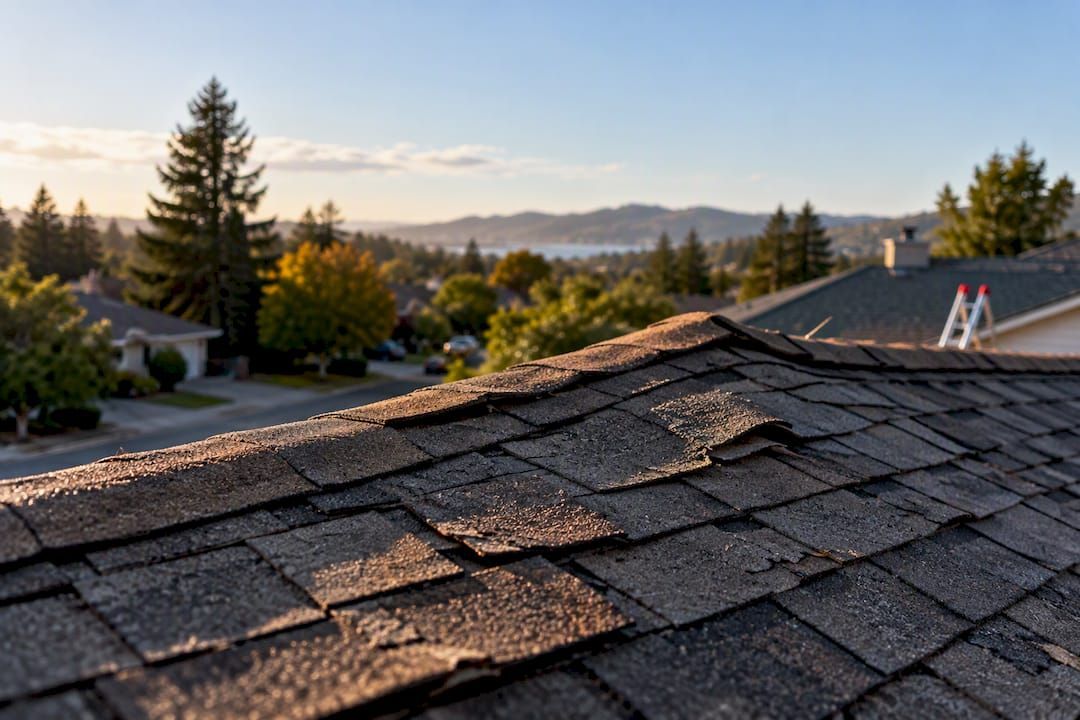
A roof missing a handful of shingles after a storm, or one with an isolated leak around a single flashing point, is usually a repair job, not a full tear-off. Full replacement makes sense once you're dealing with widespread granule loss, multiple leak points, or decking that's soft in more than one area.
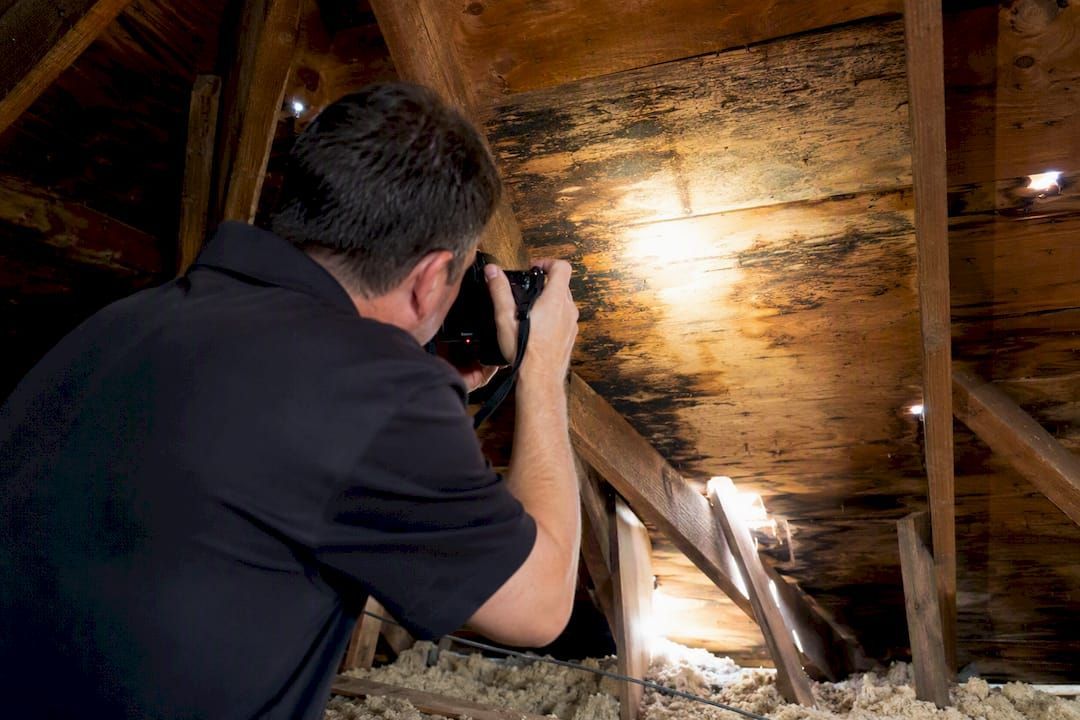
When we inspect a roof, we're checking underlayment condition, decking integrity, flashing around every penetration, attic ventilation, and any sign of rot working its way up from the eaves. One soft spot near a vent pipe is a repair. Soft decking across three sections of the roof means replacement is the smarter money.
Shield Guard Roofing has walked plenty of Northern California homeowners through staged projects when budget is tight. Replacing the worst-exposed slope first, then handling the rest within a year or two, is often the difference between doing it right and delaying it entirely. If you're weighing that decision now, our repair versus replacement guide walks through the specific signs that tip the scale.
Pro Tip: Ask any contractor doing your inspection to photograph the decking before they cover it back up. It's the easiest way to confirm you're not paying for phantom repairs, and it gives you a paper trail if you ever file an insurance claim later.
How Do You Vet a Roofing Contractor Before You Sign?
The lowest bid on your kitchen table is rarely the cheapest roof you'll ever own. Vetting contractors properly upfront saves you from change orders, warranty disputes, and unfinished work later.
- Verify license, insurance, and bond. Every legitimate California roofing contractor carries a C-39 license through the Contractors State License Board, plus general liability and workers' comp coverage. Ask for the license number and check it yourself.
- Ask for recent local references and photos. A contractor who's done five roofs in your neighborhood in the past year should have no trouble producing them.
- Clarify warranty terms in writing. Manufacturer warranties cover material defects; workmanship warranties cover installation errors, and they're not the same document. Ask which one covers what, and for how long.
- Confirm who pulls the permit, the project timeline, and the payment schedule. A typical residential re-roof takes one to three days on-site, though full project timelines from initial inspection to completed job often run two to six weeks once permitting and material ordering are factored in.
- Watch for red flags: a scope of work that's vague on materials, a bid dramatically lower than every other quote, demands for large upfront cash payments, or any contractor unwilling to put the agreement in writing.
Compare bids line by line rather than by bottom-line number alone. Two quotes for "architectural shingles" can mean two very different products once you check the actual manufacturer grade behind each one.
What Other Costs Come Up During a Roof Replacement?
The bid you sign rarely stays exactly the same number by the time the crew leaves. Structural surprises and code-driven upgrades are the most common reasons a roofing project's final invoice runs higher than the original estimate.
Decking replacement is the most frequent add-on, and it's often impossible to quote accurately until the old roofing material comes off and the crew can see the plywood or plank underneath.
Ventilation upgrades come up almost as often. Many California homes built before the 1990s have inadequate attic ventilation by current code, and a contractor doing a full replacement may recommend or be required to add ridge vents or additional intake vents. This typically adds a few hundred dollars but pays for itself by extending the life of the new roof.
Chimney and skylight flashing replacement, gutter apron upgrades, and bringing an older roof up to current wind and fire code are the other common surprises. None of these are contractor upsells in the bad sense. They're the kind of code-driven and structural realities that only surface once the old roof comes off, which is exactly why a healthy contingency budget, generally 10 to 15% above your initial estimate, protects you from an uncomfortable mid-project conversation.
Shield Guard Roofing's Take: The Estimate Is Never the Final Number
Homeowners get frustrated when a project's final cost runs higher than the original quote, but in our experience, that gap almost always traces back to hidden decking damage or a permit adder nobody could have priced before the tear-off started. That's not a bait-and-switch. It's the nature of roofing.
What actually protects you is getting three written, line-itemized bids and reading the warranty section closely before you compare prices. We've watched homeowners choose the cheapest bid on paper and end up with the weakest workmanship coverage in the stack. Our crews have worked across Northern California long enough to know which permit offices move fast, which zones carry fire-hardening requirements, and what a decking problem looks like before we even pull the old shingles.
— Cesar
Get an Accurate Roof Replacement Estimate for Your Home
Online calculators and per-square-foot averages get you in the right neighborhood, but the only way to know your real number is a contractor standing on your roof. Shield Guard Roofing is family-owned with more than 75 years of combined roofing experience across Northern California, and we've built our business on giving homeowners a straight answer instead of a padded bid.
A Shield Guard estimate includes a free on-site inspection, a fully itemized proposal that breaks out tear-off, decking, materials, and permit costs, and handling of the permit process itself so you're not chasing city paperwork. We install premium GAF, GAF Energy, and Brava Roofing products, all backed by industry-leading warranties, and we offer financing options for homeowners who want to spread out a larger project. If your roof is showing its age or you just want a real number instead of a guess, request an estimate through our residential roofing page and we'll get a crew out to look at it.
Where to Verify Rebates, Fire Guidance, and Local Permit Fees
- Check the ENERGY STAR rebate finder for regional rebates on qualifying roofing and energy upgrades.
- Review wildfire resilience guidance if your home sits in a designated fire hazard zone.
- Confirm your exact permit fees on your city or county's building department website, since amounts vary by jurisdiction.
Sources
Recommended