Property Managers: 3 Tests Before Roof Coating or Replacement
Property Managers: 3 Tests Before Roof Coating or Replacement
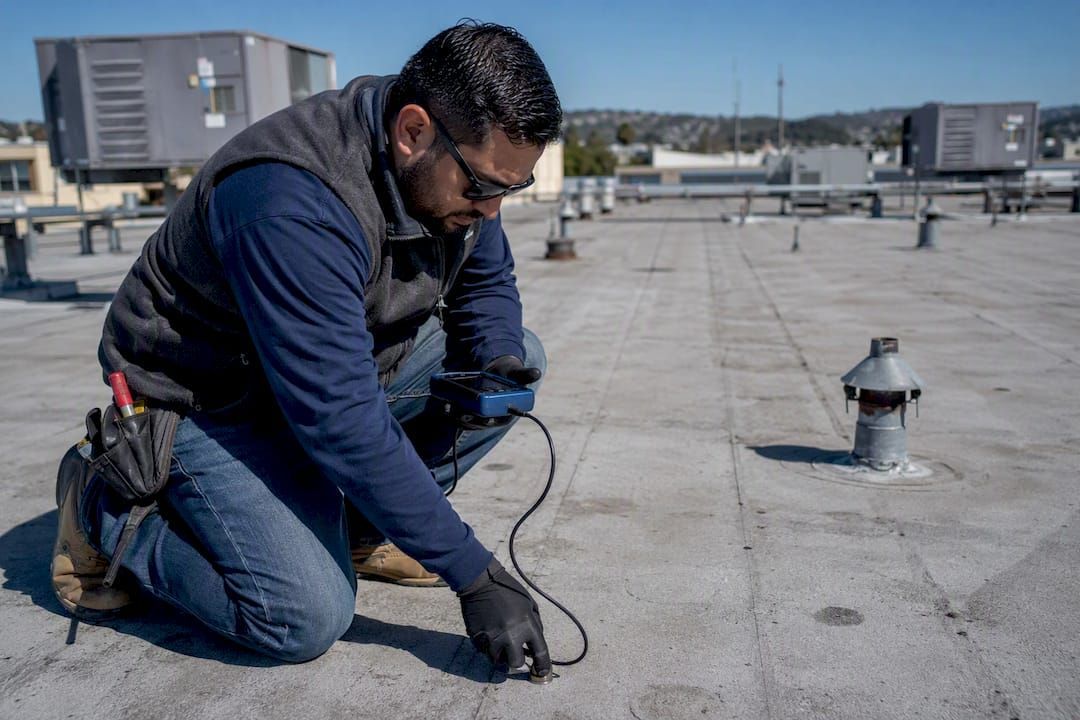
Replace it when moisture testing finds saturated insulation, a rotted deck, or widespread membrane failure beyond that threshold. The cost gap is real, but the moisture reading decides everything else. Before signing anything, schedule a moisture scan and core sample. Shield Guard Roofing has spent decades reading roofs this way across Northern California.
TL;DR:
- A roof with more than 25% wet insulation or structural damage should be replaced, not coated, to ensure long-term durability.
- Coatings cost significantly less upfront but typically last 10 to 15 years, while replacements offer 15 to 30 years of coverage with higher initial expense.
- Proper assessment requires moisture surveys, core sampling, and adhesion tests to determine if a roof is a suitable candidate for coating.
- Coating projects can be completed in 3 to 7 days, whereas replacement may take 2 to 6 weeks, impacting operational schedules.
- Insurance and code compliance depend on documented inspections; applying coatings without proper testing risks claim denials and legal violations.
Roof Coating vs. Replacement: A Quick Comparison
Think of your roof like a car with 80,000 miles on it. Some cars just need new brake pads and fresh fluids. Others need an engine rebuild. The trick is knowing which one you're driving before you spend the money.
Coating and replacement solve different problems, and the gap between them shows up fast once you line up the numbers.
- Installed cost: Coating runs roughly $2 to $6 per square foot, while full replacement lands between $5.50 and $25 per square foot depending on the system.
- Lifespan: A quality coating with a planned recoat can extend a roof 10 to 15 years before the next application; a new membrane system carries a 15 to 30 year warranty life.
- Disruption: Coating work happens with tenants and equipment in place; replacement usually means staging, noise, and limited roof access for weeks.
- Best fit: Coating suits a structurally sound roof nearing the end of its cycle. Replacement suits a roof with subsurface damage or a membrane that's simply out of runway.
Neither option is automatically the "smart" one. The roof's condition decides, not your budget alone.
What Do Coating and Replacement Actually Cost Per Year?
Sticker price tells you almost nothing on its own. What matters is cost per year of service, because a cheap coating on a roof that needs replacing costs more in the long run than doing the job right once.
Here's a simple way to run the math yourself: divide the installed cost by the expected years of service before the next major intervention.
- A coating job at $4 per square foot with a 12-year life before recoat runs about $0.33 per square foot per year.
- A replacement at $12 per square foot with a 20 year warranty life runs about $0.60 per square foot per year, but resets your clock to zero and often includes deck and insulation repairs.
Pro Tip: Ask every bidder to quote cost per square foot AND expected years of service before the next major roof event. A contractor who won't commit to a number on that second part is guessing, not measuring.
Hidden costs swing this math more than most owners expect. Disposal fees for tear-off waste, roof staging for material delivery, and insulation upgrades required by current energy code can add thousands to a replacement bid that looked competitive on paper. Coating avoids nearly all of that, since restoration work can cost 50 to 70% less than a comparable tear-off and replace, and it sends nothing to a landfill.
What Tests Determine If a Roof Qualifies for Coating?
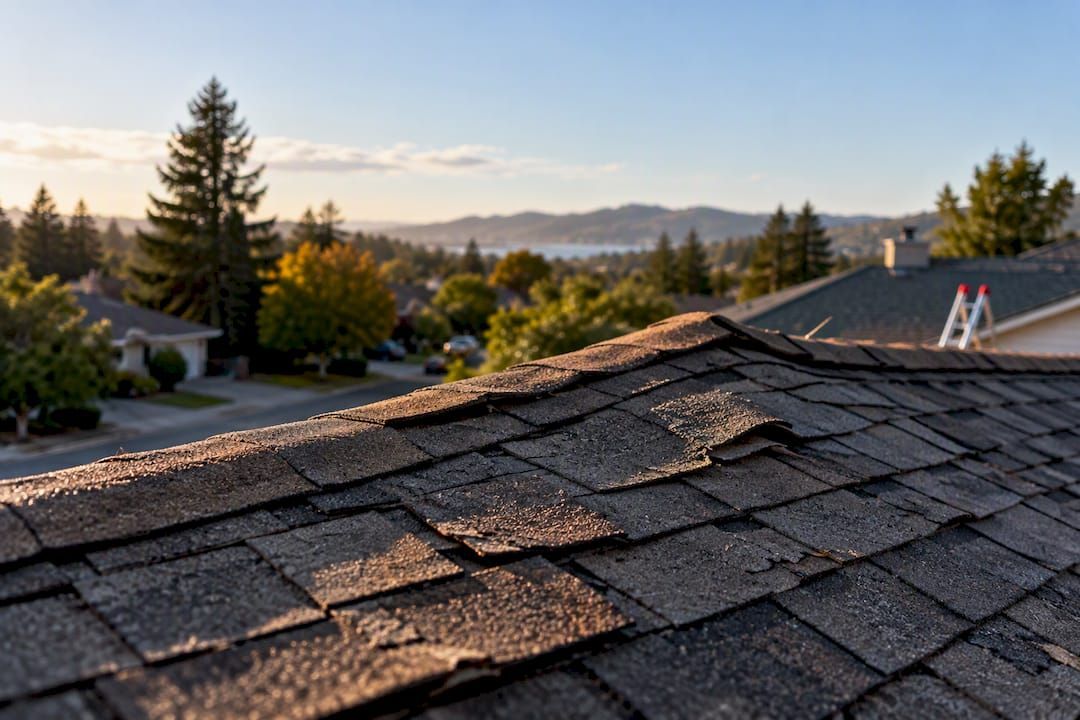
You cannot eyeball this decision from the parking lot. Coating a roof with hidden wet insulation is like painted over rust on a car frame. It looks fine for a season, then fails from the inside out.
A legitimate eligibility assessment requires three steps, in this order:
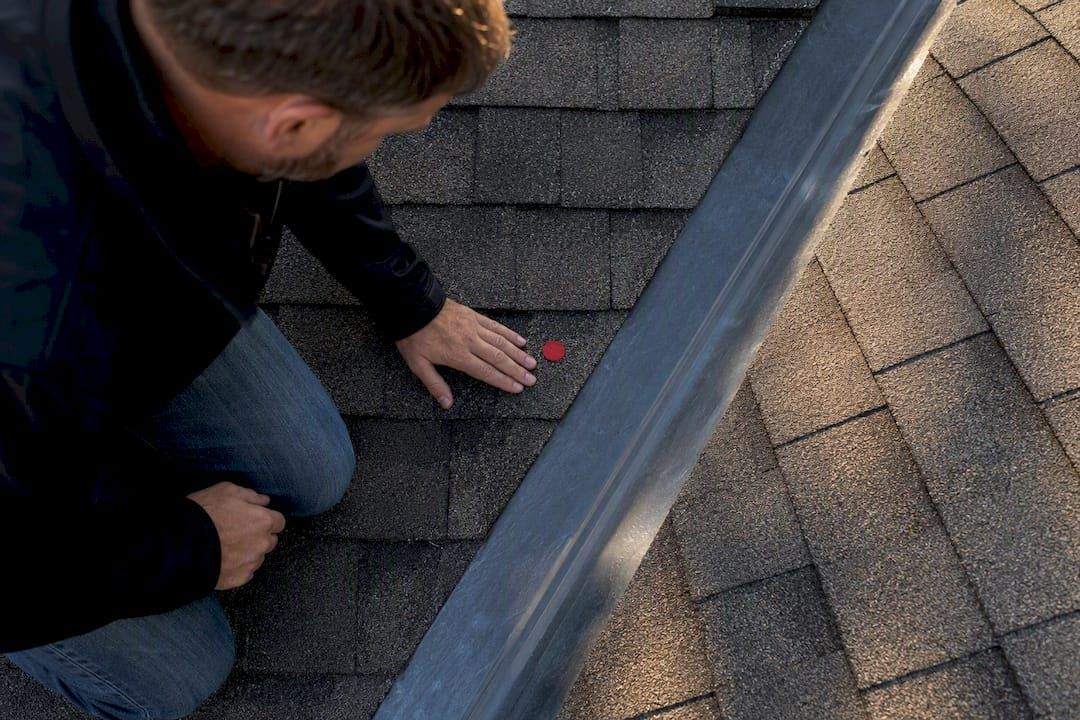
- Infrared or capacitance moisture survey. This scan maps wet insulation across the entire roof field, not just the spots with visible staining.
- Core sampling. Contractors cut small sections to physically confirm what the scan shows and check deck condition underneath.
- Adhesion testing. This confirms the existing membrane will actually bond with the coating chemistry proposed, which GAF requires before approving coating warranties on many commercial systems.
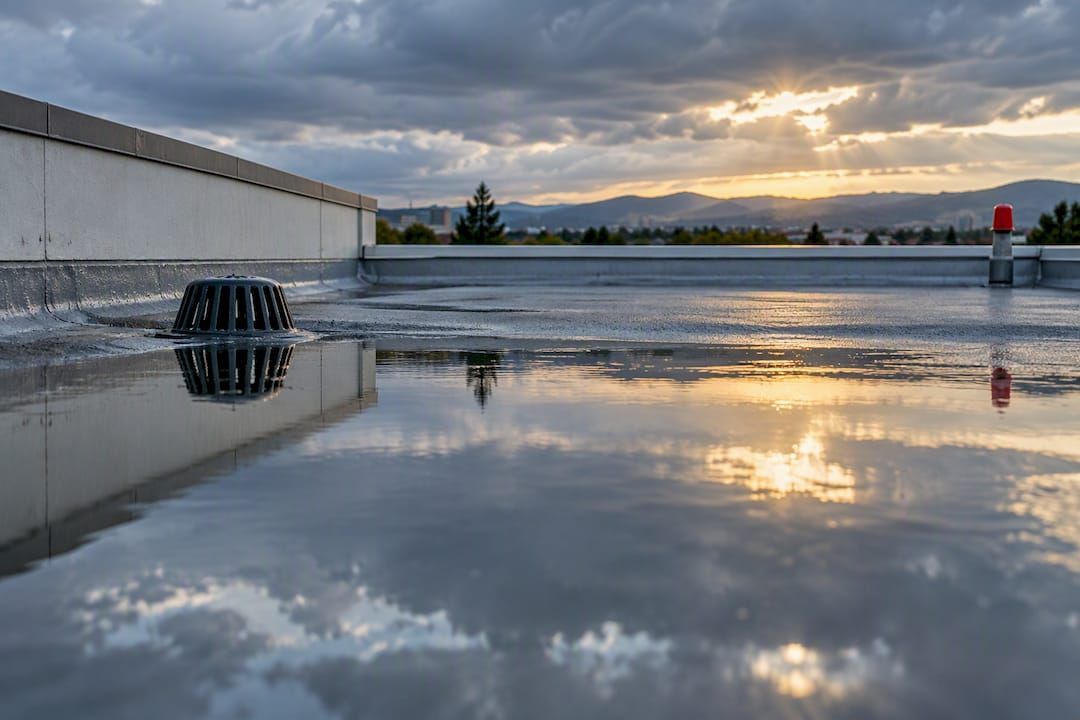
The rule of thumb the industry actually uses: if wet insulation covers roughly 25% or more of the roof area, replacement is the honest answer rather than coating. Red flags that override everything else include saturated insulation, a rotted or delaminating deck, seam failure spread across multiple roof sections, and ponding water that structural adjustments can't fix. Ask your contractor for the moisture survey report and adhesion test results in writing before you sign anything.
Pros and Cons of Coating Versus Replacing
Every roof decision involves a trade, and pretending otherwise sets owners up for disappointment. Coating wins on cost and speed but only works within its limits. Replacement wins on certainty but costs more and disrupts operations longer.
- Coating pros: Lower cost, minimal disruption, no landfill waste, improved reflectivity that can cut cooling energy demand.
- Coating cons: Fails over hidden moisture, doesn't fix a compromised deck, needs a recoat cycle to keep working.
- Replacement pros: Full reset of the system, structural issues get fixed at the same time, longest warranty terms available.
- Replacement cons: Higher upfront cost, weeks of staging and access limits, more construction waste to haul off.
If your building has rooftop equipment, occupied tenant space below, or a tight operating schedule, that operational reality often pushes the decision toward coating whenever the roof qualifies for it.
Which Coating Chemistry Fits Your Roof?
Not all coatings behave the same way once they're on the roof, and picking the wrong chemistry for your substrate is how "coating didn't work" stories get started.
- Acrylic: Economical and highly reflective, but it can re-emulsify if water ponds on it repeatedly, so it's a poor fit for low-slope roofs with drainage problems.
- Silicone: Handles ponding water and UV exposure well, resists oxidation, but tends to attract dirt over time, which can dull reflectivity.
- Polyurethane: Best impact and foot-traffic resistance, a strong pick for roofs with regular maintenance access or rooftop mechanical traffic.
- Asphaltic fluid-applied rubber: Forms a monolithic membrane fast, useful where immediate waterproofing matters more than long-term reflectivity.
The right chemistry for your building depends on substrate, slope, and traffic, not just price per gallon. Coatings aren't paint. A properly specified system includes fabric reinforcement at seams and transitions, primer, and finish coats built to work as one membrane, which is exactly why installation quality matters as much as the chemistry itself.
How Long Does Each Project Actually Take?
Coating projects move fast because there's no tear-off. Prep and localized repairs typically take a day or two, followed by primer and coat application with cure time between layers. Most commercial coating jobs finish in 3 to 7 days, weather permitting.
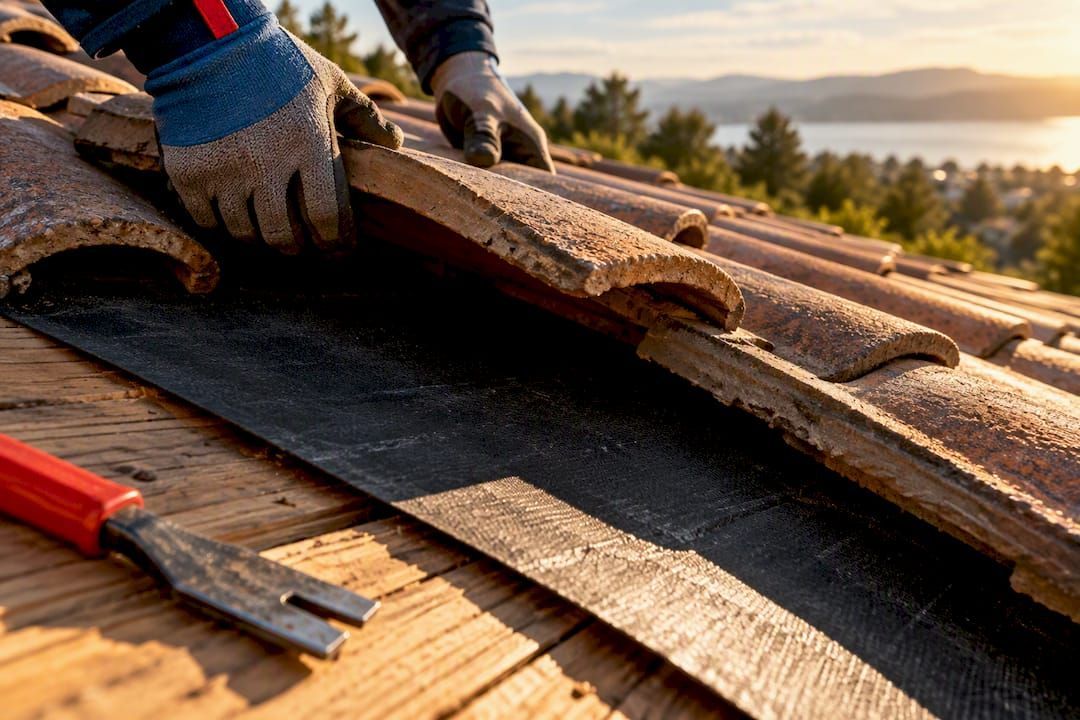
Replacement runs longer. Tear-off, deck and insulation repair, new membrane installation, and flashing detail work typically span 2 to 6 weeks depending on roof size and complexity. Many jurisdictions also cap roofs at two layers before requiring full tear-off, which affects permitting on older buildings.
- Schedule coating work during shoulder seasons to avoid cure-time delays from extreme heat or cold.
- Confirm permit requirements before replacement begins, especially on buildings with prior recover layers.
- Stage material delivery and roof access around tenant schedules to limit operational disruption.
What Warranty Should You Expect and How Often Should You Recoat?
Warranties tell you how much confidence the manufacturer has in the system, and reading the fine print matters more than the number on the brochure.
Coating warranties commonly run 10 to 20 years on a no-dollar-limit basis, while full replacement systems typically carry 15 to 30 year coverage. Both can be voided by the same mistake: applying material over moisture that wasn't caught during inspection. That's why manufacturer requirements exist in the first place.
- Inspect coated roofs annually and plan the next recoat before the current one shows granule loss or chalking.
- Inspect new replacement systems twice a year at minimum, especially after storm events.
- Get the recoat interval and warranty tier written into the contract itself, not just discussed verbally.
How Shield Guard Roofing Evaluates a Roof in the Field
We treat every commercial roof like it has a story to tell, because it usually does. Our process starts with a moisture survey and core samples before anyone talks about coating versus replacement. Skipping that step is how contractors sell coatings that fail in three years.
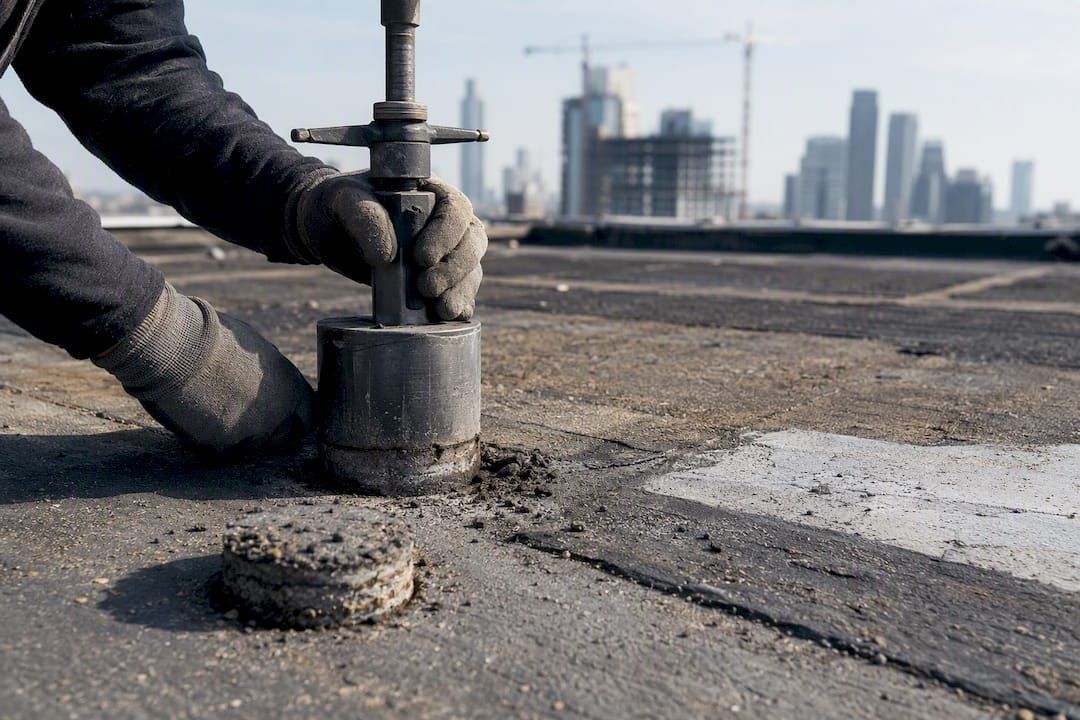
Certain findings end the conversation immediately: a deck that flexes underfoot, insulation you can squeeze water from, or seam failure across more than a quarter of the field. Any of those means replacement, full stop, regardless of budget preference.
If your roof sits in the gray zone, the smart move is a documented moisture scan before you get quotes. That report becomes your leverage in every bid conversation that follows.
How Does This Choice Affect Insurance and Code Compliance?
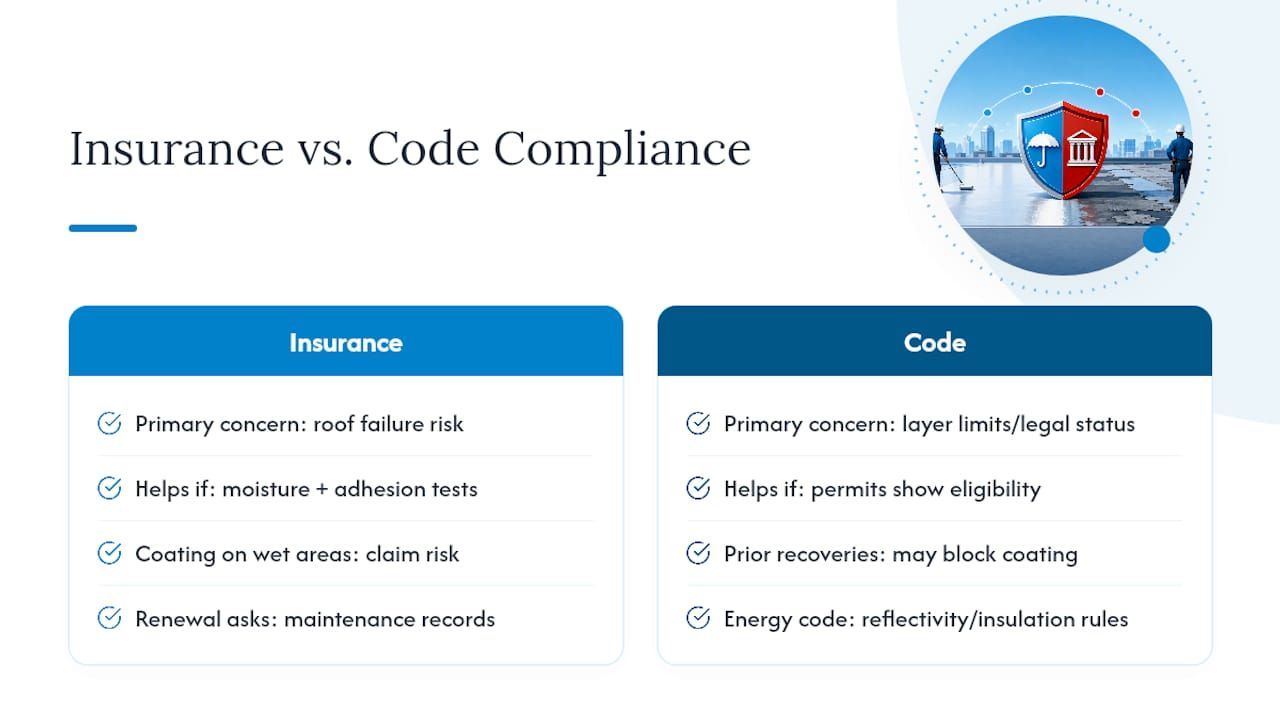
Insurance carriers care about one thing above all else: whether your roof can be trusted not to fail during the policy term. A documented moisture survey and adhesion test package can actually work in your favor during underwriting, because it shows the building owner made an evidence-based decision rather than a cosmetic patch.
Coating a roof that should have been replaced creates a specific risk. If a claim arises from a leak in an area the moisture survey flagged as wet, insurers can point to that documentation and argue the damage was pre-existing or foreseeable, which complicates a claim significantly. Carriers increasingly ask for maintenance and inspection records during renewal, and a paper trail showing regular assessments protects owners more than a single clean-looking roof photo.
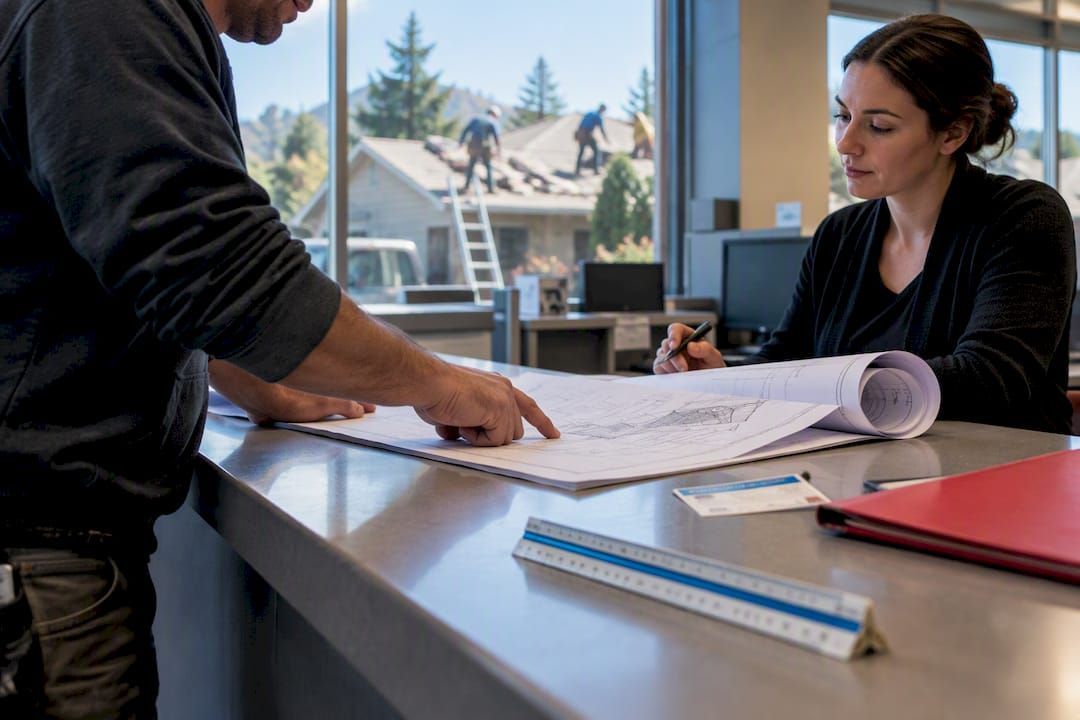
Code compliance adds another layer. Many jurisdictions cap the number of roof layers allowed before requiring full tear-off, so a building with prior recover work may not legally qualify for another coating cycle regardless of moisture readings. Energy code updates in some regions also require reflectivity or insulation upgrades at the time of replacement that a coating project wouldn't trigger. Before choosing either path, confirm with your local building department whether your roof's layer history and your jurisdiction's current energy requirements affect which option is even legally available. A contractor pulling permits should flag this before work begins, not after.
What Property Managers Get Wrong About This Decision
The biggest mistake I see isn't choosing coating or replacement badly. It's choosing before anyone actually tests the roof. Owners default to whichever option their budget prefers, then look for a contractor willing to confirm that preference. That's backward, and it's expensive when it fails.
The conventional advice treats this like a simple cost comparison: coating is cheaper, replacement is safer, pick your risk tolerance. That framing skips the part that actually matters, which is that a roof's physical condition, not your budget, determines which options are even viable. A roof with saturated insulation isn't a candidate for a "budget-friendly coating." It's a candidate for replacement, and coating it just delays a bigger repair bill.
What should come first is the moisture survey and core sample, before a single quote gets requested. That report turns a subjective argument about cost into an objective one about what the roof can actually support. Property managers who lead with data instead of price get better contractor behavior, cleaner warranty terms, and fewer surprises three years down the road.
— Cesar
Get a Field Assessment From Shield Guard Roofing
Shield Guard Roofing runs the moisture survey and core sampling before recommending coating or replacement, so you get a decision based on what your roof can actually support, not what's easiest to sell. As a family-owned company with over 75 years of combined roofing experience across Northern California, we install GAF systems, GAF Energy solutions, and Brava roofing products backed by industry-leading warranty terms.
When you request an inspection, expect a full moisture scan, documented findings, and a straight answer about whether coating or full replacement fits your building. No pressure toward the pricier option if your roof qualifies for restoration, and no false promises if it doesn't. If your roof is showing age or you inherited a building with no maintenance history, get a written assessment before your next budget cycle locks in a decision. Request a commercial roofing quote and find out which option your roof actually supports.
Sources
Recommended