Roof Repair vs Full Replacement: A NorCal Homeowner's Guide
Roof Repair vs Full Replacement: A NorCal Homeowner's Guide

Roof repair is defined as fixing localized damage to restore a roof's function without replacing the entire system. Full replacement, by contrast, means removing and renewing the complete roofing assembly when age or widespread damage compromises performance. The roof repair vs full replacement decision comes down to three factors: how much of your roof is damaged, how old the roof is, and whether repair costs approach the price of a new roof. Get this decision wrong and you either overspend on a replacement you didn't need or waste money on repairs that buy you six months before the next leak.
What factors determine when to repair a roof?
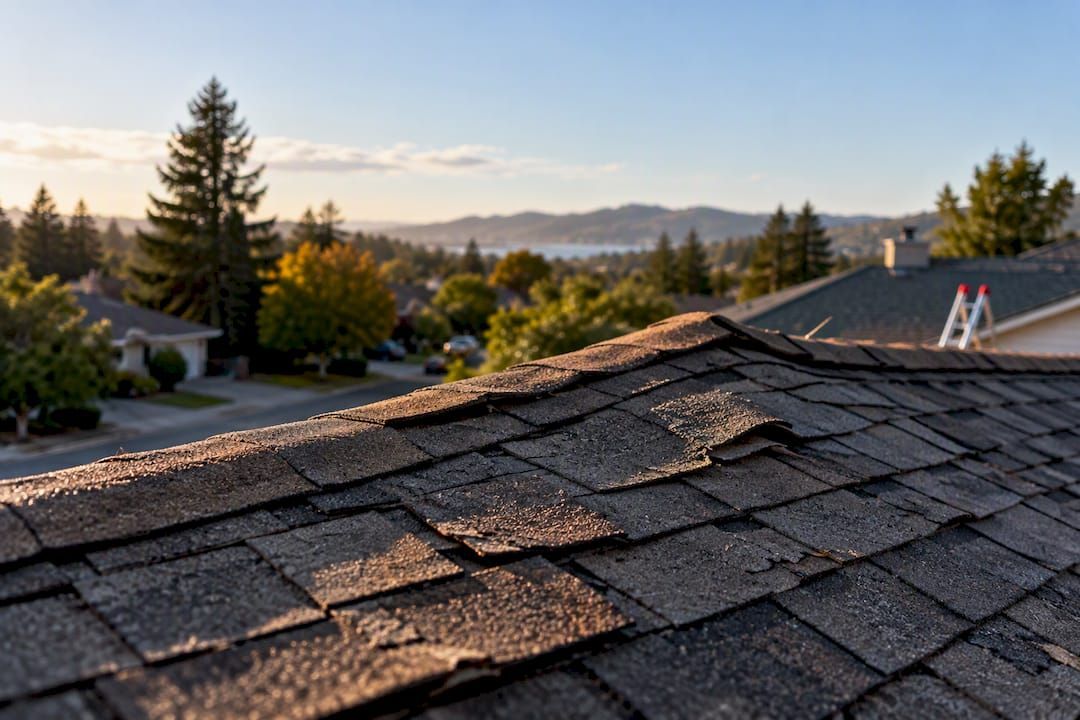
Repair is the right call when damage is isolated, moisture has not spread beneath the deck, and the roof still has meaningful life remaining. Think of it like fixing a cracked windshield. If the crack is small and contained, a patch works. If it spiders across the whole glass, you replace it.
The key repair indicators are:
- Damage is localized. A few missing shingles, a flashing failure around a chimney, or a single leak point are all candidates for repair.
- Roof age is under 15–20 years. Asphalt shingles have a design lifespan of 20–30 years. A roof under 15 years old with isolated damage almost always warrants repair, not replacement.
- Repair cost stays below 30%–50% of replacement cost. Repair costs run $200–$3,000 while full replacements range from $8,000 to $32,000 depending on material. If your repair estimate is $1,500 and replacement is $18,000, repair wins easily.
- Damage covers less than 25% of the roof surface. California building codes generally allow repairs without triggering full replacement requirements below this threshold.
- Insurance covers the repair. Storm damage to a limited area often qualifies for a claim payout that makes repair cost-neutral for you.
Pro Tip: Ask your roofer to document the exact square footage of damaged area in writing. That number determines whether you stay under the 25% code threshold and whether your insurer treats it as a repair or a replacement claim.
When does a roof need full replacement instead?
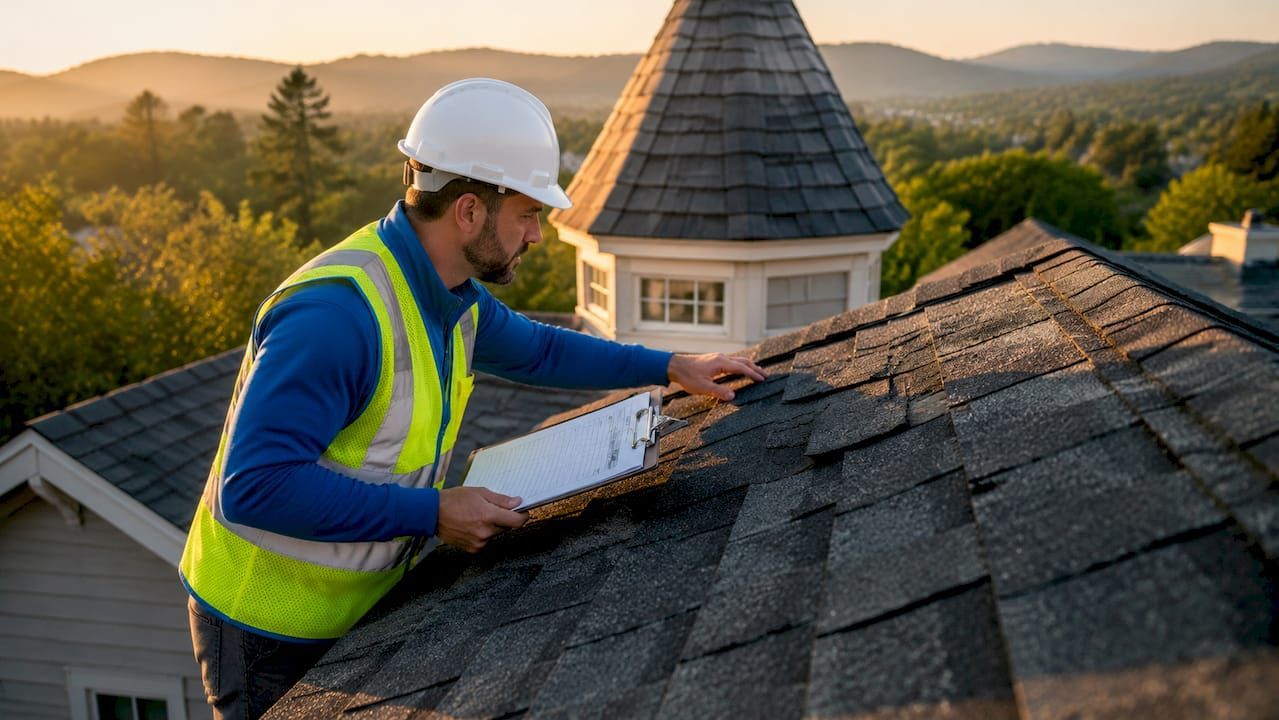
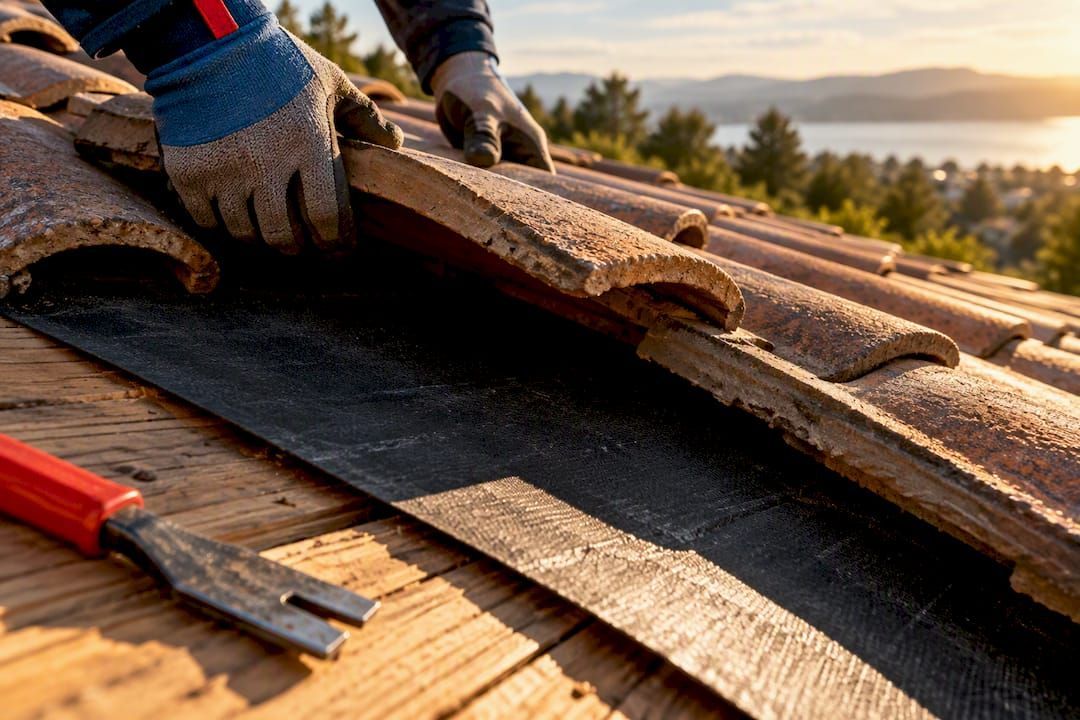
Full replacement becomes necessary when damage is widespread, the roof is aging out of its useful life, or structural problems appear. These are not judgment calls. They are clear signals that patching will not solve the underlying problem.
Watch for these replacement indicators:
- Damage exceeds 25% of the roof surface. California building codes require full replacement when damage crosses this threshold in many local jurisdictions. You do not have a choice at that point.
- The roof is 15–20 years or older. GAF notes that asphalt shingles become brittle and prone to failure past this age range. Repairing an old, brittle roof is like patching a worn tire. It holds temporarily, then fails somewhere new.
- Sagging deck or multiple leak points. Structural damage and multiple leaks signal systemic failure. No repair addresses the root cause.
- Recurring leaks after previous repairs. If you have called a roofer twice in three years for the same area, the roof is telling you something.
- Resale or compliance goals. A new roof resets your warranty, satisfies California Title 24 cool roof requirements, and gives buyers confidence.
The repair-and-repeat trap is real. Repeated small repairs typically run $1,500–$3,000 each. Three rounds of that over two years equals $4,500–$9,000 spent without solving the underlying aging problem. That money goes toward a replacement that was inevitable anyway.
How do repair and replacement costs compare over time?
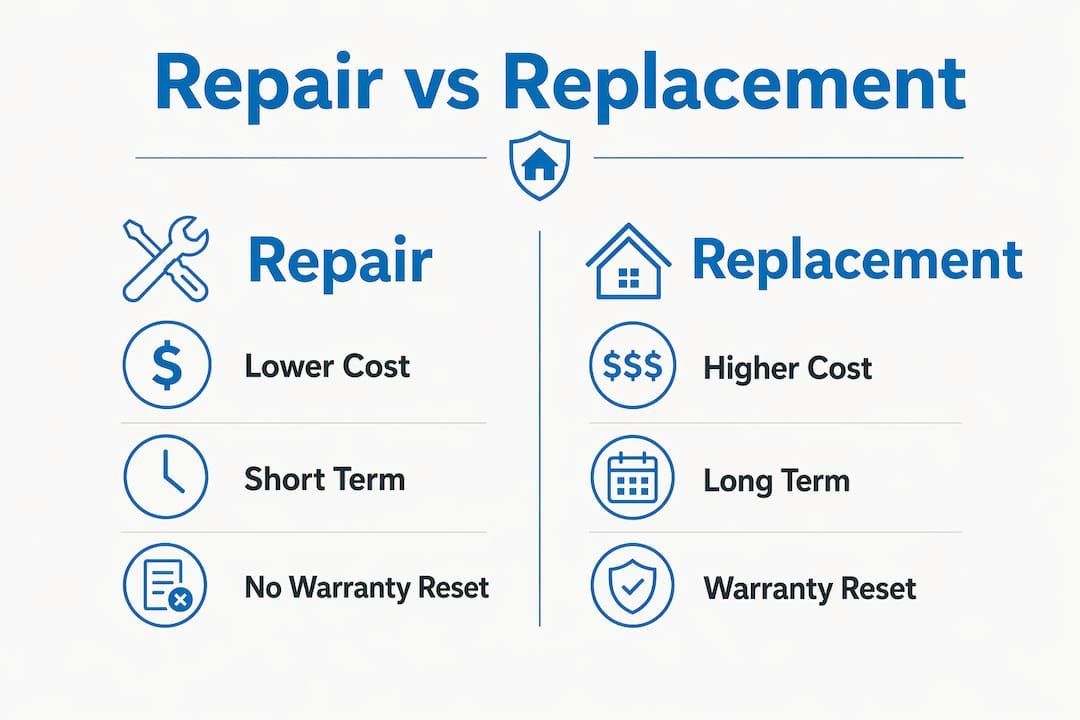
Cost is the most common reason homeowners delay the replacement conversation. The upfront numbers favor repair every time. But the long-term math often tells a different story.
| Factor | Repair | Full Replacement |
|---|---|---|
| Typical cost range | $200–$3,000 | $8,000–$32,000 |
| Warranty impact | No change | Warranty resets completely |
| Lifespan added | Months to a few years | 20–30 years |
| Code compliance | Limited by damage threshold | Full compliance achieved |
| Resale value impact | Minimal or negative (color mismatch) | Positive |
Full replacement resets the manufacturer's warranty clock, giving you new protection from day one. Repairs do not renew warranties. That gap matters when you are selling a home or filing a future insurance claim.
The 30%–50% rule is the clearest financial guide available. If your repair estimate exceeds 30%–50% of replacement cost, replacement is the better investment. A $5,000 repair on a $12,000 replacement job is a 42% ratio. At that point, you are spending nearly half the cost of a new roof to extend an old one by a few years.
Pro Tip: Get written estimates for both repair and replacement before deciding. A detailed written bid lets you calculate the cost-to-lifespan ratio and make a decision based on numbers, not gut feeling.
How do Northern California codes and climate affect this decision?
Northern California adds layers to the repair-or-replace calculation that homeowners in other states simply do not face. Two factors stand out: California Title 24 and UV-driven color degradation.
California Title 24 requires cool roof upgrades when you replace more than 50% of your roof area. Reroofing over 50% triggers compliance with cool roof standards, meaning you must use CRRC-listed materials. This adds cost to large partial repairs and often makes full replacement more cost-effective than a major patch job.
The UV exposure issue is less obvious but equally important. Color matching new shingles to weathered ones is nearly impossible in Northern California's climate. Intense sun bleaches existing shingles over years. New shingles installed in a repair will stand out visually for years, which affects curb appeal and resale value. A full replacement eliminates this problem entirely.
Additional NorCal-specific factors include:
- Storm damage claims. Northern California's wet winters and occasional high winds create storm damage that insurers may cover. Document damage immediately after a storm and contact your insurer before scheduling any repairs.
- Wildfire smoke and debris. Ash and debris accumulation accelerates granule loss on asphalt shingles, shortening effective lifespan.
- Temperature swings. Sacramento and surrounding areas see significant heat in summer and cold in winter. That thermal cycling stresses shingles and flashings faster than moderate climates.
How should you decide between repair and replacement?
The decision process works best when you follow a clear sequence rather than reacting to the first estimate you receive.
- Schedule a professional roof inspection. A thorough inspection identifies the true extent of damage, not just the visible leak. Many homeowners discover damage is either more or less widespread than they assumed.
- Get written estimates for both options. Ask for a repair estimate and a full replacement estimate from the same contractor. Comparing both gives you the data to apply the 30%–50% rule.
- Calculate your roof's remaining lifespan. If your asphalt shingle roof is 18 years old and repair adds two years of function, you are spending money to delay an inevitable replacement by a short window.
- Check your warranty status. If your current roof is still under a manufacturer warranty from GAF or a similar brand, a repair may preserve coverage. A replacement resets it entirely.
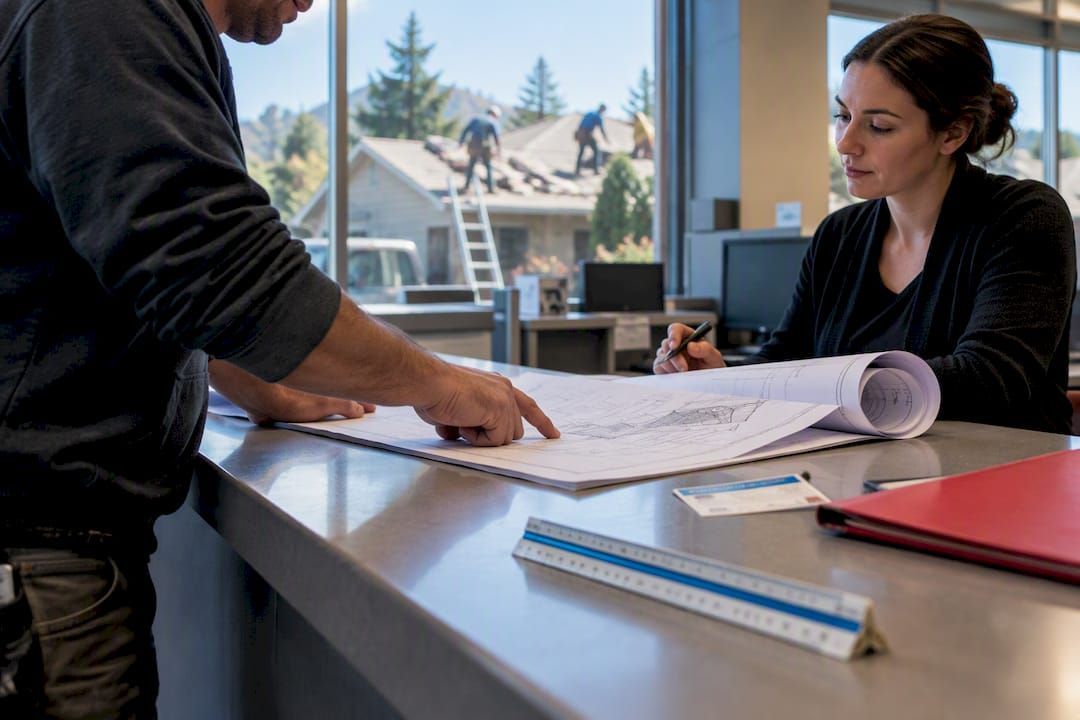
- Confirm code compliance requirements. Ask your contractor whether the repair or replacement triggers Title 24 cool roof requirements or the 25% damage threshold under local California codes.
- Factor in aesthetics and resale plans. If you plan to sell within three to five years, a mismatched repair may cost you more in resale value than the price difference between repair and replacement.
Pro Tip: Never accept a verbal estimate. A written bid protects you legally and gives you a document to compare against a second opinion. Why repairs fail is often traced back to decisions made without complete information.
Key Takeaways
The single most reliable guide for this decision is the 30%–50% rule: if repair costs approach half the price of a new roof, replacement delivers better long-term value.
| Point | Details |
|---|---|
| Use the 30%–50% cost rule | If repair exceeds 30%–50% of replacement cost, choose replacement for better value. |
| Age determines strategy | Roofs over 15–20 years old warrant replacement; younger roofs with isolated damage suit repair. |
| California codes matter | Damage over 25% of roof area and reroofing over 50% trigger specific code requirements in NorCal. |
| Replacement resets warranties | Full replacement restarts manufacturer warranty coverage; repairs leave existing coverage unchanged. |
| Get written bids for both options | Written estimates for repair and replacement let you compare cost-to-lifespan ratios accurately. |
What I've learned after years of watching homeowners make this call
By Cesar
The homeowners who make the best decision are the ones who slow down. The ones who get burned are the ones who accept the first repair quote and move on without asking what the replacement would cost.
The repair-and-repeat trap is the most expensive mistake I see. A homeowner spends $1,800 on a repair in the spring, another $2,200 the following fall, and then calls us for a third repair two years later. By that point they have spent close to $6,000 on a roof that still needs replacing. That money was gone before they ever had the full-picture conversation.
The other thing I tell every Northern California homeowner: color matching is not a minor cosmetic issue. I have seen homes where a repair made the roof look worse than the leak did. In our climate, UV fades shingles fast. A patched section on a 10-year-old roof can look like a completely different material within a season. If you are within a few years of selling, that visual mismatch can genuinely affect your offer price.
My honest advice is to treat the inspection as the starting point, not the repair call. A residential roof inspection gives you the full picture before you commit to anything. From there, get both estimates in writing and do the math. The right answer usually becomes obvious once you see the numbers side by side.
— Cesar
Let Shieldguardroofing help you make the right call
Shieldguardroofing has served Northern California homeowners for decades, with over 75 years of combined roofing experience across our team. We know California Title 24, local building codes, and the specific wear patterns that NorCal's climate creates on asphalt shingles, GAF systems, and Brava products.
When you call us, you get a detailed inspection, a written repair estimate, and a written replacement estimate. No pressure. Just the numbers you need to make a confident decision. Our residential roofing services in Sacramento cover everything from minor repairs to full GAF-backed replacements with transferable warranties. If you need roof repair in Sacramento, we will tell you honestly whether repair or replacement makes more sense for your specific situation. Contact Shieldguardroofing today for a free consultation.
FAQ
When does roof repair make more financial sense than replacement?
Repair makes financial sense when damage is localized, the roof is under 15–20 years old, and the repair estimate stays below 30%–50% of the full replacement cost. Typical repairs run $200–$3,000, making them cost-effective for isolated issues.
What triggers a full roof replacement requirement in California?
California building codes require full replacement when damage covers more than 25% of the total roof surface. Replacing more than 50% also triggers Title 24 cool roof compliance, requiring CRRC-listed materials.
Does a roof repair affect my manufacturer's warranty?
Repairs do not reset or renew a manufacturer's warranty. Only a full replacement restarts warranty coverage, giving you new protection from the installation date forward.
How do I know if my roof needs repair or replacement?
Schedule a professional inspection to assess damage extent, then get written estimates for both options. Apply the 30%–50% rule and factor in your roof's age and remaining lifespan to reach a clear decision.
Can color mismatch from a repair affect my home's resale value?
Yes. Northern California's intense UV exposure bleaches shingles over time, making it nearly impossible to match new shingles to existing ones. A visually patchy repair can reduce curb appeal and affect buyer perception during a sale.
Recommended