Preventive Roof Maintenance: What NorCal Owners Must Know
Preventive Roof Maintenance: What NorCal Owners Must Know
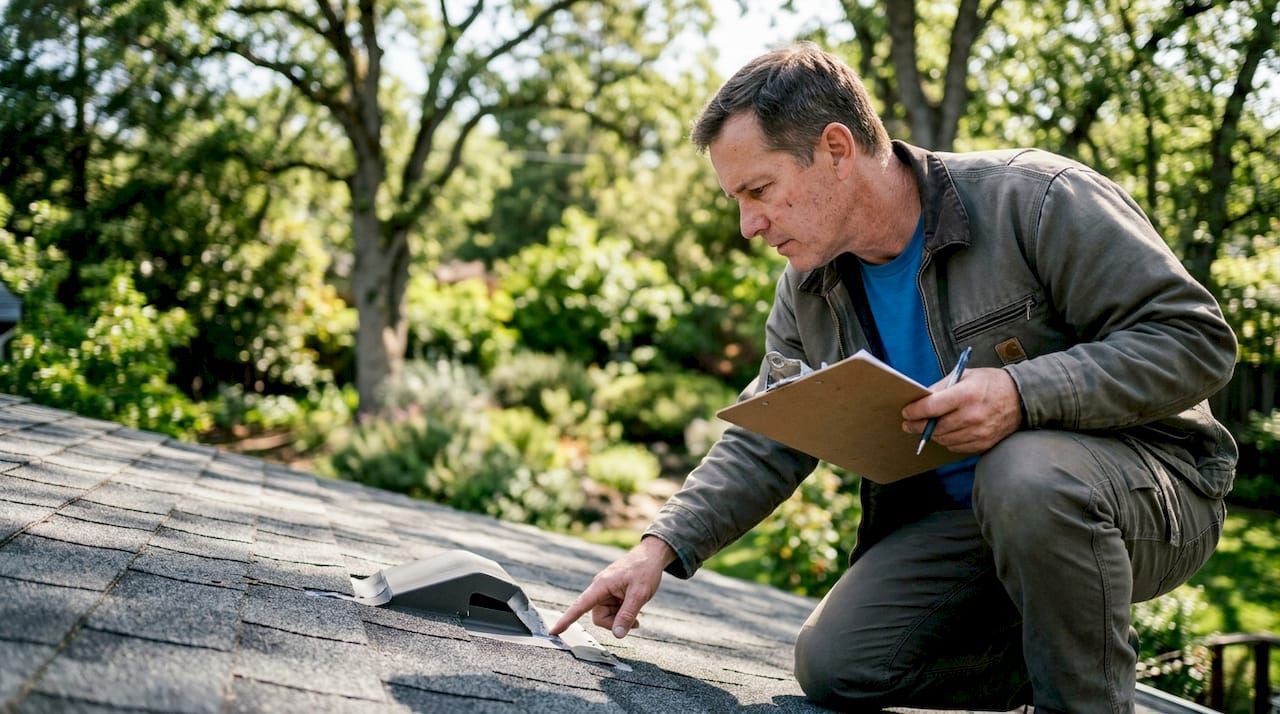
Preventive roof maintenance is defined as a scheduled, systematic program of inspection, minor repairs, and protective servicing performed before failures occur. Think of it like oil changes and tire rotations for your car. You do not wait for the engine to seize before you act. The same logic applies to your roof. For homeowners and property managers across Northern California, where seasonal rains, heat cycles, and debris from surrounding trees put constant stress on roofing systems, understanding what is preventive roof maintenance is the first step toward protecting a major investment and avoiding repairs that can run into the tens of thousands of dollars.
What does preventive roof maintenance actually include?
The industry draws a clear line between a roof inspection and preventive maintenance. Inspection versus maintenance is a distinction many property managers underestimate. An inspection produces a report. Preventive maintenance produces a report and fixes problems on the spot.
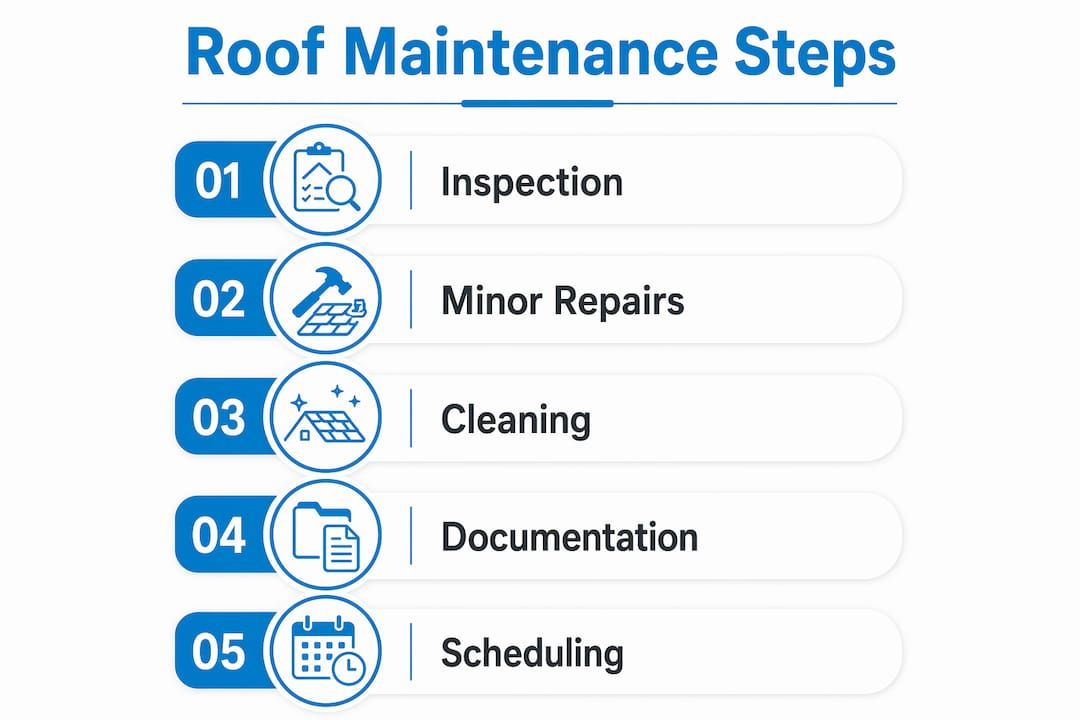
A standard preventive maintenance visit covers more ground than most owners expect:
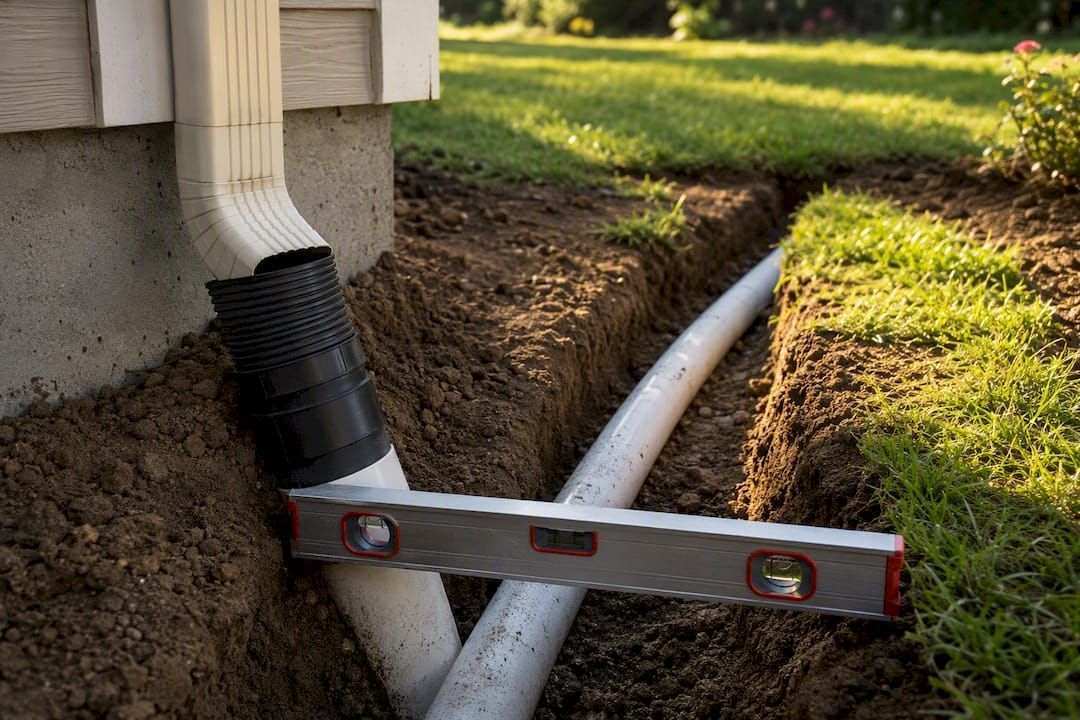
- Drain and gutter clearing: Removing debris from drains, scuppers, and gutters to prevent ponding water
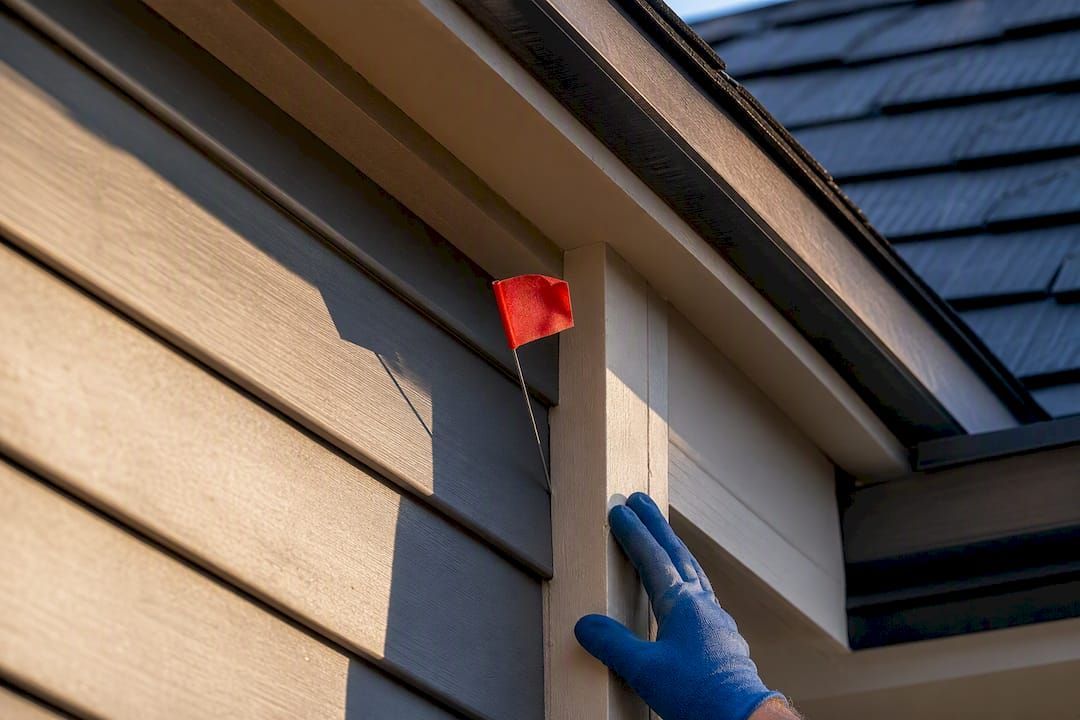
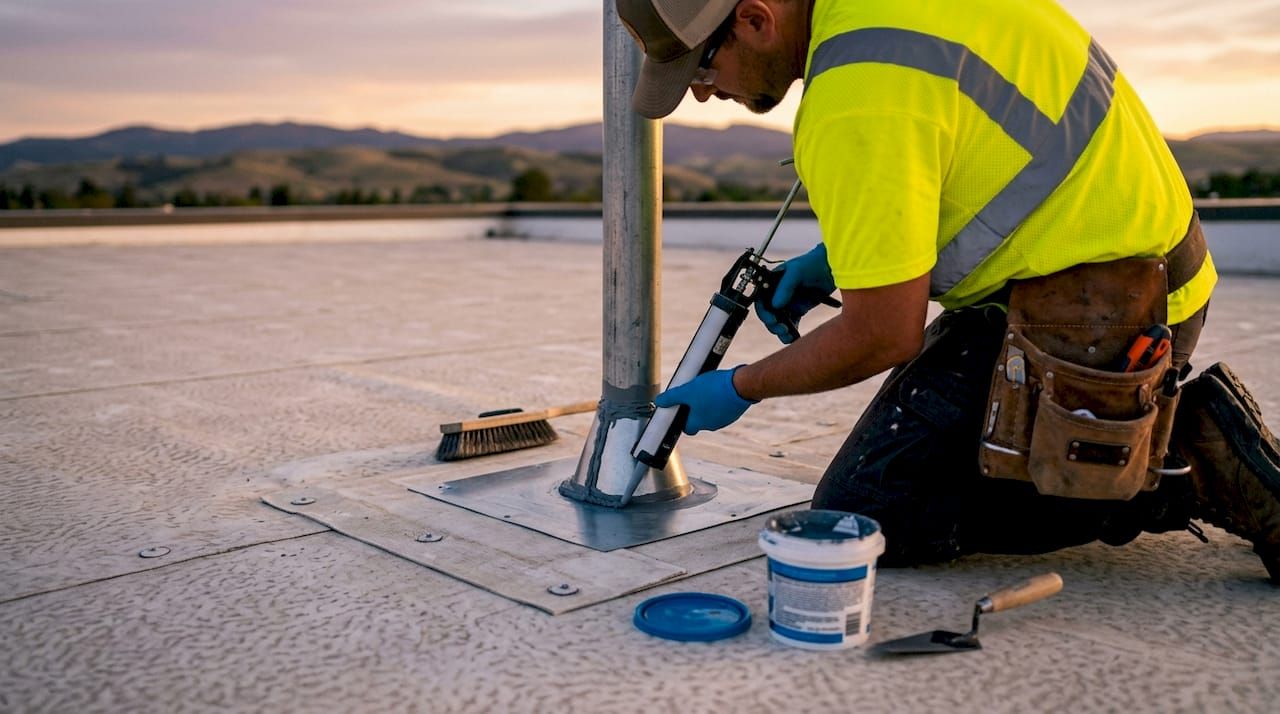
- Flashing inspection and resealing: Checking metal flashings at penetrations, skylights, and equipment curbs, then resealing any lifted or cracked terminations
- Membrane patching: Repairing small punctures or splits in the roofing membrane, typically under 6 inches, during the visit itself
- Caulk and sealant renewal: Replacing deteriorated sealant at vulnerable transition points
- Debris removal: Clearing branches, leaves, and dirt that trap moisture against the roof surface
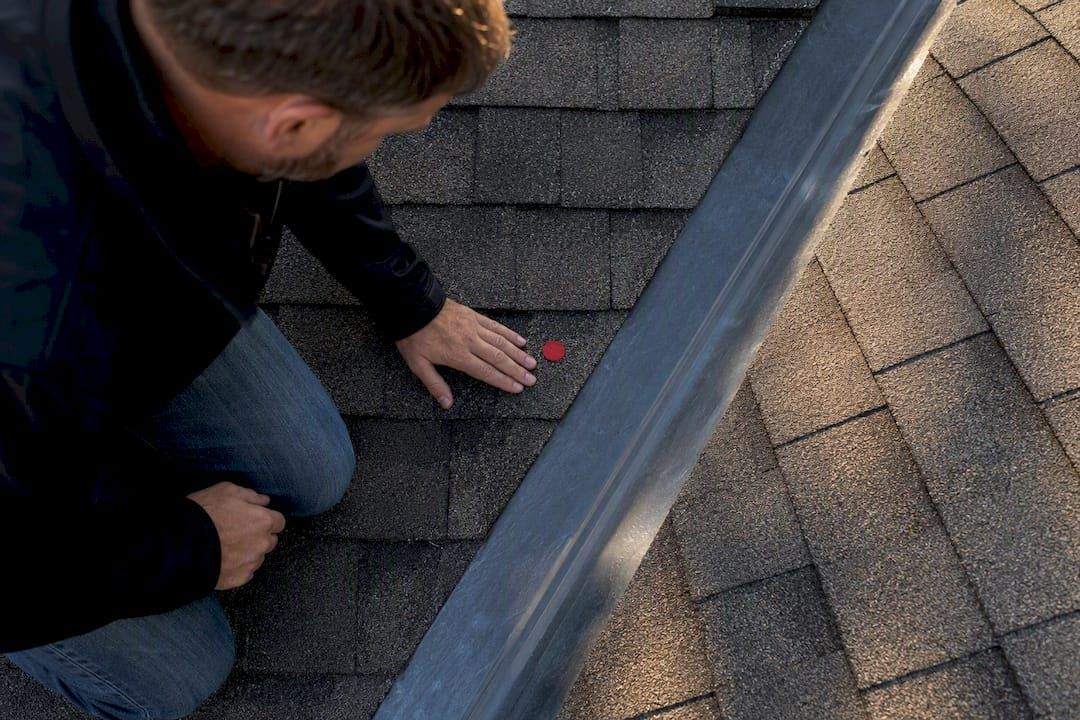
- Condition documentation: Photographing deficiencies and logging them in a written report
Some deficiencies get repaired on the spot, such as resealing flashing terminations or patching small membrane punctures. Larger repairs are documented, prioritized as urgent, routine, or monitor status, and scheduled separately. That structure keeps small problems from becoming silent failures.
Pro Tip: Ask your roofing contractor to deliver a written condition report with photos after every maintenance visit. That paper trail supports warranty claims and helps you budget for future repairs.
How often should you schedule roof maintenance in NorCal?
The standard recommendation is biannual professional checkups in spring and fall. That schedule is not arbitrary. It brackets the two most damaging seasons for Northern California roofs: the dry, scorching summer that degrades sealants and membranes, and the wet winter that tests every seam, drain, and flashing.
Here is a practical maintenance calendar for NorCal property owners:
- Spring visit (march through may): Assess winter storm damage, clear debris accumulated over the rainy season, reseal any flashings that shifted during freeze-thaw cycles in higher-elevation properties
- Fall visit (september through november): Prepare the roof for the rainy season, clear drains before the first storms, check sealant condition after summer heat exposure
- Post-storm inspection: Schedule an additional visit after any significant weather event, including heavy wind, hail, or debris-producing storms
- Post-installation check: If HVAC equipment or solar panels were added to the roof, inspect penetration seals within 30 days of installation
Many roofing manufacturers, including GAF, require documented maintenance visits as a condition of honoring long-term warranties. Skipping scheduled maintenance can void coverage you paid for at installation. That makes frequency a financial issue, not just a best practice.
What problem areas does maintenance target on your roof?
Your roof is not a single surface. It is a system of materials, transitions, and mechanical connections. Failure-prone areas like flashings at penetrations, equipment curbs, and drainage pathways receive the most focused attention during a maintenance visit because they fail first and most often.
| Roof Component | Primary Risk | Maintenance Action |
|---|---|---|
| Flashings at penetrations | Lifting, cracking, water infiltration | Reseal, refasten, or replace terminations |
| Drain assemblies | Clogging, ponding water, seal failure | Clear debris, inspect drain collar seals |
| Field membrane | Punctures, blistering, seam separation | Patch small punctures, flag large repairs |
| Caulk and sealant joints | Shrinkage, cracking, adhesion loss | Renew sealant at all transition points |
| Equipment curbs | Flashing separation from vibration | Inspect and reseal curb-to-membrane interface |
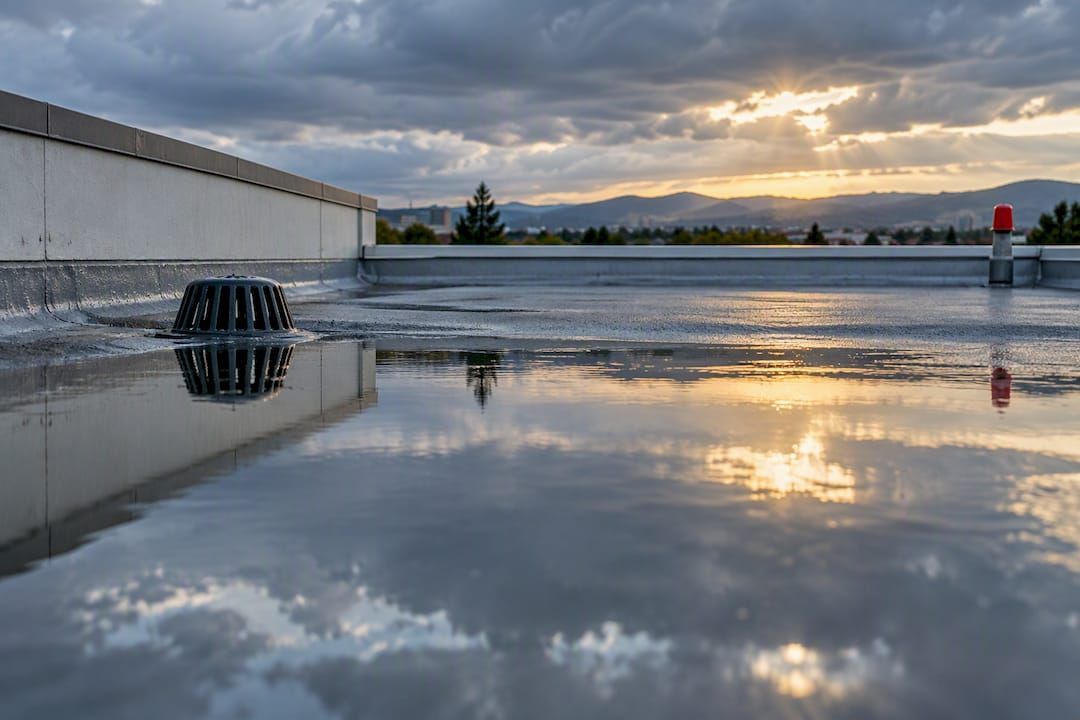
Blocked drainage leads to standing water, a major factor in roof deterioration. On low-slope commercial and multi-family roofs common across Sacramento and the Central Valley, even a few inches of ponding water accelerates membrane breakdown and adds structural load. Clearing drains is not glamorous work, but it is among the highest-value tasks in any maintenance program.
The deeper risk is at penetration interfaces. When water migrates past a failed flashing seal, it does not stop at the membrane. It travels into insulation and the roof deck, turning a $200 flashing repair into a $6,000 deck replacement. Catching issues at these transitions early is the single biggest win in preventive maintenance for low-slope roofs.
Pro Tip: On flat or low-slope roofs, walk the perimeter of every drain and penetration after heavy rain. Standing water that remains 48 hours after a storm is a sign your drainage system needs immediate attention.
What are the financial benefits of a maintenance plan?
A preventive roof maintenance plan converts unpredictable emergency leaks into planned, lower-cost repairs. The financial case is direct: a $150 seam repair during a scheduled maintenance visit prevents a $3,000 interior water damage repair later. That ratio holds across virtually every roof system type.
For property managers overseeing multi-family buildings or commercial portfolios, the benefits compound:
- Warranty protection: Maintenance documentation creates a maintenance history trail that supports warranty claims and proves compliance with manufacturer requirements
- Capital planning: Condition reports from each visit give you a clear picture of remaining roof life, so you can budget for replacement years in advance rather than scrambling for emergency funds
- Reduced tenant disruption: Planned repairs happen on your schedule. Emergency leaks happen on the roof's schedule, often during business hours or occupied periods
- Extended roof lifespan: Regular servicing can add years to a roof's functional life, deferring a full replacement that typically costs $8 to $20 per square foot for commercial systems
"Property managers use maintenance cycles both for operations and for capital budgeting and warranty compliance rather than reactive emergency fixes." — Commercial Roofing for Apartment Managers
For residential homeowners, the math is equally clear. A GAF-warranted asphalt shingle roof represents a $10,000 to $25,000 investment for most NorCal homes. Spending $300 to $600 per year on residential roof maintenance to protect that investment is straightforward risk management. The alternative is paying for repairs that dwarf the cost of prevention.
Repeatable inspection templates and consistent reporting ease maintenance tracking across a portfolio of buildings. That consistency is what separates a real maintenance program from occasional ad hoc checkups.
Key takeaways
Preventive roof maintenance is the most cost-effective strategy for extending roof life, protecting warranties, and avoiding emergency repairs on any Northern California property.
| Point | Details |
|---|---|
| Maintenance goes beyond inspection | A preventive visit includes hands-on repairs, drain clearing, and sealant renewal, not just a written report. |
| Schedule twice a year | Spring and fall visits bracket NorCal's most damaging seasons and satisfy most manufacturer warranty requirements. |
| Focus on flashings and drains | These two components fail most often and cause the most expensive secondary damage when ignored. |
| Documentation protects your warranty | Photo records and condition reports from each visit support manufacturer warranty claims and capital planning. |
| Small repairs prevent large costs | A $150 seam repair during maintenance prevents thousands in interior water damage repairs later. |
What i've learned after years of NorCal roofs
The most common mistake I see is treating preventive maintenance as cleaning. A crew shows up, blows debris off the roof, and calls it done. That is not maintenance. That is housekeeping. Real preventive work means a trained technician gets eyes and hands on every flashing termination, every drain collar, every sealant joint. Debris removal is part of it, but it is maybe 20% of the job.
The second mistake is skipping documentation. I have seen property managers lose warranty claims worth thousands of dollars because they could not prove a maintenance visit ever happened. Photos and written reports are not paperwork for paperwork's sake. They are your legal record.
Northern California's climate creates specific vulnerabilities that owners in other regions do not face at the same intensity. The Sacramento Valley's summer heat regularly exceeds 100 degrees Fahrenheit, which accelerates sealant breakdown faster than most product specs anticipate. Then the rainy season arrives and tests every joint that dried out over the summer. That cycle repeats every year. A roof that gets no attention between those seasons is aging faster than its warranty assumes.
The owners I have seen get the most out of their roofs are the ones who treat maintenance as a non-negotiable line item, not an optional expense. They schedule it in advance, they review the reports, and they act on the findings. That discipline is what separates a 15-year roof from a 25-year roof.
— Cesar
How Shieldguardroofing supports your roof year-round
Shieldguardroofing has served Northern California homeowners and property managers for decades, with over 75 years of combined roofing experience across the team. Whether you own a single-family home in Sacramento or manage a multi-unit commercial property in the Central Valley, a structured maintenance program protects your investment and keeps your warranty intact.
Shieldguardroofing offers commercial roof maintenance programs that include biannual inspections, on-the-spot minor repairs, photo documentation, and prioritized repair planning. For homeowners, the residential roof maintenance program covers all the same bases with GAF-certified workmanship and materials. If your roof needs more than maintenance, the team handles residential roof repairs and commercial roof repairs with the same standard of care. Call Shieldguardroofing today to schedule your first maintenance visit before the next rainy season arrives.
FAQ
What is preventive roof maintenance in simple terms?
Preventive roof maintenance is a scheduled program of inspection, minor repairs, and protective servicing performed before problems develop. It goes beyond a standard inspection by including hands-on tasks like drain clearing, sealant renewal, and small membrane patches.
How is preventive maintenance different from a roof inspection?
A roof inspection produces a written report identifying problems. Preventive maintenance includes the inspection plus corrective tasks completed on the spot, making it a more complete service.
How often should a roof be maintained in northern california?
Most roofing professionals and manufacturers recommend biannual visits in spring and fall, with additional inspections after major storms. Many GAF warranties require at least one documented visit per year to remain valid.
Does preventive maintenance actually save money?
A single seam repair during a scheduled visit costs roughly $150, while the interior water damage that follows an ignored seam failure can cost $3,000 or more. Consistent maintenance also extends roof life, deferring a full replacement by years.
What roofing components need the most maintenance attention?
Flashings at penetrations and equipment curbs, drain assemblies, and sealant joints require the most focused attention. These areas fail most often and cause the most expensive secondary damage when left unaddressed.
Recommended