Commercial Roof Replacement: Key Cost Factors in 2026
Commercial Roof Replacement: Key Cost Factors in 2026
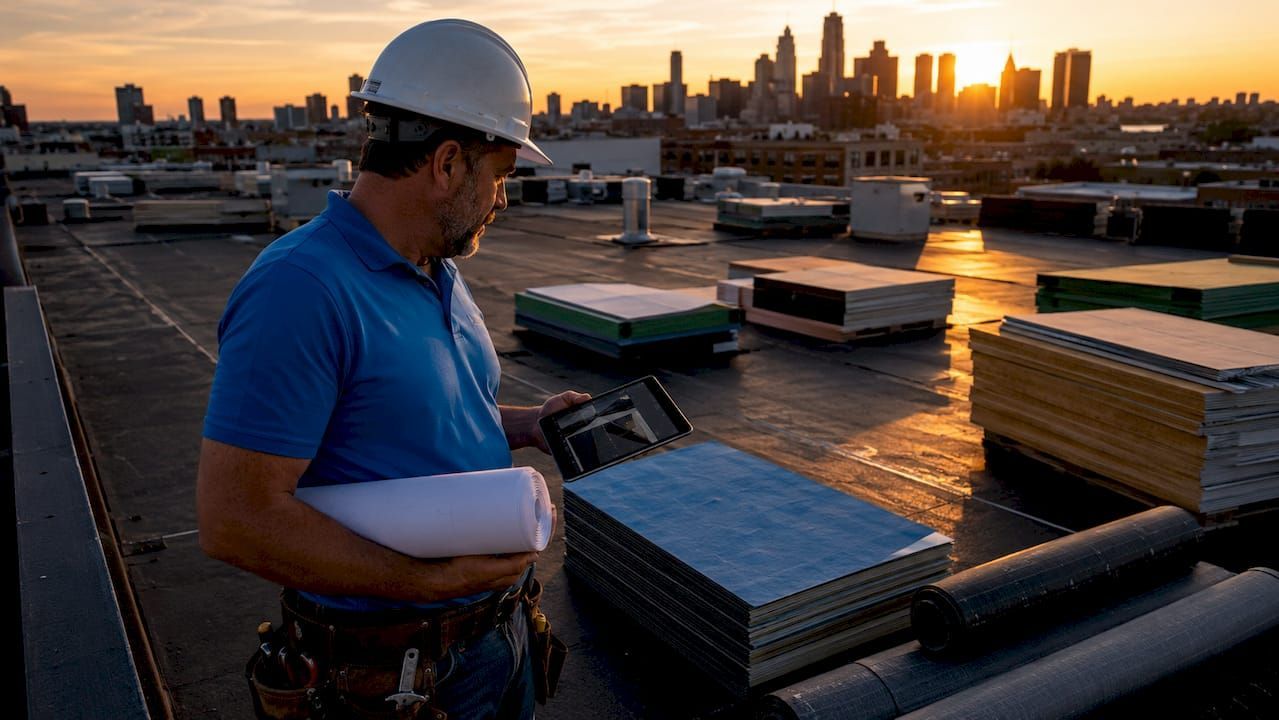
Commercial roof replacement costs are defined by six primary drivers: materials, labor, insulation, roof size, site logistics, and hidden structural damage. The national average runs $4.50 to $18.00 per square foot installed, meaning a 10,000 square foot facility can cost anywhere from $45,000 to $180,000. That wide range is not random. Every cost factor commercial roof replacement projects carry can be identified, quantified, and planned for before a contractor ever sets foot on your building. This guide breaks down each one so you can budget with confidence, not guesswork.
1. how roofing material choice drives commercial roofing costs
Material selection is the single biggest variable in any commercial roofing budget. The system you choose determines not just material costs, but labor intensity, insulation compatibility, and long-term maintenance expenses.
Here is how the most common systems compare based on installed cost per square foot:
| System | Installed Cost (per sq. ft.) | Lifespan | Labor Complexity |
|---|---|---|---|
| TPO | $9–$15 | 20–30 years | Moderate |
| PVC | $9–$15 | 20–30 years | Moderate |
| EPDM | $6–$12 | 20–25 years | Low to Moderate |
| Built-Up Roofing (BUR) | $9–$14 | 15–30 years | High |
| Metal | $13–$20 | 40–60 years | High |
Metal roofing costs the most upfront but delivers the longest lifespan, often 40 to 60 years. BUR systems require skilled torch or hot-mop crews, which drives up labor costs even when material prices look competitive. TPO and PVC are popular for flat commercial roofs because heat-welded seams create strong, watertight bonds without the labor overhead of BUR.
For a deeper look at how each system performs over time, the commercial roofing materials comparison guide from Shieldguardroofing covers 2026 options in detail.
Pro Tip: Do not choose a system based on the lowest material price alone. A $6 per square foot EPDM system that requires $3.50 per square foot in insulation upgrades and frequent repairs can cost more over 15 years than a $12 per square foot TPO installation.
2. labor complexity and site logistics as price factors in commercial roofing
Labor is the largest single line item in most commercial roofing bids. Labor accounts for 55–65% of the total project cost, depending on the roofing system and site conditions. That means on a $100,000 project, $55,000 to $65,000 goes directly to the crew.
Several factors push labor costs higher:
- Building height: Multi-story buildings require lifts, cranes, and additional safety equipment.
- Urban location: Tight city sites limit staging areas and increase equipment time.
- Roof penetrations: Every HVAC unit, drain, and skylight requires hand-flashing and precision welds.
- Union vs. non-union labor: Union crews in metro areas like Sacramento or San Francisco command higher hourly rates than non-union crews in rural regions.
- Permit and engineering fees: Urban permits and PE-stamped drawings add $3,000 to $15,000 to overhead costs alone.
Site access complexity can increase labor costs by 15–20% on its own. A building surrounded by active parking lots or neighboring structures forces crews to work slower and use more equipment. That time adds up fast.
Pro Tip: When collecting bids, ask each contractor to itemize labor separately from materials. This reveals how different crews price complexity and helps you spot bids that underestimate site difficulty.
3. insulation requirements and 2026 energy code impacts on replacement expenses
Insulation is the cost factor most property owners underestimate. The 2026 energy codes, specifically ASHRAE 90.1-2022 and IECC 2024, now require R-25 to R-35 insulation levels for most commercial buildings. If your existing roof assembly falls short, you must upgrade during replacement.
Insulation upgrades add $2.00 to $3.50 per square foot to the installed cost. On budget EPDM systems, insulation alone can represent 40% of the total project cost. That is not a footnote in your budget. It is nearly half the bill.
The cost impact goes beyond just buying more insulation board. Thicker roof assemblies create a cascade of additional work:
- Raising roof curbs to maintain proper equipment clearance
- Extending flashings to cover the added height
- Adjusting door thresholds where roof levels meet interior spaces
- Coordinating with mechanical contractors for HVAC unit repositioning
These are real labor and material costs that do not appear in a basic square footage estimate. A contractor who quotes you without walking through your existing insulation levels is leaving a major variable unaddressed.
4. roof size, shape, and complexity: what affects roof replacement cost
Roof size affects cost in two directions at once. Larger roofs reduce the per-square-foot price because fixed costs like crane rental, permits, and mobilization get spread across more area. Economies of scale lower unit costs on large industrial projects compared to small retail buildings using the same roofing system.
But size alone does not tell the full story. Roof shape and penetration density matter just as much.
Common hidden factors that increase your total replacement cost include:
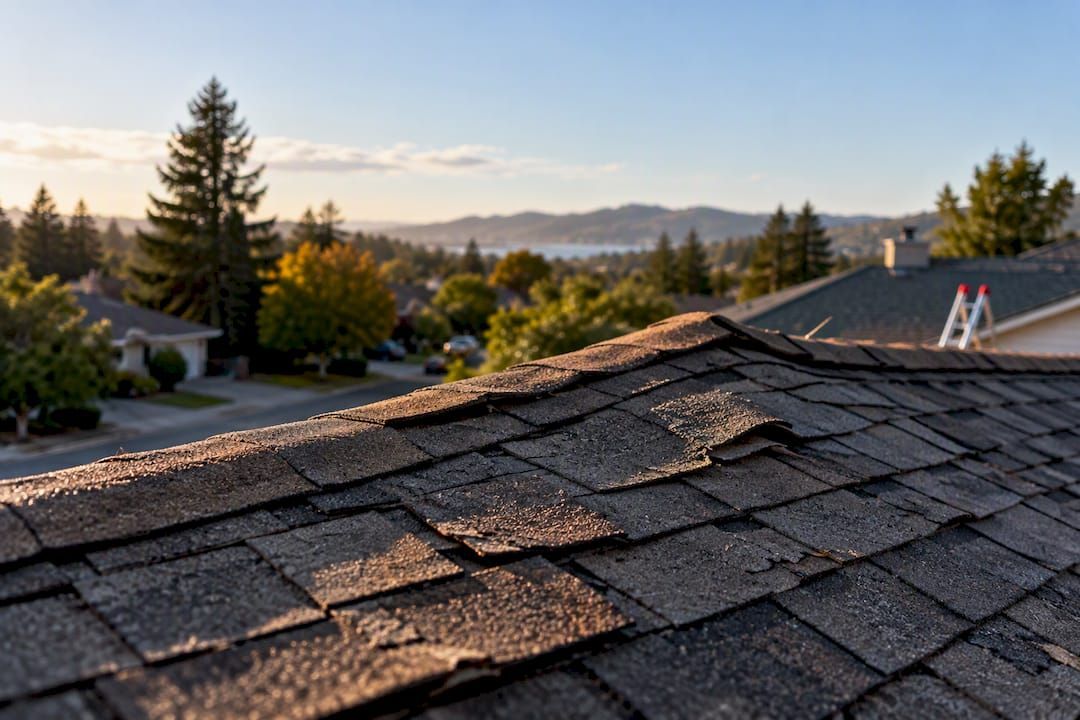
- Rotted or damaged decking: Replacing deteriorated wood or steel decking adds $3 to $7 per square foot beyond the roofing system cost.
- Asbestos in existing materials: Older BUR systems and flashings often contain asbestos. Abatement adds $3 to $8 per square foot, potentially $60,000 to $160,000 extra on a 20,000 square foot roof.
- High penetration density: Roofs with dense HVAC and drain penetrations require more hand labor and increase leak risk, raising costs beyond what square footage estimates predict.
- Multiple roof levels or slopes: Each transition point requires additional flashing, counter-flashing, and waterproofing detail work.
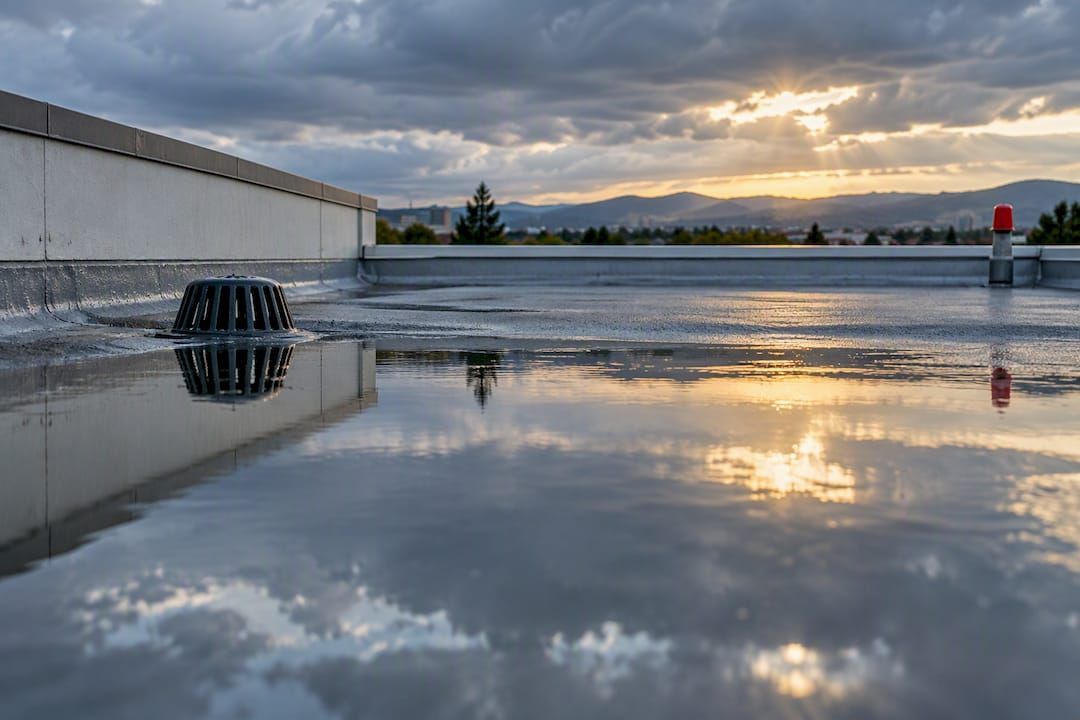
- Drainage redesign: Inadequate drainage discovered during tear-off triggers added engineering and installation costs.
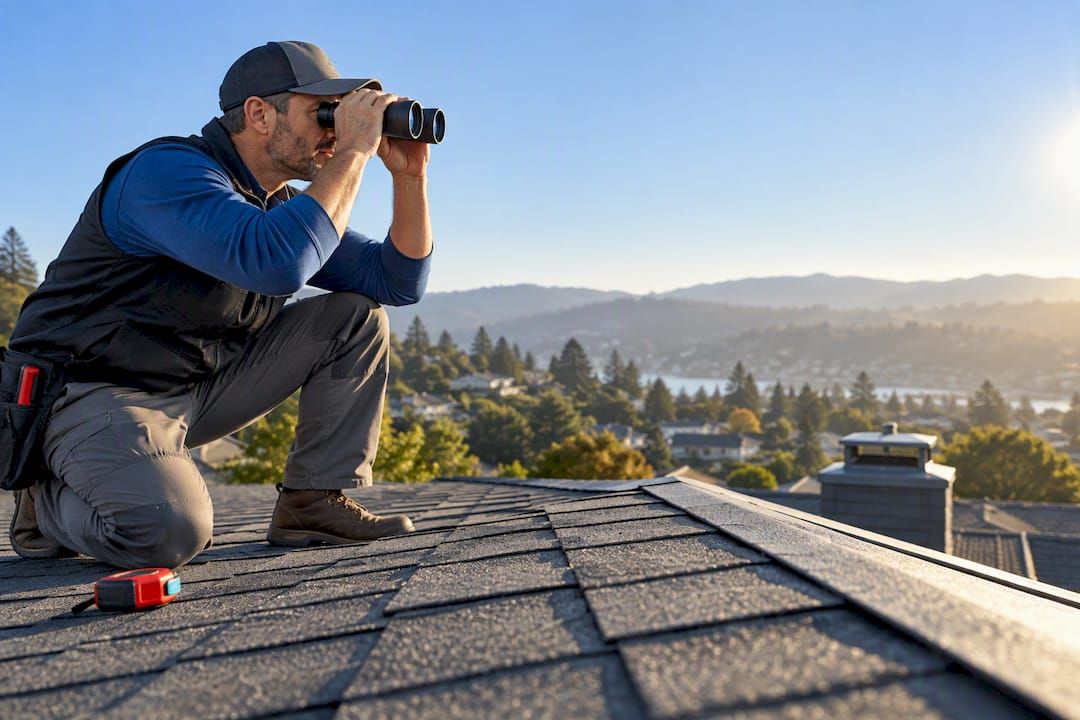
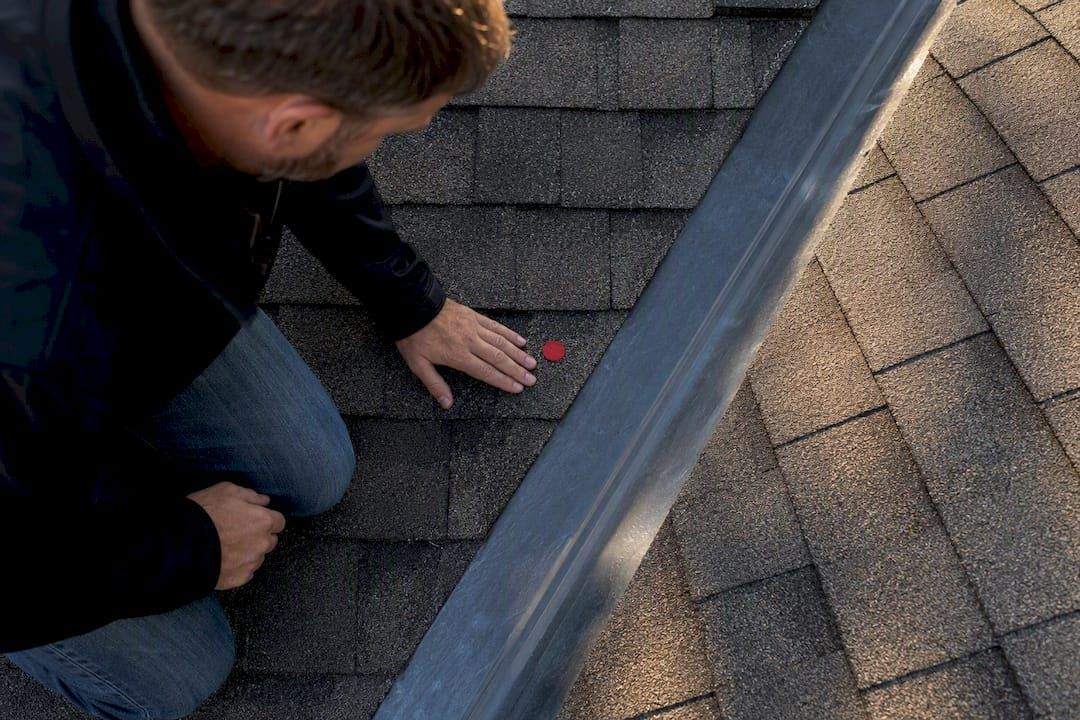
A commercial roof inspection before you solicit bids is the most reliable way to surface these hidden factors before they become budget surprises.
5. tear-off, disposal, and overhead costs often left out of estimates
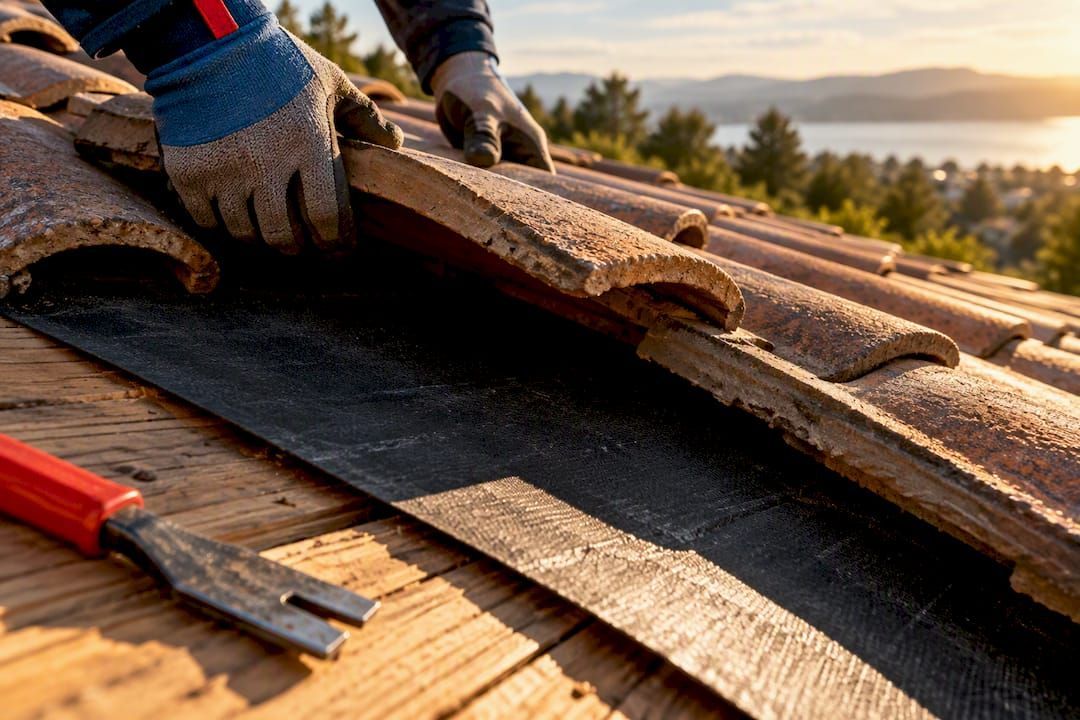
Tear-off and debris disposal are not glamorous line items, but they are real costs that some contractors bury or omit from initial quotes. Removing an existing multi-layer BUR system costs more than stripping a single-ply membrane. Each additional layer adds labor time and disposal weight.
Disposal fees vary by region and material type. Asbestos-containing materials require licensed haulers and approved landfill sites, which cost significantly more than standard roofing debris. In Northern California, disposal costs for standard commercial tear-off typically run $0.50 to $1.50 per square foot depending on system type and haul distance.
Overhead costs that often appear late in the bidding process include:
- Temporary weatherproofing if work spans multiple days
- Dumpster placement permits in urban areas
- Traffic control or parking lot closure fees
- Insurance certificates and bonding requirements specific to your property
Ask every contractor to confirm these items are included in their written proposal. A bid that looks $10,000 lower than competitors may simply be missing these line items.
6. how to build a realistic budget for roof replacement
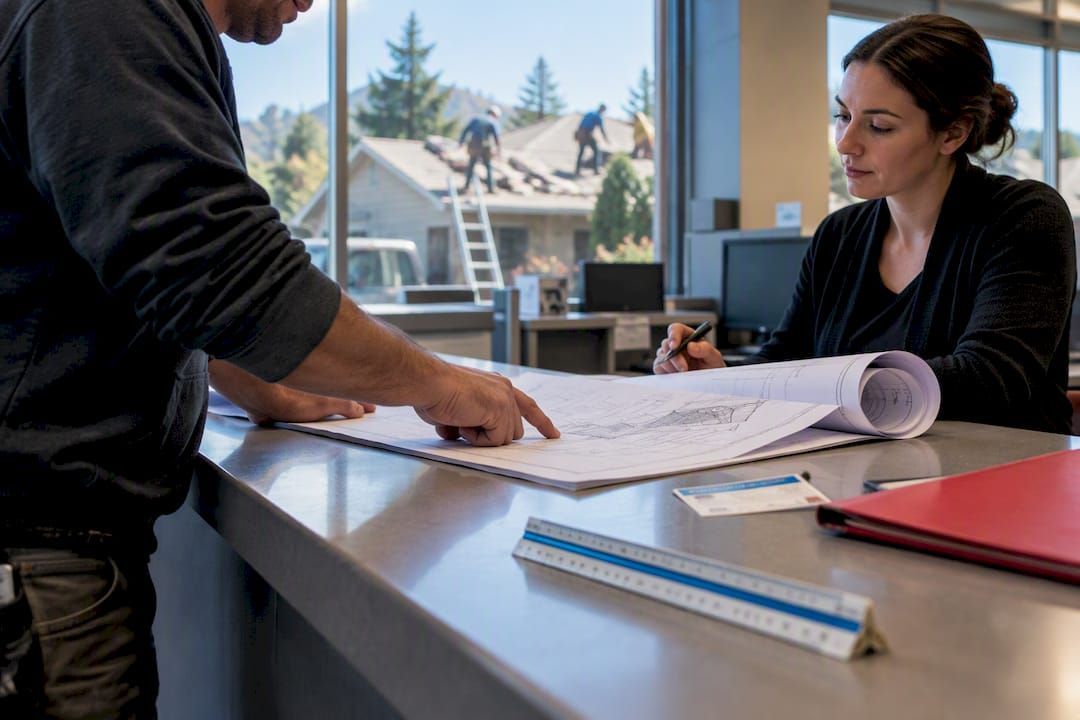
Accurate budgeting for a commercial roof replacement starts with a detailed, itemized bid from at least three qualified contractors. Getting multiple detailed proposals prevents scope gaps and protects you from low quotes that exclude critical work.
Your bid review checklist should confirm each proposal includes:
- Full tear-off and debris disposal costs
- Insulation upgrade scope tied to current energy code requirements
- Asbestos testing or documentation of existing material composition
- Permit fees and engineering review costs
- Flashing, curb, and threshold modifications for insulation height changes
- A contingency allowance of 10–15% for hidden damage discovered during tear-off
- Warranty terms for both materials and labor
Do not compare bids on total price alone. Compare them line by line. A contractor who includes asbestos testing, code-compliant insulation, and a 10% contingency in their $150,000 bid is offering better value than one quoting $130,000 without those items.
Understanding how commercial roof repair costs compare to full replacement can also help you decide whether a targeted repair extends your roof's life or whether full replacement is the smarter financial move.
Pro Tip: Ask each contractor to walk you through their insulation plan and confirm it meets ASHRAE 90.1-2022 requirements for your climate zone. If they cannot answer that question clearly, that tells you something important about their experience with 2026 code compliance.
Key takeaways
The total cost of a commercial roof replacement is determined by material choice, labor complexity, insulation requirements, roof size and condition, site logistics, and the thoroughness of your contractor's bid scope.
| Point | Details |
|---|---|
| Materials set the baseline | TPO, PVC, EPDM, BUR, and metal each carry different installed costs and labor demands. |
| Labor dominates the budget | Labor accounts for 55–65% of total cost, with site complexity adding up to 20% more. |
| Insulation is a major cost driver | Code-required insulation upgrades add $2.00–$3.50 per square foot and can be 40% of total cost. |
| Hidden damage changes the math | Asbestos abatement and rotted decking can add tens of thousands of dollars to any project. |
| Detailed bids protect your budget | Get at least three itemized proposals and compare them line by line, not by total price. |
What 20 years of commercial roofing projects taught me about budgeting
I have seen the same mistake repeat itself on commercial roofing projects more times than I can count. A property owner gets three bids, picks the lowest one, and then watches the project cost balloon 25% once tear-off reveals rotted decking or asbestos-containing flashing. The low bid was not dishonest. It was just incomplete.
The contractors who consistently deliver projects on budget are the ones who do their homework before they quote. They walk the roof, pull the building permits, review the existing insulation assembly, and ask whether asbestos testing has been done. That pre-bid diligence is not overhead. It is the difference between a project that finishes on budget and one that does not.
My strongest advice: treat any bid that skips insulation details or asbestos documentation as a red flag. Those are not optional line items in 2026. They are code requirements and legal mandates. A contractor who omits them is either inexperienced or hoping you will not notice until the project is already underway.
Early inspection is also the most underused tool in commercial roofing budgeting. A thorough inspection before you solicit bids gives you leverage. You know what is under the membrane before anyone starts quoting. That knowledge protects you from surprises and gives you a basis for comparing bids honestly.
— Cesar
Get a straight answer on your commercial roofing costs
Shieldguardroofing has spent over 75 combined years helping Northern California property owners and facility managers plan commercial roof replacements without the budget surprises. The team handles everything from pre-bid inspections and asbestos documentation to code-compliant insulation planning and full project management.
If you are ready to get a detailed, itemized quote that accounts for every cost factor, Shieldguardroofing is the team to call. The company's commercial roofing services cover Sacramento and the surrounding Northern California region, with transparent pricing and no hidden scope gaps. Contact Shieldguardroofing today to schedule your inspection and get a proposal you can actually build a budget around.
FAQ
What is the average cost of commercial roof replacement?
The national average runs $4.50 to $18.00 per square foot installed, with a 10,000 square foot facility typically costing $45,000 to $180,000 depending on system type and site conditions.
How much does labor add to commercial roofing expenses?
Labor represents 55–65% of the total bid on most commercial projects. Site complexity, building height, and roofing system type all influence where your project falls in that range.
Do 2026 energy codes affect my roof replacement budget?
Yes. ASHRAE 90.1-2022 and IECC 2024 require R-25 to R-35 insulation levels, adding $2.00 to $3.50 per square foot to your project cost and triggering additional curb and flashing modifications.
What hidden costs should i watch for in commercial roofing bids?
Asbestos abatement, rotted decking replacement, permit fees, and insulation upgrades are the most common items missing from low bids. Always request a fully itemized proposal before signing a contract.
How many bids should i get for a commercial roof replacement?
Get at least three detailed, itemized proposals. Comparing bids line by line, rather than by total price, is the most reliable way to identify scope gaps and protect your budget.
Recommended