How Roof Coatings Work Explained for Property Owners
How Roof Coatings Work Explained for Property Owners
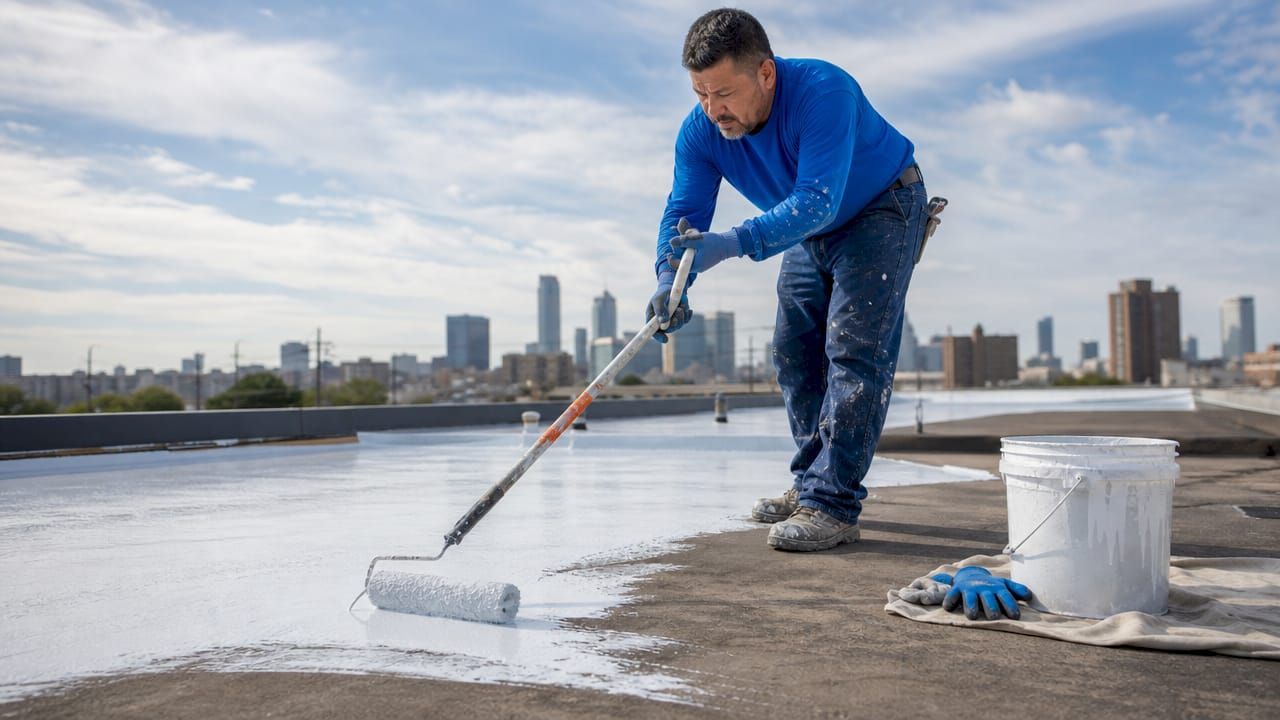
A roof coating is a fluid-applied, monolithic membrane that forms a continuous, waterproof, and reflective layer over your existing roof to protect it from weather damage and reduce energy costs. Understanding how roof coatings work explained in plain terms is exactly what most property owners and managers need before making a maintenance or budget decision. Unlike paint, roof coatings contain elastomeric polymers that stretch and recover as your roof expands and contracts with temperature changes. The most common coating materials are silicone, acrylic, and polyurethane, each suited to different roof types and climates.
How do roof coatings create a waterproof barrier?
A roof coating forms a monolithic, seamless membrane that covers the entire roof surface in one continuous layer. That matters because water finds every gap, crack, and seam it can. A seamless membrane eliminates those entry points entirely.
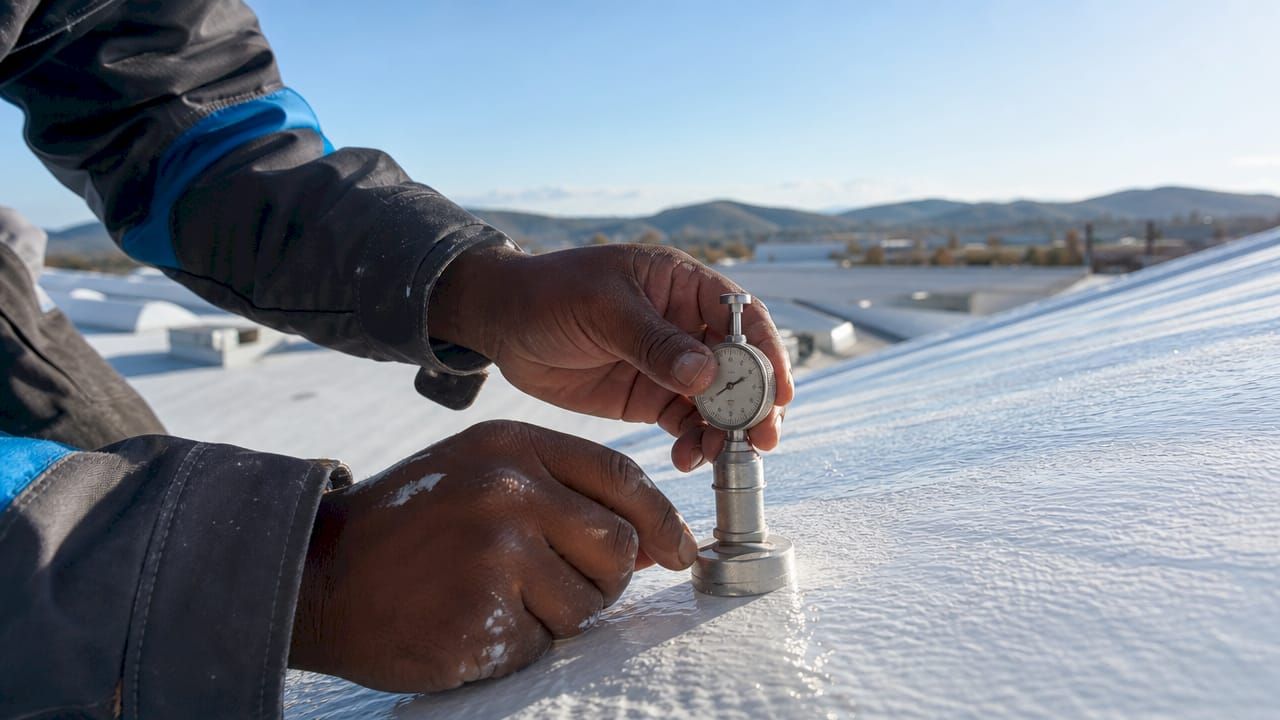
Coatings are applied at 20–30 mils thick, which is roughly 10–15 times thicker than standard house paint. That thickness is what allows the coating to fill micro-cracks and bridge seams rather than just sitting on top of the surface. Think of it like applying a thick rubber skin over your roof instead of a coat of latex paint.
The elastomeric properties of these membranes are what separate them from regular paint. As temperatures rise and fall, roofing materials expand and contract. A standard paint film cracks under that stress. An elastomeric coating stretches and returns to its original shape, maintaining a waterproof bond through thousands of thermal cycles.
At stress points like seams, flashings, and pipe penetrations, contractors embed polyester reinforcing mesh directly into the wet coating. This fabric adds tensile strength exactly where the roof is most likely to crack or separate. Skipping this step is one of the most common causes of early coating failure.
Roof coatings and spot sealants are not the same product. Coatings and sealants serve different roles: coatings protect broad roof surfaces while sealants focus on joints and penetrations. A complete roof protection system uses both, and skipping sealant prep before coating leads to leaks.
- Silicone coatings resist ponding water and UV degradation exceptionally well.
- Acrylic coatings offer strong reflectivity and are water-based for easier cleanup.
- Polyurethane coatings provide superior impact resistance and durability on foot-traffic areas.
Pro Tip: Ask your contractor which coating type matches your specific roof substrate. Silicone does not bond well to all surfaces without a primer, and using the wrong product is a costly mistake.
What are the energy efficiency benefits of reflective roof coatings?
Reflective white roof coatings reduce surface temperatures by 50–80°F compared to dark roofs. That is not a minor improvement. A roof surface that would otherwise reach 170°F on a hot Sacramento summer day drops to around 90–120°F with a reflective coating applied.
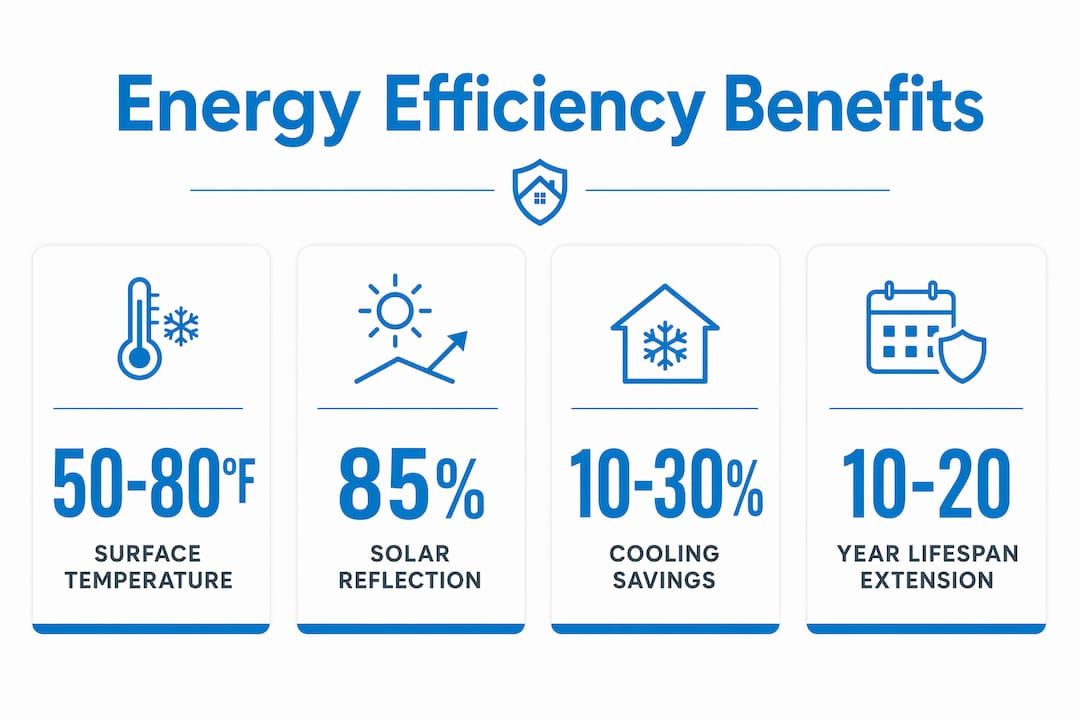
Lower surface temperatures directly reduce the heat load transferred into your building. That reduction translates to 10–30% savings on cooling energy costs depending on your insulation quality and HVAC system efficiency. For a commercial property with a large flat roof, those savings add up fast across a full cooling season.
Bright reflective coatings reflect up to 85% of solar radiation, keeping indoor temperatures lower and reducing how long your HVAC system runs each day. Less HVAC runtime means lower utility bills and longer equipment life.
| Roof Type | Surface Temp (Peak) | Cooling Cost Impact |
|---|---|---|
| Dark uncoated roof | Up to 170°F | Baseline (highest cost) |
| Reflective coated roof | 90–120°F | 10–30% reduction in cooling costs |
Thermal cycling is another factor most property owners overlook. Every time a roof heats up and cools down, the materials expand and contract. That repeated stress degrades membranes, seams, and fasteners over time. A reflective coating reduces the temperature swing your roof experiences each day, which directly slows that degradation and extends the life of the underlying roofing materials.
What does the roof coating application process involve?
Proper application is where most coating systems succeed or fail. Surface preparation accounts for the majority of labor in a coating job, and even small amounts of dust, dew, or contamination can cause peeling or adhesion failure months after installation.
A professional application follows these steps:
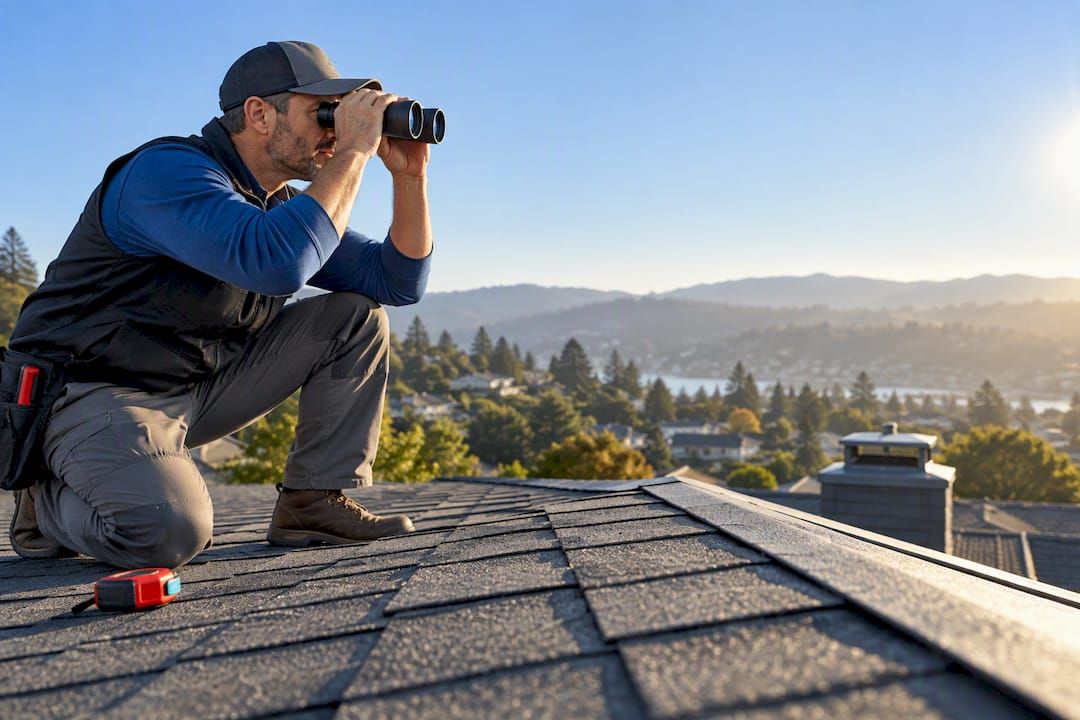
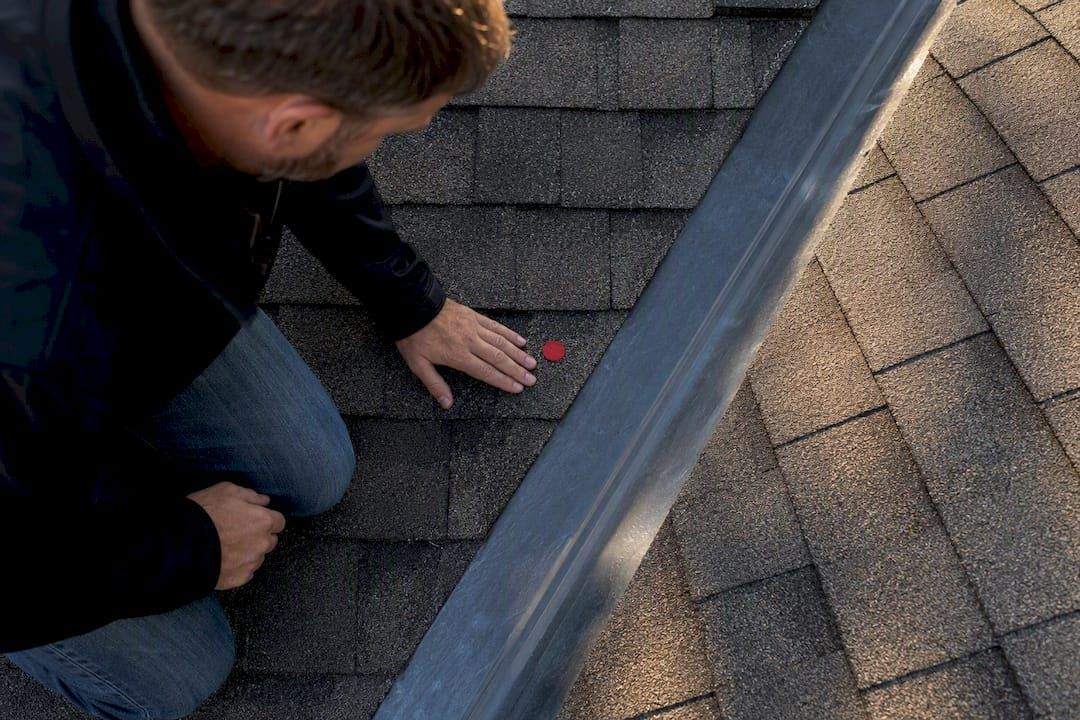
- Roof inspection. A contractor walks the entire roof to identify damage, ponding areas, and failing seams. Infrared scanning detects hidden wet insulation beneath the surface. Coating over trapped moisture accelerates roof deterioration rather than preventing it.
- Cleaning. Pressure washing removes dirt, algae, grease, and loose material. The surface must be completely clean and dry before any coating is applied.
- Seam and detail preparation. All seams, flashings, and penetrations receive sealant and, where needed, reinforcing polyester mesh embedded into a base coat layer.
- Primer application. Certain substrates, including metal and some single-ply membranes, require a primer to achieve proper adhesion. Skipping primer on these surfaces causes the coating to peel.
- Cross-hatch coating application. The cross-hatch technique applies two coats in perpendicular directions. The first coat goes north to south; the second goes east to west. This eliminates pinholes and achieves uniform mil thickness across the entire surface.
- Cure time and inspection. The coating must cure fully before rain or foot traffic. A final inspection confirms coverage and mil thickness.
Water-based coatings cannot be applied below 50°F or immediately before rain. Applying in cold or wet conditions causes wash-out and adhesion failure. In Northern California, this means scheduling application during dry stretches in spring or fall, not during the rainy season.
Pro Tip: Request an infrared moisture scan before any coating project. If wet insulation is present beneath the surface, coating over it will trap moisture and accelerate damage. The scan costs a fraction of what a failed coating job costs to redo.
How do roof coatings compare to full roof replacement?
Cost is where roof coatings make their strongest case. Commercial roof coatings cost $1–$4 per square foot, compared to $5–$15 per square foot for a full roof replacement. On a 20,000-square-foot commercial roof, that difference can mean $80,000 to $220,000 in avoided capital expense.
A properly applied coating system can extend a roof's service life by 10–20 years. Coatings are also re-applicable every 10–15 years, meaning you can keep deferring replacement costs as long as the underlying roof structure remains sound. That is a significant advantage for property managers working within tight maintenance budgets.
| Factor | Roof Coating | Full Replacement |
|---|---|---|
| Cost per sq ft | $1–$4 | $5–$15 |
| Life extension | 10–20 years | Full new roof life |
| Building disruption | Minimal | Significant |
| Re-applicable | Yes, every 10–15 years | No |
| Fixes structural damage | No | Yes |
Coatings do have real limitations. They cannot fix structural problems, sagging decks, or wet insulation beneath the surface. Applying a coating over a structurally compromised roof is like painting over rot. The problem continues underneath while the surface looks fine. When a roof has structural damage or saturated insulation, replacement is the only responsible path forward.
The right choice depends on your roof's current condition. If the structure is sound, the membrane is intact, and the main issues are aging seams and surface weathering, a coating is a cost-effective and practical solution. If the deck is damaged or moisture has penetrated the insulation layer, no coating will solve that problem. A professional inspection, including an infrared scan, gives you the information you need to make the right call. Shieldguardroofing recommends pairing any coating decision with a full commercial roof maintenance review to catch hidden issues before they become expensive ones.
Key Takeaways
Roof coatings are elastomeric membranes, not paint, and their performance depends entirely on proper surface preparation, correct material selection, and application in the right weather conditions.
| Point | Details |
|---|---|
| Coatings are not paint | They are elastomeric membranes applied at 20–30 mils thick to bridge cracks and flex with thermal movement. |
| Reflectivity reduces costs | White coatings cut surface temps by 50–80°F and lower cooling energy costs by 10–30%. |
| Preparation drives success | Surface prep accounts for most of the labor; contamination or moisture causes adhesion failure. |
| Cost advantage is significant | Coatings cost $1–$4 per sq ft versus $5–$15 for replacement, with 10–20 years of added roof life. |
| Coatings have limits | They cannot fix structural damage or wet insulation; an infrared scan before application is non-negotiable. |
What I've learned after years of watching coating jobs succeed and fail
The single biggest mistake property owners make is treating a roof coating as a shortcut. They see the cost savings, skip the inspection, and apply a coating over a roof that has underlying moisture problems. Six months later, the coating is bubbling and the roof is worse than before.
The preparation phase is not a formality. It is the job. I have seen coating systems last 18 years on well-prepared roofs and fail within two years on roofs where the contractor rushed the cleaning and skipped the infrared scan. The coating material itself is almost secondary to what happens before the first drop is applied.
The other thing worth saying plainly: coatings and sealants work together. A coating without proper sealant work at seams and penetrations is like waterproofing a boat but leaving the drain plug out. The broad surface is protected, but water still finds the gaps. A complete system addresses both.
Property owners who treat coatings as part of a proactive maintenance plan, rather than a last-ditch repair, get the best results. When you coat a roof that still has five to eight years of structural life left, you extend it to 15 or 20 years. When you coat a roof that is already failing, you delay the inevitable and spend money twice. Know your roof's condition before you commit to any coating project. That knowledge is worth more than any product specification sheet.
— Cesar
Roof coating services from Shieldguardroofing
Shieldguardroofing has served Northern California property owners and managers for decades, with over 75 years of combined roofing experience across the team. Whether you manage a commercial building in Sacramento or own a residential property in the surrounding NorCal region, a professional coating assessment can tell you exactly where your roof stands and what it needs.
Shieldguardroofing offers commercial roofing services that include full coating system installation, infrared moisture scanning, seam preparation, and ongoing maintenance planning. For residential properties, the team provides residential roof repairs and inspections to determine whether a coating or a targeted repair is the right next step. Contact Shieldguardroofing to schedule an inspection and get a clear, honest assessment of your roof's condition and options.
FAQ
What is a roof coating and how does it differ from paint?
A roof coating is a fluid-applied elastomeric membrane applied at 20–30 mils thick that stretches and recovers with thermal movement. Standard paint is far thinner and breaks down quickly under UV exposure and temperature cycling.
Do roof coatings actually work for waterproofing?
Yes. Roof coatings form a seamless, monolithic membrane that bridges micro-cracks and seals seams across the entire roof surface. Reinforcing mesh at seams and penetrations adds tensile strength where leaks are most likely to start.
How long does a roof coating last?
A properly applied coating system extends a roof's service life by 10–20 years and can be reapplied every 10–15 years to continue deferring replacement costs.
Can a roof coating be applied over any roof type?
Most roof types, including metal, single-ply membranes, and built-up roofs, can accept a coating with the right primer and preparation. An infrared scan is required first to confirm there is no trapped moisture beneath the surface.
What temperature is required to apply a roof coating?
Water-based roof coatings cannot be applied below 50°F or before rain. Applying in cold or wet conditions causes wash-out and prevents proper adhesion, leading to early coating failure.
Recommended