Gutter Maintenance for Apartment Complexes: 2026 Guide
Gutter Maintenance for Apartment Complexes: 2026 Guide
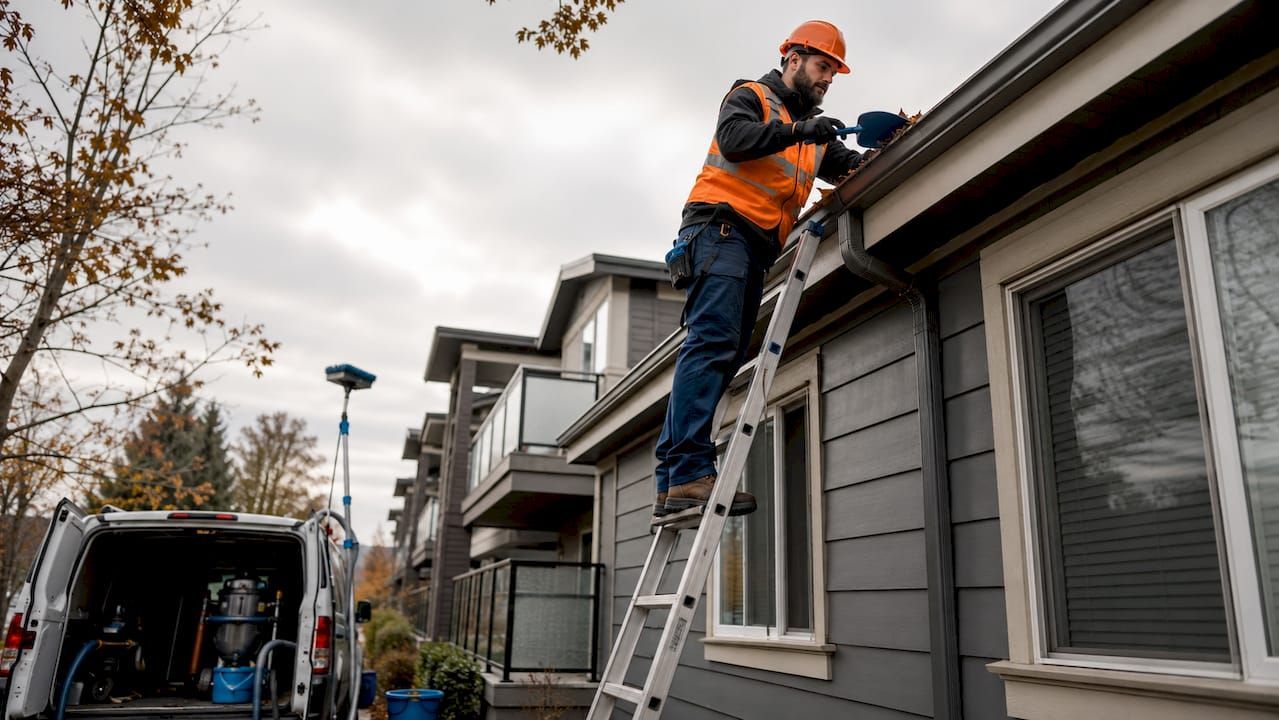
Gutter maintenance in apartment complexes is defined as the scheduled program of cleaning, inspection, and repair that keeps a building's drainage system functioning and protects the structure from water damage. Property managers overseeing multifamily buildings face a scale challenge that single-family homeowners never encounter: hundreds of linear feet of gutters across multiple rooflines, dozens of downpipes, and the constant risk that one clogged section triggers a water damage claim affecting multiple units. Gutter maintenance apartment complexes explained properly means treating drainage upkeep as a planned operational expense, not a reactive emergency. Neglect leads to mold growth, foundation settling, structural repairs, and tenant complaints that cost far more than the cleaning itself.
What is the recommended gutter maintenance schedule for apartment complexes?
Industry experts recommend a minimum of two professional gutter cleanings per year for most apartment complexes. That baseline covers the debris buildup from fall leaf drop and spring pollen season. Two cleanings per year works for properties with minimal tree cover and moderate rainfall.
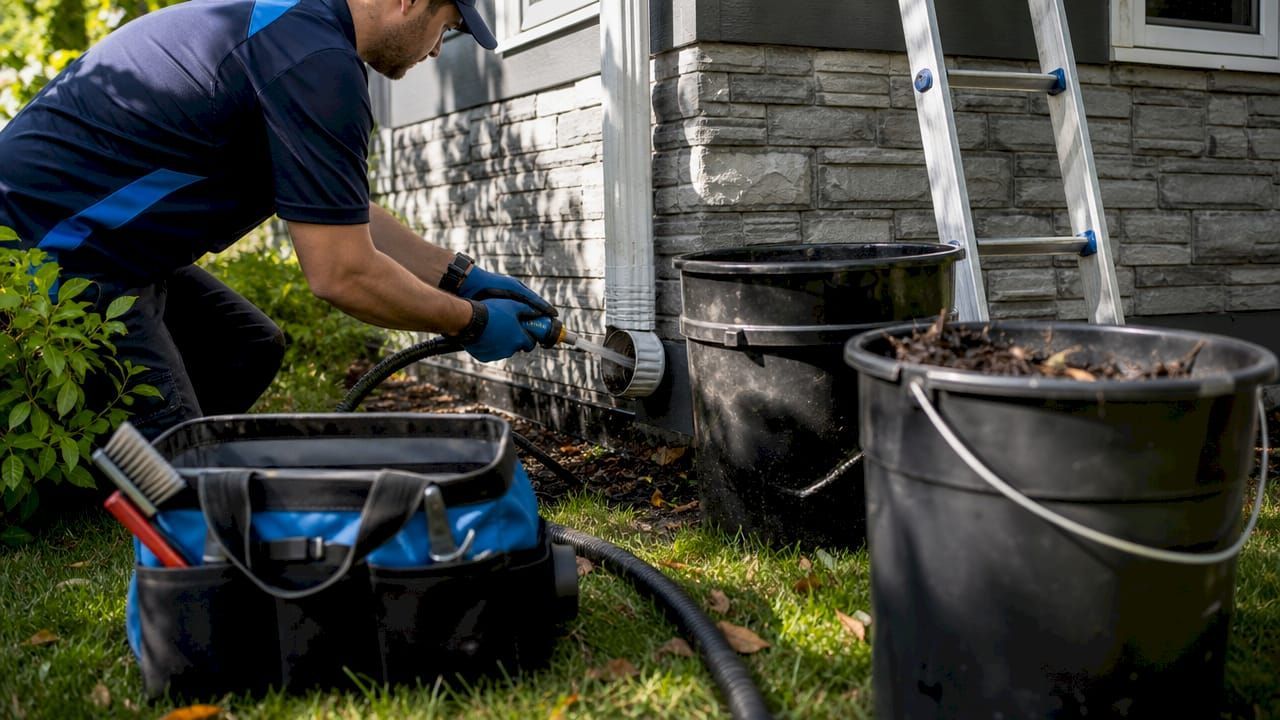
Properties with heavy tree cover or located in high-rainfall regions like Northern California need a different approach. Quarterly cleaning schedules prevent water intrusion and structural damage in those conditions. Four cleanings per year sounds like a budget increase, but it is far cheaper than a single water damage claim.
Your apartment complex gutter maintenance schedule should account for these specific factors:
- Tree density: Oak, pine, and eucalyptus trees drop debris year-round, not just in fall.
- Roof pitch: Low-slope roofs accumulate standing debris faster than steep-pitched ones.
- Rainfall intensity: Heavy storm seasons in NorCal accelerate clog formation significantly.
- Building age: Older gutters with sagging seams trap debris more readily than newer systems.
- Number of units: More rooflines mean more collection points and more frequent inspection needs.
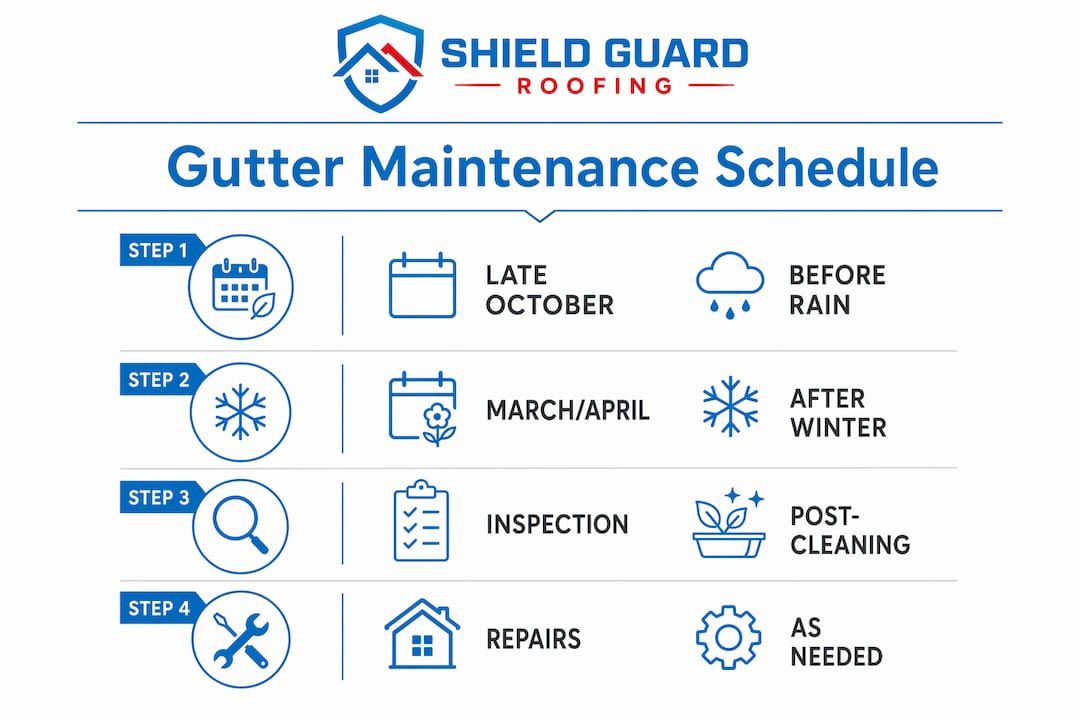
Pro Tip: Schedule one cleaning in late october or early november before the rainy season, and a second in march or april after winter storms. Add a third visit in july for properties surrounded by mature trees.
Skipping scheduled cleanings does not save money. Waiting for visible gutter problems risks costly hidden damage affecting multiple units simultaneously. By the time water stains appear on exterior walls, the damage behind them is already weeks old.
How does gutter maintenance impact property costs and liability?
Deferred gutter cleaning is one of the most expensive false economies in property management. Emergency repairs cost 2–3 times the standard service rate. That multiplier applies before you factor in water damage remediation, mold testing, or tenant relocation costs.
Bulk service contracts for multifamily properties reduce per-unit gutter maintenance costs by 30–40% compared to retail pricing. Annual budgets for complexes with 25–50 units typically range from $2,000 to $4,000. Larger properties cost more in total but achieve better economies of scale per unit.
| Approach | Cost profile | Risk level |
|---|---|---|
| Scheduled maintenance contract | Predictable, budgeted annual cost | Low: problems caught early |
| Reactive cleaning only | Variable, often higher per visit | Medium: damage accumulates between calls |
| Emergency repair after failure | 2–3x standard rate plus damage costs | High: structural and mold risk |
| No maintenance | Zero upfront, maximum long-term cost | Critical: liability exposure is severe |
"Viewing gutter cleaning as a budgeted, scheduled maintenance item rather than an emergency cost decreases total lifecycle expenses and property damage incidents." — HOA Gutter and Soffit Maintenance Guide
Liability is the other side of this equation. Water damage from clogged gutters can affect multiple tenants at once, triggering simultaneous claims. Slip-and-fall incidents from overflow pooling near building entrances add another exposure layer. Treating gutter upkeep as a line item in your annual budget is not just good financial practice. It is a liability management decision.
What does professional gutter maintenance include for apartment complexes?
Professional gutter maintenance for apartment complexes goes well beyond a crew with a garden hose. A complete service visit covers several distinct tasks, and you should confirm each one before signing a contract.
- Debris removal: Full extraction of leaves, sediment, and organic matter from all gutter channels, not just the accessible sections.
- Downpipe flushing: High-pressure flushing of every downpipe to clear blockages and verify free flow to ground-level drains.
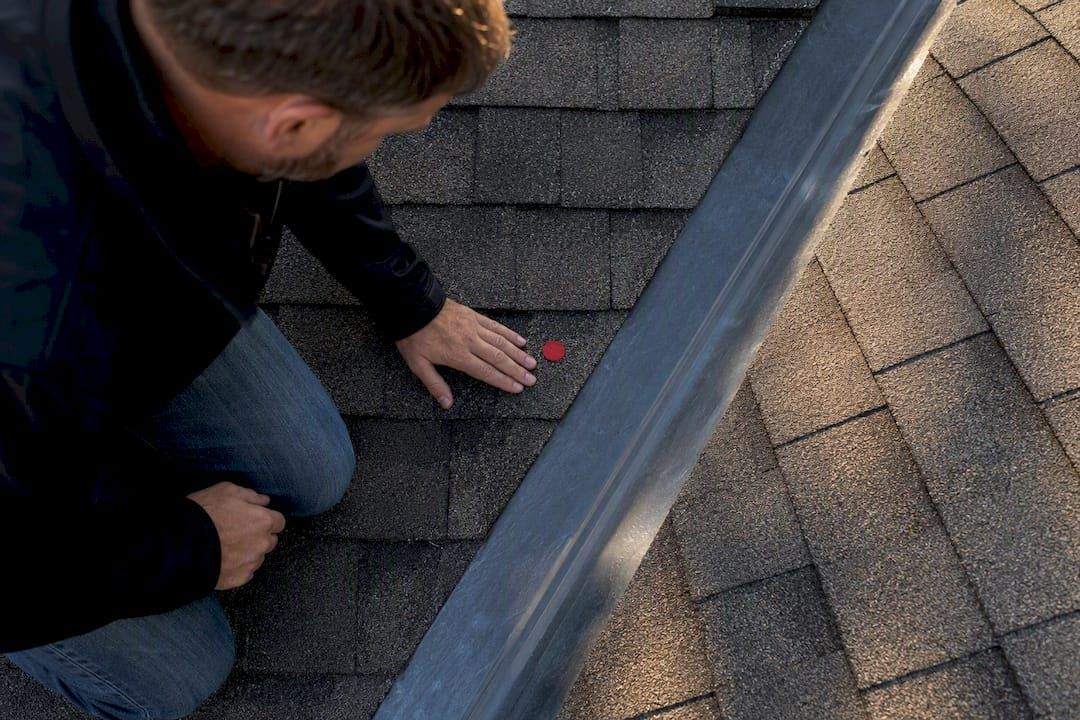
- Roof and drainage inspection: Visual check of roof edges, flashing, and drainage outlets for signs of wear, cracking, or separation. Pairing this with a professional roof inspection catches problems before they become emergencies.
- Formal documentation: Written risk assessments, method statements, and photo-based service reports that protect you in liability claims and satisfy insurance requirements.
- Equipment appropriate for scale: High-reach vacuums and carbon fiber poles allow crews to clean safely without ladder work on multistory buildings. This protects both workers and tenants below.
Pro Tip: Always request before-and-after photos as part of your service agreement. A contractor who documents their work is a contractor who stands behind it.
Professional crews equipped for multifamily scale reduce tenant disruption significantly compared to crews relying on ladders and manual tools. Faster completion means fewer parking restrictions, less noise, and fewer tenant complaints. Coordination with your on-site team before each visit also prevents surprises for residents.
Documentation such as photo reports and method statements is critical evidence in liability claims. Property boards and managers who cannot produce service records face a much harder defense in water damage or slip-and-fall cases. Require documentation as a non-negotiable contract term, not an optional add-on.
What practical tips help apartment complexes avoid common gutter problems?
The best gutter maintenance practices for apartment complexes share one trait: they treat drainage as a system, not a series of isolated tasks. Here is what separates well-managed properties from reactive ones.
- Include gutters in your reserve study. Gutter systems have a 20–25 year replacement cycle. Incorporating that into your long-term capital plan prevents expensive reactive replacements and smooths budget forecasting across years.
- Inspect for hidden water damage proactively. Proactive maintenance prevents latent damage that tenants never report until it is severe. Check fascia boards, soffits, and interior walls near rooflines at least once per year.
- Consolidate contracts across your portfolio. If you manage multiple complexes, a single contractor covering all properties delivers better pricing and more consistent service standards. Comprehensive contracts covering entire apartment communities achieve up to 40% savings compared to per-property retail rates.
- Require written service records every visit. Accurate documentation protects you from liability and gives your board confidence that maintenance obligations are being met. A gutter guard installation on vulnerable sections can also reduce cleaning frequency and extend system life.
- Review your schedule annually. Climate patterns shift, trees mature, and buildings age. A schedule that worked three years ago may underserve your property today. Adjust frequency based on actual debris loads, not assumptions.
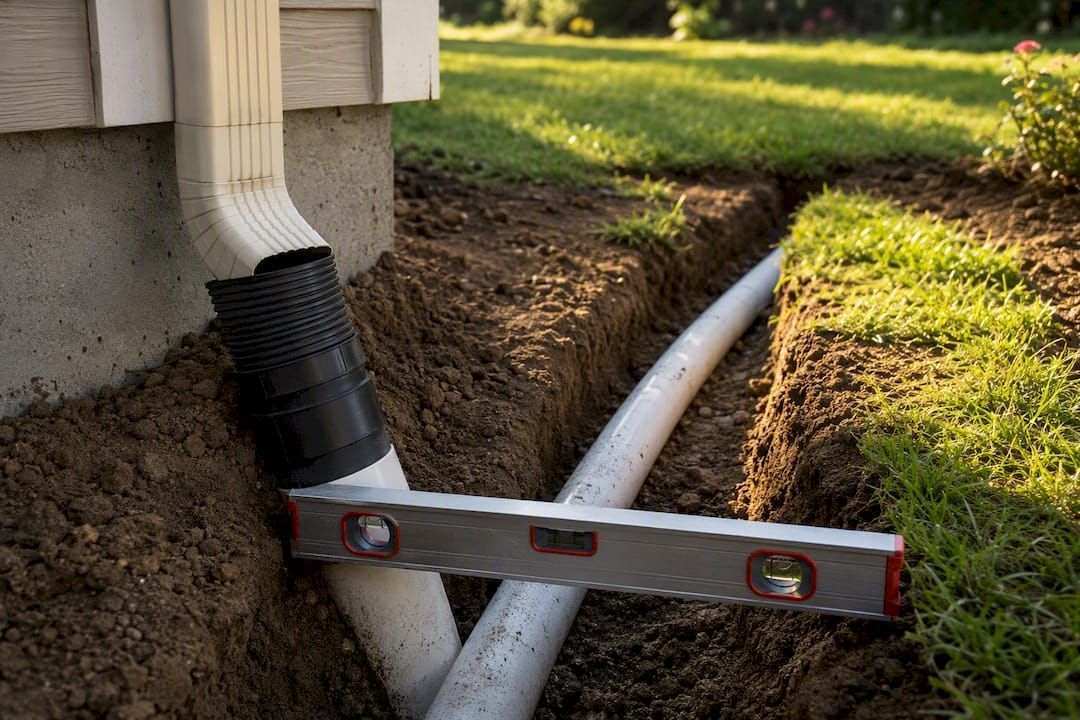
Apartment roof drainage tips often focus on the gutters themselves, but the downpipes and ground-level drains are equally critical. A clean gutter that empties into a blocked drain pipe still causes water pooling and foundation risk. Confirm the full drainage path is clear on every service visit.
Key takeaways
Scheduled gutter maintenance is the single most cost-effective way for property managers to prevent water damage, reduce liability, and protect building longevity across an apartment complex.
| Point | Details |
|---|---|
| Minimum cleaning frequency | Schedule at least two professional cleanings per year; quarterly for tree-heavy or high-rainfall properties. |
| Cost savings through contracts | Bulk service contracts reduce per-unit costs by 30–40% compared to retail pricing. |
| Emergency repair premium | Reactive repairs cost 2–3 times the standard service rate, making prevention the clear financial choice. |
| Documentation is non-negotiable | Photo reports and method statements protect managers from liability in water damage and slip-and-fall claims. |
| Reserve study inclusion | Plan gutter replacement as a capital expense on a 20–25 year cycle to avoid reactive spending. |
What I've learned managing gutter maintenance at scale
Property managers often ask me which single change makes the biggest difference in multifamily gutter programs. My answer is always the same: stop treating it like a repair category and start treating it like a utility bill.
The properties that struggle most are the ones where gutter cleaning only happens after a tenant complaint or a visible overflow. By that point, the fascia is already rotting, the downpipe is compacted with sediment, and the repair bill is three times what a scheduled cleaning would have cost. I have seen this pattern repeat across complexes of every size.
What actually works is building the schedule before the problem exists. Set the calendar in january, book the contractor, and document every visit. When a water damage claim arrives, and eventually one will, your service records are the difference between a straightforward insurance resolution and a prolonged liability dispute.
One thing most articles skip: tenant communication matters more than most managers realize. A quick notice before each cleaning visit reduces complaints, prevents parked cars from blocking access, and signals to residents that the property is professionally managed. That perception directly affects lease renewals.
Review your maintenance schedule every year. Northern California weather patterns are not static, and a program built for a mild year will underperform in a heavy storm season. Adapt based on real conditions, not last year's assumptions.
— Cesar
Shieldguardroofing: commercial gutter and roofing services for property managers
Shieldguardroofing works with property managers across Northern California to keep apartment complexes protected from the top down. With over 75 years of combined roofing experience, the team understands the scale and documentation requirements that multifamily properties demand.

Shieldguardroofing's commercial roofing services include gutter and drainage system maintenance integrated with full roof inspections, so you get a complete picture of your building's condition in a single visit. The team coordinates directly with on-site staff to minimize tenant disruption and provides the written documentation your board and insurer require. If deferred maintenance has already caused damage, Shieldguardroofing also handles commercial roof repairs to get your property back to full protection quickly. Call the team to schedule a property assessment and build a maintenance program that fits your portfolio.
FAQ
How often should gutters be cleaned at an apartment complex?
Most apartment complexes need at least two professional cleanings per year. Properties with heavy tree cover or high rainfall should schedule quarterly cleanings to prevent water intrusion and structural damage.
What does a professional gutter cleaning service include?
A complete service includes debris removal, downpipe flushing, roof and drainage inspection, and formal documentation such as photo reports and method statements. Always require written records as part of your contract.
How much does gutter maintenance cost for a multifamily property?
Annual budgets for complexes with 25–50 units typically range from $2,000 to $4,000. Bulk service contracts reduce per-unit costs by 30–40% compared to standard retail pricing.
What happens if gutter maintenance is deferred?
Deferred maintenance leads to water damage, mold growth, foundation settling, and tenant complaints. Emergency repairs cost 2–3 times the standard service rate, making reactive management significantly more expensive than scheduled upkeep.
Should gutters be included in a reserve study?
Yes. Gutter systems have a 20–25 year replacement cycle and should be included as a capital expense in your property's long-term reserve study. Planned budgeting prevents costly emergency replacements and smooths annual spending.
Recommended