Metal Roofing for Commercial Buildings: A Property Owner's Guide
Metal Roofing for Commercial Buildings: A Property Owner's Guide
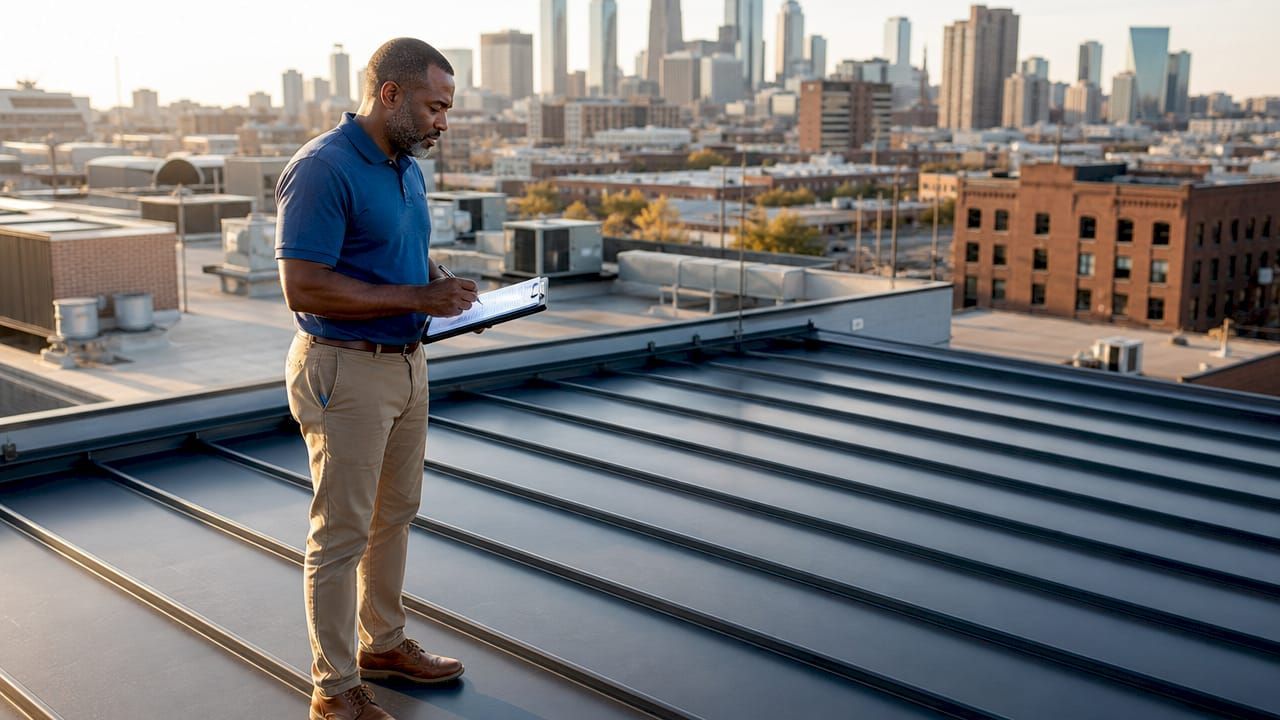
Metal roofing for commercial buildings is defined as a system of metal panels, fasteners, and coatings installed over a commercial structure to provide long-term weather protection, structural durability, and energy efficiency. Metal roofing commercial buildings explained properly means understanding not just the materials, but the panel types, fastening systems, and maintenance protocols that determine how long your roof actually lasts. Steel, aluminum, copper, and zinc are the four primary metals used, each with distinct lifespans and cost profiles. Getting these fundamentals right before you sign a contract saves you from expensive surprises down the road.
What are the common types of metal roofing panels for commercial buildings?
Commercial metal roofing systems fall into two broad categories: exposed-fastener panels and concealed-fastener standing seam panels. Each serves different budgets, building types, and performance expectations.
Exposed-fastener panels use screws driven through the panel face into the structural deck. Common profiles include:
- PBR (Purlin Bearing Rib): The most widely used commercial and agricultural panel. It offers a strong rib profile and straightforward installation.
- Tuff Rib: A lighter-duty exposed-fastener option suited to lower-slope applications and budget-conscious projects.
- R-Panel: Similar to PBR, often used interchangeably in commercial construction for warehouses and retail buildings.
Concealed-fastener standing seam panels hide all fasteners beneath raised seams that interlock along the panel edges. The QuickLoc standing seam system uses concealed clips that allow thermal expansion and contraction while maintaining a lateral seam lock. That design prevents the seam stress that causes leaks on older, pinned systems.
| Feature | Exposed-fastener panels | Standing seam panels |
|---|---|---|
| Fastener visibility | Visible through panel face | Hidden beneath seams |
| Installation speed | Faster, lower labor cost | Slower, higher labor cost |
| Weather resistance | Good, degrades at washers | Excellent, no exposed points |
| Typical lifespan | 20–35 years | 40–60+ years |
| Best application | Warehouses, agriculture | Office buildings, retail |
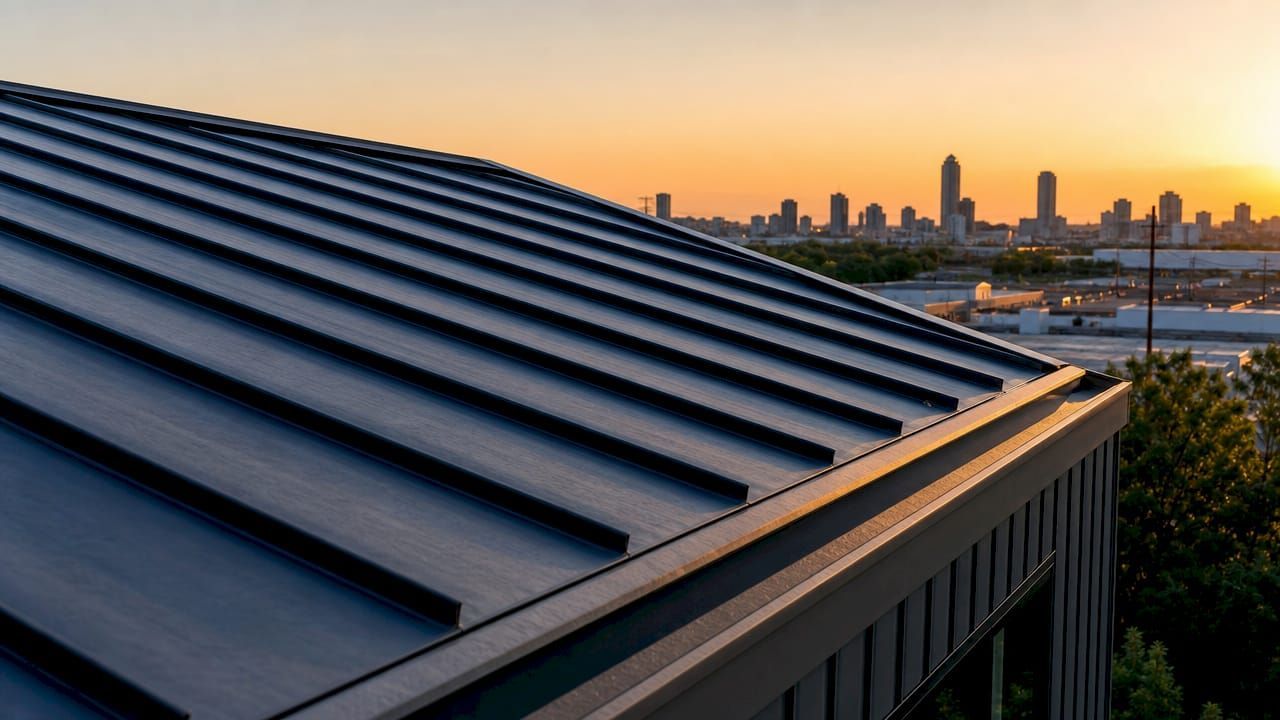
24-gauge steel is the standard for premium commercial applications. Thinner gauges like 26 or 29 gauge work for agricultural or low-traffic structures but sacrifice dent resistance and long-term coating adhesion.
Pro Tip: If your building sits in a high-wind or coastal zone, specify a 24-gauge panel with a Kynar 500 or Hylar 5000 fluoropolymer coating. These coatings resist chalking and fading far longer than standard polyester finishes.
How do installation methods affect commercial metal roof performance?
Installation quality is the single biggest variable in how long a commercial metal roof lasts. Skipping installation steps or using wrong fasteners can cause early failures even when the base metal is high quality. Think of it like building a car with premium parts but assembling it incorrectly. The materials are not the problem. The process is.
A disciplined installation sequence for commercial metal roofing follows these critical steps:
- Verify structural deck condition. Inspect for rot, deflection, or moisture damage before laying any underlayment.
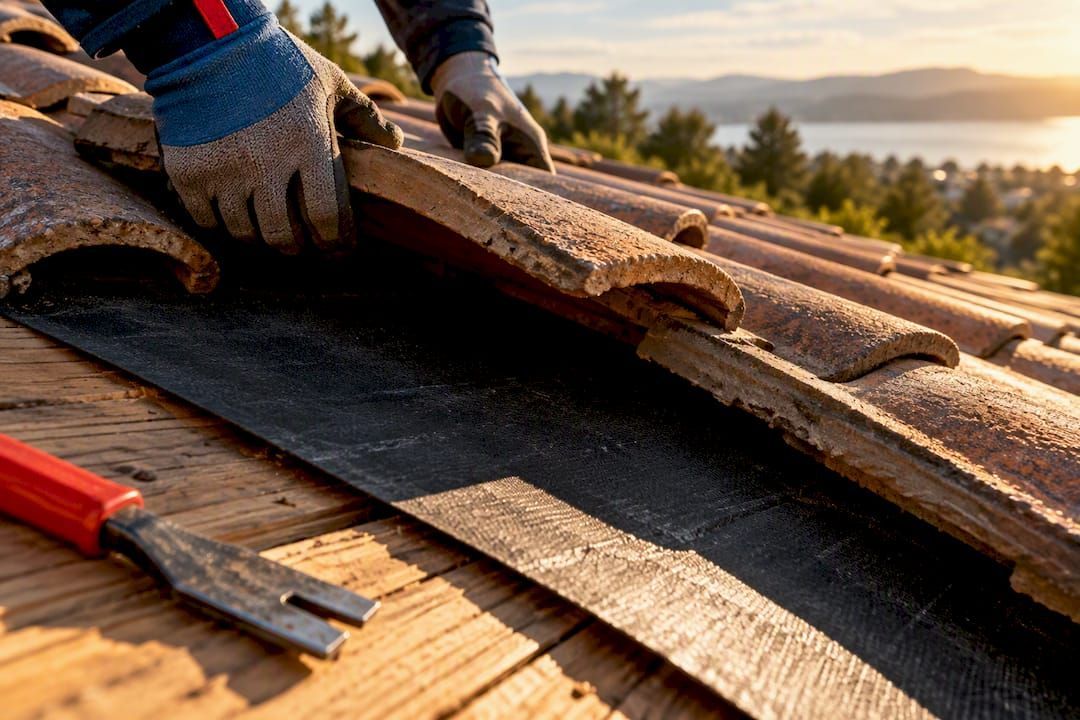
- Install a quality underlayment. Self-adhering or mechanically fastened underlayment protects against condensation and wind-driven rain. Trapped moisture beneath metal panels causes corrosion and panel deformation long before the metal itself fails.
- Set clips at correct spacing. For standing seam systems, clip spacing controls thermal movement. Incorrect clip installation can pin panels and cause buckling or seam stress, risking premature roof damage and voiding warranties.
- Drive fasteners at the correct torque. Over-driven screws on exposed-fastener panels compress and crack the neoprene washer immediately. Under-driven screws back out over time.
- Flash all penetrations and transitions. Pipes, HVAC curbs, skylights, and parapet walls are the most common leak entry points on commercial roofs.
- Conduct a final inspection before closeout. Walk every seam, check every flashing, and document the installation for warranty purposes.
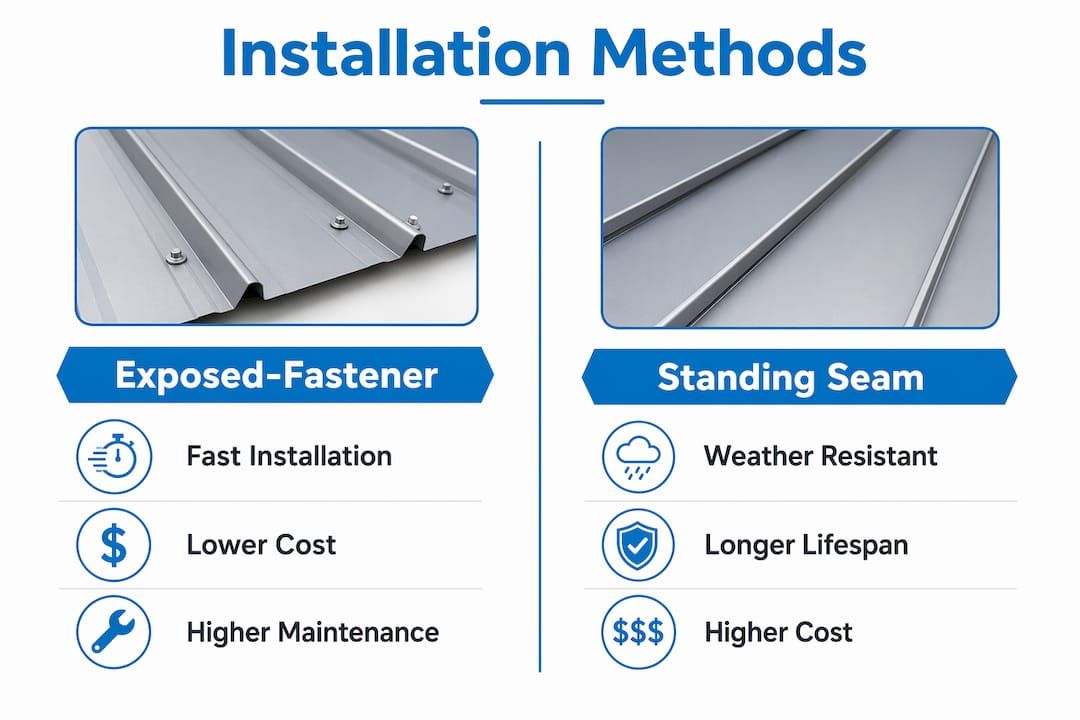
Exposed-fastener panels are faster and cheaper to install, but they require more maintenance over time because every screw penetrates the weather surface. Standing seam systems cost more upfront but eliminate the fastener degradation problem entirely.
Pro Tip: Always request a written installation warranty separate from the material warranty. A manufacturer's material warranty does not cover labor errors. If a contractor cannot provide an installation warranty, that is a red flag.
What lifespan and durability can you expect from commercial metal roofing?
Metal roofs on commercial buildings last 40–70 years depending on the metal type, coating quality, and installation. Steel roofs typically last 40–60 years, aluminum 40–50 years, copper 70–100 years, and zinc 80–100+ years. Poorly installed roofs, regardless of metal type, may fail in as few as 15 years due to fastener or underlayment issues. That gap between 15 years and 70 years is almost entirely determined by installation and maintenance quality.
Exposed-fastener metal roofs typically last 20–35 years, with washer and fastener maintenance expected at the 15 to 20 year mark. Standing seam roofs avoid fastener degradation entirely, which is why they consistently reach the upper end of the steel lifespan range.
Key durability factors to monitor on your commercial metal roof:
- Coating integrity: Scratches, chalking, or fading indicate UV degradation. Recoating before bare metal is exposed prevents rust.
- Underlayment condition: Moisture trapped between the panel and deck causes corrosion from below. This damage is invisible until it is severe.
- Fastener and washer condition: On exposed-fastener systems, inspect washers every 5 years after year 10. Cracked or compressed washers allow water infiltration.
- Seam tightness: On standing seam systems, check that seams have not separated due to thermal cycling or improper clip installation.
- Flashing and sealant condition: Sealants around penetrations typically last 10–15 years. Replacing them proactively costs far less than repairing water damage.
Coatings and underlayment quality are the two most underrated factors in metal roof longevity. Property owners who invest in premium coatings and proper underlayment at installation consistently get more years out of their roofs than those who cut costs on these components.
How do lifecycle costs and ROI compare for commercial metal roofing?
Metal roofing delivers its best financial return when you evaluate it over the full building lifecycle, not just the installation invoice. Metal roofing can reduce cooling energy use by up to 20% through reflective coatings that deflect solar heat. That energy savings compounds annually and directly reduces operating costs for your building.
Commercial roof replacement cost factors include not just materials and labor, but tear-off costs, disposal fees, and business disruption. A metal roof that lasts 50 years eliminates two or three full replacement cycles compared to a standard asphalt or modified bitumen roof. Each avoided replacement saves tens of thousands of dollars in direct costs alone.
| Cost category | Metal roofing | Asphalt/modified bitumen |
|---|---|---|
| Typical lifespan | 40–60 years | 15–25 years |
| Replacement cycles (50 yrs) | 0–1 | 2–3 |
| Annual maintenance cost | Low after year 5 | Moderate, increasing with age |
| Energy efficiency | High (reflective coatings) | Low to moderate |
| Lifecycle cost per year | Lower | Higher |
Budgeting tips for property owners evaluating metal roofing:
- Get a lifecycle cost analysis, not just a bid. Ask contractors to model total cost over 30 years.
- Factor in energy rebates. California utilities and federal programs offer incentives for cool roofs with high solar reflectance.
- Plan for coating maintenance at year 15–20 rather than waiting for visible failure.
- Lifecycle budgeting focuses on predictable maintenance costs and replacement timing rather than just upfront price. That mindset protects your asset value long term.
What are best practices for inspecting and maintaining commercial metal roofs?
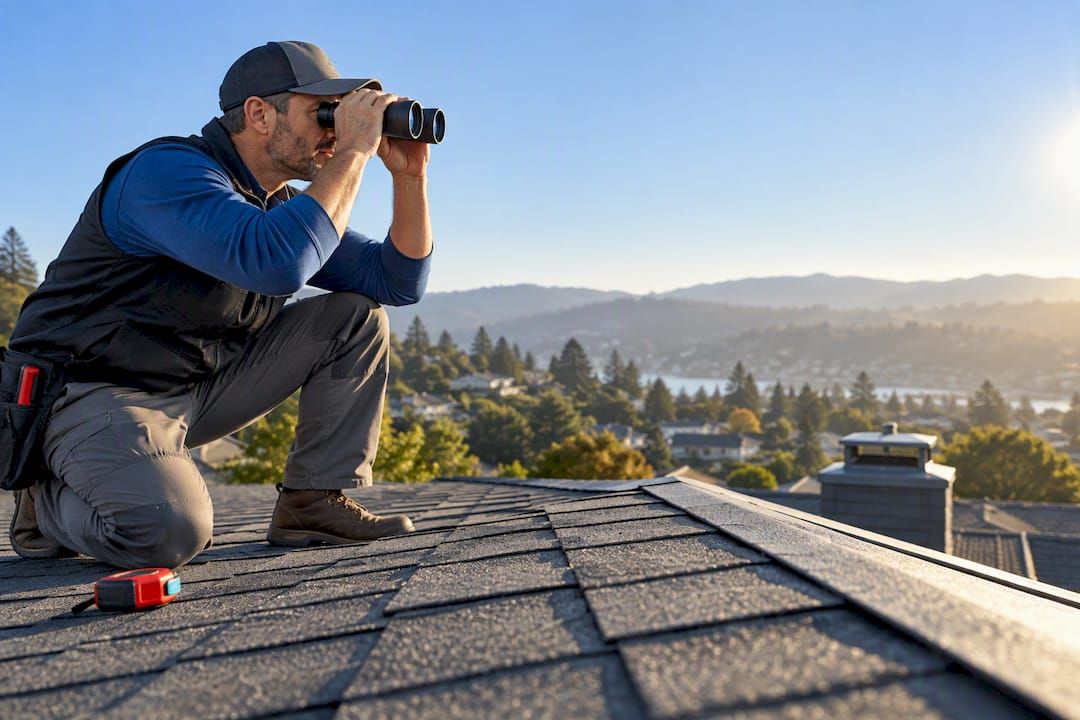
Commercial roof inspections should happen twice per year, plus after any significant weather event such as a hailstorm, high winds, or heavy snow load. Twice-yearly inspections catch small problems before they become expensive repairs. Think of it the same way you think about oil changes for a vehicle. Skipping them does not save money. It accelerates failure.
A thorough commercial roof inspection covers these key areas:
- Seams and panel laps: Check for separation, rust staining, or sealant failure along all seams and overlaps.
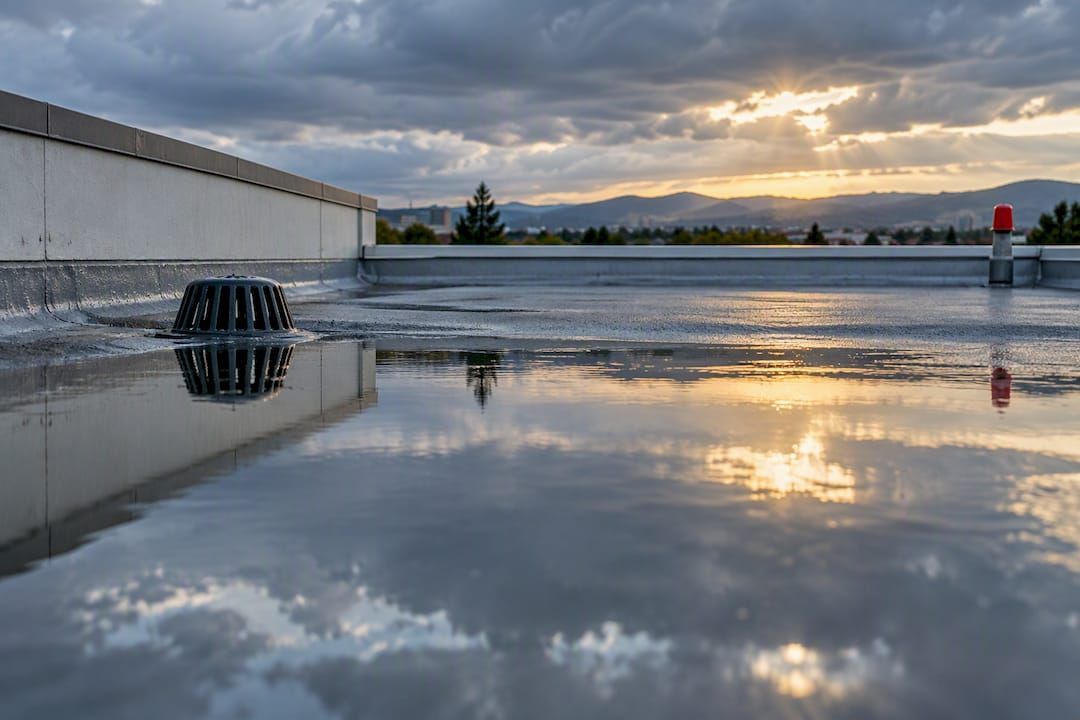
- Drainage and gutters: Confirm downspouts are clear and water flows away from the building. Ponding water accelerates coating breakdown.
- Flashing at penetrations: Inspect HVAC curbs, pipe boots, skylights, and parapet caps for cracked sealant or lifted edges.
- Coating condition: Look for chalking, fading, or bare metal spots that indicate UV or mechanical damage.
- Fasteners: On exposed-fastener systems, check for backed-out screws and cracked washers.
Structured inspections based on evidence categories allow proactive maintenance and help you avoid costly reactive repairs. Document every inspection with photos and written notes. That record becomes your maintenance history and supports warranty claims if needed.
Pro Tip: Owner walkthroughs are valuable, but schedule a professional inspection at least once per year. A trained eye catches underlayment issues, subtle seam stress, and coating failures that are easy to miss without roofing experience.
Key Takeaways
Metal roofing for commercial buildings delivers its full value only when panel type, installation quality, and ongoing maintenance all align from day one.
| Point | Details |
|---|---|
| Panel type determines performance | Standing seam outlasts exposed-fastener systems by decades due to concealed fasteners and thermal movement design. |
| Installation quality drives lifespan | Poor installation can cut a metal roof's life to 15 years regardless of metal quality or gauge. |
| Lifespan varies by metal | Steel lasts 40–60 years, aluminum 40–50, copper 70–100, and zinc 80–100+ years with proper care. |
| Lifecycle cost beats upfront cost | Metal roofing eliminates 2–3 replacement cycles over 50 years, lowering total cost despite higher initial price. |
| Twice-yearly inspections protect your investment | Inspecting seams, drainage, flashing, and coatings twice per year prevents small issues from becoming major repairs. |
What I've learned after years of commercial metal roofing projects
Property owners consistently focus on metal thickness and panel price when they should be focused on installation quality and underlayment specification. I have seen 24-gauge standing seam roofs fail in under 20 years because the installer used the wrong clip spacing and skipped the self-adhering underlayment. I have also seen 26-gauge exposed-fastener roofs on warehouses still performing at 30 years because the contractor was meticulous about fastener torque and the owner kept up with washer inspections.
The second thing most owners miss is the underlayment. It is invisible once the panels go on, so it gets treated as an afterthought. Trapped moisture beneath a metal panel corrodes the panel from below. By the time you see rust staining on the ceiling, the damage is already extensive. Specifying a quality underlayment is not an upsell. It is the difference between a 40-year roof and a 20-year roof.
My practical advice: before you accept any commercial metal roofing bid, ask the contractor to walk you through their installation sequence step by step. Ask specifically about clip spacing, underlayment type, and fastener torque specifications. A contractor who cannot answer those questions confidently is not the right contractor for your building, regardless of price.
— Cesar
Shieldguardroofing's commercial metal roofing services in Northern California
Shieldguardroofing has served commercial property owners across Northern California for decades, with a team carrying over 75 combined years of roofing experience. Whether you need a new metal roof installation, a repair on an aging exposed-fastener system, or a professional inspection to assess your current roof's condition, Shieldguardroofing brings the expertise to get it right.
The team at Shieldguardroofing works with premium materials and delivers industry-leading warranties on every commercial project. From Sacramento warehouses to NorCal office buildings, the focus is always on quality workmanship that protects your investment for decades. Visit the commercial roofing services page to request a quote or schedule an inspection. You can also learn more about commercial roof repairs if your current metal roof needs attention now.
FAQ
How long does a commercial metal roof last?
Commercial metal roofs last 40–70 years depending on the metal type and installation quality. Steel typically lasts 40–60 years, while copper and zinc can exceed 80–100 years.
What is the difference between standing seam and exposed-fastener metal roofing?
Standing seam panels use concealed clips and hidden fasteners, providing better weather resistance and a longer lifespan. Exposed-fastener panels are less expensive upfront but require more maintenance as washers and screws degrade over time.
How often should a commercial metal roof be inspected?
Inspections are recommended twice per year plus after major weather events. Regular inspections catch seam separation, flashing failures, and coating damage before they cause leaks.
Does metal roofing reduce energy costs for commercial buildings?
Yes. Reflective metal roof coatings can reduce cooling energy use by up to 20%. That savings compounds annually and contributes significantly to the roof's long-term return on investment.
What gauge metal panel is best for commercial buildings?
24-gauge steel is the standard for premium commercial applications. It offers better dent resistance, longer coating adhesion, and stronger structural performance than thinner 26 or 29-gauge options.
Recommended