What Is a Commercial Roof Inspection? A Property Manager's Guide
What Is a Commercial Roof Inspection? A Property Manager's Guide
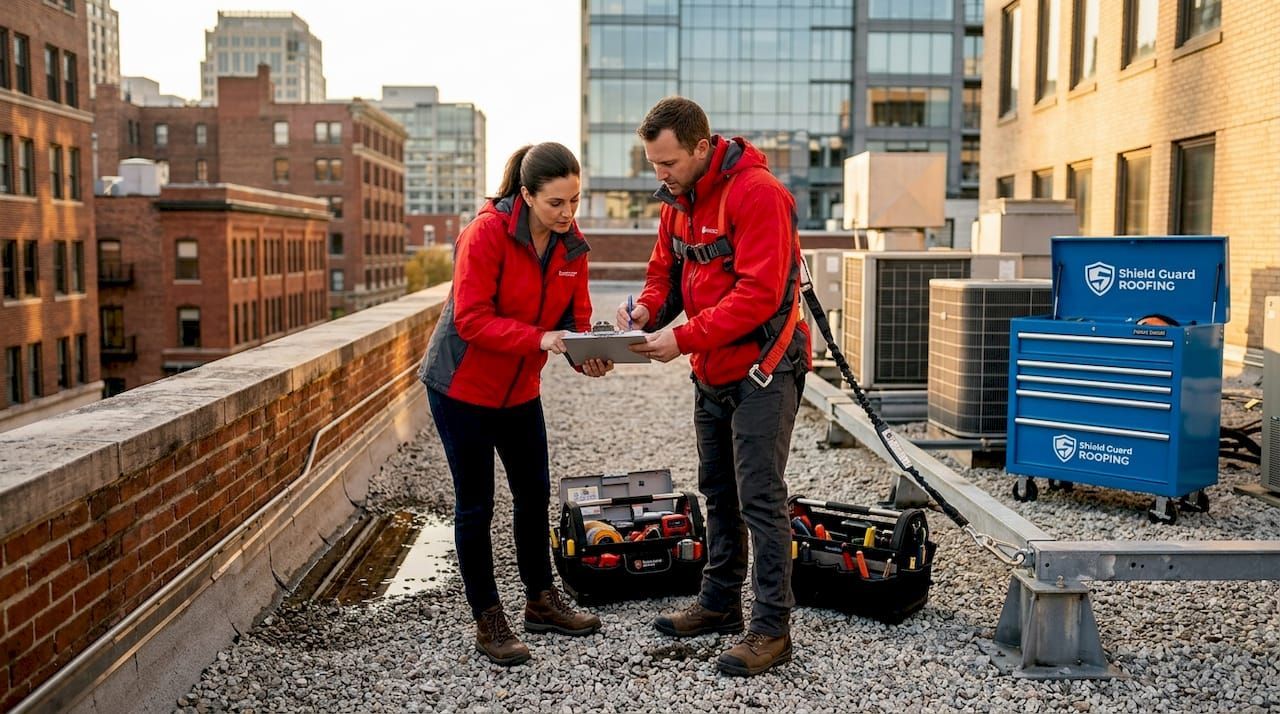
Most property managers think a roof inspection means someone walks around, looks for obvious damage, and calls it done. That assumption is costing building owners thousands of dollars every year. A commercial roof inspection is actually a documented, systematic evaluation of your entire roofing system, covering drainage, flashings, penetrations, the roof membrane, and interior signs of water intrusion. Done right, it gives you a clear picture of your roof's current condition, what needs immediate attention, and how much useful life you have left. This guide breaks down exactly what that process looks like and why it matters for your bottom line.
Table of Contents
- Key Takeaways
- What is a commercial roof inspection and what does it include?
- Why commercial roof inspections matter for your building
- How often to inspect your commercial roof
- Inspection methods: visual vs. advanced diagnostics
- How to use your inspection report effectively
- My honest take on what most property managers get wrong
- Schedule your commercial roof inspection with Shieldguardroofing
- FAQ
| Point | Details |
|---|---|
| More than a visual check | A proper commercial roof assessment evaluates the full system, including drainage, flashings, and hidden moisture. |
| Twice-a-year baseline | Schedule inspections every spring and fall, plus after any major storm event. |
| Advanced diagnostics exist | Infrared scanning finds trapped moisture without cutting into your roof membrane. |
| Reports drive decisions | Inspection documentation supports warranty compliance, insurance underwriting, and capital budget planning. |
| Reactive repairs cost more | Catching problems early through regular inspections consistently costs less than emergency fixes. |
What is a commercial roof inspection and what does it include?
The industry term you will hear professionals use is a commercial roof assessment , and it goes well beyond a quick visual scan. A systematic roof evaluation covers drainage components, flashings, penetrations, the roof surface membrane, and interior indicators like ceiling stains or moisture readings. Think of your roof the way you would think of a car. You do not just check the tires. You check the oil, the brakes, the belts, and the battery. A commercial roof works the same way.
Here is what a thorough inspection typically covers:
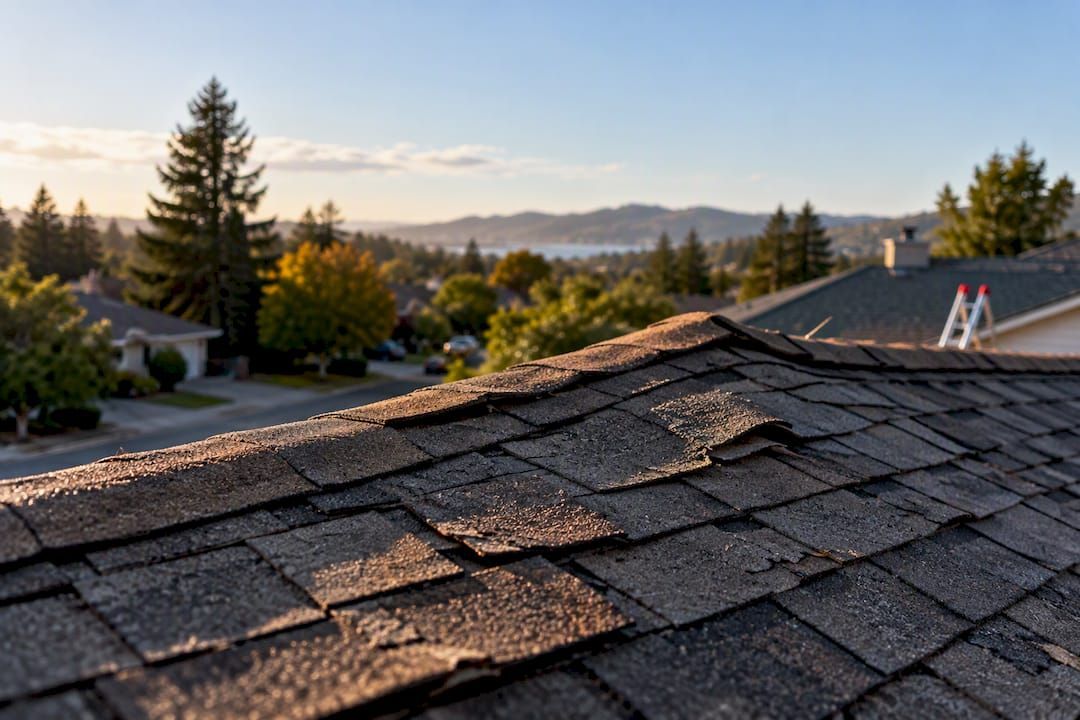
- Roof membrane: Inspectors look for blistering, cracking, open seams, ponding water, and surface erosion.
- Flashings and penetrations: These are the most common leak entry points. Inspectors check seals around HVAC units, vents, skylights, and pipe boots.
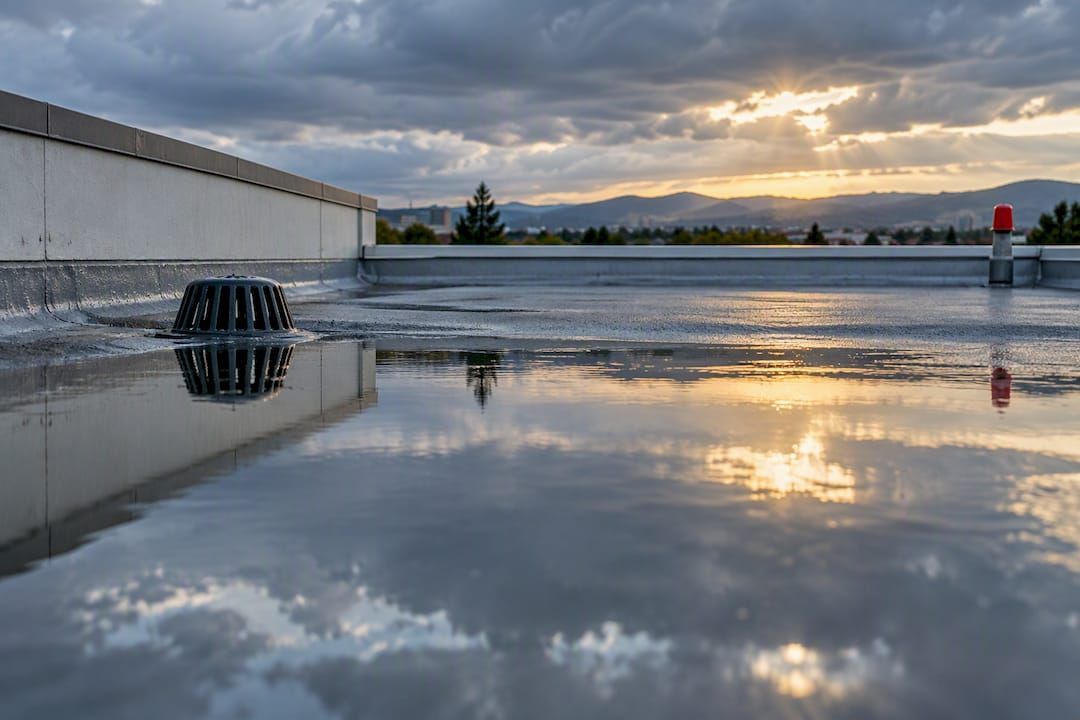
- Drainage system: Clogged or slow drains cause ponding, which accelerates membrane deterioration. Every drain, scupper, and gutter gets checked.
- Interior indicators: Water stains on ceilings, mold near roofline walls, and insulation damage all point to active or past intrusion.
- Documentation: Photos with timestamps, written condition notes, and a formal report are not optional. They are the record that protects you with insurers, lenders, and warranty providers.
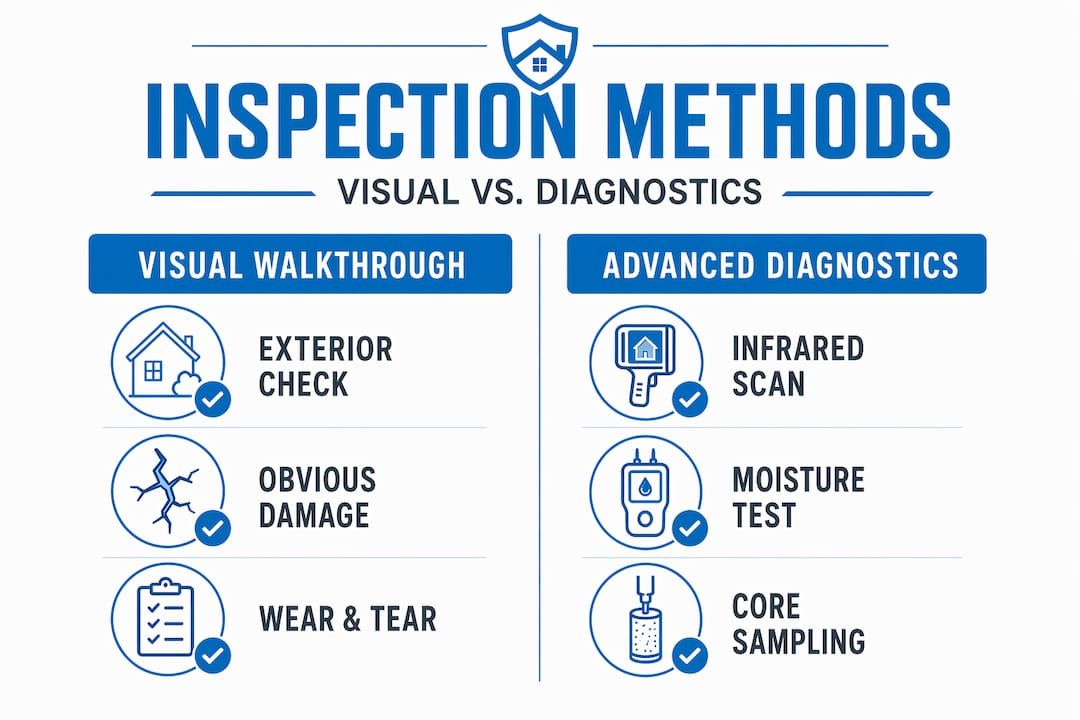
Beyond the visual walkthrough, advanced diagnostic methods like infrared thermographic scanning and core sampling take the inspection to another level. Infrared scanning detects temperature differences caused by trapped moisture beneath the membrane without cutting into anything. Core sampling is more invasive. It involves removing a small plug of roofing material to examine the layers underneath, confirming whether moisture has reached the insulation or deck.
Pro Tip: Ask your inspector whether they use infrared scanning as part of their standard process. If they only offer a visual walkthrough for a flat or low-slope commercial roof, you may be getting an incomplete picture.
Why commercial roof inspections matter for your building
The importance of roof inspection goes far beyond preventing leaks. Here is what regular assessments actually protect.
- Warranty compliance: Most roofing manufacturers require a minimum of two documented inspections per year to keep warranties valid. Miss that requirement and a repair claim can be denied.
- Insurance and lender requirements: Detailed inspection reports give insurers and lenders the condition data they need for accurate underwriting. Roof age alone tells them almost nothing useful.
- Capital planning: Knowing your roof has four years of useful life left versus twelve changes how you budget. Inspections give you that number with documentation to back it up.
- Liability reduction: A leaking roof that damages tenant property or causes a slip-and-fall creates real legal exposure. Documented inspections show you exercised reasonable care.
"A systems view links visible issues to risks like water intrusion and premature failure. Treating a commercial roof as a collection of parts, rather than an integrated system, is one of the most common and costly mistakes in property management." — Commercial Roof Inspection: Complete Guide
The financial case is straightforward. Mid-year roof assessments help facility managers separate operating budget repairs from capital expenditures, which makes conversations with finance teams much cleaner. You stop reacting to emergencies and start planning for them on your terms.
How often to inspect your commercial roof
The standard answer is twice a year: once in spring after winter weather has done its work, and once in fall before the next cold season begins. Manufacturer warranties often require this minimum schedule, so it is not just a best practice. It may be a contractual obligation you already agreed to.
But biannual inspections are just the baseline. Here are the situations that call for an additional check:
- After a severe weather event. Hailstorms, high winds, and heavy rain can create damage that looks minor from the ground but is significant up close. Schedule an inspection within two weeks of any major storm.
- Before or after major rooftop work. HVAC replacements, antenna installations, and solar panel projects all create penetration points. Inspect before and after to document pre-existing conditions and confirm proper sealing.
- Before a property sale or refinancing. Lenders and buyers will want current roof condition data. Having a recent professional report on hand speeds up the process and gives you negotiating leverage.
- When a building is in a harsh climate. Properties in areas with extreme heat, heavy snow loads, or frequent freeze-thaw cycles benefit from more frequent checks. Three times a year is not unusual in those environments.
Pro Tip: Keep every inspection report in a single folder, physical or digital, organized by date. That inspection history becomes a trend analysis tool. You will see whether a problem area is getting worse, staying stable, or responding to repairs, which is information you cannot get from a single report.
Inspection methods: visual vs. advanced diagnostics
Not all inspections use the same tools, and understanding the difference helps you ask better questions when hiring a roofing contractor.
| Method | How it works | Best used for |
|---|---|---|
| Visual walkthrough | Inspector physically examines all accessible surfaces | Routine condition checks, post-storm damage assessment |
| Infrared thermographic scan | Detects heat signatures from trapped moisture | Finding hidden moisture without membrane damage |
| Core sampling | Small plug removed to examine internal layers | Confirming moisture depth and insulation condition |
| Aerial imagery | Drone or satellite photos for documentation | Large roofs, access-restricted areas, planning purposes |
| Nuclear moisture testing | Measures hydrogen atoms to detect water content | Specialized moisture mapping on large flat roofs |
The most effective approach follows a specific sequence. Non-destructive infrared scanning comes first, identifying zones where moisture may be trapped. Then targeted core samples confirm what the scan flagged. This "locate first, then confirm" method reduces unnecessary cutting and keeps costs down while giving you accurate data.
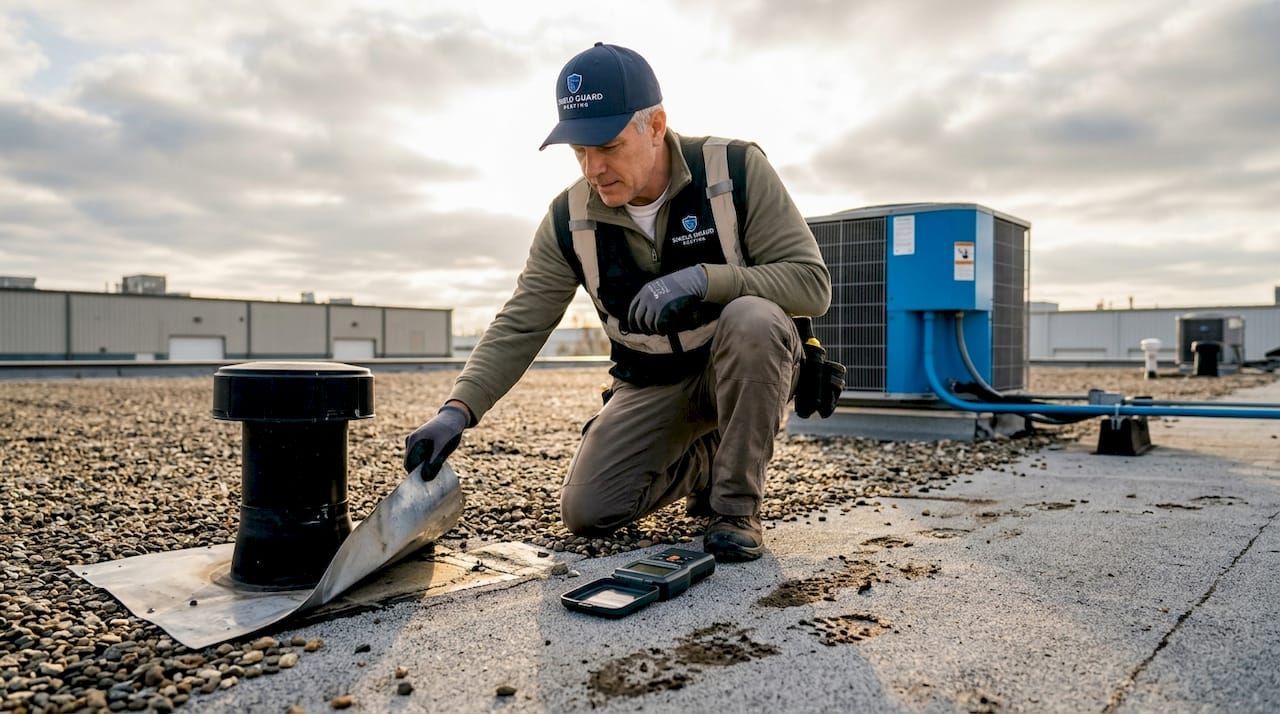
Visual inspections remain the foundation of every assessment. A skilled inspector knows what to look for: open seams along membrane edges, rust staining around metal flashings, debris buildup in drains, and soft spots underfoot that indicate saturated insulation. Aerial imagery adds documentation value, particularly for large flat roofs where walking every square foot is impractical, but it does not replace boots on the roof for a thorough evaluation.
How to use your inspection report effectively
Getting the report is step one. Knowing what to do with it is where most property managers fall short.
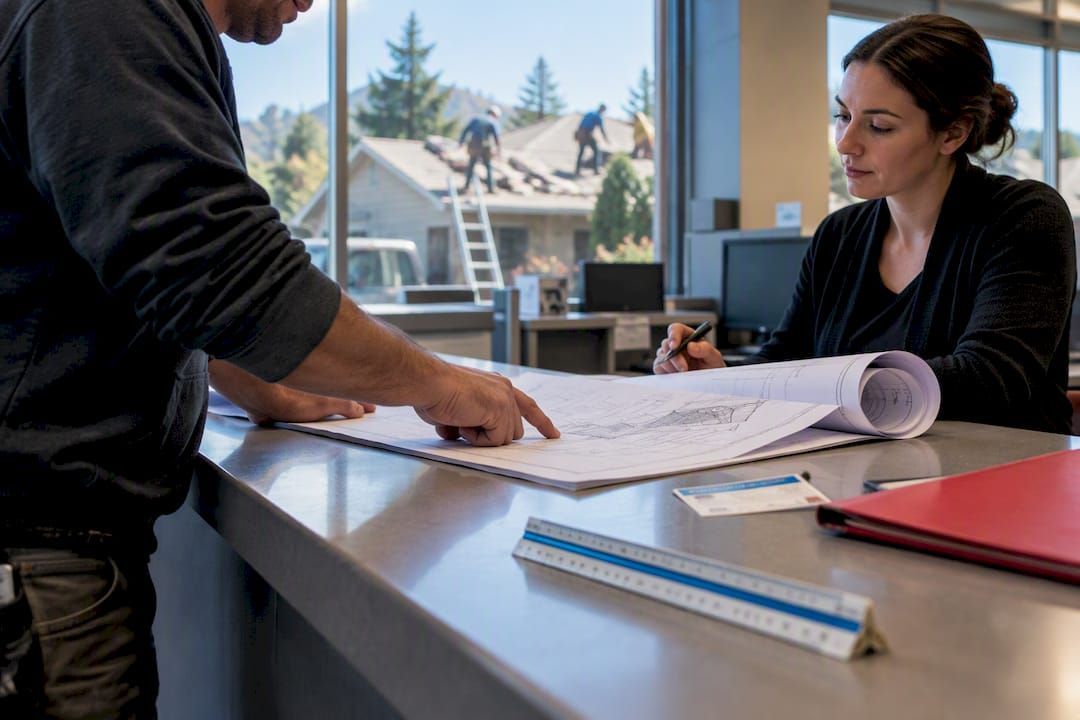
A good commercial roof inspection report includes photos tied to specific roof zones, a condition rating for each component, an estimate of remaining useful life, and a prioritized list of recommended actions. Here is how to put that information to work:
- Separate urgent from monitor items. Active leaks, open seams, and failed flashings need immediate attention. Surface wear and minor cracks may only need monitoring and documentation at the next inspection.
- Link findings to your warranty. If the report identifies a defect that falls under your roofing warranty, contact your contractor before authorizing any independent repairs. Unauthorized work can void coverage.
- Use the report for budget conversations. Historical inspection data tied to remaining useful life estimates gives your finance team the numbers they need to plan capital expenditures accurately. A roof with three years left is a capital line item. A roof with twelve years left is a maintenance budget item.
- Share condition summaries with stakeholders. Tenants, boards, and ownership groups benefit from knowing the roof is being actively managed. A one-page summary from the full report communicates that without overwhelming anyone with technical detail.
For guidance on translating inspection findings into a repair plan, commercial roof maintenance resources can help you structure that process from assessment to execution.
My honest take on what most property managers get wrong
I have seen a lot of roofs across Northern California, and the pattern I keep running into is this: property managers treat the roof as a background concern until water is coming through the ceiling. By that point, what started as a $500 flashing repair has turned into a $15,000 emergency patch job, disrupted tenants, and a potential insurance claim.
What I have learned is that the real value of a commercial roof assessment is not the inspection itself. It is the mindset shift that comes with having documented data. When you have a report in hand that says your roof has six years of useful life remaining and two drainage areas need attention, you stop guessing. You start planning. That is a completely different relationship with your building.
The other thing I see consistently is owners who rely on a visual check from a general contractor and call it done. A visual check misses trapped moisture. It misses early insulation degradation. It misses the slow failure building under a membrane that looks fine on the surface. Infrared scanning is not a luxury for large portfolios. It is a standard diagnostic tool that pays for itself the first time it catches something invisible to the naked eye.
If you manage more than one commercial property, building an inspection schedule into your annual calendar, not just reacting to problems, is the single highest-return maintenance habit you can develop. Your roof protects everything underneath it. Treat it like the asset it is.
— Cesar
Schedule your commercial roof inspection with Shieldguardroofing
If you manage commercial property in Northern California, Shieldguardroofing is ready to put 75 years of combined roofing experience to work for you. The team offers professional commercial roofing services that include thorough assessments, infrared diagnostics, and detailed reporting you can actually use for budgeting, warranty compliance, and insurance purposes. Whether you need a routine biannual check or a post-storm evaluation, Shieldguardroofing brings the tools and expertise to give you a clear picture of your roof's condition. From inspection findings to follow-through repairs, explore commercial roof maintenance options designed to protect your investment for the long term. Contact Shieldguardroofing today to schedule your assessment.
FAQ
What does a commercial roof inspection include?
A commercial roof inspection covers the membrane, flashings, drainage components, penetrations, and interior signs of water intrusion. Inspectors document findings with photos and timestamps in a formal report used for warranty, insurance, and planning purposes.
How often should a commercial roof be inspected?
The standard schedule is twice per year, typically in spring and fall. Additional inspections are recommended after severe weather events, before property sales, and following any major rooftop work.
What is infrared thermographic scanning in a roof inspection?
Infrared scanning detects temperature differences caused by trapped moisture beneath the roof membrane without cutting into the surface. It is a non-destructive diagnostic tool used to locate hidden water intrusion before it causes visible damage.
Why does roof inspection documentation matter for insurance?
Detailed inspection reports give insurers accurate condition data beyond roof age alone, which supports proper underwriting and strengthens your position when filing a claim.
Can a commercial roof inspection help with budget planning?
Yes. Inspection reports that include remaining useful life estimates allow property managers to plan capital expenses accurately and avoid surprise emergency repair costs that disrupt operating budgets.
Recommended