Apartment Roof Leak Emergency Response Guide
Apartment Roof Leak Emergency Response Guide
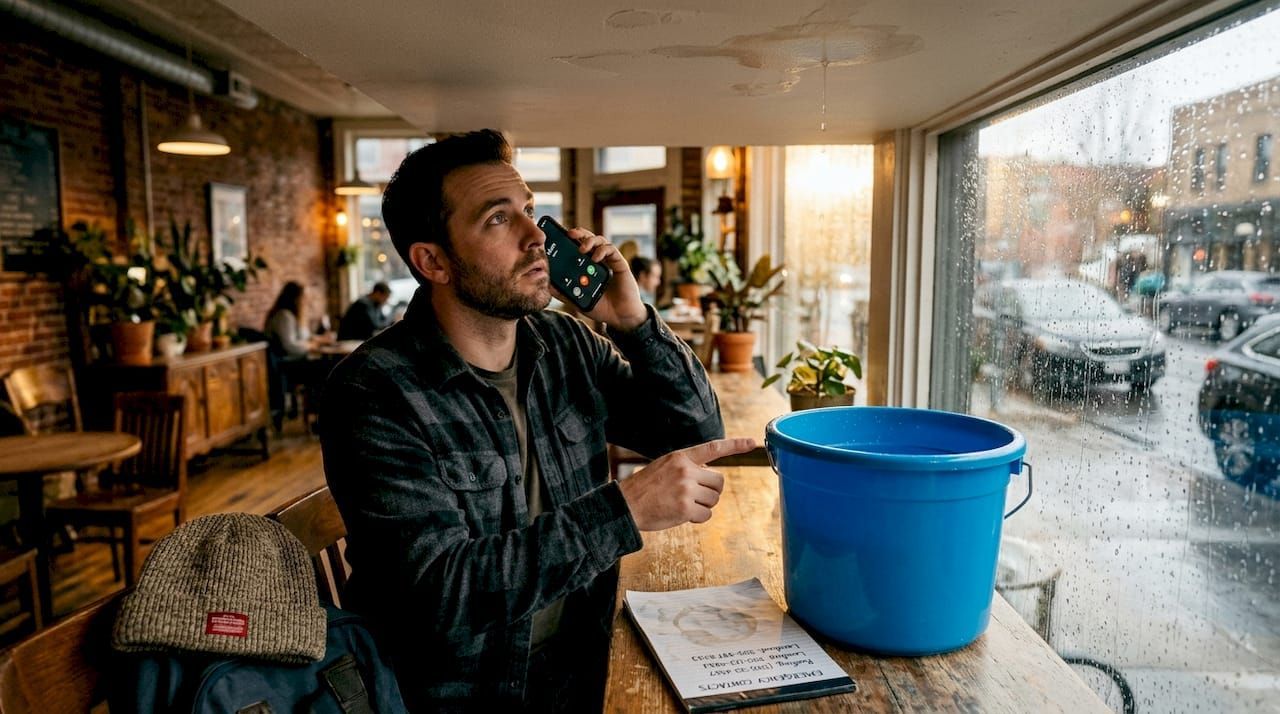
Water is coming through your ceiling right now, and every minute you wait makes the damage worse. An active roof leak in an apartment building, what professionals call an "emergency water intrusion event," can escalate from a minor drip to a five-figure repair bill in hours. This guide gives both residents and property managers in Northern California a clear, step-by-step roof leak response plan: what to grab first, what to document, what California law requires, and when to call in professionals. Read this before the next storm season hits.
Table of Contents
- Key takeaways
- Apartment roof leak emergency response: what to have ready
- Step-by-step actions during an active leak
- California law and your rights during a leak
- Advanced mitigation for property managers
- Common mistakes that make leaks worse
- My honest take on why documentation wins every time
- When to call Shieldguardroofing
- FAQ
Key takeaways
| Point | Details |
|---|---|
| Act within minutes, not hours | Contain water immediately with buckets and plastic sheeting to limit floor and furniture damage. |
| Written notice is legally required | California tenants must notify landlords in writing to protect their repair and deduct rights. |
| Structural signs demand evacuation | Sagging or deformed ceilings require immediate evacuation and professional assessment, not DIY fixes. |
| Moisture mapping prevents escalation | Document moisture spread in the first 24 hours to protect insurance claims and guide proper repairs. |
| Professional follow-up is non-negotiable | Temporary tarping without interior drying allows mold to develop and damage to worsen silently. |
Apartment roof leak emergency response: what to have ready
The worst time to search for a bucket is when water is actively dripping onto your floor. A solid apartment roof leak emergency response starts before the leak happens. Think of it like a fire extinguisher: you hope you never need it, but you want it within arm's reach.
Here is what every apartment unit and property management office should have on hand:
For containment:
- Several large buckets, pots, or waterproof containers in different sizes
- Heavy-duty plastic sheeting or painter's tarps (at least 6 mil thickness)
- Trash bags for wrapping electronics and valuables quickly
- Absorbent towels or mop supplies for floor protection
For documentation:
- A charged phone with video and photo capability
- A written repair request template saved in your email drafts
- Your landlord or property manager's contact information in writing, including an after-hours emergency line
- Your renter's insurance policy number and claims contact
For safety:
- Waterproof flashlight
- Rubber gloves
- Non-slip footwear for wet floors
Pro Tip: Save a photo of your landlord's contact information and lease emergency clause in your phone's camera roll. When water is pouring in, you do not want to be searching through email.
| Item | Purpose | Where to store it |
|---|---|---|
| Large buckets (2-3) | Catch active drips | Closet or utility area |
| 6 mil plastic sheeting | Protect furniture and floors | Under the bed or in a closet |
| Repair request template | Written notification to landlord | Email drafts or printed copy |
| Flashlight | Assess dark areas safely | Kitchen drawer |
| Renter's insurance info | File claims promptly | Phone notes or wallet |
Step-by-step actions during an active leak
When water starts coming in, your instinct might be to panic. Do not. Work through these steps in order.
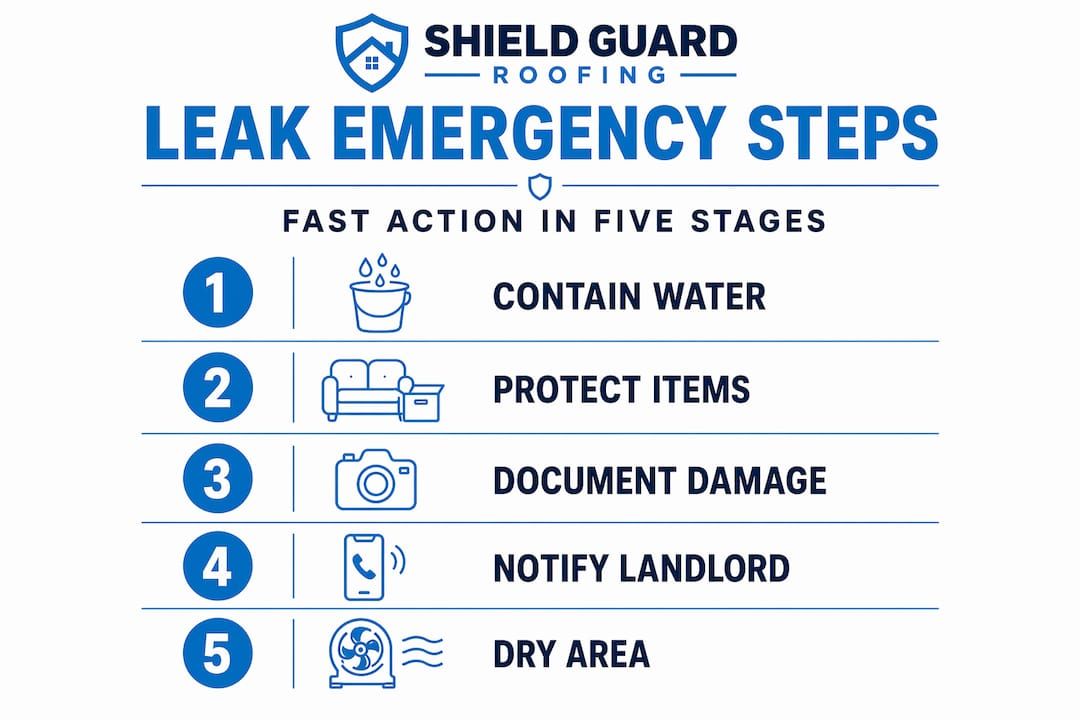
-
Contain the water first. Place buckets or pots directly under active drips. Spread plastic sheeting across the floor around the leak zone to protect hardwood, carpet, and baseboards. Every minute of uncontrolled water contact increases damage.
-
Move valuables and electronics. Carry laptops, TVs, and important documents to a dry room. For furniture you cannot move, drape plastic sheeting or trash bags over it immediately.
-
Notify your landlord or property manager in writing. Send a text, email, or both right now. Written repair requests create the legal paper trail you will need if the situation escalates. Include the time, location in the unit, and a description of what you see.
-
Photograph and video everything. Capture the active drip, water staining on the ceiling, wet floors, and any damaged belongings. Date-stamp your photos by sending them to yourself via email or text.
-
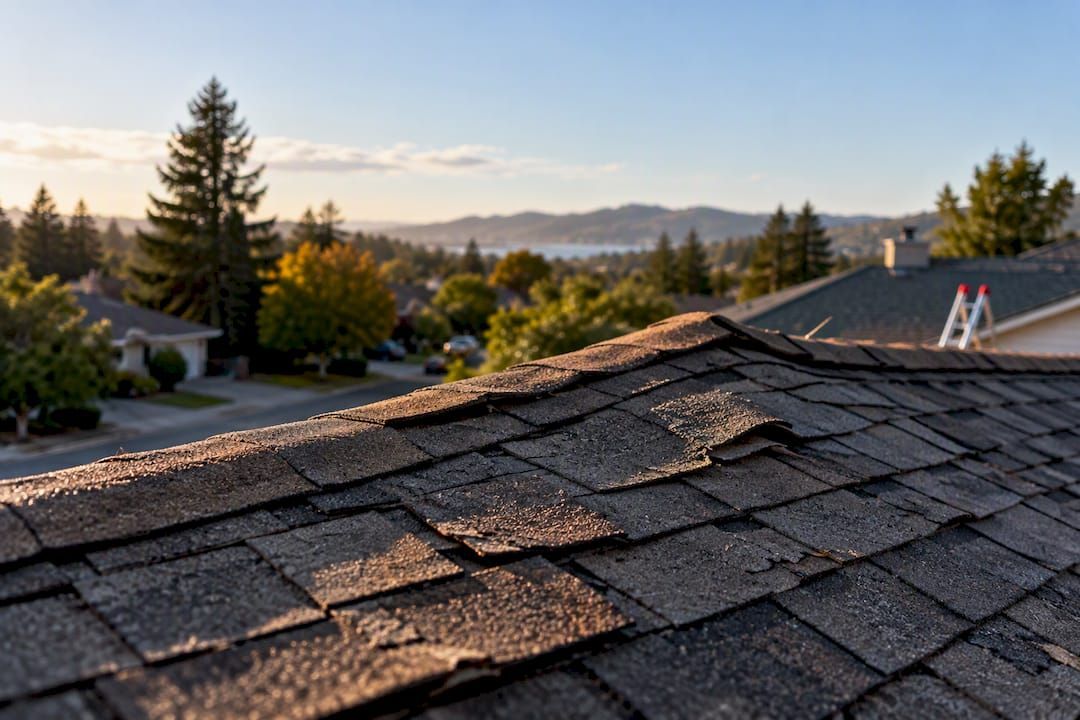
Assess for structural danger. Look at your ceiling carefully. Is it sagging, bulging, or visibly deformed? Structural signs like sagging indicate the roof deck above may be compromised. Do not stand under a bulging ceiling. Evacuate that room and notify emergency services if the deformation is severe.
-
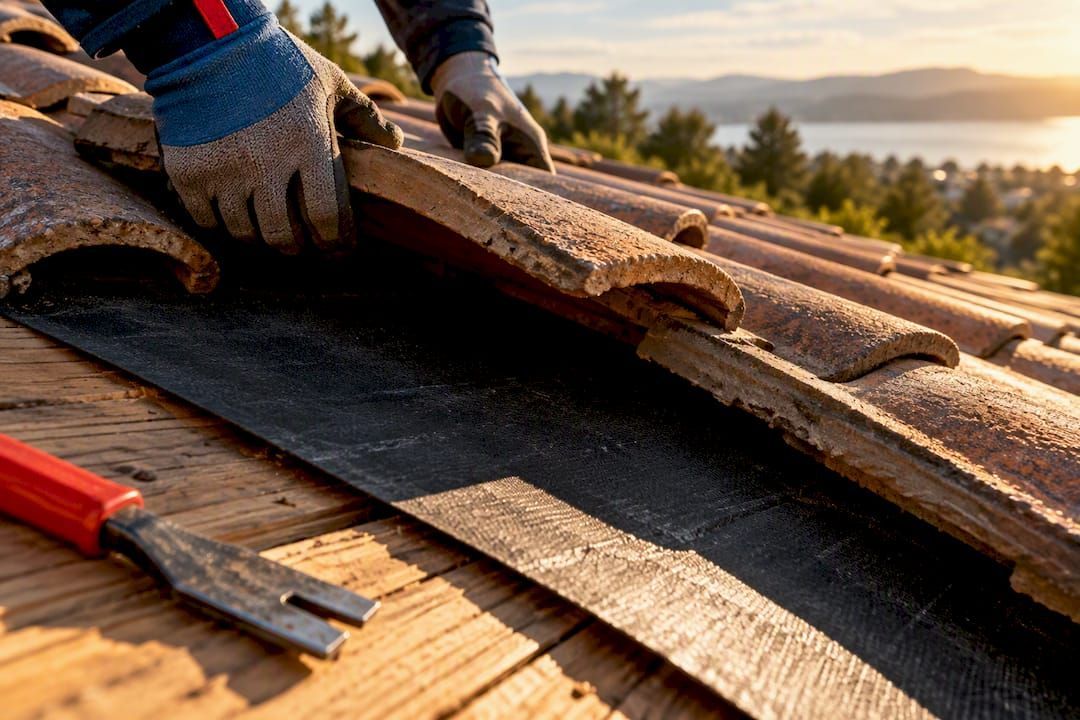
Apply temporary exterior protection if you have roof access. Property managers with safe roof access can deploy a temporary tarp over the affected area. Tarping slows water intrusion and protects structure, insulation, and interiors until a professional can make permanent repairs. Residents should never attempt roof access without authorization and proper safety equipment.
-
Communicate next steps clearly. If you are the property manager, send a written update to the affected resident within two hours. Explain what has been done, what is being arranged, and the expected timeline for professional repair.
"A leak that gets documented thoroughly in the first hour is a leak that gets repaired correctly and compensated fairly. A leak that gets ignored for even a few hours becomes a dispute." — Shieldguardroofing field experience, Northern California
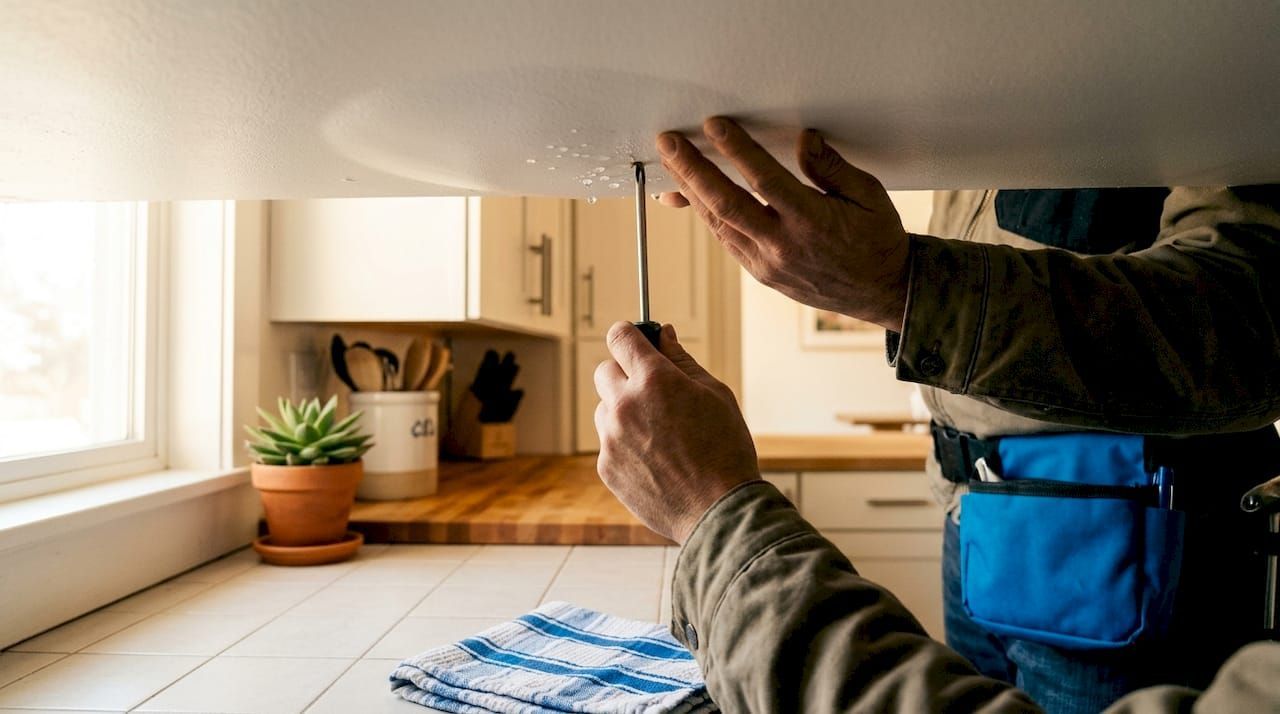
Pro Tip: If your ceiling is actively bulging with trapped water, carefully puncture the lowest point with a screwdriver to release it in a controlled stream into a bucket. This prevents a sudden collapse that could damage far more than a controlled release.
California law and your rights during a leak
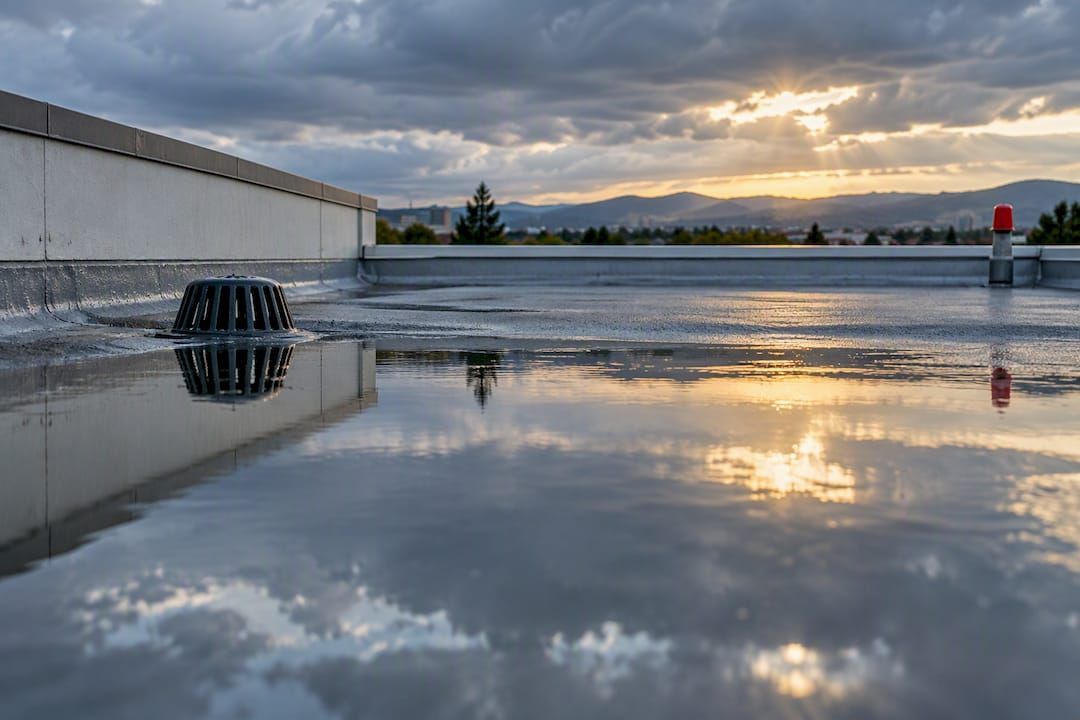
Here is something many residents and even some managers do not fully understand. Water intrusion from roof leaks is a habitability violation under California law. This is not a gray area. A landlord's failure to maintain a waterproof roof violates California Civil Code Section 1941.1, which defines the minimum conditions for a habitable rental unit.
What this means practically:
- Landlords must maintain waterproof roofing. This is a non-negotiable legal obligation, not a courtesy.
- Tenants have the right to request repairs in writing. Verbal requests are nearly impossible to prove and carry no legal weight on their own.
- Emergency timelines are shorter. A "reasonable time" to repair is typically 30 days for non-urgent issues. For emergency habitability repairs, that window shrinks to 24 to 48 hours.
- Repair and deduct is a legal option. If a landlord fails to act after written notice and a reasonable repair window, California tenants can spend up to one month's rent on repairs and deduct that cost from the next rent payment. There are strict procedural requirements, so document every step.
| Situation | Tenant right | Landlord obligation |
|---|---|---|
| Active roof leak | Written repair request | Respond within 24-48 hours |
| Landlord inaction after notice | Repair and deduct (up to 1 month's rent) | Complete repairs within reasonable time |
| Uninhabitable conditions | Withhold rent or break lease | Maintain waterproof, habitable unit |
| Damaged personal property | Document and pursue compensation | Address hazard promptly |
Pro Tip: Always send your written repair request via email AND text message. This gives you two timestamped records. Follow up with certified mail if the landlord does not respond within 24 hours on an emergency leak.
Misunderstandings about repair and deduct requirements are common. Tenants sometimes skip the written notice step or do not allow a reasonable repair window before deducting costs. Both mistakes can backfire legally. Follow the process exactly.
Advanced mitigation for property managers
Once the immediate emergency is stabilized, the work for property managers is just beginning. This is where many well-intentioned managers make costly mistakes by stopping at the visible damage and missing what is happening inside walls and subfloors.
Effective emergency response in multifamily buildings requires coordination among roofing contractors, restoration professionals, insurance adjusters, and property management. No single trade handles all of it alone.
Here is what a thorough post-emergency mitigation process looks like:
- Engage a licensed restoration company within the first 24 hours. Early professional involvement prevents small leaks from becoming six-figure problems. Restoration crews bring moisture meters, industrial drying equipment, and mold prevention protocols that no property manager can replicate with fans and towels.
- Request moisture mapping before any repairs begin. Moisture mapping uses thermal imaging and moisture meters to trace exactly where water has traveled. Skipping this step means repairing visible damage while hidden moisture continues to grow mold inside walls.
- Install temporary roof tarping immediately. Remember that tarping alone is not enough. Exterior tarping must be paired with interior moisture management. The roof stops getting wetter, but the moisture already inside continues spreading without active drying.
- Set up containment and air scrubbers. If water has reached drywall or insulation, containment prevents mold spores from spreading to unaffected units during the drying process.
- Verify complete drying before closing walls. Do not let contractors close drywall until moisture readings confirm the structure is dry. This is non-negotiable.
| Mitigation step | Who performs it | Timing |
|---|---|---|
| Temporary tarping | Roofing contractor | Within 2-4 hours of leak detection |
| Moisture mapping | Restoration company | Within first 24 hours |
| Interior drying setup | Restoration company | Within 24-48 hours |
| Mold prevention treatment | Restoration company | After drying is confirmed |
| Permanent roof repair | Licensed roofing contractor | After structure is fully dry |
Pro Tip: Ask your restoration company for written moisture readings at the start and end of drying. These records are critical for insurance claims and protect you if a resident later reports mold.
Documentation including photos and moisture readings is the backbone of any successful insurance claim. Without it, adjusters have no basis to approve the full scope of repairs.
Common mistakes that make leaks worse
Even well-meaning residents and managers make these errors under pressure. Knowing them in advance keeps a bad situation from getting worse.
- Delaying written notification. Every hour without written notice weakens your legal position as a tenant and your insurance documentation as a manager.
- Failing to move valuables. Water damage to electronics and furniture is often preventable. Move items first, then document what you could not move.
- Ignoring ceiling deformation. A sagging ceiling is not just a cosmetic issue. Safety must come first when structural integrity is in question. Clear the room.
- Trusting temporary fixes as final solutions. A bucket and a tarp buy you time. They are not repairs. Waiting weeks to schedule professional follow-up allows mold to establish and damage to compound.
- Skipping the restoration company. Many managers call only a roofer. Roofers fix the roof. They do not dry your building or map moisture. You need both.
- Not understanding your timeline rights. Tenants who do not know that emergency repairs require a 24 to 48 hour response window often wait weeks without escalating, losing both time and legal leverage.
Pro Tip: Set a calendar reminder 48 hours after your written repair request. If you have not received a response or seen action by then, escalate in writing immediately. Do not wait and hope.
My honest take on why documentation wins every time
I have worked with property managers and residents across Northern California who handled the same type of leak in very different ways. The ones who came out ahead, financially and legally, shared one thing: they documented everything from the first minute and kept communicating in writing.
I have seen leaks that looked minor turn into mold remediation projects costing tens of thousands of dollars, simply because nobody mapped the moisture in the first 24 hours. I have also seen residents lose legitimate repair and deduct claims because they called their landlord instead of texting or emailing, leaving no paper trail.
What I tell every property manager I work with: treat every leak like it will end up in front of a judge or an insurance adjuster. Because sometimes it does. The managers who have a timestamped photo log, written communications, moisture reports, and contractor invoices are the ones who win those conversations.
My advice to residents is equally direct. You have real legal rights under California law, but those rights only protect you if you follow the process. Write it down. Send it now. Do not assume a verbal conversation is enough.
The urgency is real, but panic helps nobody. A clear head, a phone camera, and a written message to your landlord are more powerful than any temporary fix.
— Cesar
When to call Shieldguardroofing
When a roof leak hits your apartment building in Northern California, you need a team that handles the full picture, not just the visible damage. Shieldguardroofing is a family-owned company with over 75 years of combined roofing experience serving residents and property managers across NorCal. From emergency tarping and residential roof repairs to full commercial roof repair services for multifamily buildings, the team responds fast and works with your timeline. Whether you need an urgent inspection, temporary stabilization, or a permanent repair using premium GAF materials, Shieldguardroofing has you covered. Do not wait for the next rainstorm to find out how bad the damage really is. Schedule a site visit today and get a clear picture of what your roof actually needs.
FAQ
What should I do first when my apartment roof is leaking?
Place buckets under active drips, move valuables to a dry area, and send a written notification to your landlord or property manager immediately with photos attached.
How long does a California landlord have to fix a roof leak?
For emergency habitability issues like active roof leaks, a landlord's reasonable repair window is typically 24 to 48 hours, compared to up to 30 days for non-urgent repairs.
Can I deduct repair costs from my rent for a roof leak in California?
Yes. California's repair and deduct law allows tenants to spend up to one month's rent on habitability repairs after providing written notice and allowing a reasonable repair window without landlord action.
When should I evacuate my apartment because of a roof leak?
Evacuate immediately if you see the ceiling sagging, bulging, or visibly deforming. These are signs of structural compromise that require professional assessment and emergency services notification.
Why is moisture mapping important after a roof leak?
Moisture mapping traces exactly where water has traveled inside walls and subfloors. Without it, hidden moisture continues spreading and causes mold growth even after visible damage is repaired.
Recommended