How Roofing Inspections Protect Tenants: 2026 Guide
How Roofing Inspections Protect Tenants: 2026 Guide
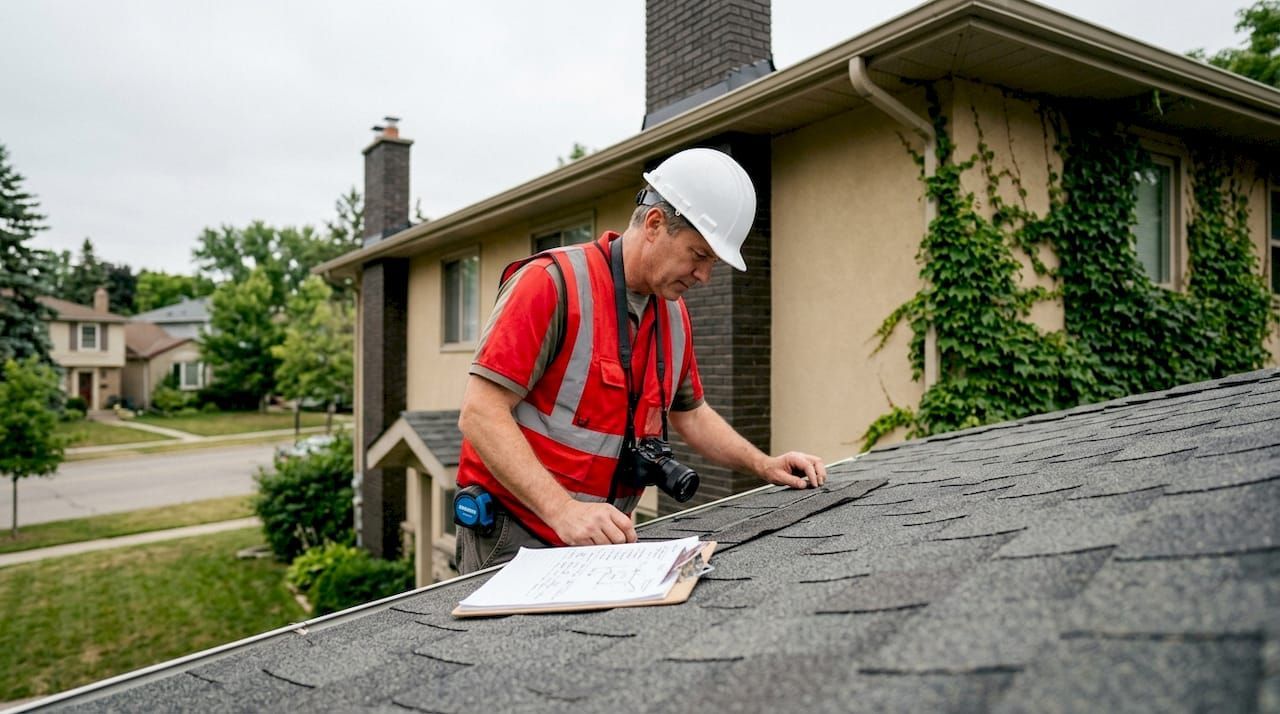
A professional roof inspection is a systematic assessment of every component above your tenants' heads, and it is the single most reliable way to prevent safety hazards before they reach the living space below. How roofing inspections protect tenants comes down to one principle: catching small failures before they become emergencies. Annual inspections costing $300–$1,500 can prevent $5,000–$50,000 or more in damages when problems are caught 12–36 months early. That math alone makes inspections one of the highest-return investments a property manager can make. The industry term for this practice is preventive roof maintenance, and it covers everything from shingle integrity to fall protection compliance under OSHA standards.
How roofing inspections protect tenants: what gets examined
A thorough inspection covers far more than a visual scan from the parking lot. Critical damages like deteriorated underlayment, flashing faults, and soft deck spots are invisible from the ground or a drone survey. Manual rooftop and attic access is the only way to find these hidden failures before they let water into your building.
A qualified inspector works through each of the following areas:
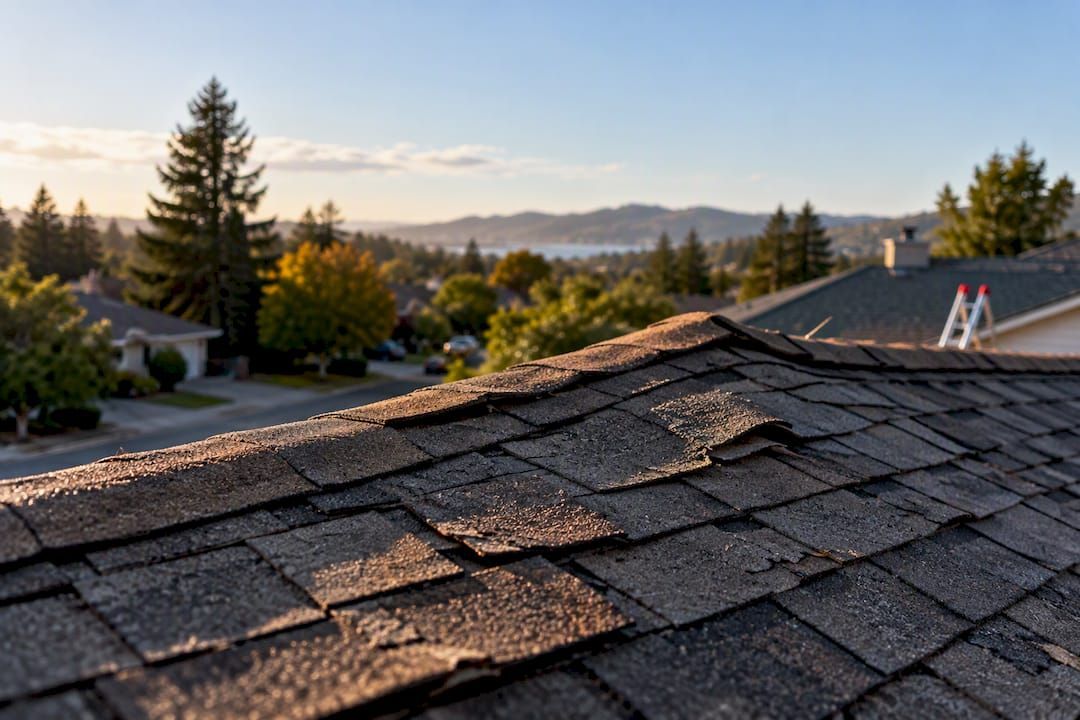
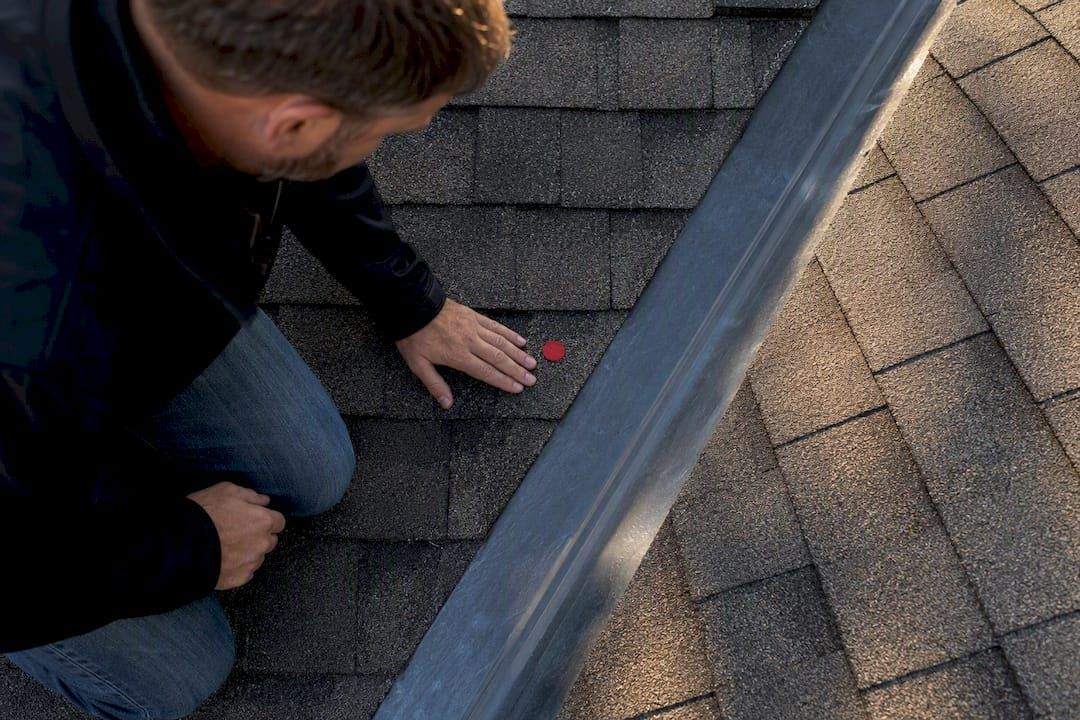
- Shingles and surface materials: Cracked, curling, or missing shingles expose the underlayment to UV damage and rain infiltration.
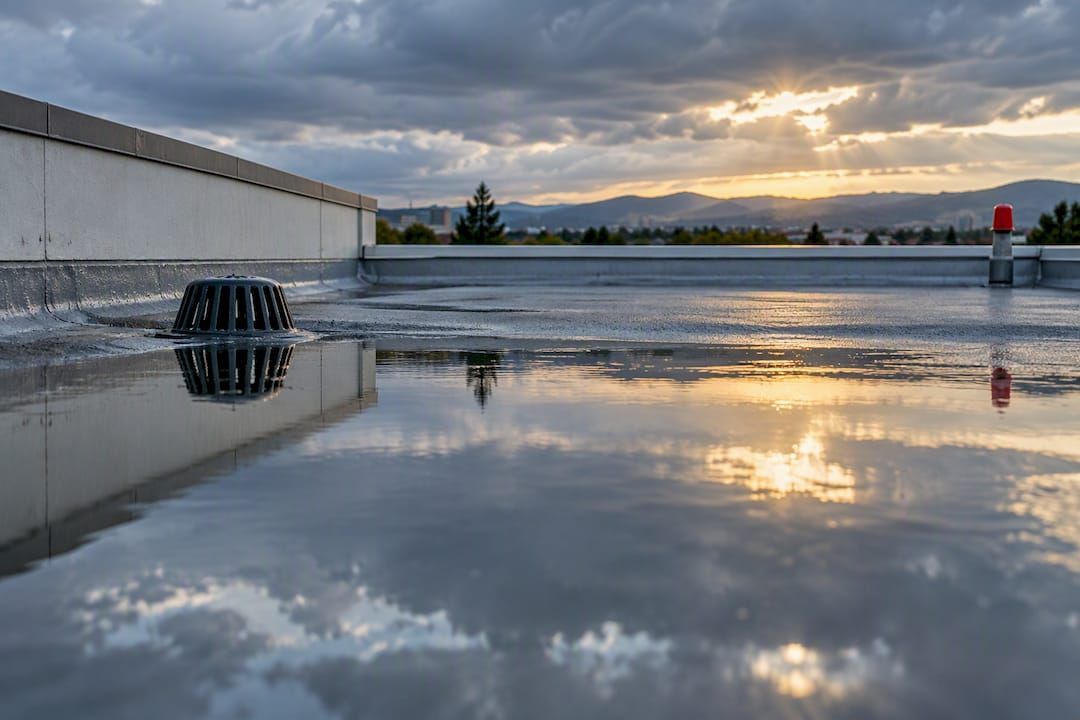
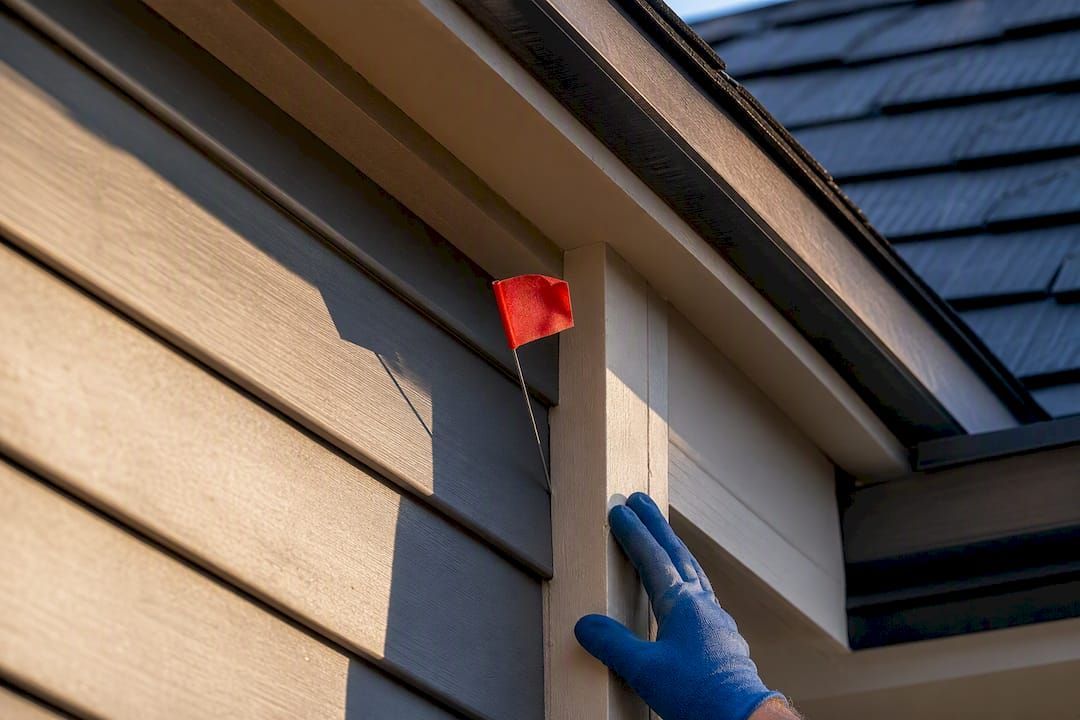
- Flashing and seams: Flashing around chimneys, vents, and skylights is the most common entry point for water. Failed seams on flat commercial roofs cause pooling that accelerates membrane breakdown.
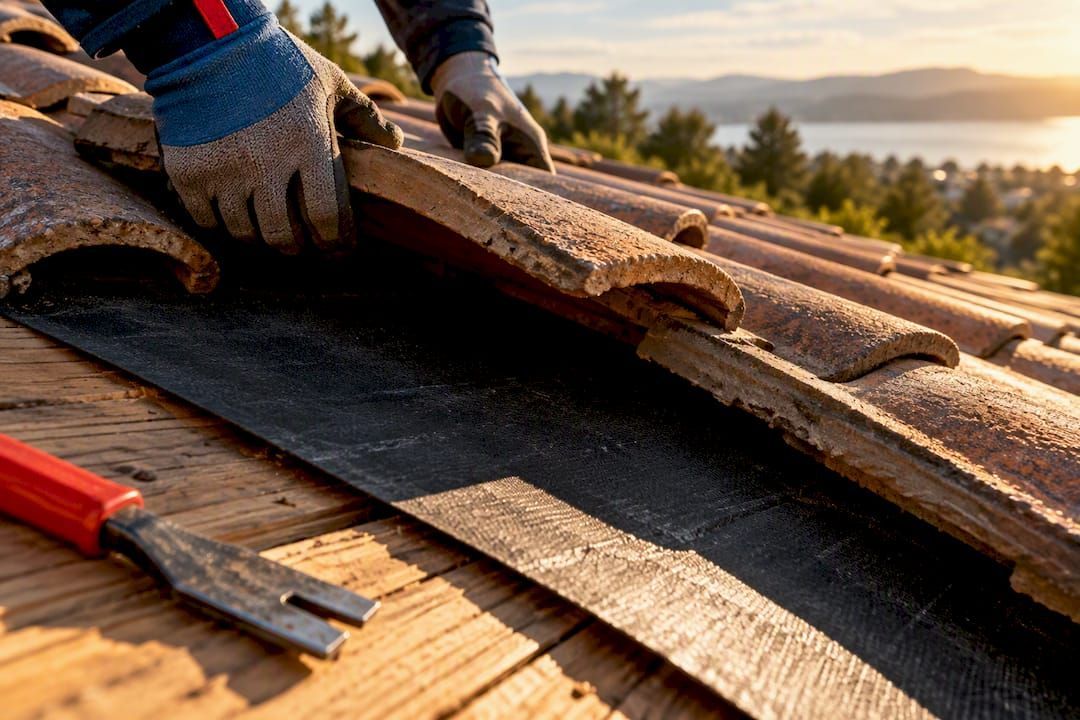
- Underlayment integrity: This waterproof layer sits beneath the surface material. Once it deteriorates, water reaches the deck and then the ceiling below.
- Attic moisture and ventilation: Poor attic airflow traps heat and humidity, which breeds mold and weakens roof decking from the inside out.
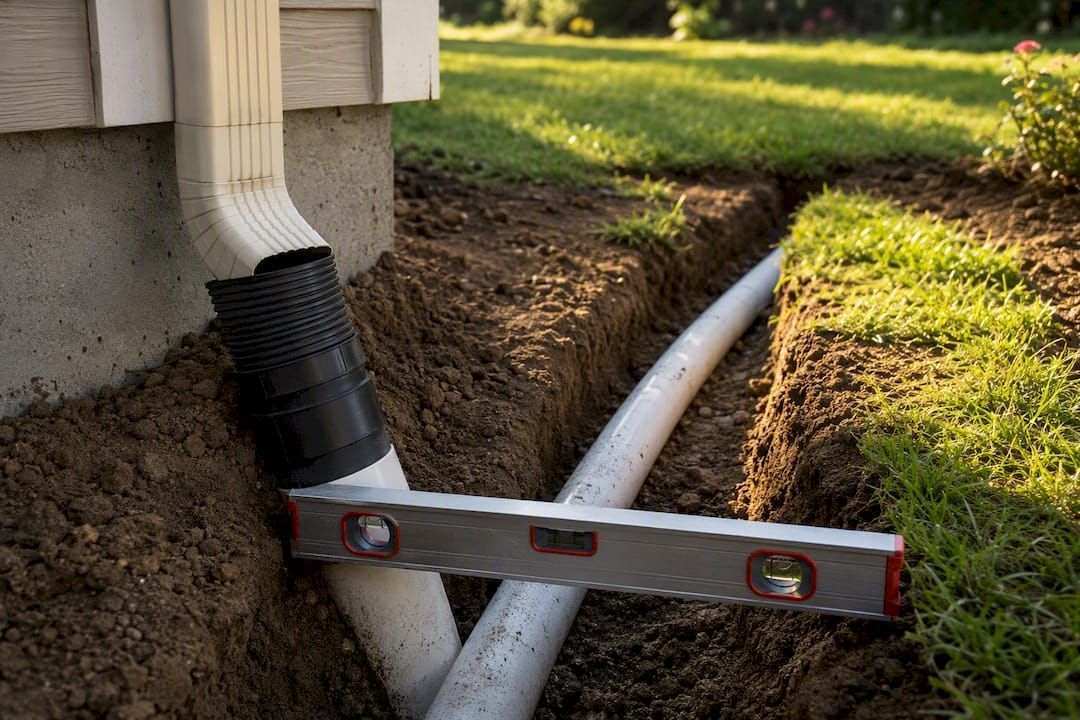
- Gutters and drainage: Blocked gutters force water back under the roofline. A gutter and drainage check is a standard part of any complete inspection.
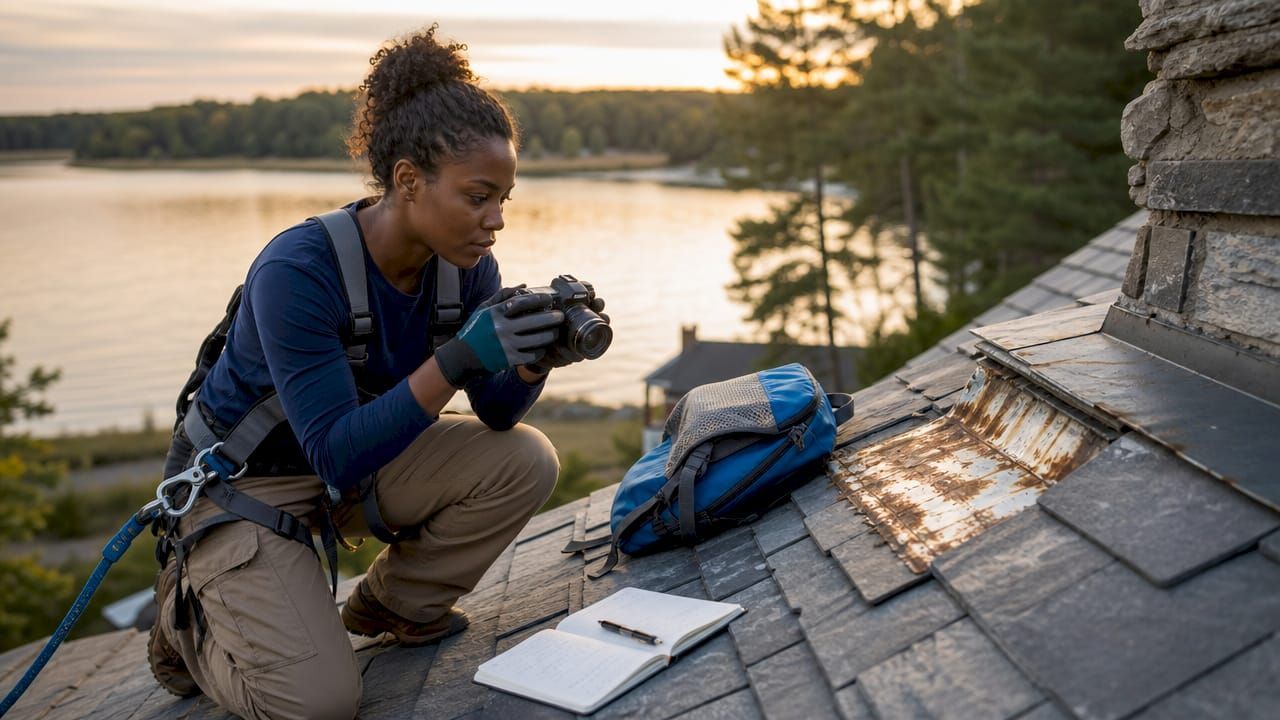
- Fall protection systems: Anchors, guardrails, and lifeline attachments must be checked for corrosion, load capacity, and secure mounting to protect maintenance workers who access the roof.
Pro Tip: Ask your inspector to photograph every defect found in the attic and on the roof surface. That photo record becomes your evidence file for insurance claims and capital planning.
How often should property managers schedule roof inspections?
The standard professional recommendation is two full inspections per year, one in spring and one in fall. Spring inspections catch damage from winter storms and freeze-thaw cycles. Fall inspections prepare the roof for rain season and heavy weather ahead.
Two inspections per year is the baseline. You need additional checks in three specific situations:
- After any significant storm. Wind, hail, and heavy rain can strip flashing, crack shingles, and clog drains overnight. A post-storm inspection captures damage while it is still fresh and documentable for insurance.
- When a tenant reports a leak or ceiling stain. Tenant reports are early warning signals. Treat every report as a confirmed problem until an inspector says otherwise.
- When onsite staff notice interior moisture. Train your maintenance team to flag water stains, peeling paint, and musty odors in top-floor units. Interior moisture monitoring by onsite staff between professional visits catches slow leaks before they spread.
The financial case for this schedule is clear. Proactive roof maintenance extends roofing system life to an average of 21 years, compared to just 11 years under reactive maintenance. That is nearly a decade of additional service life from a roof you already own. Replacing a roof early because of neglected maintenance is one of the most avoidable capital expenses in property management.
How do inspections reduce liability and improve tenant satisfaction?
Proactive inspections protect you legally, financially, and reputationally. Regular inspections demonstrate a commitment to tenant safety, reduce tenant turnover, and provide documented evidence for insurance claims when storm damage occurs. That documentation is what separates a fast insurance payout from a prolonged dispute.
A roof that fails without warning does not just damage property. It displaces tenants, triggers health complaints from mold exposure, and opens the door to legal action. A documented inspection history shows you acted responsibly.
The liability picture extends beyond tenant relations. Fall protection systems require annual recertification and load testing beyond visual checks to meet OSHA standards. A visual pass is not enough. If a maintenance worker is injured on a roof with an uncertified anchor, the building owner carries significant liability. Inspections that include OSHA fall protection compliance checks close that gap.
The tenant satisfaction benefit is equally concrete:
- Tenants who see visible maintenance activity report higher satisfaction and renew leases at higher rates.
- Early leak repairs prevent the mold growth that triggers habitability complaints and code enforcement visits.
- A dry, well-maintained building signals to tenants that management cares about their living conditions.
- Fewer emergency repairs mean fewer disruptive access requests and less stress for everyone in the building.
A property manager's inspection guide can help you build the documentation habits that support both insurance claims and tenant communication.
Best practices for building an effective inspection program
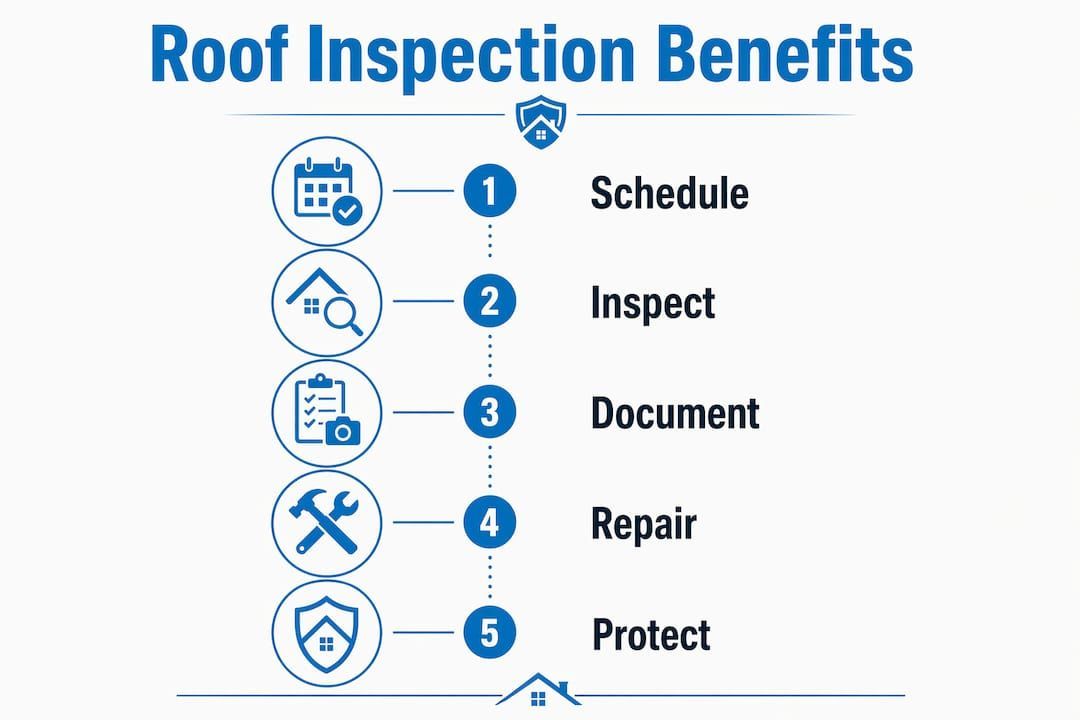
The difference between a useful inspection and a wasted one is structure. A 25-point checklist inspection protocol produces detailed, documented findings that support long-term capital planning. It moves your operation from reactive repairs to a predictable maintenance budget. Think of it the way you think about car maintenance: oil changes and tire rotations on a schedule cost far less than an engine replacement after a breakdown.
| Inspection element | Why it matters |
|---|---|
| Certified professional inspector | Catches hidden defects that untrained eyes miss |
| Standardized 25-point checklist | Creates consistent, comparable records across inspection cycles |
| Business hours scheduling | Allows interior unit access and tenant feedback collection |
| Post-storm follow-up protocol | Captures insurance-documentable damage while evidence is fresh |
| Onsite staff moisture training | Extends detection capability between professional visits |
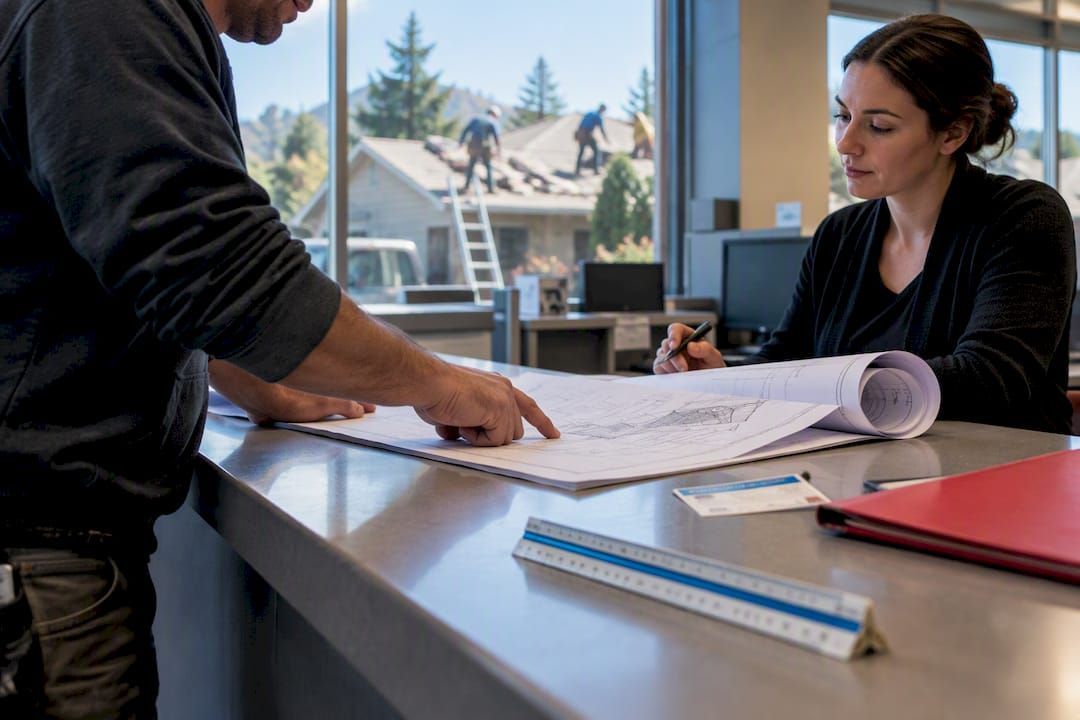
Scheduling inspections during business hours lets your inspector access interior units and cross-reference findings with tenant reports. That coordination catches leaks that only show up inside the building, not on the roof surface. It also gives you a chance to merge the inspector's findings with your maintenance team's observations into one unified report.
Use inspection data to build a rolling capital plan. When an inspector notes that flashing around a rooftop HVAC unit is showing early corrosion, you have 12–24 months to budget for that repair before it becomes an emergency. That is the core value of proactive commercial roof maintenance: turning surprises into line items.
Pro Tip: After each inspection, send tenants a brief note confirming the roof was inspected and any repairs scheduled. That one communication builds trust and reduces complaint calls significantly.
Key Takeaways
Regular roofing inspections are the most cost-effective tool property managers have to protect tenants, reduce liability, and extend roof lifespan by nearly a decade.
| Point | Details |
|---|---|
| Inspections prevent major costs | Catching damage early avoids $5,000–$50,000+ in emergency repairs per building. |
| Twice-yearly schedule is the standard | Spring and fall inspections, plus post-storm checks, cover the full risk calendar. |
| Hidden damage requires manual access | Drones and ground surveys miss underlayment failure, flashing faults, and soft deck spots. |
| OSHA compliance protects everyone | Fall protection systems need annual load testing, not just visual checks. |
| Documentation drives results | A 25-point checklist creates the records needed for insurance claims and capital budgeting. |
What I've learned after years of watching roofs get ignored
Property managers often tell me they skip the second annual inspection to cut costs. That decision almost always costs more than the inspection would have. I have seen a $400 fall inspection turn into a $28,000 emergency repair because a flashing failure went undetected through winter. The math is not complicated, but the temptation to defer is real when budgets are tight.
The other mistake I see regularly is over-reliance on drone surveys. Drones are useful for spotting obvious surface damage after a storm. They cannot tell you whether the underlayment is failing, whether the attic has moisture, or whether a fall protection anchor will hold under load. A drone pass is a supplement, not a substitute for a boots-on-roof inspection.
What actually works is combining professional inspections with trained onsite staff. When your maintenance team knows what a ceiling stain means and reports it immediately, you catch leaks at the drip stage instead of the collapse stage. Pair that with a preventive maintenance schedule and you have a system that protects tenants and protects your budget at the same time. The roof is not a set-it-and-forget-it system. Treat it like the critical infrastructure it is.
— Cesar
Shieldguardroofing: professional inspections for NorCal property managers
Shieldguardroofing has served Northern California property managers and landlords for over 75 combined years, and tenant safety is the foundation of every inspection we perform. We use premium GAF and Brava materials backed by industry-leading warranties, and our inspection process follows a documented protocol that gives you the records you need for insurance claims, capital planning, and OSHA compliance.
Whether you manage a single residential rental or a multi-family commercial property, our team delivers honest findings and clear repair recommendations. Schedule a residential roofing inspection or a commercial roof assessment with Shieldguardroofing today. We will tell you exactly what your roof needs and what it can wait on, so you can plan with confidence and keep your tenants safe.
FAQ
How often should a rental property roof be inspected?
Roofs on rental properties should be inspected twice per year, in spring and fall, plus after any major storm. Additional inspections are warranted whenever a tenant reports a leak or ceiling stain.
What does a professional roof inspection include?
A thorough inspection covers shingles, flashing, underlayment, attic moisture, gutters, drainage, and fall protection systems. A 25-point checklist protocol produces documented findings suitable for insurance claims and capital planning.
Can a drone replace a manual roof inspection?
No. Drones identify visible surface damage but miss deteriorated underlayment, flashing faults, and soft deck spots. Manual rooftop and attic access is required for a reliable assessment.
How do roof inspections reduce tenant turnover?
Regular inspections show tenants that management actively maintains the property, which builds trust and reduces complaints. Preventing leaks and mold also removes the habitability issues that most commonly drive tenants to leave.
What OSHA requirements apply to roof inspections?
Fall protection systems require annual recertification and load testing to meet OSHA standards. Visual checks alone do not satisfy compliance requirements for anchors, guardrails, and lifeline attachments.
Recommended