Why Commercial Roofs Need Recoating: A Property Manager's Guide
Why Commercial Roofs Need Recoating: A Property Manager's Guide
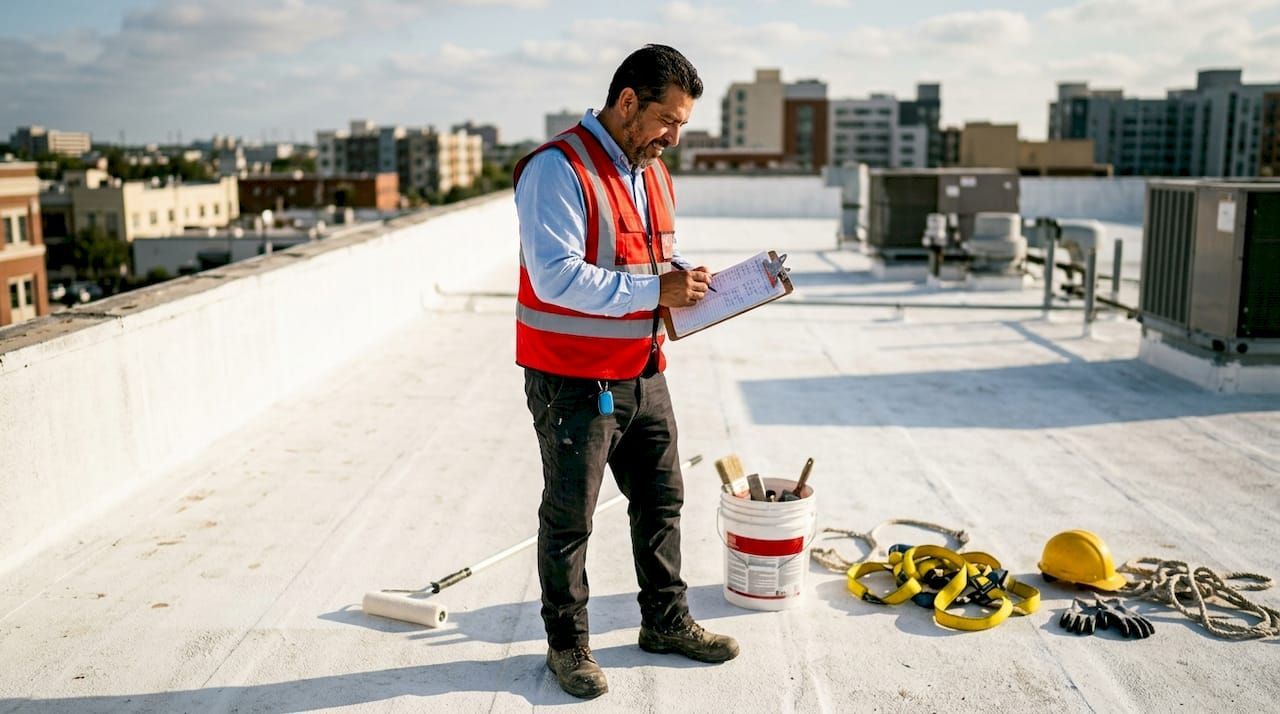
Commercial roof recoating is the process of applying a protective, reflective coating to an existing roof membrane to preserve its integrity, extend its service life, and cut energy costs. Property managers and business owners who understand why commercial roofs need recoating make better capital decisions and avoid the shock of premature full replacements. Recoating is not a repair. It is planned maintenance, and the distinction matters. A well-timed recoat can add decades to a roof's life while keeping your building protected, your tenants comfortable, and your budget intact.
Why commercial roofs need recoating before problems start
Recoating works best as prevention, not a response to failure. Recoating is not repair but planned maintenance. Waiting for leaks to appear before recoating often makes the coating ineffective and forces a full replacement instead.
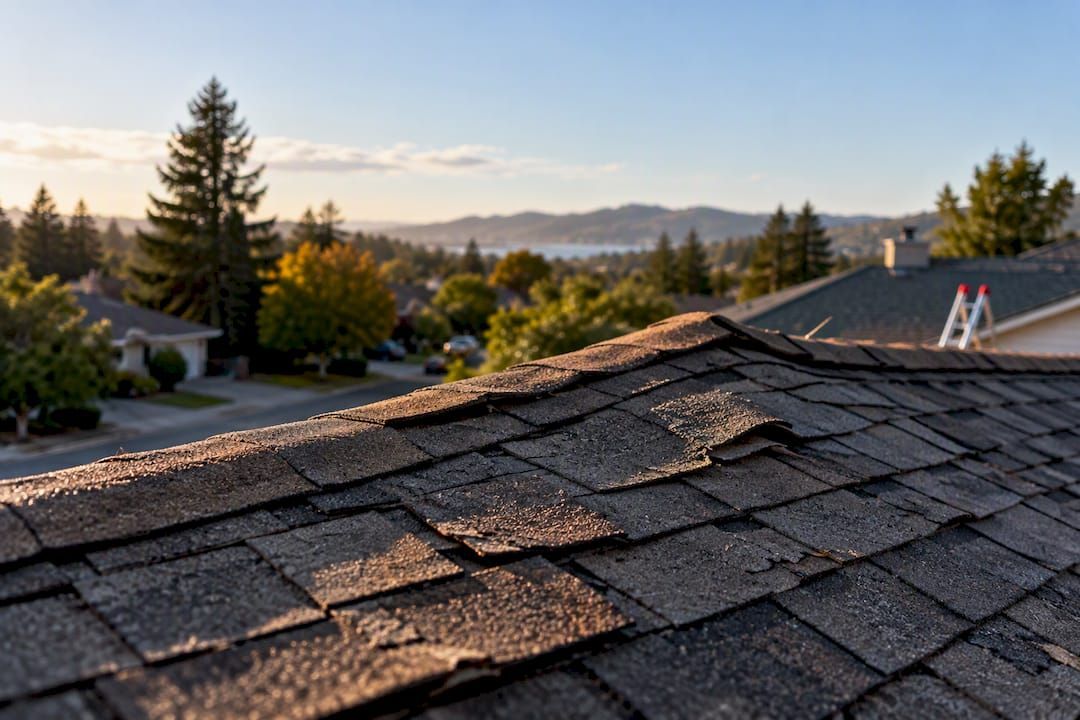
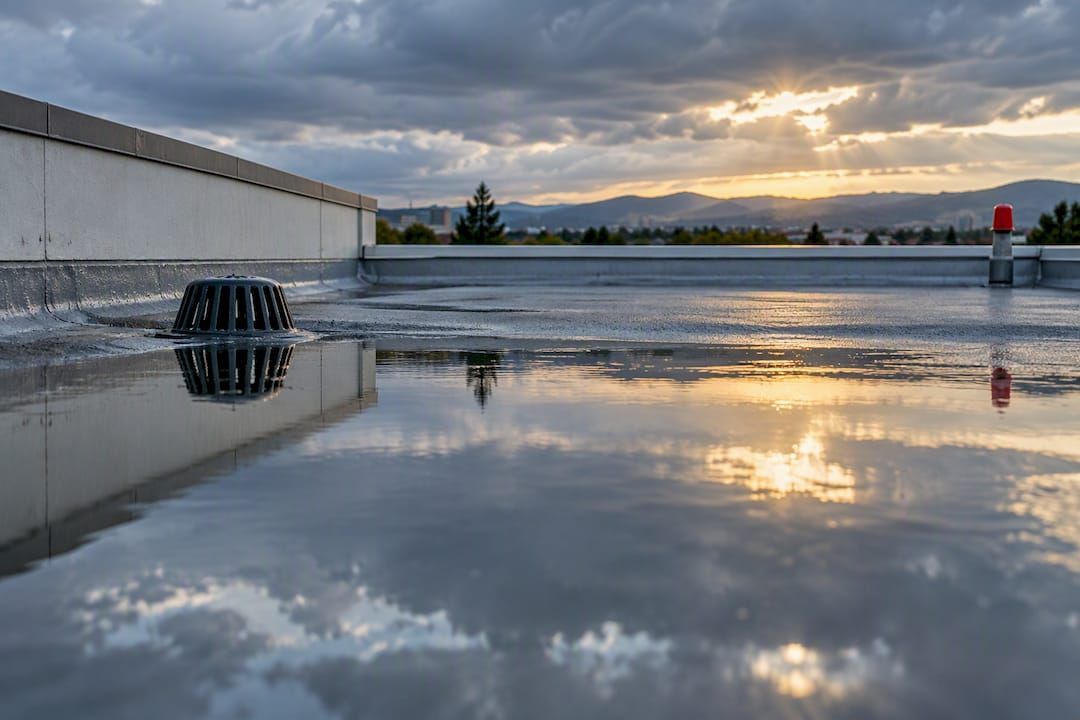
Commercial roofs face constant stress. UV radiation breaks down membrane materials year after year. Thermal cycling, where the roof expands in heat and contracts in cold, stresses seams and flashings. Ponding water accelerates membrane degradation. Without a fresh protective layer applied on schedule, the membrane loses its ability to shed water and reflect solar energy. The result is a roof that ages faster than it should.
Think of recoating the way you think about oil changes for a vehicle. You do not wait for the engine to seize. You follow a schedule because prevention costs far less than failure. The same logic applies to your roof.
What conditions make a commercial roof a good candidate for recoating?
Not every roof qualifies for recoating. Applying a coating to a compromised substrate wastes money and can accelerate damage.
The three core eligibility criteria are:
- Structural soundness: The roof deck must be free of rot, corrosion, or significant deflection. A coating cannot compensate for a failing deck.
- Limited localized damage: Roof coatings are viable only if less than 25% of the roof area needs localized repair. Widespread damage disqualifies recoating as the primary solution.
- Dry insulation: Insulation moisture content must be below 5% by weight. Wet insulation above 5% moisture leads to accelerated roof deck corrosion and structural failure if recoated over.
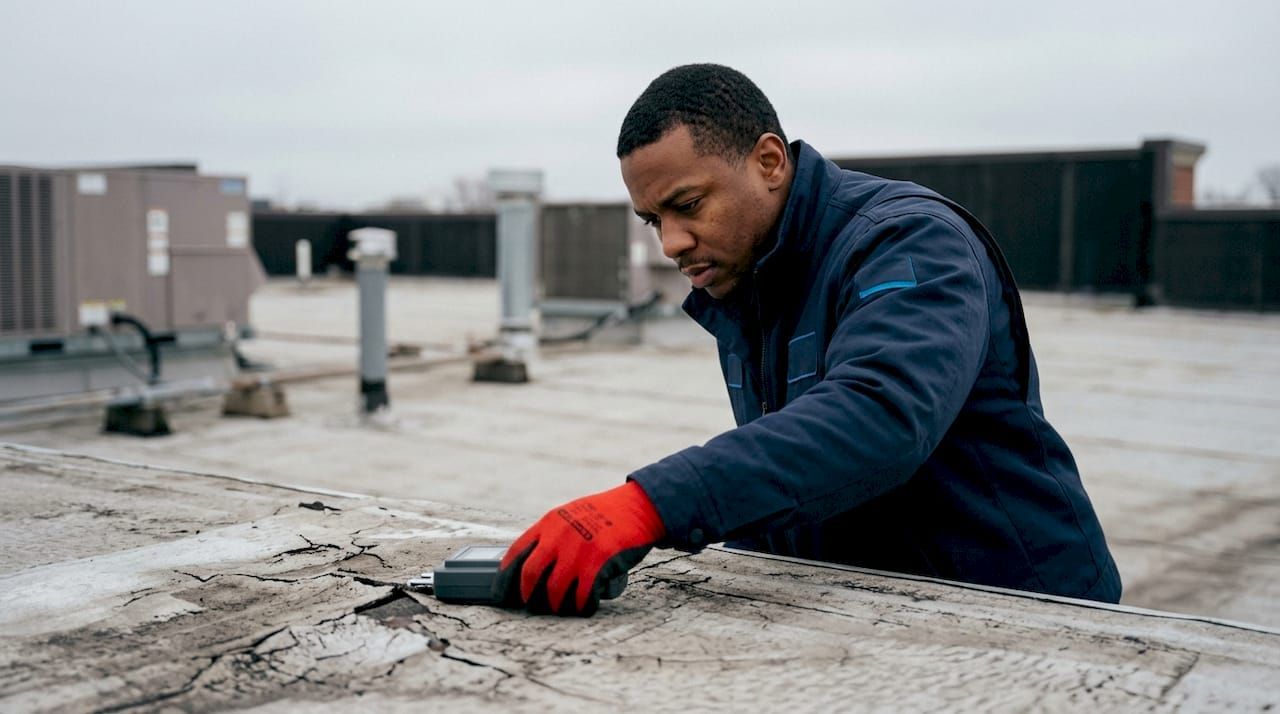
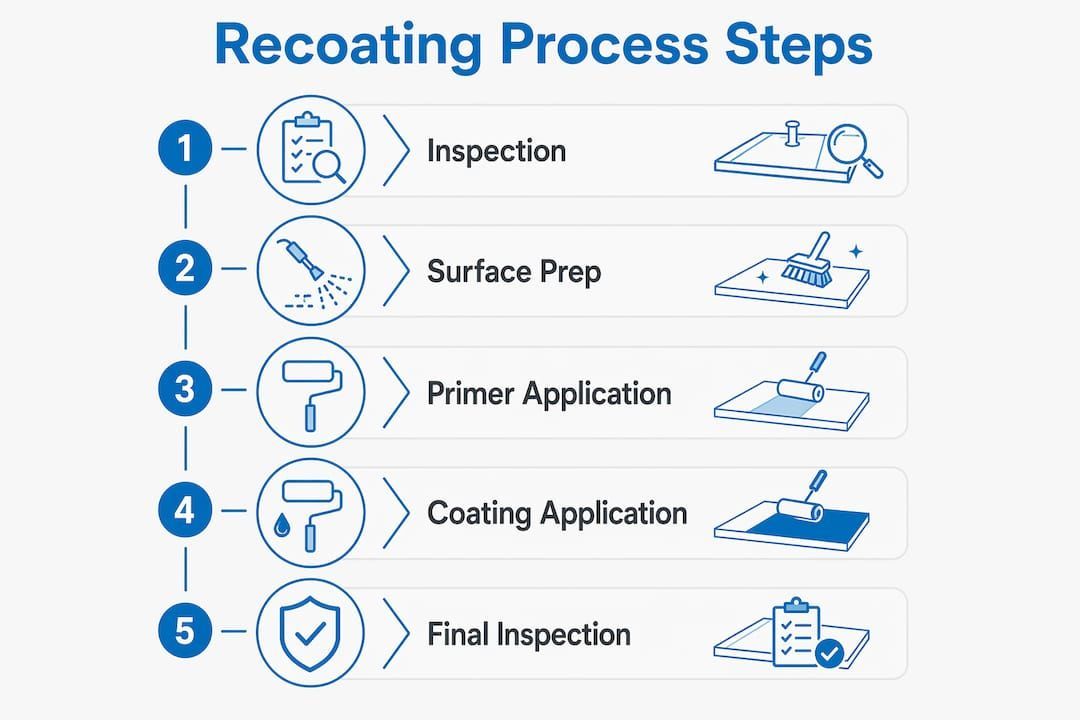
Two diagnostic tools help confirm eligibility before any coating is applied. Infrared thermal surveys detect moisture trapped beneath the membrane by measuring temperature differences after sunset. Core sampling physically removes small sections of the roof to inspect insulation condition and membrane adhesion. Both methods give you objective data rather than guesswork.
Membrane integrity is equally critical. Widespread delamination, where the membrane separates from the substrate, disqualifies a roof for recoating. Recoating over delaminated areas traps moisture and accelerates failure.
Pro Tip: Schedule an infrared survey in the fall, after a warm day, when temperature differentials between wet and dry insulation are most pronounced. You will get cleaner, more reliable data.
How does roof recoating extend roof life and reduce costs?
The financial case for recoating is direct. Recoating a commercial roof can save 50–70% of the cost compared to full tear-off and replacement, and can extend roof life by 10–20 years. For a large commercial property, that difference can represent hundreds of thousands of dollars in deferred capital expenditure.
Typical recoating costs range from $1.50 to $4.00 per square foot, approximately 40–60% less expensive than replacement. That cost advantage compounds when you factor in reduced operational disruption. A full tear-off requires shutting down rooftop equipment, coordinating with tenants, and managing construction debris. Recoating is applied in place, usually without interrupting building operations.
The environmental benefit is real too. Tear-off replacement sends thousands of pounds of old roofing material to landfills. Recoating eliminates that waste entirely.
Energy savings add another layer of value. Reflective roof coatings can reflect 80–90% of solar energy, significantly reducing HVAC cooling loads and energy costs. That means lower utility bills every summer, not just a one-time savings.
The benefits stack up in a clear sequence:
- Waterproofing restored. A fresh coating seals minor cracks and pinholes before they become active leaks.
- UV protection renewed. Coatings absorb and reflect UV radiation that would otherwise degrade the membrane.
- Solar reflectivity increased. High-reflectivity coatings reduce roof surface temperatures, cutting cooling demand.
- Roof life extended. Proactive maintenance including recoating can extend roof life by 25–40%, while ignoring roofs until failure leads to replacement costs 35–100 times higher.
- Capital planning simplified. A recoated roof with a documented maintenance history is easier to budget for and insure.
Recoating fits into a commercial roof maintenance cycle the same way scheduled inspections do. It is a line item in your capital plan, not an emergency expense.
What types of coatings are used in commercial recoating projects?
Choosing the right coating type affects performance, longevity, and maintenance requirements. The three most common options each have distinct characteristics.
| Coating Type | Typical Lifespan | Best Climate | Key Consideration |
|---|---|---|---|
| Silicone | 15–20 years | All climates, especially wet | Requires primer; dirt accumulation reduces reflectivity over time |
| Acrylic | 10–15 years | Dry to moderate climates | Lower cost; not ideal for ponding water areas |
| Urethane | 10–15 years | High-traffic or impact-prone areas | More durable under foot traffic; less flexible than silicone |
Silicone and acrylic coatings last 15–20 years and 10–15 years respectively with proper maintenance. Silicone performs well in wet climates because it does not absorb water, but it does attract dirt, which gradually reduces its solar reflectivity. Acrylic coatings cost less upfront but degrade faster in areas with standing water.
Coating thickness directly affects service life. A thicker application, typically measured in dry mils, provides better UV resistance and waterproofing. Most manufacturers specify a minimum dry film thickness for warranty coverage. Applying below that threshold voids the warranty and shortens the coating's effective life.
Adhesion pull testing and primer applications for silicone coatings are critical to long-term performance. Skipping adhesion testing before application is one of the most common causes of premature delamination. A pull test measures how well the coating bonds to the existing membrane. If adhesion is insufficient, a primer is applied first to create a proper bond.
Spray polyurethane foam systems, known as SPF roofing, follow a different schedule. SPF roofing systems require a protective coating renewal every 5–10 years to prevent UV damage to the foam layer beneath. Without that renewal, the foam degrades rapidly and loses its insulating value.
Pro Tip: Always request a coating compatibility test before applying a new product over an existing coating. Some silicone products do not bond well to aged acrylic surfaces without a primer, and the failure will not show up until months after application.
For a deeper look at coating types and 2026 guidelines, Shieldguardroofing has published a detailed facility guide covering product selection and application standards.
What are best practices for maintaining a recoated commercial roof?
A recoated roof is not a set-and-forget asset. Consistent maintenance determines whether you get 10 years or 20 years from your investment.
The National Roofing Contractors Association (NRCA) recommends inspecting commercial roofs twice annually, in spring and fall. Spring inspections catch damage from winter storms and freeze-thaw cycles. Fall inspections prepare the roof for cold weather and identify any summer UV degradation.
Key maintenance tasks between inspections include:
- Clearing debris. Leaves, branches, and dirt accumulate in drains and low spots, causing ponding water that stresses the coating.
- Inspecting seams and flashings. These are the highest-risk areas for water infiltration. Check for lifting, cracking, or separation after every major weather event.
- Resealing penetrations. HVAC curbs, pipe boots, and skylights are common failure points. Reseal them at the first sign of movement or cracking.
- Monitoring reflectivity. A coating that has turned chalky or noticeably darker has lost reflectivity. That is a trigger for recoating evaluation, not a sign to wait longer.
- Conducting moisture surveys. Annual infrared surveys confirm that no new moisture has entered the insulation layer. Moisture trapped in insulation under coatings causes permanent R-value loss and structural damage if left unaddressed.
Document every inspection, repair, and recoating event. A complete maintenance record supports insurance claims, satisfies warranty requirements, and gives you accurate data for capital planning. When you eventually sell the property or refinance, that documentation adds tangible value.
Coordinate maintenance scheduling with your building operations team. Early morning inspections and repairs minimize disruption to tenants and rooftop equipment. A commercial roof inspection checklist built around your specific roof type keeps the process consistent and thorough.
Key Takeaways
Recoating a commercial roof on schedule is the single most cost-effective action a property manager can take to extend roof life, protect the building, and reduce long-term capital costs.
| Point | Details |
|---|---|
| Recoating saves significant money | Recoating costs 40–70% less than full replacement and extends roof life by 10–20 years. |
| Eligibility criteria matter | Roofs with less than 25% damaged area and insulation moisture below 5% qualify for recoating. |
| Coating type affects performance | Silicone lasts 15–20 years; acrylic lasts 10–15 years; SPF systems need renewal every 5–10 years. |
| Preparation determines success | Adhesion testing and priming before application prevent premature delamination and coating failure. |
| Twice-yearly inspections protect the investment | Spring and fall inspections catch early warning signs like chalking, reflectivity loss, and seam lifting. |
What 20 years of commercial roofing taught me about recoating
The biggest mistake I see property managers make is treating recoating as a last resort. They wait until water is coming through the ceiling before calling anyone. By that point, the insulation is saturated, the deck may be compromised, and recoating is no longer an option. What could have been a $2.00 per square foot maintenance project becomes a full tear-off.
The second mistake is skipping the diagnostic work. I have seen coatings applied over wet insulation because the owner wanted to move fast and avoid the cost of an infrared survey. Six months later, the coating was bubbling and the deck was corroding underneath. The survey would have cost a fraction of what the remediation required.
What actually works is treating your roof the way a good fleet manager treats vehicles. You track mileage, you schedule service, and you replace parts before they fail. A roof with a documented recoating history and clean inspection records is a managed asset. A roof that gets attention only when it leaks is a liability.
Recoating also buys you time to plan. When you know your roof has 10 good years left after a recoat, you can budget for eventual replacement without scrambling. That kind of visibility is worth more than most property managers realize until they do not have it.
Partner with professionals who follow NRCA standards, conduct proper moisture surveys, and perform adhesion testing before application. The cheapest bid rarely includes those steps, and skipping them is where the real cost hides.
— Cesar
Shieldguardroofing's commercial recoating services in Sacramento
Shieldguardroofing brings over 75 years of combined roofing experience to commercial properties across Northern California. The team applies the same diagnostic rigor described in this article, starting with moisture surveys and adhesion testing before any coating touches your roof.
For property managers ready to protect their investment, Shieldguardroofing offers commercial roof coatings and full commercial roofing services built around minimal disruption and maximum longevity. Whether your roof needs its first recoat or is due for a maintenance evaluation, the Shieldguardroofing team provides honest assessments and clear recommendations. Contact Shieldguardroofing to schedule a free consultation and find out exactly where your roof stands.
FAQ
What is commercial roof recoating?
Commercial roof recoating is the application of a liquid-applied protective coating over an existing roof membrane to restore waterproofing, improve UV resistance, and extend service life without full replacement.
When should a commercial roof be recoated?
Recoat when the coating shows chalking, visible reflectivity loss, or minor surface cracking. The NRCA recommends twice-yearly inspections to catch these triggers early, before they require more costly intervention.
How much does commercial roof recoating cost?
Recoating typically costs $1.50 to $4.00 per square foot, which is 40–60% less than full roof replacement, making it the most cost-effective way to extend a commercial roof's service life.
Can any commercial roof be recoated?
No. A roof qualifies for recoating only if less than 25% of its area needs localized repair, insulation moisture is below 5% by weight, and the membrane is free of widespread delamination.
How long does a roof coating last?
Silicone coatings last 15–20 years and acrylic coatings last 10–15 years with proper maintenance. SPF roofing systems require coating renewal every 5–10 years to protect the foam layer from UV degradation.
Recommended