Types of Flat Roof Systems: A Property Owner's Guide
Types of Flat Roof Systems: A Property Owner's Guide
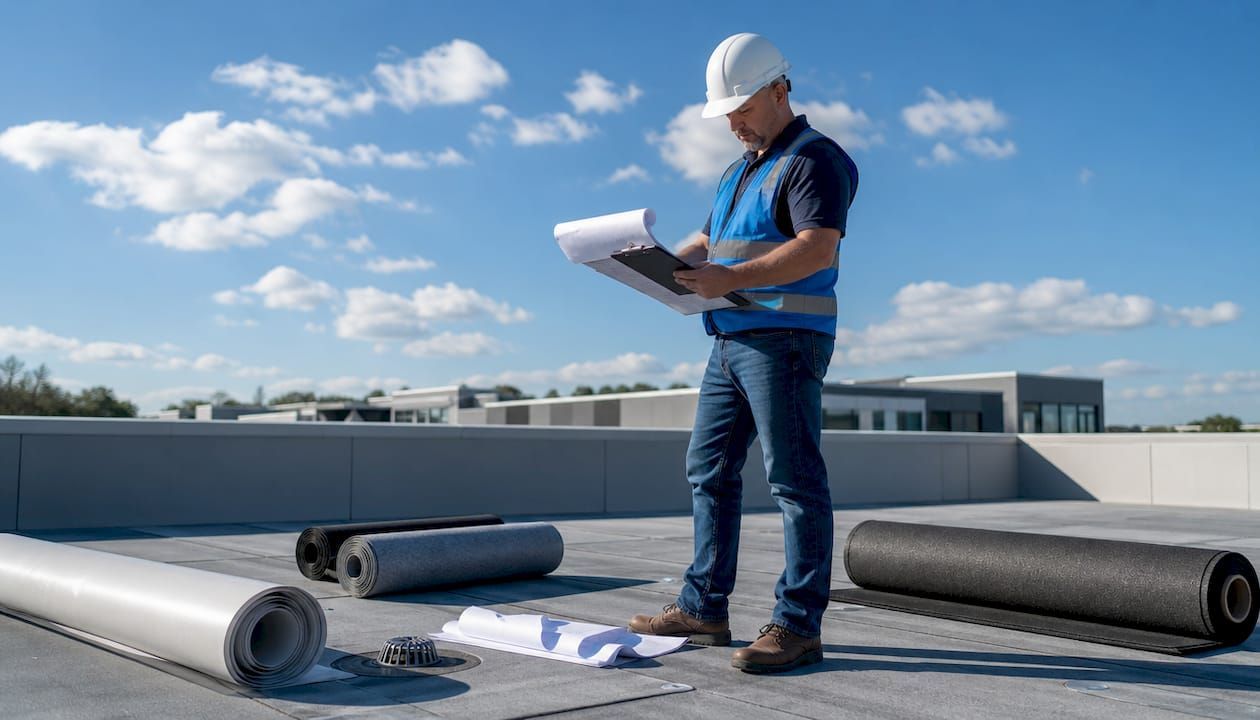
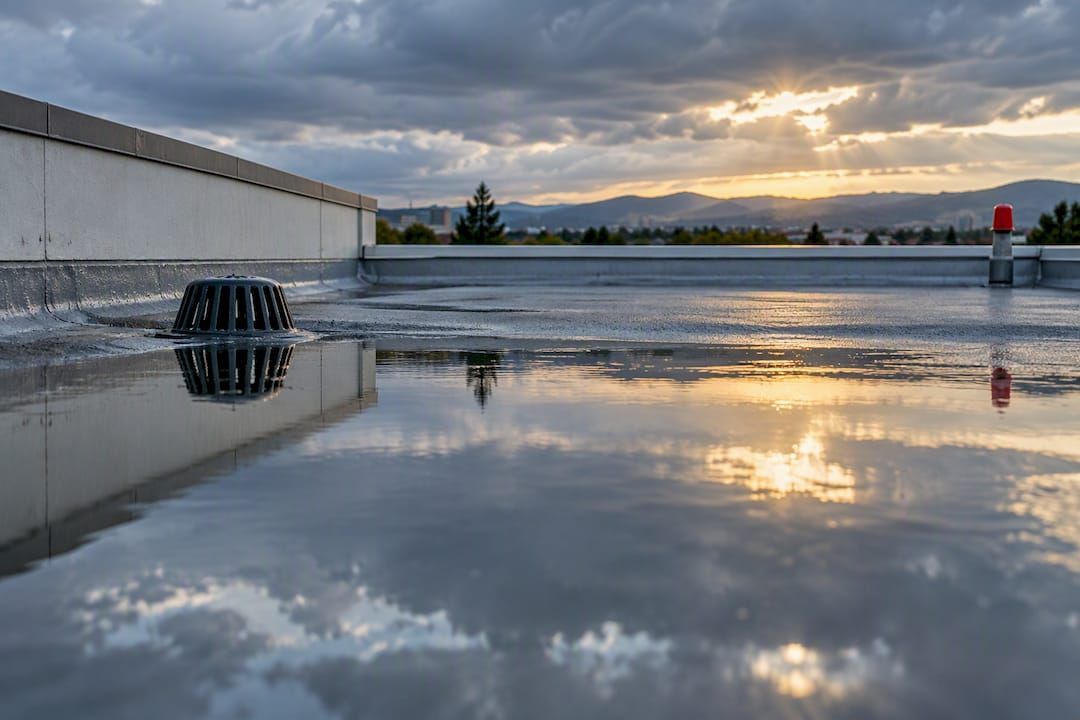
Flat roof systems are defined as low-slope roofing assemblies designed for buildings where a pitched roof is impractical or undesirable. The term "flat" is a misnomer. Industry standards require a minimum slope of 1/4 inch per foot on every flat roof to channel water toward drains and prevent ponding. The main types of flat roof systems include Built-Up Roofing (BUR), Modified Bitumen, TPO, EPDM, PVC, metal, and green roofs. Each system uses different materials, installation methods, and maintenance schedules. Choosing the wrong one for your building type or climate is one of the most expensive mistakes a property owner can make.
1. What are the main types of flat roof systems?
Flat roof systems fall into five primary categories, each with distinct construction methods and performance profiles.
- Built-Up Roofing (BUR): Multiple layers of bitumen alternated with reinforcing fabrics, then topped with gravel or a cap sheet. BUR has been the industry standard for over a century and delivers excellent waterproofing through redundant layers.
- Modified Bitumen: An evolution of BUR that uses polymer-modified asphalt sheets. It is applied by torch, cold adhesive, or self-adhesion. Modified bitumen suits both commercial and residential flat roofs and handles foot traffic better than single-ply membranes.
- TPO (Thermoplastic Polyolefin): A single-ply white or light-colored membrane heat-welded at the seams. TPO is cost-efficient and widely installed due to its balance of energy efficiency and ease of installation.
- EPDM (Ethylene Propylene Diene Monomer): A black rubber membrane known for durability and budget-friendly pricing. Black rubber membrane usually indicates EPDM; white or gray with heat-welded seams suggests TPO or PVC.
- PVC (Polyvinyl Chloride): A single-ply membrane with strong chemical resistance, making it the preferred choice for restaurants, manufacturing facilities, and buildings with rooftop grease exposure.
- Standing Seam Metal: Steel or aluminum panels with raised seams that interlock for a watertight seal. Metal roofs carry the longest lifespan of any flat roof option.
- Green Roofs: A layered system of waterproofing membrane, drainage mat, growing medium, and vegetation. Green roofs reduce stormwater runoff and improve building insulation.
2. How installation methods vary across flat roofing materials
Installation method is the single biggest variable in flat roofing cost and long-term performance. Getting it wrong accounts for the majority of premature roof failures. Most flat roof failures result from poor installation or maintenance rather than inherent design flaws.
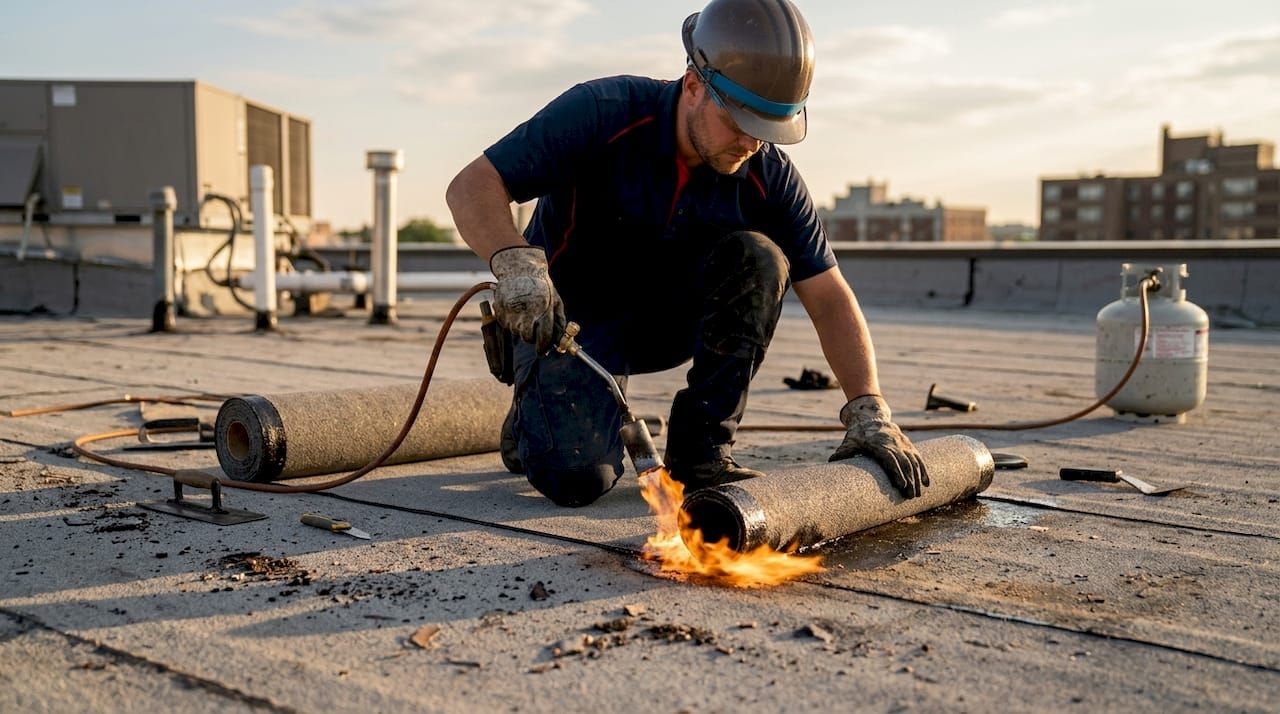
Torch-applied installation uses an open flame to melt modified bitumen sheets onto the substrate. It creates a strong bond but requires certified installers and fire safety precautions. Cold-applied systems use adhesives or self-adhesive membranes, eliminating open flame and making them safer for occupied buildings during installation.
Mechanically fastened single-ply systems like TPO or EPDM use screws and plates to anchor the membrane to the roof deck. This method is fast and cost-effective but can allow wind uplift at fastener points if not installed correctly. Fully adhered systems bond the membrane directly to the insulation board with adhesive, providing superior wind resistance and a cleaner finished surface.
Pro Tip: Always verify that your installer uses a secondary overflow drain set 2–3 inches above the primary drain. This storm redundancy requirement protects your building when primary drains clog during heavy rain.
Key maintenance requirements by system type:
- TPO and PVC: Inspect heat-welded seams annually. Seam failures are the most common entry point for water.
- EPDM: Check for punctures and shrinkage at flashings. EPDM is repairable with compatible rubber patches.
- BUR: Look for alligatoring (surface cracking) and gravel displacement. Spot repairs are straightforward with compatible bitumen.
- Modified Bitumen: Inspect lap seams and flashings after temperature extremes. The material can blister in sustained high heat.
- Metal: Check for fastener corrosion and panel sealant degradation every two years.
A commercial roof inspection twice a year, in spring and fall, catches the issues that turn into expensive repairs.
3. Cost and lifespan comparison of flat roof systems
Budget planning for a flat roof starts with understanding both upfront installation costs and the total years of service you can expect from each system.
Typical flat roofing lifespans are 20–30 years for TPO, PVC, and BUR; 15–25 years for Modified Bitumen; and 30–50+ years for Standing Seam Metal. That lifespan gap between metal and single-ply membranes is significant when you calculate cost per year of service.
| System | Cost per Sq. Ft. (2026) | Typical Lifespan |
|---|---|---|
| TPO | $5.50–$9.00 | 20–30 years |
| PVC | $6.00–$12.00 | 20–30 years |
| EPDM | $4.50–$8.00 | 20–30 years |
| Modified Bitumen | $4.00–$8.00 | 15–25 years |
| Standing Seam Metal | $10.00–$18.00 | 30–50+ years |
EPDM carries the lowest entry cost among single-ply membranes. Metal roofing costs the most upfront but delivers the lowest cost per year over its service life. Climate plays a direct role in these numbers. UV-intense regions like Northern California accelerate membrane degradation in darker materials, making reflective TPO or PVC a smarter long-term investment despite a slightly higher initial price. For a deeper look at commercial roof replacement costs, the variables go beyond material price alone.
4. How to choose the best flat roof system for your building
Matching a flat roof system to your building requires honest answers to four questions: What is the building used for? What is the local climate? How much rooftop access do you need? What is your budget over 20 years, not just today?
Residential vs. commercial use: Residential flat roofs on additions, garages, or modern homes typically use Modified Bitumen or EPDM for their ease of installation and repairability. Commercial buildings with large roof areas benefit most from TPO or PVC due to their energy-reflective surfaces and weldable seams that scale efficiently across thousands of square feet.
Climate considerations:
- High UV exposure: Choose TPO or PVC for their white reflective surface. These membranes resist UV degradation better than black EPDM.
- Extreme temperature swings: EPDM handles thermal cycling well due to its rubber composition. It expands and contracts without cracking.
- Heavy rainfall: BUR and Modified Bitumen offer redundant waterproofing layers that perform reliably in wet climates.
- Coastal or chemical exposure: PVC resists salt air and chemical runoff better than any other single-ply option.
Rooftop access and load planning: If you plan a rooftop deck, HVAC equipment, or solar panels, structural load requirements for rooftop decks or heavy equipment require planning for 40–60 psf live loads versus 20 psf for standard roof areas. Retrofitting structural support after construction is costly. Plan for it before the roof goes on.
Pro Tip: If you are considering a green roof, confirm your building's structural capacity before selecting any membrane. The growing medium alone can add 80–150 pounds per square foot when saturated.
Sustainability options: Cool roofs can reduce surface temperatures by up to 50°F, cutting cooling loads and mitigating urban heat island effects. White TPO and PVC membranes qualify as cool roofs under EPA Energy Star criteria without any additional coating. Green roofs go further by managing stormwater and providing insulation, though they require a more complex installation and ongoing horticultural maintenance.
5. Comparing flat roof systems: durability, energy efficiency, and environmental impact
Every flat roof system makes trade-offs across four performance categories: durability, energy efficiency, maintenance demand, and environmental impact. Understanding those trade-offs is how you avoid buyer's remorse five years after installation.
| System | Durability | Energy Efficiency | Maintenance Demand | Environmental Impact |
|---|---|---|---|---|
| TPO | High | Excellent (reflective) | Low to moderate | Recyclable membrane |
| PVC | High | Excellent (reflective) | Low | Contains plasticizers; less eco-friendly |
| EPDM | High | Moderate (dark surface) | Low | Long service life reduces waste |
| Modified Bitumen | Moderate to high | Low to moderate | Moderate | Petroleum-based |
| BUR | High | Low | Moderate | Petroleum-based, heavy material |
| Standing Seam Metal | Very high | Good (with coating) | Low | Fully recyclable |
| Green Roof | Moderate | Excellent | High | Best environmental profile |
TPO leads on the combination of cost, energy efficiency, and ease of installation. That is why it has become the most widely installed single-ply membrane in commercial construction. PVC matches TPO on performance but costs more and raises environmental concerns due to its plasticizer content. EPDM's dark surface absorbs heat, which works against energy efficiency in warm climates but can be an advantage in cold northern regions.
Hybrid and multi-layer flat roof systems combining membranes and vapor barriers offer enhanced waterproofing and thermal performance. These systems are increasingly adopted for maximum protection on buildings with complex drainage or high moisture exposure. For property owners exploring commercial roof coatings as a way to extend membrane life, reflective coatings can add years of service to an aging BUR or Modified Bitumen roof without a full replacement.
Key takeaways
The best flat roof system matches your building's use, climate, and 20-year budget, not just the lowest upfront installation price.
| Point | Details |
|---|---|
| Slope is non-negotiable | Every flat roof needs a minimum 1/4 inch per foot slope to prevent ponding and early failure. |
| TPO leads in commercial use | TPO offers the best balance of cost, energy efficiency, and installation ease for most commercial buildings. |
| Metal lasts longest | Standing Seam Metal delivers 30–50+ years of service, the highest lifespan of any flat roof system. |
| Installation quality drives longevity | Most flat roof failures come from poor installation, not material defects. Choose certified installers. |
| Plan rooftop loads early | Structural support for decks or equipment must be designed before installation, not retrofitted later. |
What I've learned after years of flat roof projects
by Cesar
The question I hear most from property owners is: "Which flat roof system is the best?" My honest answer is that the best system is the one installed correctly by someone who knows what they are doing. I have seen premium TPO membranes fail in three years because of poor seam welding. I have also seen 40-year-old BUR roofs still performing because a diligent owner kept up with inspections.
TPO's rise in popularity is real and deserved. It is hard to argue against a membrane that reflects heat, welds cleanly, and costs less than PVC. But I caution property owners against choosing it purely on price. In Northern California, where UV exposure is intense and temperature swings are significant, the quality of the membrane and the installer matters more than the brand name on the roll.
Green roofs are gaining ground, and I think that trend will continue. But they are not a casual upgrade. They require structural planning, a reliable waterproofing membrane underneath, and a maintenance commitment that most property owners underestimate. If you want the environmental benefits without the complexity, a white TPO or PVC cool roof gets you most of the energy savings with far less ongoing work.
The advice I give every client: do not skip the inspection schedule. Think of your flat roof like a car. You would not skip oil changes and expect the engine to last. Two inspections a year, one in spring and one in fall, catch the small problems before they become structural ones. That discipline extends roof life more reliably than any premium material upgrade.
— Cesar
Shieldguardroofing's flat roof services for NorCal property owners
Shieldguardroofing has served Northern California property owners and developers for over 75 combined years, handling flat roof installations and maintenance across residential and commercial buildings.
Whether you need a new TPO system on a commercial warehouse or a Modified Bitumen repair on a residential addition, Shieldguardroofing brings the same standard of workmanship to every project. The team works with GAF and other premium materials, backed by industry-leading warranties. For commercial buildings, professional commercial roofing services cover full installation, maintenance plans, and storm damage restoration. Residential property owners can explore residential roofing in Sacramento for flat roof options tailored to homes and multi-unit buildings. Contact Shieldguardroofing to schedule a roof assessment and get a clear recommendation for your building.
FAQ
What are the most common types of flat roof systems?
The most common flat roof systems are TPO, EPDM, PVC, Modified Bitumen, and Built-Up Roofing (BUR). Each uses different materials and installation methods suited to different building types and climates.
How long does a flat roof last?
Flat roof lifespan ranges from 15–25 years for Modified Bitumen to 30–50+ years for Standing Seam Metal. TPO, PVC, and BUR typically last 20–30 years with proper maintenance.
What is the cheapest flat roof system?
EPDM is the most budget-friendly single-ply option, with installation costs starting at $4.50 per square foot. Modified Bitumen is also cost-competitive, though it has a shorter lifespan than TPO or EPDM under comparable conditions.
How do I know what type of flat roof I have?
Visual inspection gives strong clues. A black rubber membrane indicates EPDM. A white or gray membrane with visible heat-welded seams points to TPO or PVC. Older buildings with gravel surfaces typically have Built-Up Roofing.
How often should a flat roof be inspected?
Flat roofs require inspection at least twice a year, in spring and fall, plus after any major storm. Routine roof inspections catch seam failures, ponding issues, and flashing damage before they cause interior water damage.
Recommended