Asphalt Shingle Grading: A NorCal Homeowner's Guide
Asphalt Shingle Grading: A NorCal Homeowner's Guide
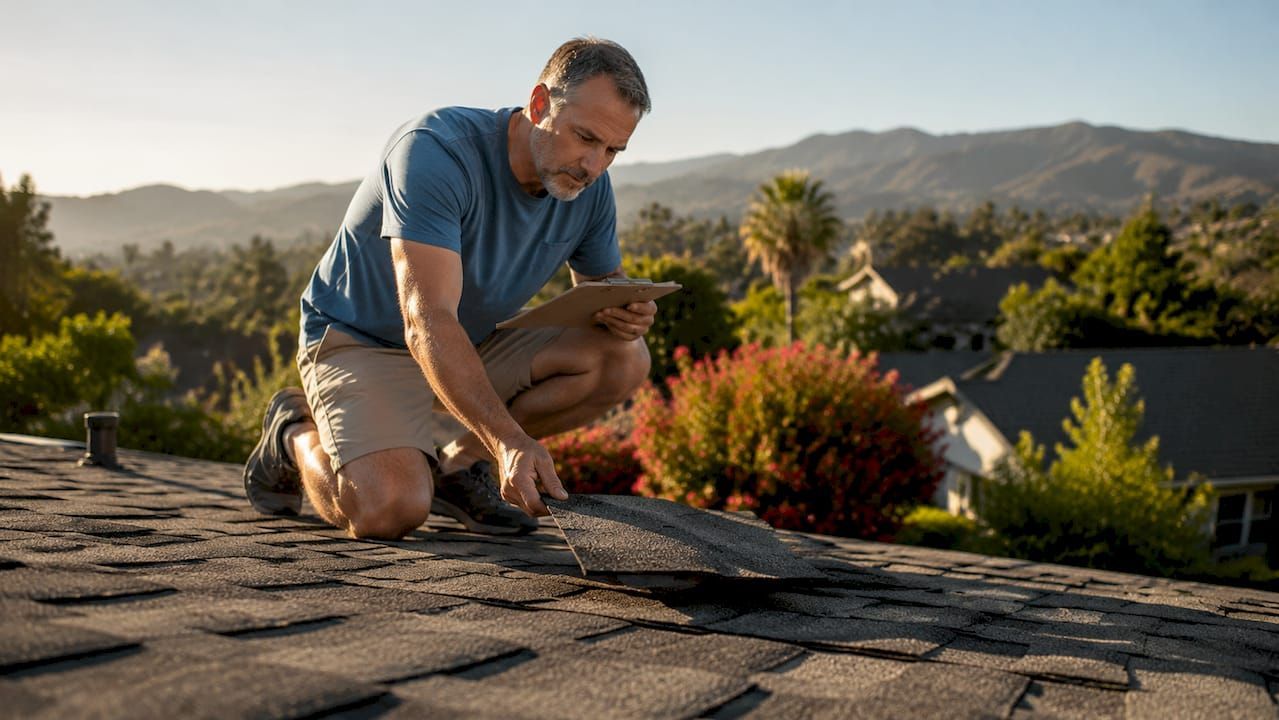
Asphalt shingle grading is a classification system that ranks roofing shingles by quality, durability, and performance based on industry benchmarks set by organizations like ASTM International and Underwriters Laboratories. The industry recognizes three primary grades: 3-tab, architectural, and designer (also called luxury). Each grade differs in construction, lifespan, wind resistance, and cost. For Northern California homeowners and property managers, understanding what is asphalt shingle grading means the difference between a roof that lasts 15 years and one that protects your home for 50. The right grade also affects your insurance premiums, code compliance, and long-term maintenance costs.
What are the primary asphalt shingle grades?
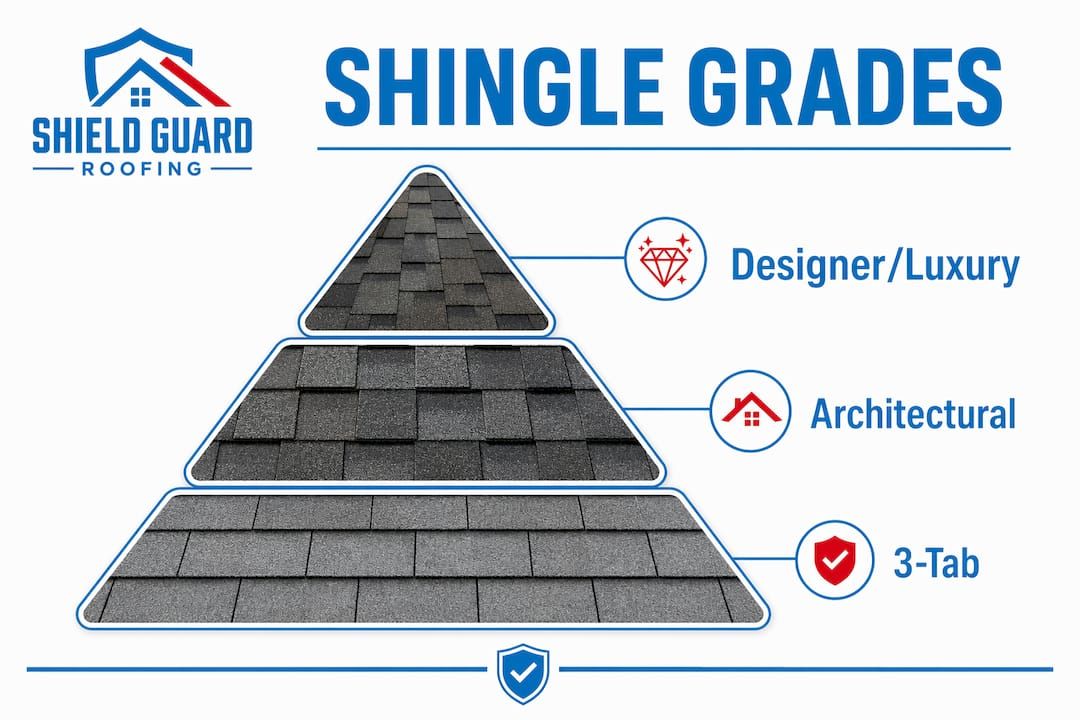
Residential asphalt shingles divide into three grades, each built differently and priced accordingly. Knowing what separates them helps you spend your roofing budget where it counts.
3-tab shingles: entry-level protection
3-tab shingles are single-layer, flat shingles cut with three uniform tabs along the bottom edge. They are the lightest and least expensive option, typically costing $70–$150 per square installed. Their lifespan runs 10–25 years with wind resistance rated at 60–70 mph. That wind rating falls short for many Northern California locations exposed to seasonal gusts or fire-driven wind events.
Architectural shingles: the mid-grade standard
Architectural shingles (also called dimensional or laminate shingles) use multiple bonded layers to create a textured, three-dimensional appearance. They have dominated the residential market since 2005 because they exceed the performance of 3-tab at a moderate price increase. Architectural shingles last 25–50 years and withstand winds up to 110–130 mph under ASTM D7158. GAF's Timberline HDZ series is a widely installed example in NorCal.
Designer and luxury shingles: premium performance
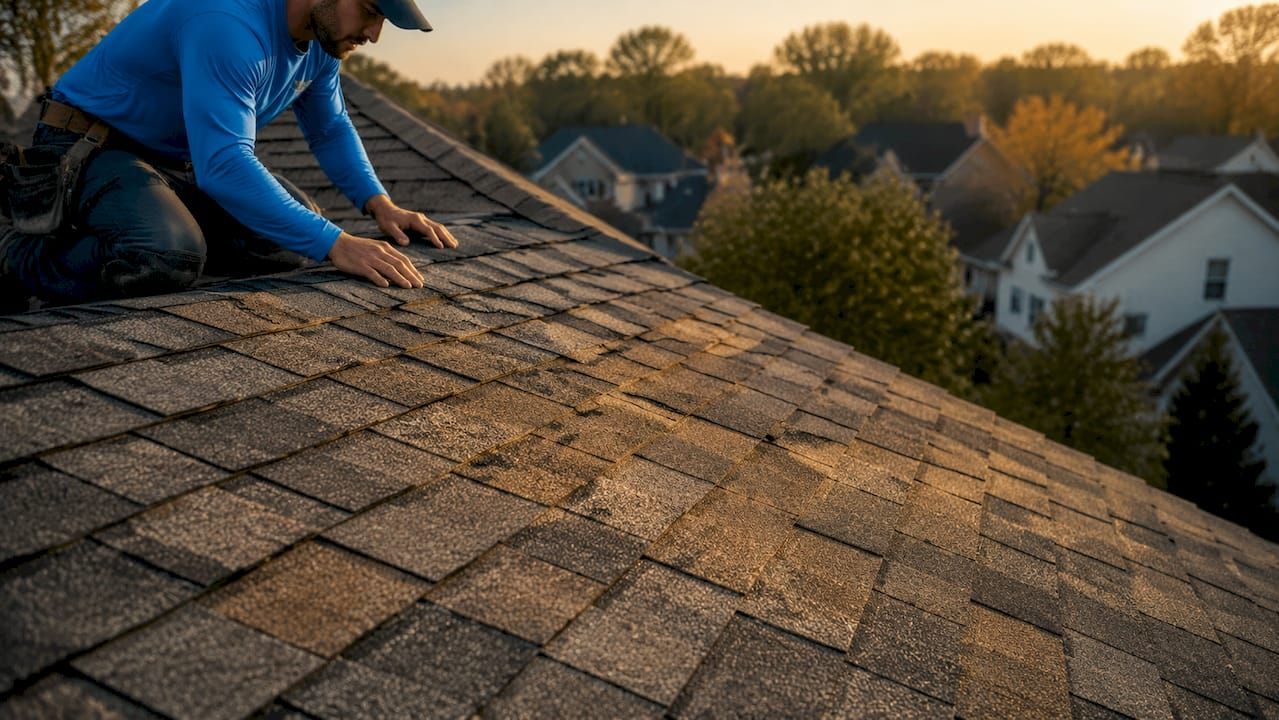
Designer shingles are the heaviest grade, weighing 350–450+ lbs per square. They mimic the look of slate or wood shake while delivering top-tier structural performance. Their lifespan ranges from 30–50 years, and thicker weathering layers improve resistance to UV exposure and temperature swings. For NorCal homes in high-visibility neighborhoods or wildfire-adjacent zones, designer shingles offer both curb appeal and added resilience.
Grade comparison at a glance
| Feature | 3-Tab | Architectural | Designer/Luxury |
|---|---|---|---|
| Layers | Single | Multi-layer | Multi-layer, heavyweight |
| Lifespan | 10–25 years | 25–50 years | 30–50 years |
| Wind Resistance | 60–70 mph | 110–130 mph | 110–130+ mph |
| Weight per Square | ~240 lbs | ~300 lbs | 350–450+ lbs |
| Relative Cost | Lowest | Moderate | Highest |
| Best Use Case | Budget reroof | Most residential homes | Premium or high-exposure homes |
How are asphalt shingles graded for performance?
Grading asphalt shingles goes beyond appearance. The industry uses standardized tests to assign measurable performance ratings. These certifications tell you exactly how a shingle will behave under real conditions.
The key standards every homeowner should recognize are:
- ASTM D3462: Specifies physical requirements for fiberglass-reinforced asphalt shingles, covering tensile strength, tear resistance, and granule adhesion. A shingle that meets ASTM D3462 has passed baseline quality checks.
- UL 2218 Impact Resistance: Rates shingles from Class 1 (lowest) to Class 4 (highest) based on steel ball drop tests. Class 4 is the highest rating and signals the best protection against hail and falling debris.
- ASTM D7158 Wind Resistance: Measures how well shingles resist uplift forces. Most architectural shingles meet this standard at 110–130 mph. This matters in NorCal valleys and coastal areas where wind events are common.
- Class A Fire Rating: The highest fire resistance classification under ASTM E108. Most architectural and designer shingles carry a Class A rating. In California's wildfire-prone regions, this is not optional. It is a baseline requirement.
Pro Tip: Ask your contractor to show you the product data sheet for the specific shingle batch being installed. Certifications apply per batch and color variant, not just by brand name. A product line can carry a Class 4 rating in one color and not in another.
Why does shingle grade matter for northern california?
Northern California presents a specific set of roofing challenges that make shingle grade selection more than a budget decision. The region combines intense UV exposure in the Central Valley, seasonal wind events in the foothills, occasional hail in the Sierra Nevada foothills, and strict wildfire codes across much of the state.
Here is how grade selection maps to those conditions:
- UV and heat exposure: The Sacramento Valley regularly sees summer temperatures above 100°F. Polymer-modified asphalt binders in architectural and designer shingles maintain flexibility under heat, reducing cracking and granule loss that shortens roof life.
- Wind resistance: Diablo winds and Delta breezes can push gusts well past 60 mph. 3-tab shingles rated at 60–70 mph offer little margin. Architectural shingles rated at 130 mph provide real protection where 3-tab shingles would fail.
- Hail exposure: Foothills communities from Grass Valley to Shingle Springs see periodic hail. Class 4 impact-resistant shingles, like GAF's Timberline HDZ RS, are specifically designed for these conditions.
- Fire code compliance: California's Title 24 and local fire codes require Class A fire-rated roofing in most jurisdictions. Verify your local requirements before purchasing any shingle grade.
- Insurance considerations: Many California insurers offer premium discounts for Class 4 impact-resistant shingles. The upgrade typically costs $1,000–$2,000 more upfront. If you plan to stay in your home long-term, that cost often pays back through reduced premiums.
Pro Tip: Before finalizing your shingle selection, call your homeowner's insurance provider. Some NorCal insurers reduce annual premiums by 10–30% for Class 4 rated roofs. That discount can offset the upgrade cost within a few years.
How to evaluate and select the right shingle grade
Choosing the right shingle grade is not just about picking the most expensive option. It requires matching your roof's exposure, your budget, and your long-term plans for the property.
- Assess your roof's exposure. A south-facing roof in Redding takes more UV punishment than a shaded north-facing roof in Eureka. Higher exposure warrants a higher grade with better UV and heat resistance.
- Balance upfront cost with service life. A 3-tab roof at $8,000 replaced every 15 years costs more over 30 years than an architectural roof at $12,000 that lasts 30–50 years. Run the math before defaulting to the cheapest option.
- Read the product data sheet, not just the label. Marketing language on packaging can be misleading. The data sheet lists the actual ASTM and UL certifications for that specific product. Shieldguardroofing always provides clients with full product documentation before installation begins.
- Prioritize professional installation. Sealant strength and installation quality directly determine whether a shingle achieves its rated wind resistance in real conditions. A Class 4 shingle installed incorrectly will not perform like a Class 4 shingle. Manufacturer warranties also require installation per their written instructions, including proper underlayment.
- Factor in insurance discounts. Impact-resistant Class 4 shingles carry a $1,000–$2,000 premium but may generate insurance savings that offset the cost. Short-term owners may not recoup the investment, but long-term owners almost always do in high-risk California zip codes.
Pro Tip: A residential roof inspection before you buy shingles tells you the exact condition of your deck, underlayment, and flashing. Replacing shingles without addressing underlying issues wastes money regardless of the grade you choose.
Side-by-side shingle grade comparison
The table below summarizes the key performance factors across all three grades. Use it as a quick reference when comparing quotes or reviewing product options with your contractor.
| Factor | 3-Tab | Architectural | Designer/Luxury |
|---|---|---|---|
| Impact Resistance (UL 2218) | Class 1–2 typical | Class 3–4 available | Class 4 available |
| Fire Rating | Class A | Class A | Class A |
| Wind Rating (ASTM D7158) | 60–70 mph | 110–130 mph | 110–130+ mph |
| Warranty (typical) | 20–25 years | 30–50 years | Lifetime limited |
| Weight per Square | ~240 lbs | ~300 lbs | 350–450+ lbs |
| NorCal Suitability | Low exposure only | Most residential use | High exposure or premium homes |
| Example Products | Generic entry-level | GAF Timberline HDZ | GAF Timberline HDZ RS |
The GAF Timberline HDZ RS shingles represent the architectural-to-designer crossover point. They carry a Class 4 impact rating and are a strong fit for NorCal homeowners in hail-prone or high-wind zones. For a broader look at how asphalt compares to other materials, the 2026 roofing materials guide covers the full range of options available in the region.
For homeowners considering a full replacement, understanding how residential roof replacement works helps you ask better questions and avoid costly surprises during the project.
Key takeaways
Asphalt shingle grading determines how long your roof lasts, how well it resists NorCal weather, and how much it costs over its full service life.
| Point | Details |
|---|---|
| Three grades define the market | 3-tab, architectural, and designer shingles differ in layers, lifespan, and wind resistance. |
| Standards back every rating | ASTM D3462, UL 2218, and ASTM D7158 provide measurable, verifiable performance benchmarks. |
| NorCal climate demands higher grades | UV exposure, wind events, and fire codes make architectural or designer grades the practical minimum. |
| Installation quality is non-negotiable | Even a Class 4 shingle underperforms if sealant and underlayment are installed incorrectly. |
| Verify certifications per batch | Product-level ratings do not automatically apply to every color or production run. |
What most homeowners miss about shingle grading
I have been on thousands of roofs across Northern California. The single most common mistake I see is homeowners choosing a shingle grade based on the brochure photo, not the data sheet. A shingle can look premium and still carry a Class 1 impact rating. That matters enormously if you live in Rocklin, El Dorado Hills, or anywhere in the foothills where hail is a real seasonal risk.
The second thing most people overlook is the installation side of the equation. I have seen Class 4 shingles fail in 60 mph winds because the contractor skipped proper sealant application or used the wrong nail pattern. The shingle's grade is a ceiling, not a guarantee. You only reach that ceiling with correct installation by a crew that follows the manufacturer's written instructions exactly.
My honest recommendation for most NorCal homeowners in 2026 is architectural grade at minimum, with a serious look at Class 4 impact-resistant options if you are within 50 miles of the Sierra foothills or in a high-wind corridor. The cost difference between 3-tab and architectural is modest over a 30-year horizon. The performance difference is not modest at all. Spend the extra money once and stop worrying about your roof every time a storm rolls through.
— Cesar
Ready to choose the right shingle grade for your home?
Shieldguardroofing has helped Northern California homeowners select and install the right shingle grade for over 75 combined years. We carry GAF and GAF Energy products, including the full Timberline line, and we provide complete product documentation before any installation begins.
Whether you are replacing an aging 3-tab roof or upgrading to a Class 4 architectural system, our team walks you through every grade option, explains the certifications that matter for your specific location, and installs to full manufacturer specifications. That means your warranty is valid and your roof performs exactly as rated. Contact Shieldguardroofing today to schedule a consultation or get a free estimate for residential roofing in Sacramento.
FAQ
What is asphalt shingle grading in simple terms?
Asphalt shingle grading is a system that classifies shingles into tiers based on construction quality, durability, and performance ratings from standards like ASTM and UL. The three main grades are 3-tab, architectural, and designer.
Which shingle grade is best for northern california homes?
Architectural grade is the practical minimum for most NorCal homes due to wind, UV, and fire code requirements. Homeowners in hail-prone foothills areas should consider Class 4 impact-resistant architectural or designer shingles.
How does UL 2218 impact rating affect my shingle choice?
UL 2218 rates shingles from Class 1 to Class 4 for impact resistance, with Class 4 offering the highest protection. Class 4 shingles may also qualify you for homeowner's insurance discounts in California.
Does a higher shingle grade always mean a longer warranty?
Generally yes. 3-tab shingles carry 20–25 year warranties, architectural shingles offer 30–50 year warranties, and designer shingles often come with lifetime limited warranties. Always read the warranty terms, as coverage varies by manufacturer and installation requirements.
Can i install a higher-grade shingle over my existing roof?
Adding a new layer over existing shingles is sometimes permitted by local code, but it limits your ability to inspect the deck and can void manufacturer warranties. A full tear-off is the recommended approach to achieve rated performance from any shingle grade.
Recommended